Quick Answer
Okay, so here's the quick version. Nine times out of ten, your dryer is taking forever because it can't breathe. It's almost always a clogged vent. First, clean your lint screen—every single time. Then, check the vent hose behind the dryer for kinks. If that's not it, you've got a bigger clog in the vent line going outside. Cleaning that out will fix the problem for most people. If it's still not getting hot at all, you might have a bad heating element or fuse, which is a bit more involved.
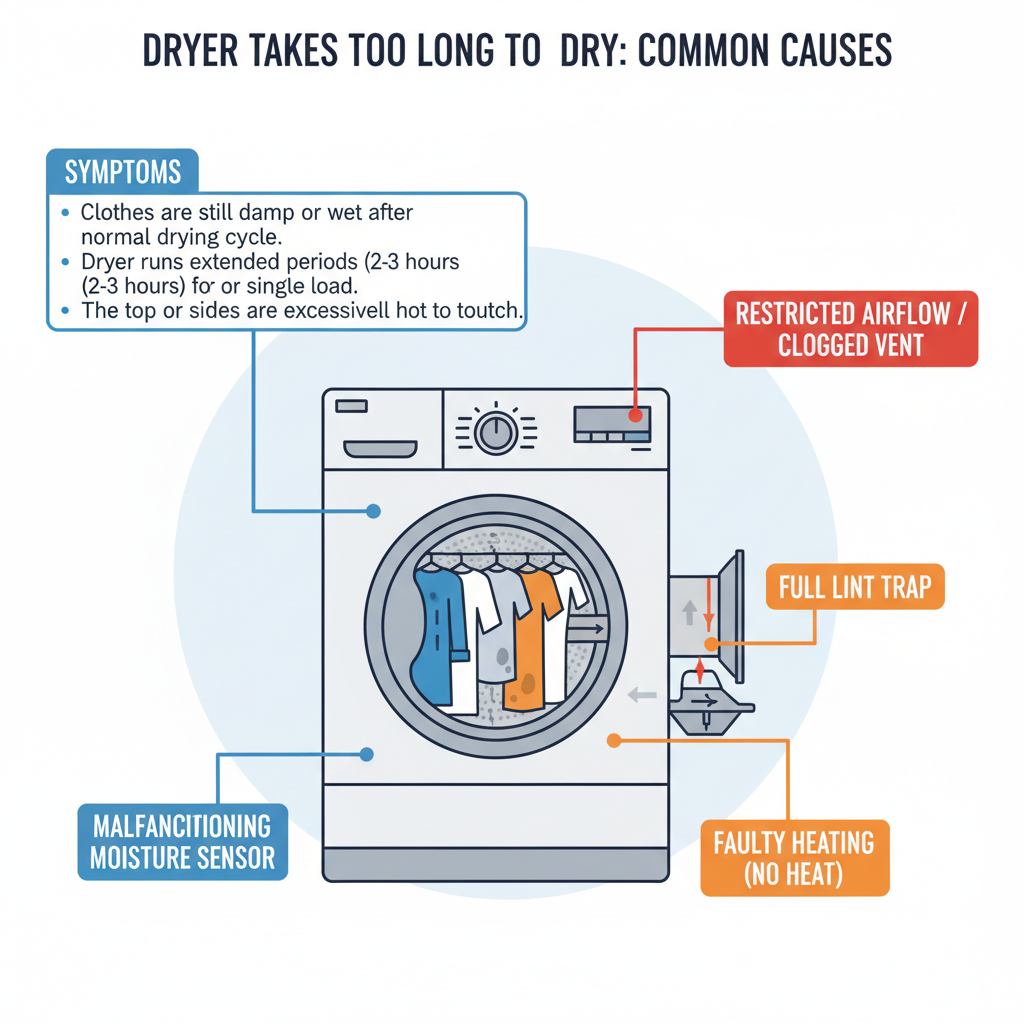
Common Symptoms
Possible Causes
Step-by-Step Diagnosis
Step 1
Clean the lint filter thoroughly. Wash it with soap and water if it has residue from dryer sheets.
Step 2
Pull the dryer out and inspect the flexible vent hose for any kinks or crushing that restrict airflow.
Step 3
Disconnect the vent hose from the back of the dryer and run a small, timed load. If drying improves, the clog is in the wall vent.
Step 4
Clean the entire vent system from the laundry room to the outside exit using a dryer vent cleaning kit.
Step 5
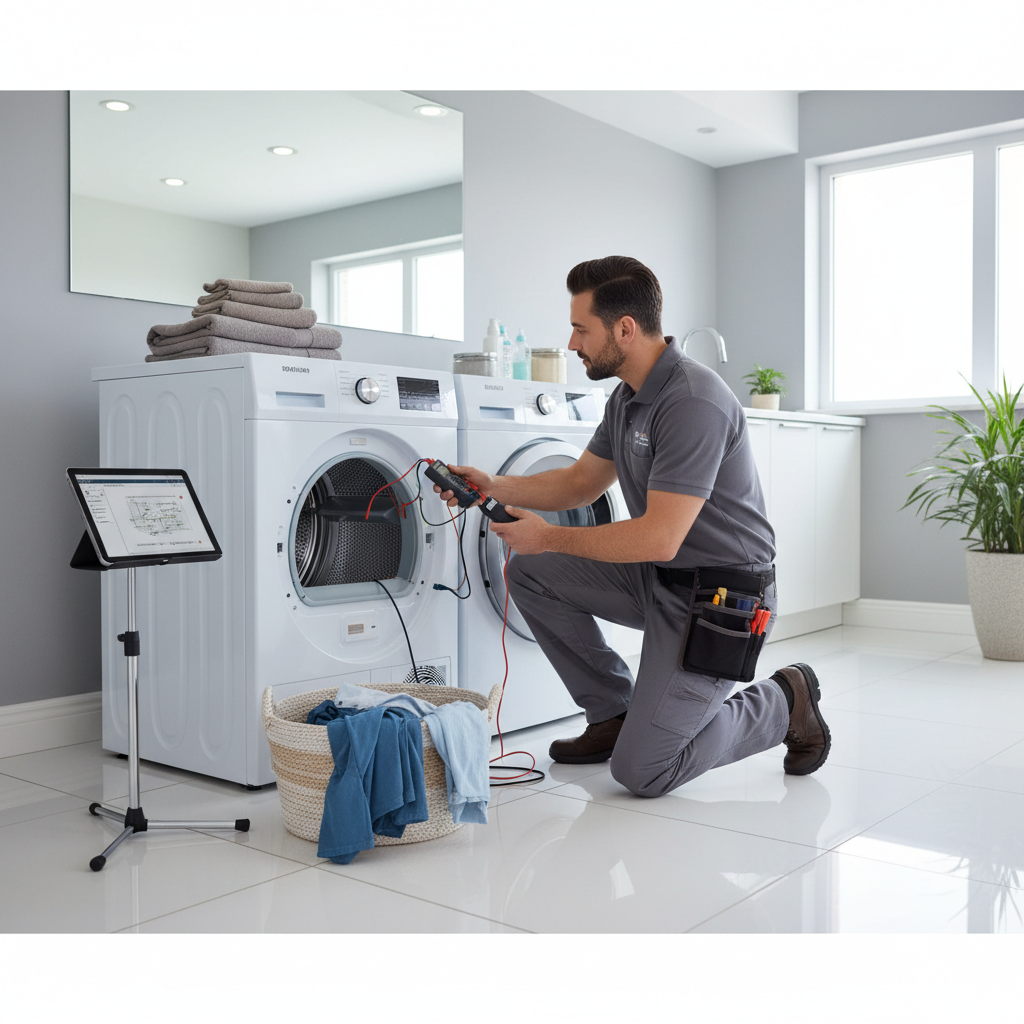
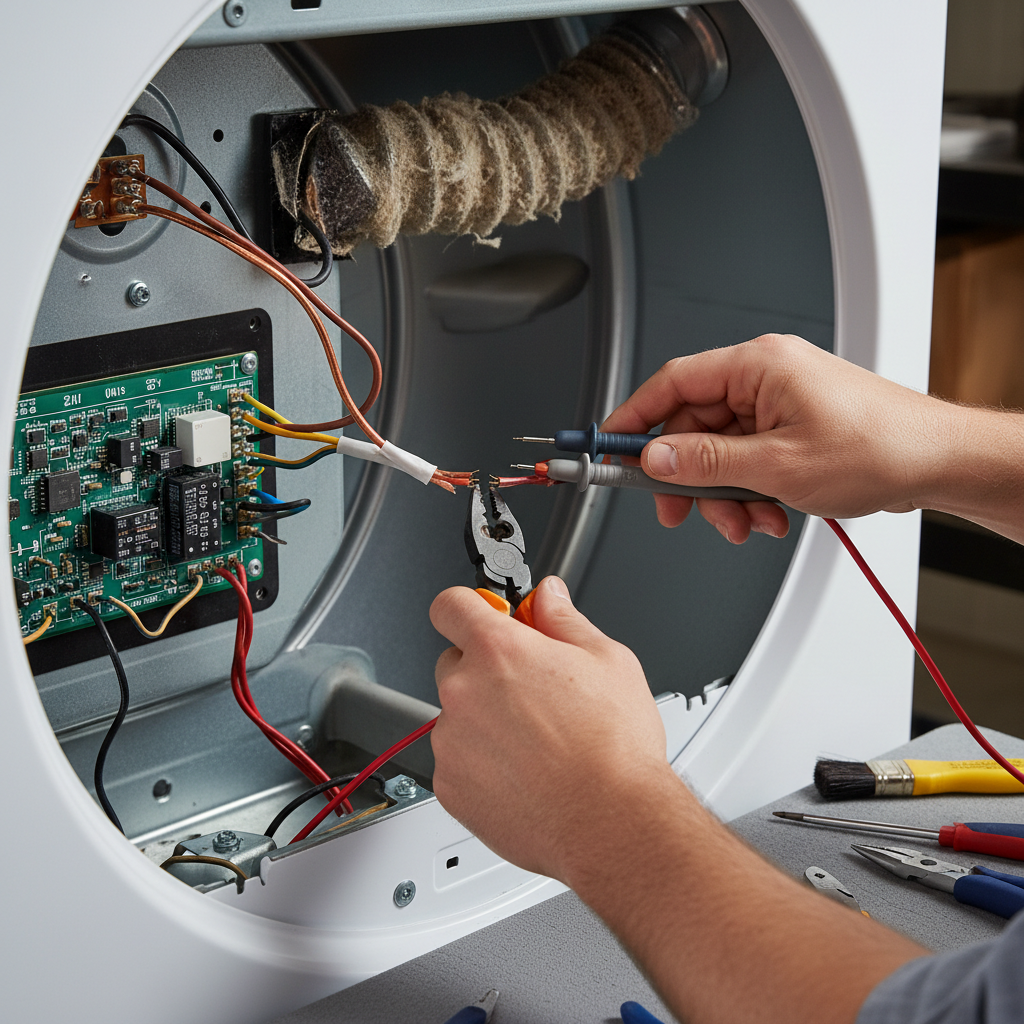
If there's still no heat, unplug the dryer and use a multimeter to test the thermal fuse and heating element for continuity.
DIY vs Professional Costs
| Repair Type | DIY Cost | Professional Cost | Time Required |
|---|---|---|---|
Full Vent Cleaning | $20-50 (for a kit) | $150 - $350 | 1-2 hours |
Replace Vent Hose | $15-40 | $100 - $200 (incl. service call) | 15 minutes |
Replace Thermal Fuse | $15-50 | $175 - $350 | 1 hour |
Replace Heating Element | $50-150 | $225 - $450 | 1-2 hours |
Replace Gas Valve Solenoids | $30-80 (parts only) | $275 - $550 | 1 hour |
When to Call a Professional Appliance
- If you've thoroughly cleaned the entire vent system and the dryer is still not drying properly.
- If the dryer produces no heat at all, indicating a definite part failure like a fuse or heating element.
- If you have a gas dryer and you suspect an issue with the gas line, igniter, or flame.
- If you smell a strong burning odor, which is an immediate fire hazard.
- If you're not comfortable taking the appliance apart or working with electrical components.
Prevention Tips
- Clean the lint trap after every single load, without exception.
- Have the entire dryer vent ductwork professionally cleaned at least once a year, or do it yourself with a kit.
- Replace flimsy foil or plastic vent hoses with rigid or semi-rigid metal ducting.
- Regularly check the outdoor vent hood to ensure the flap opens freely and isn't blocked by nests, leaves, or snow.
- Avoid overloading the dryer to ensure proper airflow around the clothes.
Frequently Asked Questions
Related Guides
DIY Appliance Repair vs. Hiring a Pro: A Technician's Honest Take (Troubleshooting & Fixes)
A veteran tech's guide on when to DIY appliance repair and when to call a pro. Learn the real risks, costs, and what YouTube won't tell you about fixing your stuff.
High utility bills due to inefficient appliance use and lack of energy-saving practices. Troubleshooting & Fixes
Preventing Appliance-Related Fires and Electrical Hazards in the Home Troubleshooting & Fixes (2024 Guide)
A veteran tech's guide to preventing appliance fires. Learn the warning signs, what causes them, and when to call a pro before it's a disaster.
Moving Appliances Without Breaking Them (Or Your Back)
A veteran tech's guide to moving appliances. Learn to disconnect, prep, and move your fridge, washer, or stove safely to avoid costly damage and leaks.
Eco-Friendly Appliance Disposal: What to Do with Your Old Appliances (Beyond Just Trashing Them)
A veteran tech's guide on how to get rid of old appliances. Learn about eco-friendly recycling, junk removal, and free disposal options for your old stuff.
Microwave Runs But Won't Heat (Troubleshooting & Fixes)
Microwave running but not heating your food? A veteran tech explains the common causes, from bad door switches to a failed magnetron, and how to fix it.
Need Professional Help?
Find top-rated appliance experts in your area