Quick Answer
null
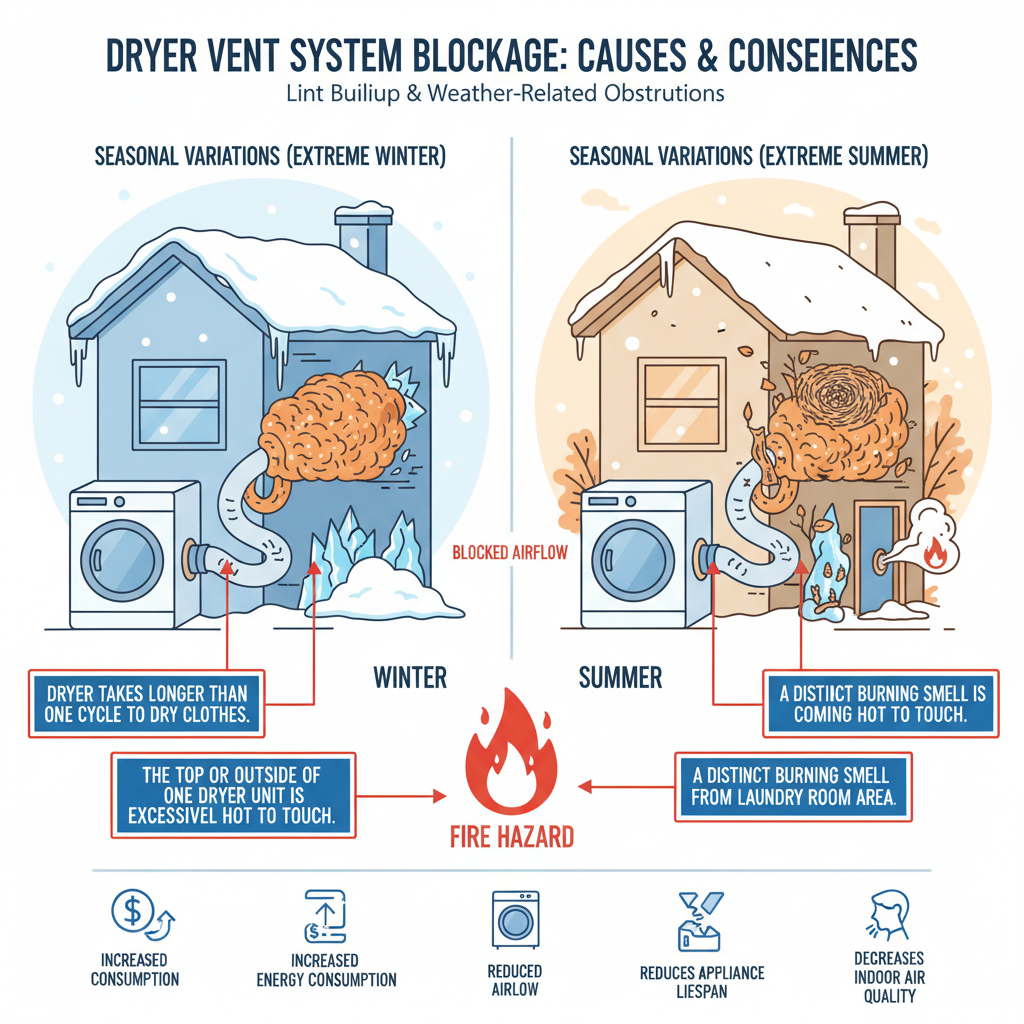
Common Symptoms
Possible Causes
Step-by-Step Diagnosis
Step 1
Clean the lint screen inside the dryer thoroughly before starting any diagnosis.
Step 2
Start the dryer on an air-only cycle and go outside to inspect the exterior vent. Check for airflow and any visible obstructions like snow, ice, leaves, or a nest.
Step 3
Unplug the dryer. Carefully pull it from the wall and disconnect the flexible transition duct from both the dryer and the wall connection. Look for lint clogs at these connection points.
Step 4
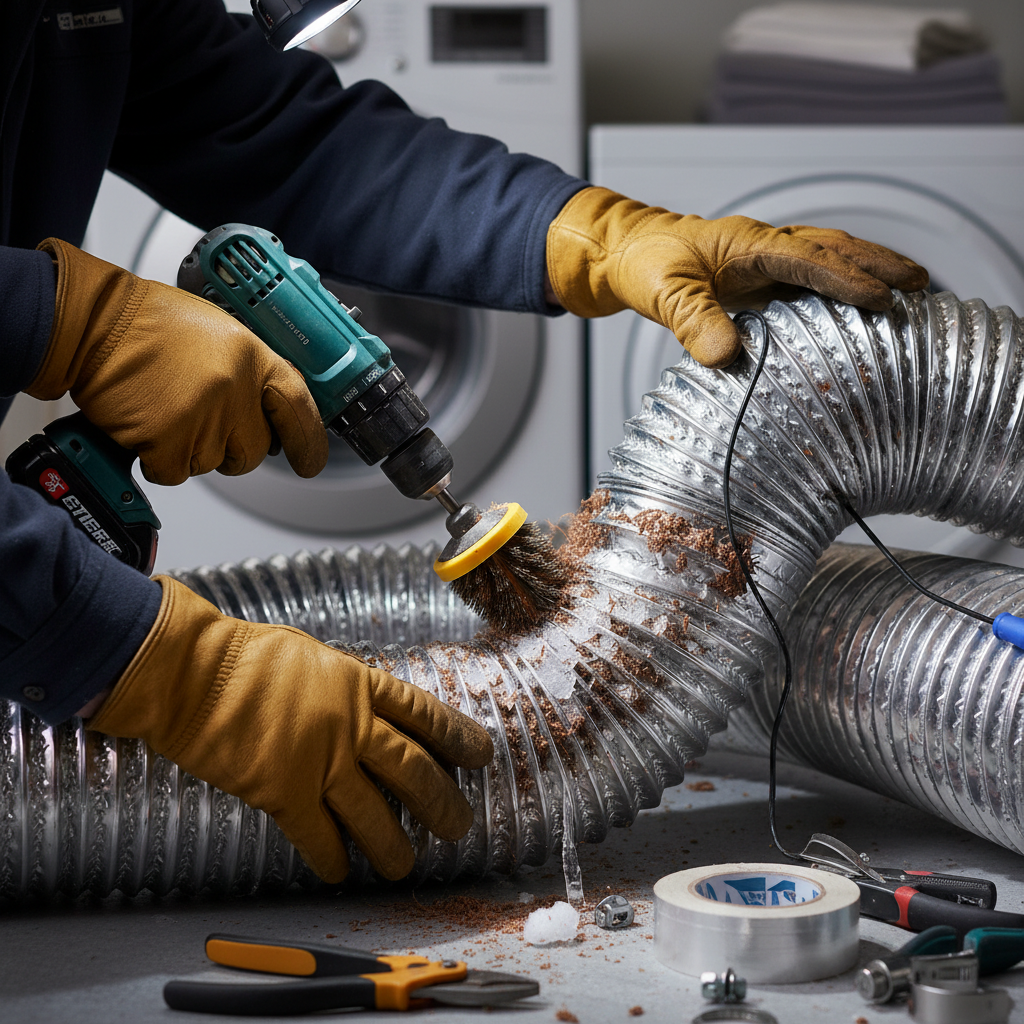
Examine the flexible duct itself for any kinks, crushing, or damage. Replace it if it's the flimsy foil or vinyl type.
Step 5
If the clog is deeper in the wall pipe, try using a leaf blower from the outside in (with the interior duct disconnected) to dislodge the blockage. Be prepared for a mess inside.
Step 6
If an initial cleaning doesn't solve the problem, assess if drying times have improved. If not, the clog is likely further down the line and requires more advanced tools.
DIY vs Professional Costs
| Repair Type | DIY Cost | Professional Cost | Time Required |
|---|---|---|---|
Cleaning Duct with DIY Brush Kit (short run) | $20-50 | N/A | 1-2 hours |
Replacing Flexible Duct with Semi-Rigid | $20-75 | $150-250 (incl. labor) | 1 hour |
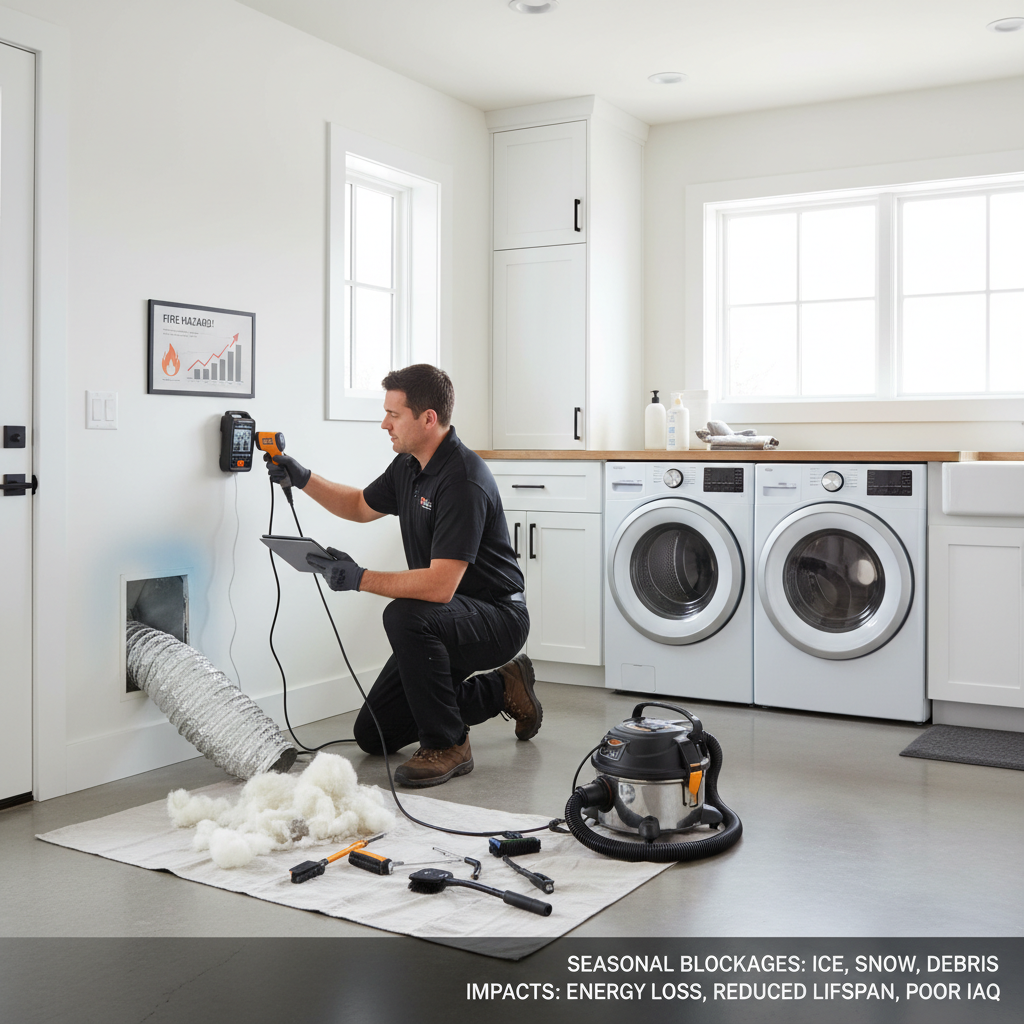
Full Professional Vent Cleaning (Standard Run) | N/A | $120-250 | 1-2 hours |
Complex Cleaning (Roof Exit, Long Run, Nests) | N/A | $250-600+ | 2-4 hours |
When to Call a Professional Dryer Vent
- If your DIY cleaning efforts don't fix the long drying times.
- If the vent duct is longer than 25 feet or has multiple sharp turns.
- If the vent exits on the roof or a high, hard-to-reach spot on a wall.
- If you suspect an animal nest is deep inside the pipe, not just at the opening.
- If you notice a burning smell even after cleaning what you can reach.
- If you see water or significant condensation around the vent system.
Prevention Tips
- Clean the lint screen after every single load. No exceptions.
- Schedule a professional cleaning once a year as preventative maintenance.
- Replace any flimsy foil or vinyl ducting with rigid or semi-rigid metal ducts.
- Ensure the duct run is as short and straight as possible.
- Periodically check the exterior vent cap to make sure the flap moves freely and is clear of debris.
- Install a pest-resistant vent cover to keep birds and rodents out.
- Avoid overloading the dryer, which increases lint production and wear on the machine.
Frequently Asked Questions
Related Guides
Dryer vent blockages and restricted airflow leading to inefficient drying, increased energy consumption, and heightened fire risk. Troubleshooting & Fixes (2024 Guide)
Dryer vent blocked? Learn why your clothes are still wet and how to fix it. A vet tech's guide to troubleshooting and cleaning a clogged dryer vent to prevent fires.
Dryer Not Starting (No Power or Not Tumbling) Troubleshooting & Fixes (2024 Guide)
Dryer not starting? A veteran tech shares fixes for no power or tumbling. Learn to check the plug, door switch, and thermal fuse before you call for a pricey repair.
Dryer vent discharge not working effectively, leading to inefficient drying, increased energy consumption, and potential fire hazards. Troubleshooting & Fixes
Dryer Vent Cleaning Tips for Pet Owners, focusing on increased lint and pet hair accumulation in dryer vents, leading to reduced efficiency and fire hazards. Troubleshooting & Fixes
Dryer Vent Nightmares (Troubleshooting & Fixes)
A veteran tech's guide to fixing dryer vent problems. Learn to diagnose clogged vents, fix slow drying times, and prevent fires. DIY and pro tips inside.
Dryer vent fitting issues, including improper connections, blockages (lint, debris), and physical damage (cracks, kinks, disconnections) leading to reduced drying efficiency, increased energy consumption, and potential fire hazards. Troubleshooting & Fixes
Experiencing long dry times or a hot laundry room? Troubleshoot and fix common dryer vent fitting issues, blockages, and damage. Learn DIY costs vs. pro fees.
Need Professional Help?
Find top-rated dryer vent experts in your area