Quick Answer
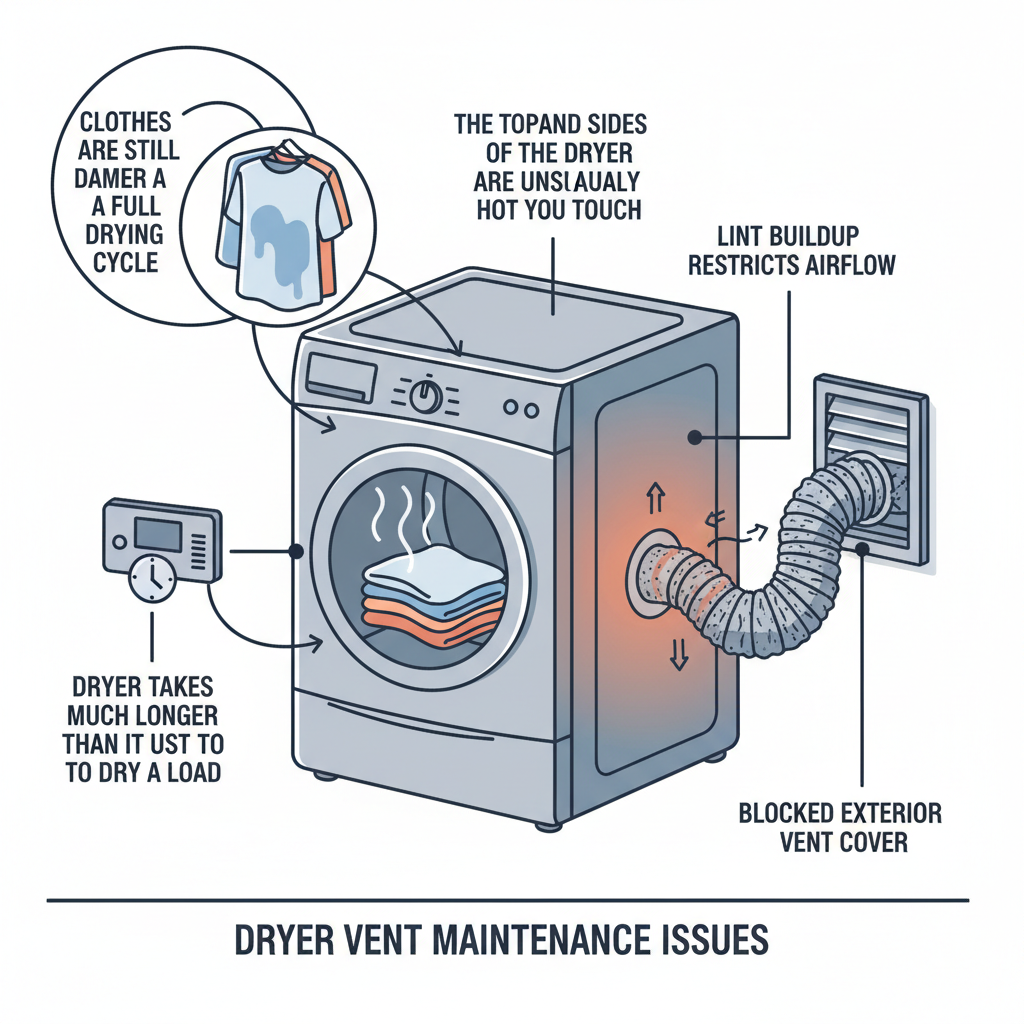
Okay so here's the quick version. Your dryer vent is almost certainly clogged with lint. That's why your clothes are damp, the dryer's hot, and it's taking forever. It's a huge fire hazard. You can try cleaning it yourself with a $30 brush kit from the hardware store, and that works for simple, short vents. If it's a long run or you smell burning, stop. Just stop and call a pro. A standard professional cleaning will probably run you somewhere between $125 and $250. It’s cheap insurance against a house fire, honestly.
Common Symptoms
Possible Causes
Step-by-Step Diagnosis
Step 1
Unplug the dryer for safety.
Step 2
Check and clean the lint trap inside the dryer door.
Step 3
Pull the dryer from the wall and disconnect the vent hose from the back of the machine.
Step 4
Visually inspect the hose and the dryer's exhaust port for heavy lint buildup.
Step 5
Inspect the exterior vent opening for obstructions like nests or clogged flaps.
Step 6
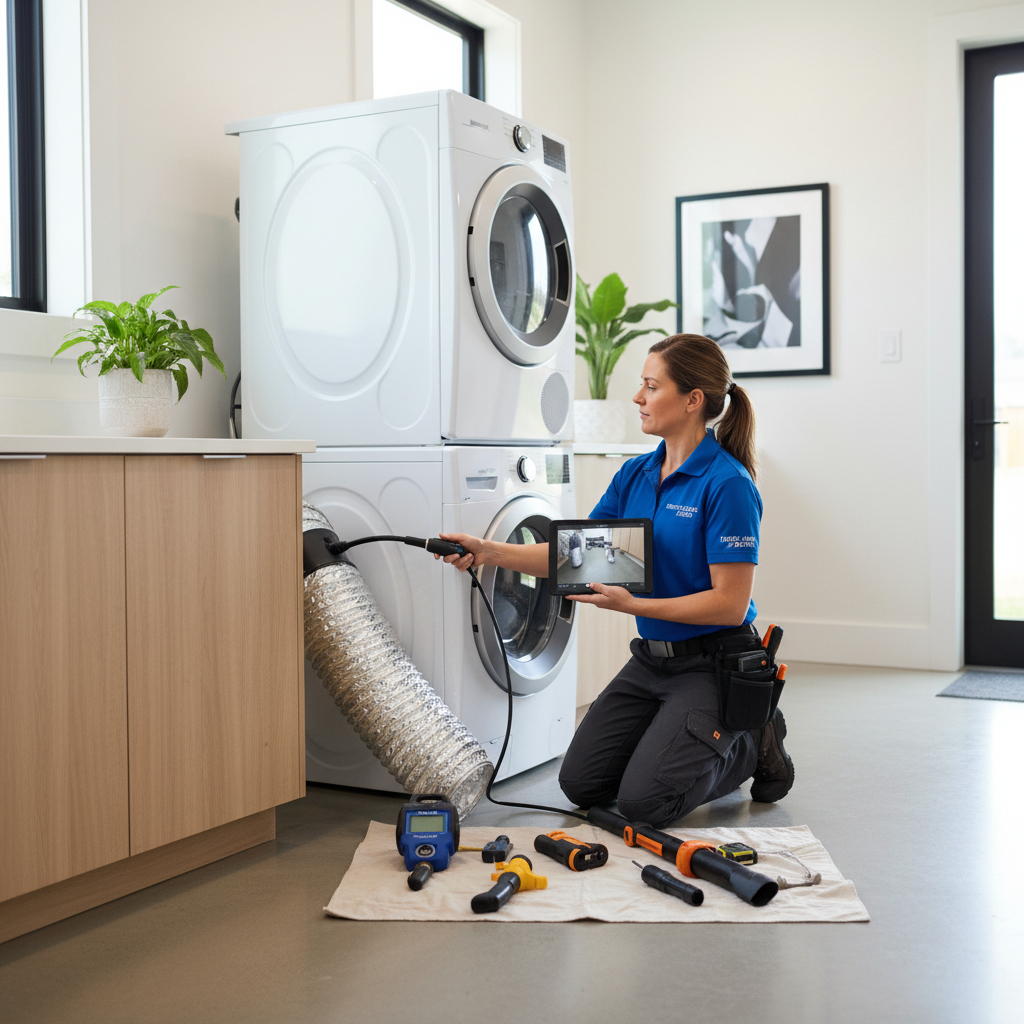
If possible, use a leaf blower or vent brush kit to check for and clear blockages in the pipe.
DIY vs Professional Costs
| Repair Type | DIY Cost | Professional Cost | Time Required |
|---|---|---|---|
Basic Cleaning (Short, accessible vent) | $20 - $50 for a brush kit | $125 - $250 | 1-2 hours |
Deep Cleaning (Long run, roof vent) | Not Recommended | $250 - $450+ | 2-4 hours |
Vent Repair / Reroute | $50 - $200 for materials | $300 - $800+ | 4-8+ hours |
When to Call a Professional Dryer Vent
- You smell a burning odor while the dryer is running - unplug it immediately and call.
- Your dryer vent exits through the roof or a second-story wall, creating a safety hazard.
- You've tried cleaning it yourself but the problem persists, indicating a deeper issue.
- You live in a condo or apartment where the vent runs through shared walls or common areas.
- You discover the vent pipe is crushed or disconnected inside a wall or ceiling.
Prevention Tips
- Clean the lint trap before or after every single load of laundry, without fail.
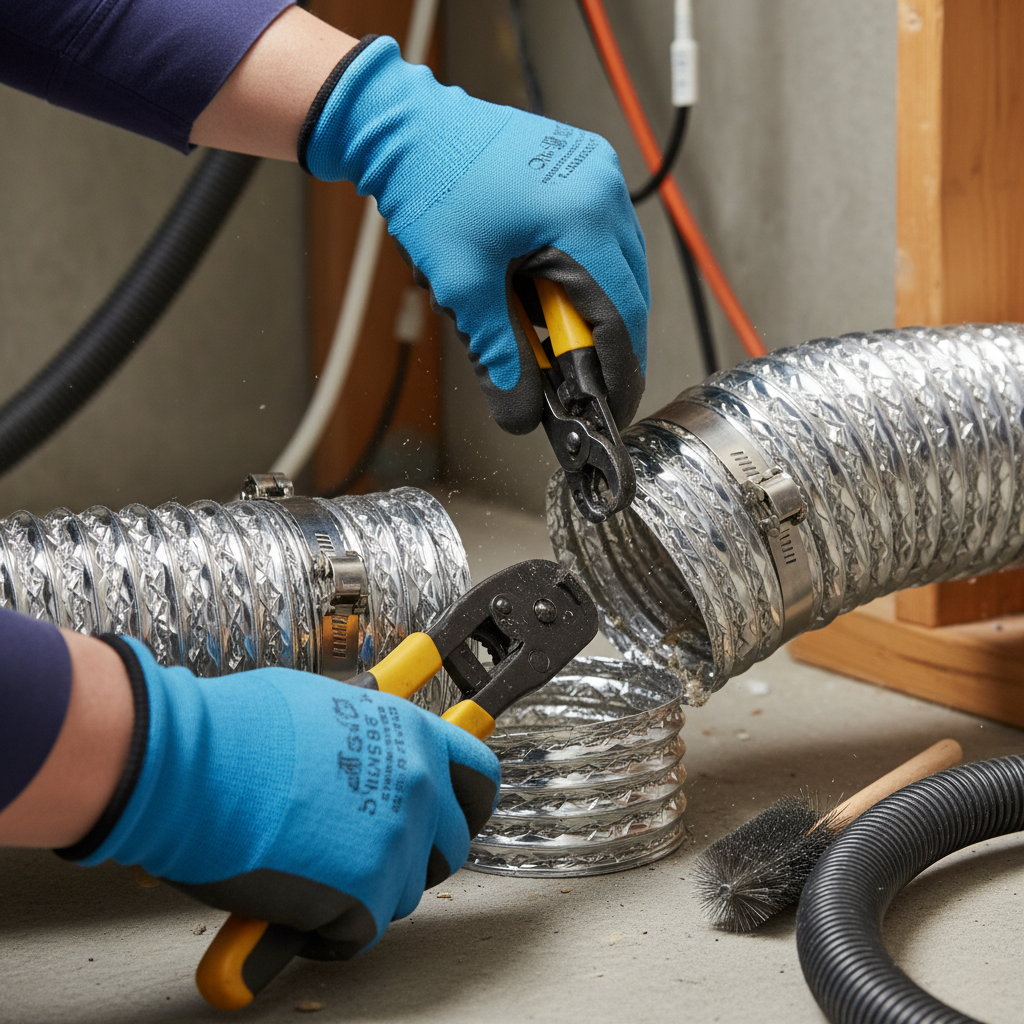
- Replace flimsy foil or plastic vent hoses with a rigid or semi-rigid metal duct.
- Perform a full vent system cleaning at least once per year (more if you do a lot of laundry).
- Ensure the vent run behind the dryer is as short and straight as possible, without kinks or sharp bends.
- Periodically check the exterior vent cover to make sure it's clear of lint, debris, and nests.
Frequently Asked Questions
Related Guides
Dryer vent blockages and restricted airflow leading to inefficient drying, increased energy consumption, and heightened fire risk. Troubleshooting & Fixes (2024 Guide)
Dryer vent blocked? Learn why your clothes are still wet and how to fix it. A vet tech's guide to troubleshooting and cleaning a clogged dryer vent to prevent fires.
Dryer Not Starting (No Power or Not Tumbling) Troubleshooting & Fixes (2024 Guide)
Dryer not starting? A veteran tech shares fixes for no power or tumbling. Learn to check the plug, door switch, and thermal fuse before you call for a pricey repair.
Dryer vent discharge not working effectively, leading to inefficient drying, increased energy consumption, and potential fire hazards. Troubleshooting & Fixes
Dryer Vent Cleaning Tips for Pet Owners, focusing on increased lint and pet hair accumulation in dryer vents, leading to reduced efficiency and fire hazards. Troubleshooting & Fixes
Dryer Vent Nightmares (Troubleshooting & Fixes)
A veteran tech's guide to fixing dryer vent problems. Learn to diagnose clogged vents, fix slow drying times, and prevent fires. DIY and pro tips inside.
Dryer vent fitting issues, including improper connections, blockages (lint, debris), and physical damage (cracks, kinks, disconnections) leading to reduced drying efficiency, increased energy consumption, and potential fire hazards. Troubleshooting & Fixes
Experiencing long dry times or a hot laundry room? Troubleshoot and fix common dryer vent fitting issues, blockages, and damage. Learn DIY costs vs. pro fees.
Need Professional Help?
Find top-rated dryer vent experts in your area