Quick Answer
Okay, so that drip-drip-drip is driving you nuts. I get it. Most of the time, and I mean really most of the time, it's just a worn-out rubber washer or a little O-ring that's given up the ghost. A simple fix. You can grab a little universal kit or specific replacement parts for $5-25 at the hardware store and probably knock it out yourself in under an hour. If you call a professional plumber, you're looking at maybe $120-250 for a basic repair, depending on the faucet's condition and the complexity. But if it's a fancier cartridge faucet, requires a specific part, or the leak is more severe, the price for professional repair can range from $150-$400. Still, it's usually not a bank-breaker for most common faucet issues.
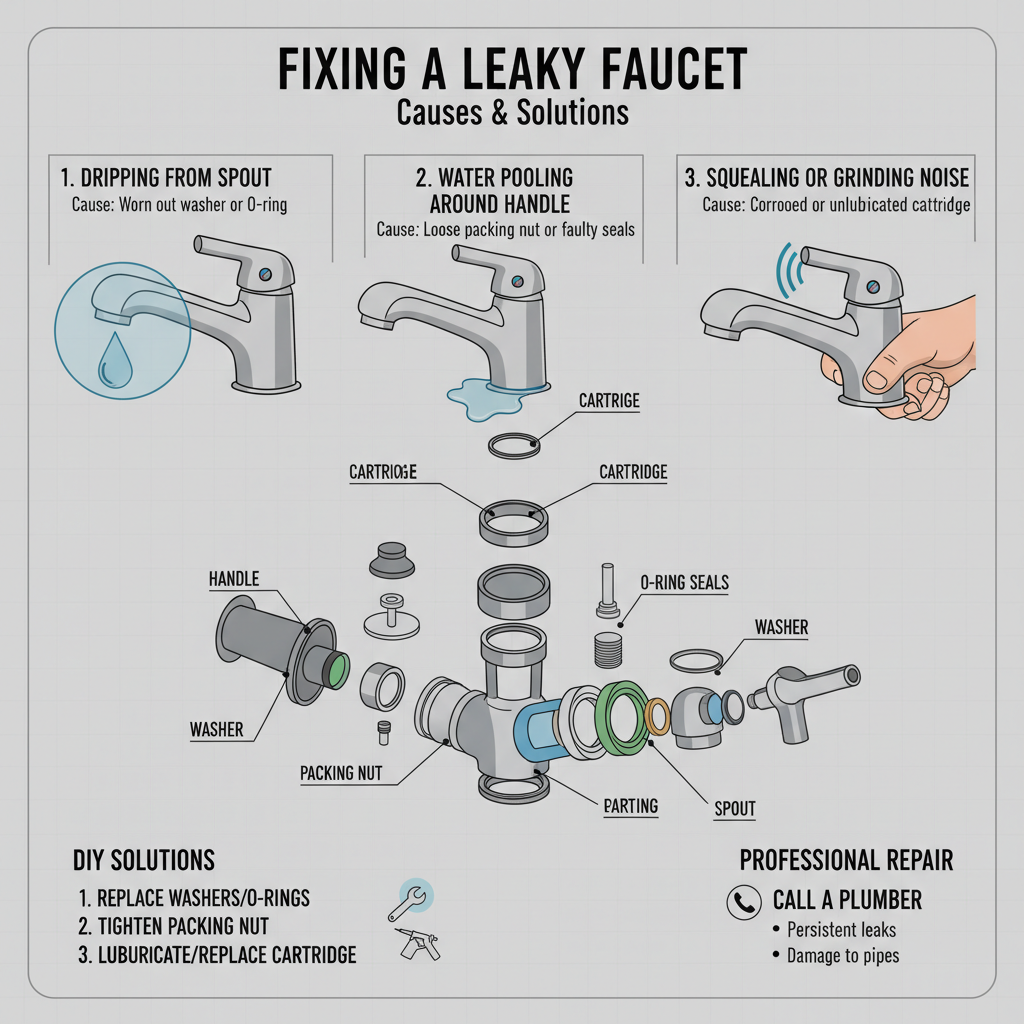
Common Symptoms
Possible Causes
Step-by-Step Diagnosis
Step 1
Identify the type of faucet (compression, cartridge, ceramic disc, ball). The repair process depends entirely on the type.
Step 2
Locate the source of the leak. Dry everything and watch to see if water comes from the spout tip, the handle base, or from under the sink.
Step 3
Turn off the water supply to the faucet. The shutoff valves are usually directly under the sink. Turn them clockwise until they stop.
Step 4
Disassemble the faucet by prying off decorative caps, removing screws, and pulling off the handles to expose the internal components.
Step 5
Inspect internal components like washers, O-rings, cartridges, and valve seats for any visible wear, cracks, or corrosion.
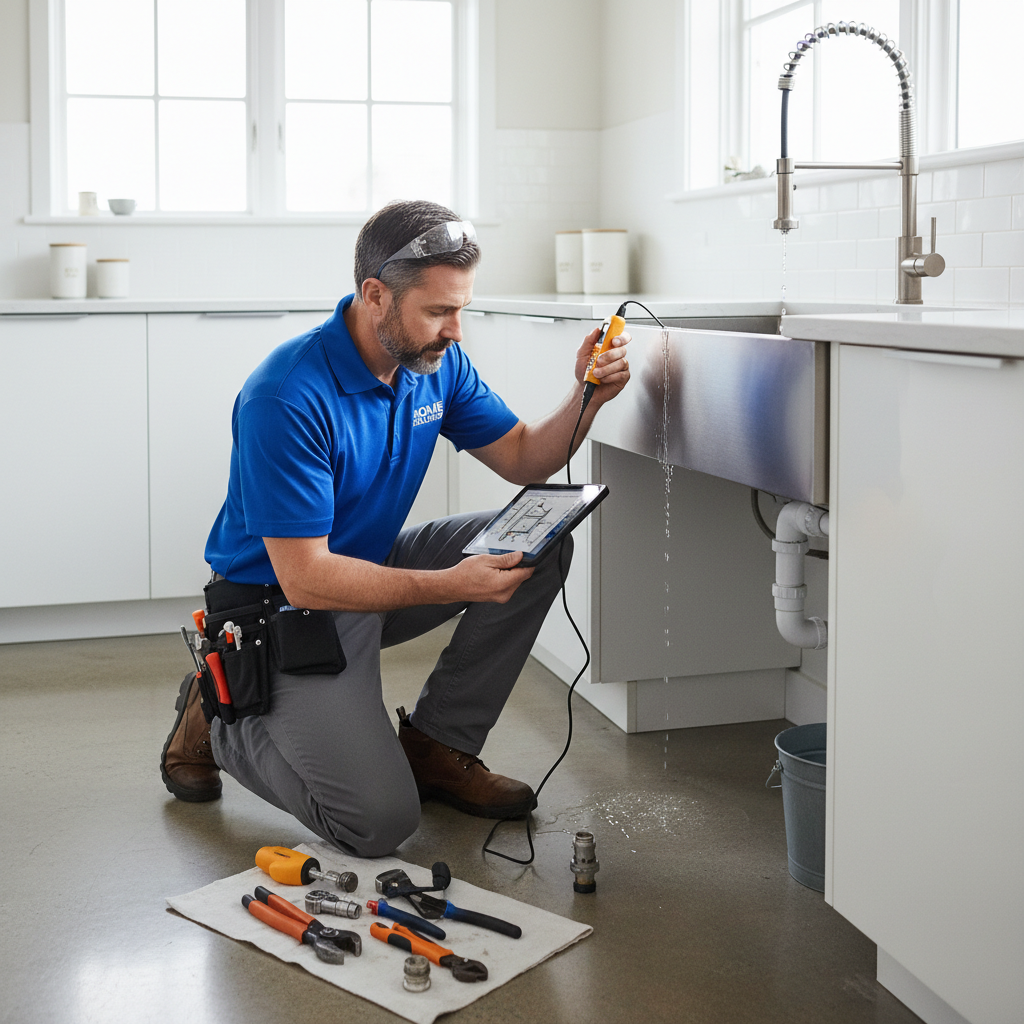
DIY vs Professional Costs
| Repair Type | DIY Cost | Professional Cost | Time Required |
|---|---|---|---|
Replacing Washers/O-Rings (Simple Fix) | $5-25 | $120 - $250 | 30-60 mins |
Replacing a Faucet Cartridge | $20-80 | $150 - $400 | 1-2 hours |
Replacing a Valve Seat | $5-20 | $150 - $350 | 1-2 hours |
Replacing the Whole Dang Faucet | $100-800+ | $250 - $800+ | 2-3 hours |
When to Call a Professional Handyman
- If you cannot identify the source of the leak after taking the faucet apart.
- If the leak persists after you've already replaced the common wear parts like washers or O-rings.
- If the faucet is old, heavily corroded, and feels like it's going to break if you put a wrench on it.
- If the leak is severe, spraying water, or coming from the supply lines under the sink.
- If you are uncomfortable working with plumbing, lack the necessary tools, or are just plain frustrated and want it done right.
Prevention Tips
- Avoid over-tightening faucet handles, which crushes washers and ceramic discs.
- Clean faucet aerators regularly by unscrewing them and rinsing out mineral buildup.
- Use a water softener if you live in an area with hard water to reduce mineral deposits inside the faucet.
- Perform periodic inspections of your faucets for early signs of drips or leaks around the base.
- Turn water supply valves off at the sink if leaving home for an extended period to prevent catastrophic leaks.
Frequently Asked Questions
Related Guides
Comprehensive home winterization to protect property and prevent damage, with a focus on pipes. Troubleshooting & Fixes
Unclogging a Toilet Without a Plunger (Troubleshooting & Fixes from the Field)
Toilet clogged and you don't have a plunger? Don't panic. A 25-year vet shows you how to clear that stubborn clog using stuff you already have.
Repairing Minor Grout Issues: Cracks, Stains & Missing Chunks (Troubleshooting & Fixes)
A veteran handyman's guide to fixing cracked, stained, or missing grout. Learn when to DIY and when to call a pro to keep your tile looking good.
Comprehensive childproofing of a home to ensure safety for infants and young children, covering all potential hazards room-by-room. Troubleshooting & Fixes
Safe and effective pressure washing for home exterior cleaning, balancing DIY benefits against potential dangers and professional advantages. Troubleshooting & Fixes (2024 Guide)
Thinking about pressure washing your house? A 25-year veteran handyman explains the right way to do it, the real costs, and when you should just call a pro.
Installing New Light Fixtures: Safety Tips & Step-by-Step Guide Troubleshooting & Fixes (2024 Guide)
A veteran handyman's no-nonsense guide to safely installing a new light fixture. Get real-world tips, costs, and learn when you need to call a pro.
Need Professional Help?
Find top-rated handyman experts in your area