Quick Answer
The direct answer is good, but could include a brief mention that some main shut-off valves are located outside in a meter box, especially in warmer climates or where basements are uncommon.
Common Symptoms
Possible Causes
Step-by-Step Diagnosis
Step 1
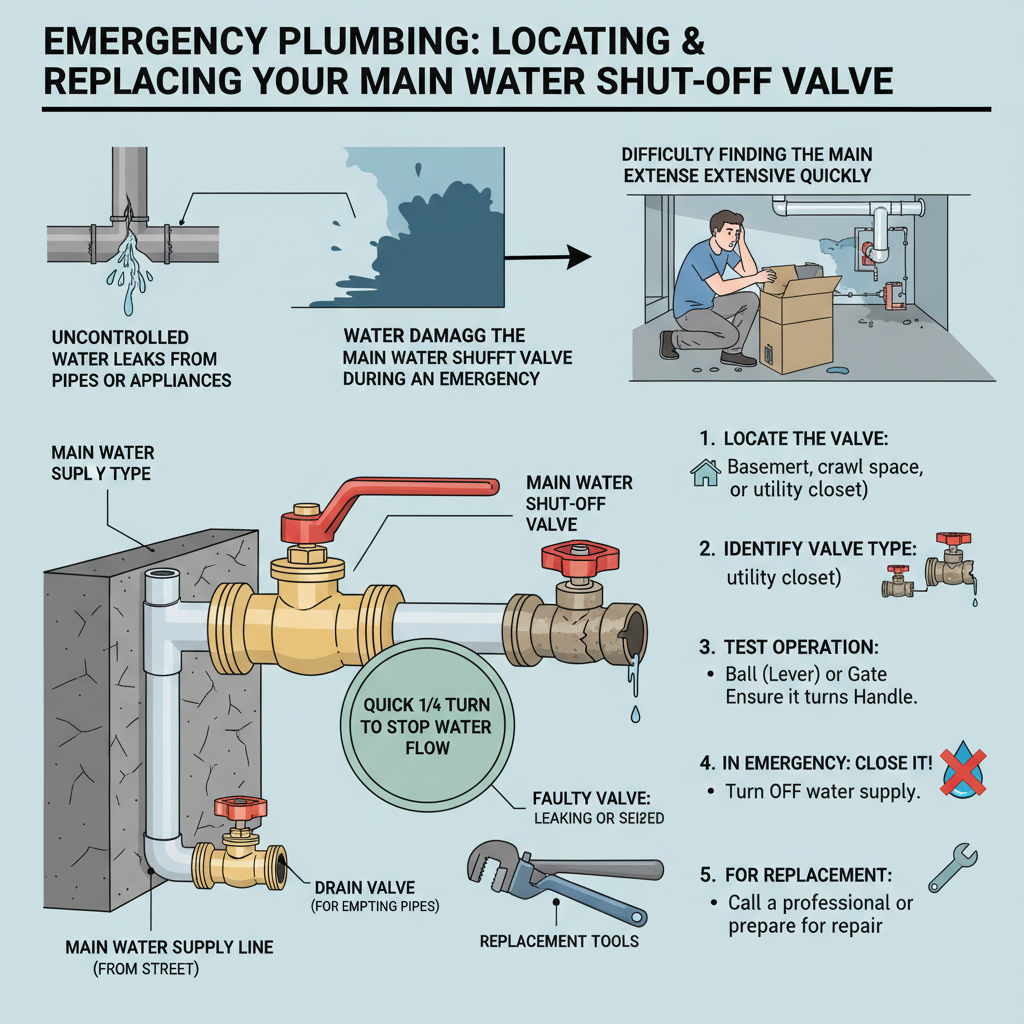
Locate the Main Water Line Entry Point: Start by identifying where the main water line enters your house. This is typically on the side of the house facing the street, in a basement, utility closet, garage, or near the water heater.
Step 2
Identify the Main Shut-Off Valve: Look for a valve on the main water line after it enters the house. It's usually a gate valve (round handle) or a ball valve (lever handle).
Step 3
Check for an Exterior Shut-Off (Water Meter): If an interior valve isn't immediately found, check near your outdoor water meter. There's often a shut-off valve there, though it may require a special wrench and might be the property of the water utility.
Step 4
Attempt to Turn the Valve (if safe): In an emergency, or for testing, try turning the valve. Clockwise for gate valves, perpendicular to the pipe for ball valves. Note any resistance or if it doesn't fully close. Don't force it.
Step 5
Inspect for Leaks Around the Valve: If the issue is with the valve itself, look for drips, corrosion, or signs of water damage directly around the valve body or handle stem.
DIY vs Professional Costs
| Repair Type | DIY Cost | Professional Cost | Time Required |
|---|---|---|---|
Locating and practicing turning the valve | $0 | N/A | 15 minutes |
Applying penetrating oil to a stiff valve | $5-15 | $90-150 (for a trip charge) | 30 minutes |
Tightening packing nut on a gate valve (very minor leak) | $0-5 (for a wrench) | $90-150 (for a trip charge) | 5 minutes |
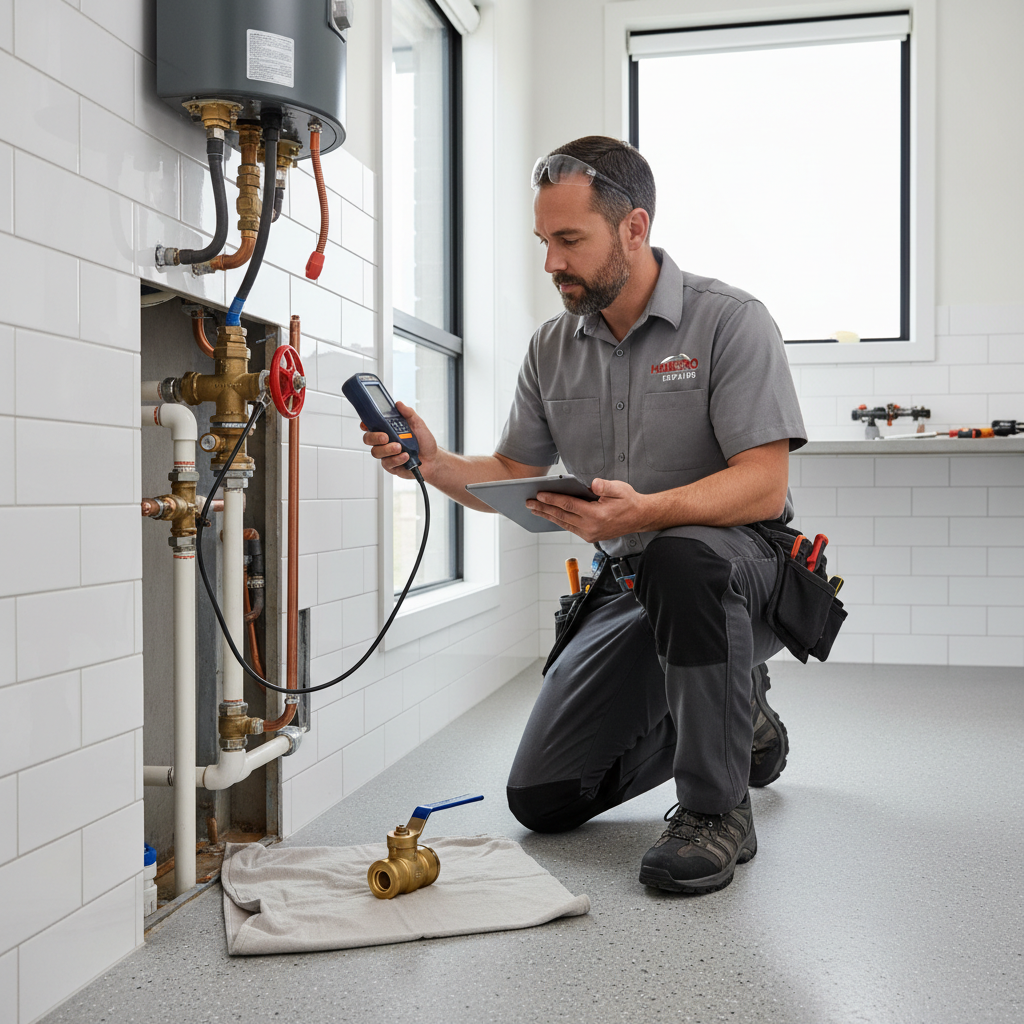
Replacing a main water shut-off valve | $50-150 (HIGHLY NOT RECOMMENDED) | $375-600 | 2-4 hours |
When to Call a Professional Handyman
- If you cannot locate the main water shut-off valve during an active water leak emergency.
- If the main water shut-off valve's handle is broken, spins freely, or is completely stuck.
- If the valve leaks from the handle or body when you try to operate it.
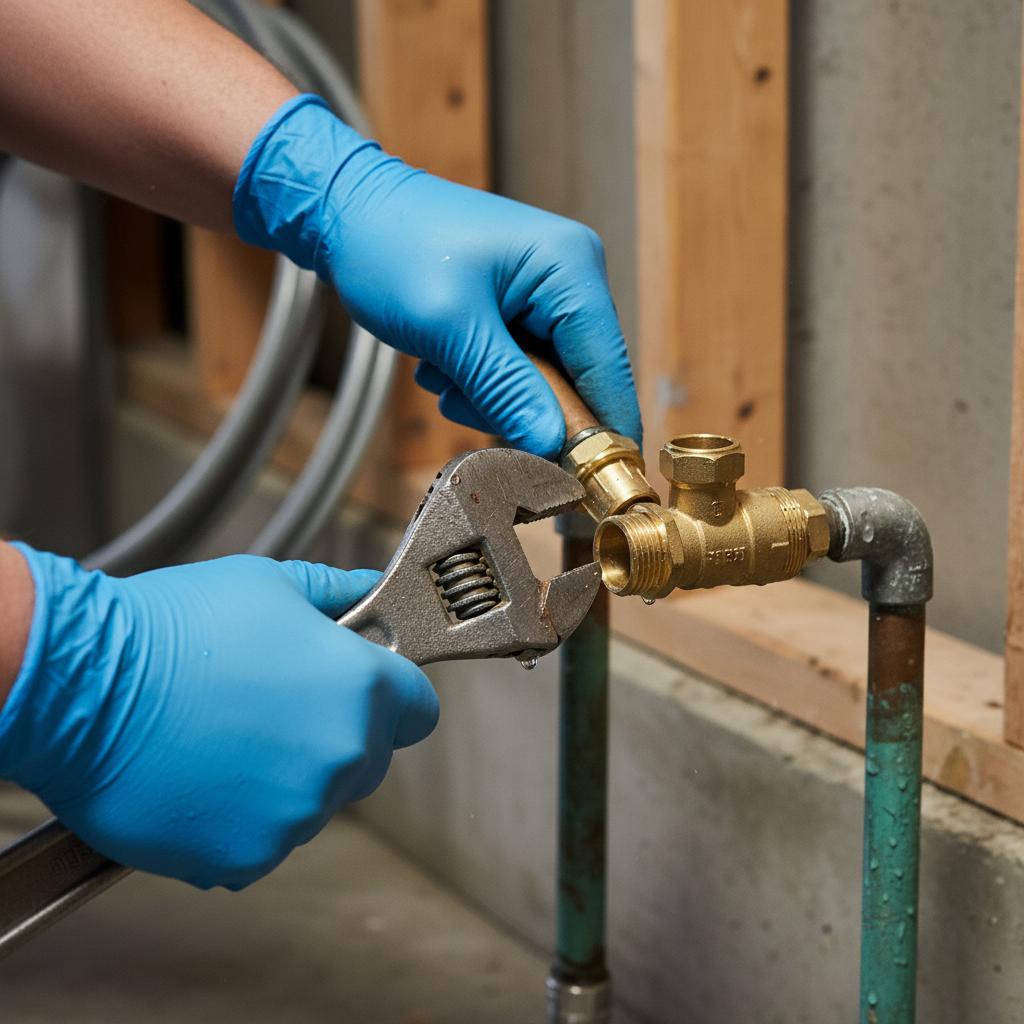
- If you need to replace the main water shut-off valve and are not experienced with soldering copper pipes or using modern press fittings.
- If the shut-off valve is located underground or in an inaccessible location that requires special tools or demolition to reach.
Prevention Tips
- Locate and Label: Immediately find your main water shut-off valve(s) and clearly label them. Show all household members where they are.
- Test Annually: Gently turn your main shut-off valve fully off and then on again once a year to prevent it from seizing. For gate valves, turn it all the way open and then slightly close it a 1/4 turn to prevent it from seizing in the full open position.
- Know Your Valve Type: Understand if you have a gate valve (multi-turn wheel) or a ball valve (quarter-turn lever) and how to properly operate it.
- Upgrade to a Ball Valve: If you have an old gate valve, consider having a plumber replace it with a more reliable quarter-turn ball valve during your next plumbing project.
- Protect from Freezing: Ensure any main water lines and valves in unheated basements, crawlspaces, or exterior walls are properly insulated to prevent freezing and bursting.
Frequently Asked Questions
Related Guides
Comprehensive home winterization to protect property and prevent damage, with a focus on pipes. Troubleshooting & Fixes
Unclogging a Toilet Without a Plunger (Troubleshooting & Fixes from the Field)
Toilet clogged and you don't have a plunger? Don't panic. A 25-year vet shows you how to clear that stubborn clog using stuff you already have.
Repairing Minor Grout Issues: Cracks, Stains & Missing Chunks (Troubleshooting & Fixes)
A veteran handyman's guide to fixing cracked, stained, or missing grout. Learn when to DIY and when to call a pro to keep your tile looking good.
Comprehensive childproofing of a home to ensure safety for infants and young children, covering all potential hazards room-by-room. Troubleshooting & Fixes
Safe and effective pressure washing for home exterior cleaning, balancing DIY benefits against potential dangers and professional advantages. Troubleshooting & Fixes (2024 Guide)
Thinking about pressure washing your house? A 25-year veteran handyman explains the right way to do it, the real costs, and when you should just call a pro.
Installing New Light Fixtures: Safety Tips & Step-by-Step Guide Troubleshooting & Fixes (2024 Guide)
A veteran handyman's no-nonsense guide to safely installing a new light fixture. Get real-world tips, costs, and learn when you need to call a pro.
Need Professional Help?
Find top-rated handyman experts in your area