Quick Answer
Okay, so here's the quick version. Your paint job looks like garbage because the prep work was garbage. Simple as that. 99% of a good paint job happens *before* you even open a can of paint. It's all about cleaning, patching, sanding, and priming. You can fix most of this yourself with about $50-100 in materials and a whole lot of elbow grease. But if you skip the prep again, you'll be right back where you started. Trust me on this one.
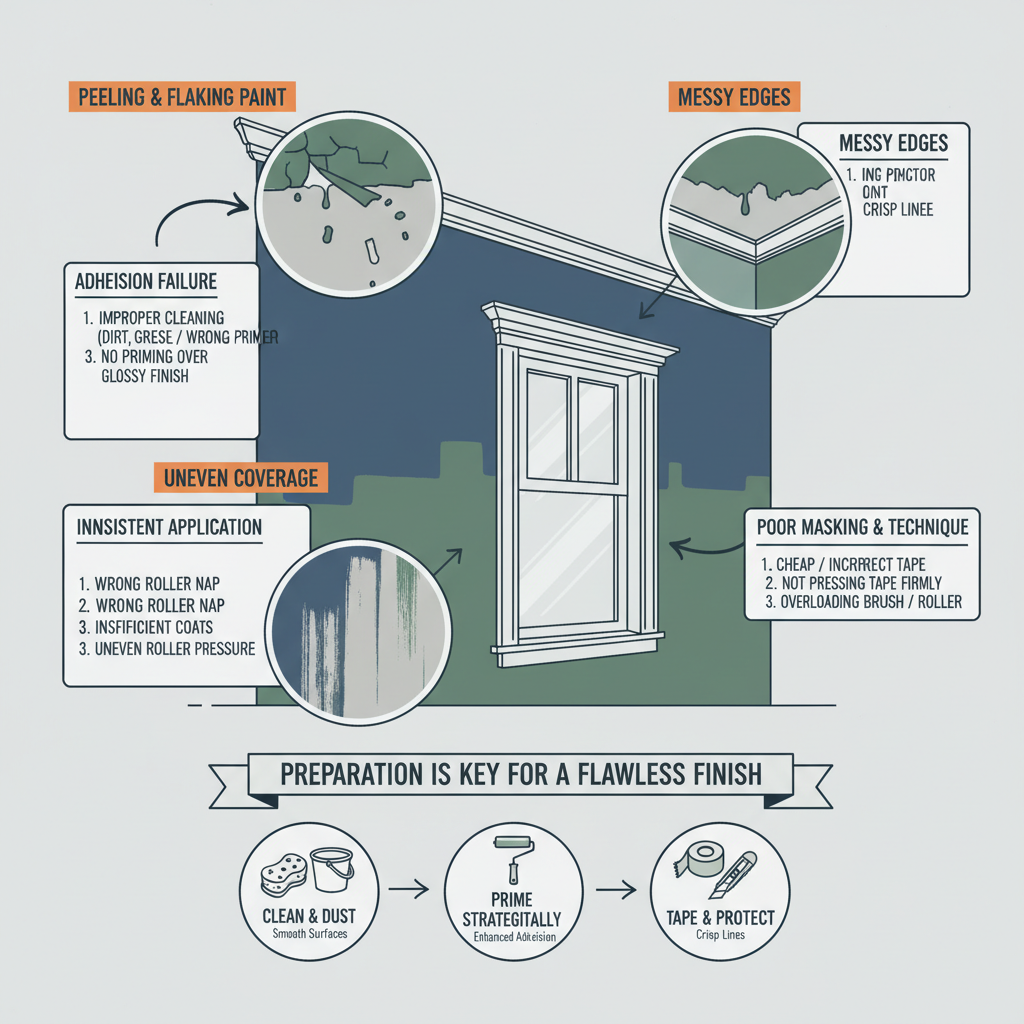
Common Symptoms
Possible Causes
Step-by-Step Diagnosis
Step 1
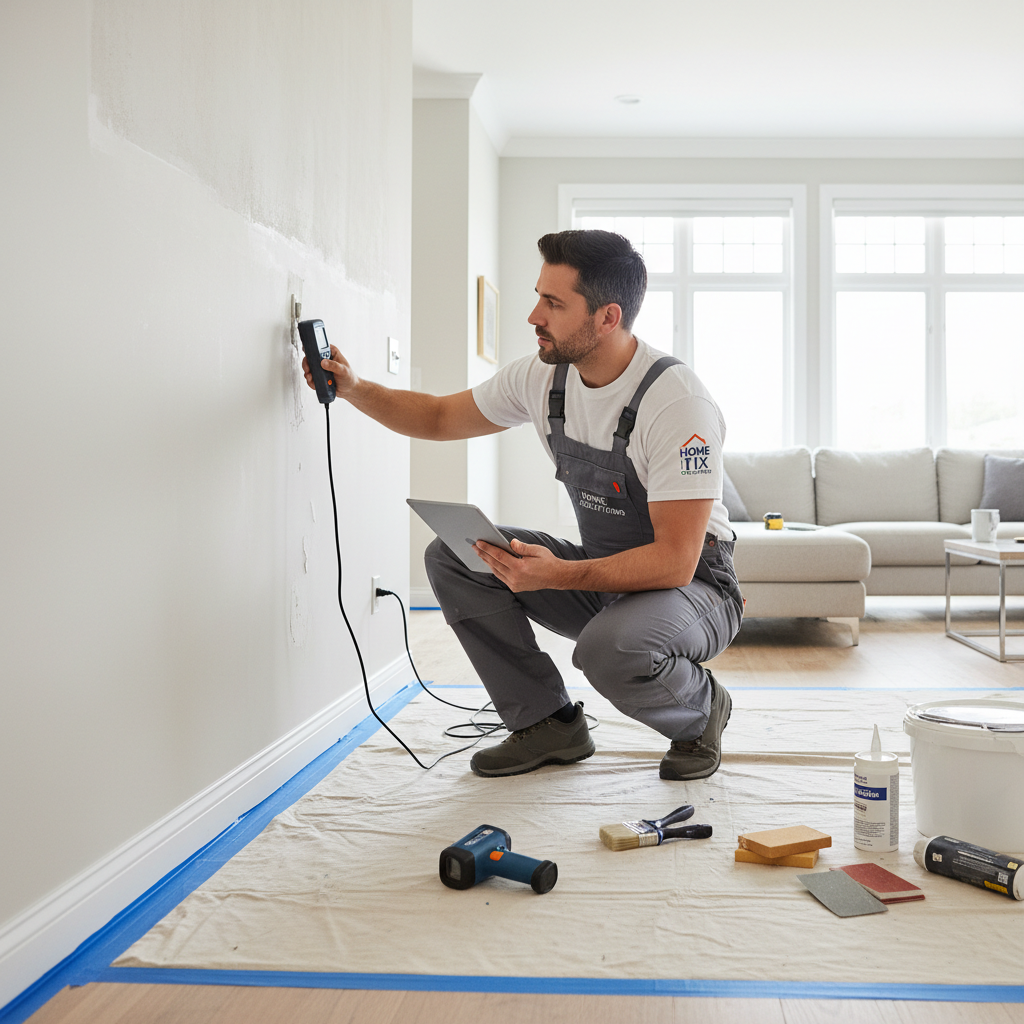
Perform a visual and tactile inspection. Use a flashlight at a low angle to highlight imperfections and run your hand over the wall to feel for roughness.
Step 2
Conduct a scrape test. In an inconspicuous area, gently scratch the surface with a fingernail or putty knife to check for paint adhesion.
Step 3
Evaluate the prep work. Look closely at patched areas for 'flashing' and check for signs of dirt or grime painted over.
Step 4
Examine the cut-in lines. Assess the edges along trim and ceilings for crispness, which indicates proper taping and brushwork.
Step 5
Assess the overall finish. Look for uniformity in color and sheen, noting any streaks, roller marks, or brush strokes.
Step 6
Inquire about the process and conditions. Ask the homeowner about the preparation steps taken and the temperature/humidity during painting.
DIY vs Professional Costs
| Repair Type | DIY Cost | Professional Cost | Time Required |
|---|---|---|---|
Surface Prep (Cleaning, Patching, Sanding) | $20 - $60 | $250 - $650 | 4-8 hours |
Priming a Standard Room (12x12) | $30 - $70 | $250 - $500 | 2-3 hours |
Repainting a Standard Room (Walls Only) | $100 - $250 | $450 - $900 | 6-10 hours |
When to Call a Professional Handyman
- When there is extensive surface damage like large holes, crumbling plaster, or water damage that requires skim coating.
- If you have a home built before 1978 and suspect the presence of lead paint, which requires professional handling.
- For areas that are difficult or dangerous to reach, such as 20-foot ceilings or walls in a stairwell.
- When a previous DIY attempt has already failed and you want the job done right without more frustration.
- If you simply don't have the time or patience for a multi-day project involving extensive prep work.
- For complex jobs with multiple colors, accent walls, or intricate trim that requires a high level of precision.
Prevention Tips
- Thoroughly clean all walls with a TSP substitute or soap and water to remove any contaminants before you start.
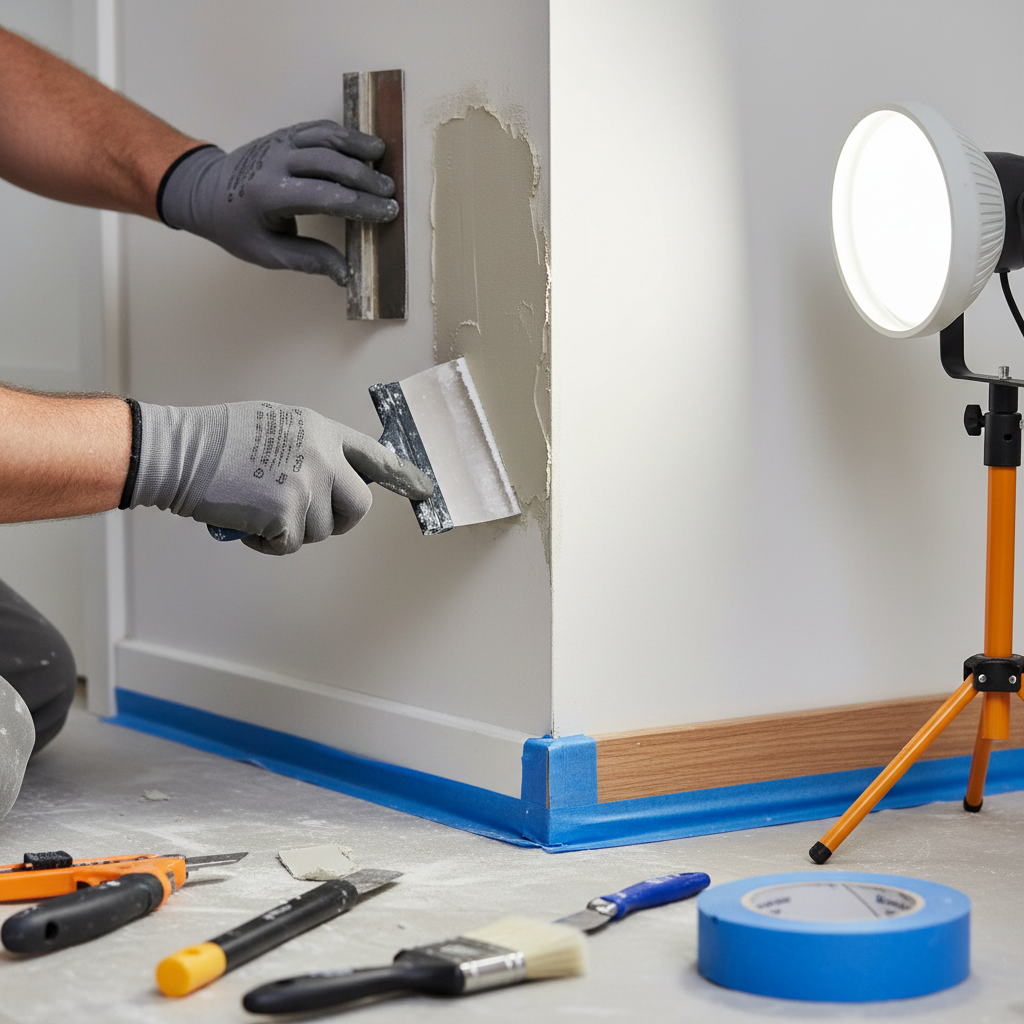
- Patch every hole, crack, and dent, then sand the patches and any rough spots until they are perfectly smooth.
- Always use a high-quality primer over patches, stains, glossy surfaces, or when making a significant color change.
- Invest in good tools: a quality angled brush (Purdy), a sturdy roller frame (Wooster), and good painter's tape (FrogTape).
- Apply paint in thin, even coats using a 'W' pattern with your roller and maintaining a wet edge to avoid marks.
- Allow proper drying time between coats as specified by the paint manufacturer.
- Remove painter's tape while the paint is still slightly tacky, pulling it at a 45-degree angle for the crispest lines.
Frequently Asked Questions
Related Guides
Comprehensive home winterization to protect property and prevent damage, with a focus on pipes. Troubleshooting & Fixes
Unclogging a Toilet Without a Plunger (Troubleshooting & Fixes from the Field)
Toilet clogged and you don't have a plunger? Don't panic. A 25-year vet shows you how to clear that stubborn clog using stuff you already have.
Repairing Minor Grout Issues: Cracks, Stains & Missing Chunks (Troubleshooting & Fixes)
A veteran handyman's guide to fixing cracked, stained, or missing grout. Learn when to DIY and when to call a pro to keep your tile looking good.
Comprehensive childproofing of a home to ensure safety for infants and young children, covering all potential hazards room-by-room. Troubleshooting & Fixes
Safe and effective pressure washing for home exterior cleaning, balancing DIY benefits against potential dangers and professional advantages. Troubleshooting & Fixes (2024 Guide)
Thinking about pressure washing your house? A 25-year veteran handyman explains the right way to do it, the real costs, and when you should just call a pro.
Installing New Light Fixtures: Safety Tips & Step-by-Step Guide Troubleshooting & Fixes (2024 Guide)
A veteran handyman's no-nonsense guide to safely installing a new light fixture. Get real-world tips, costs, and learn when you need to call a pro.
Need Professional Help?
Find top-rated handyman experts in your area