Quick Answer
Okay so here's the quick version. You got new insulation and now your attic's a dust bowl. Nine times out of ten, it’s not the insulation itself, it's air leaks. The new insulation changed the airflow, and now it's sucking dusty air from your house and stirring up old construction crud. Sealing those gaps is the real fix. You can try some basic sealing yourself for under $100, but a pro job to find 'em all might run you $500 to $2,000. Don't just live with it, it's not good for you or your HVAC system.
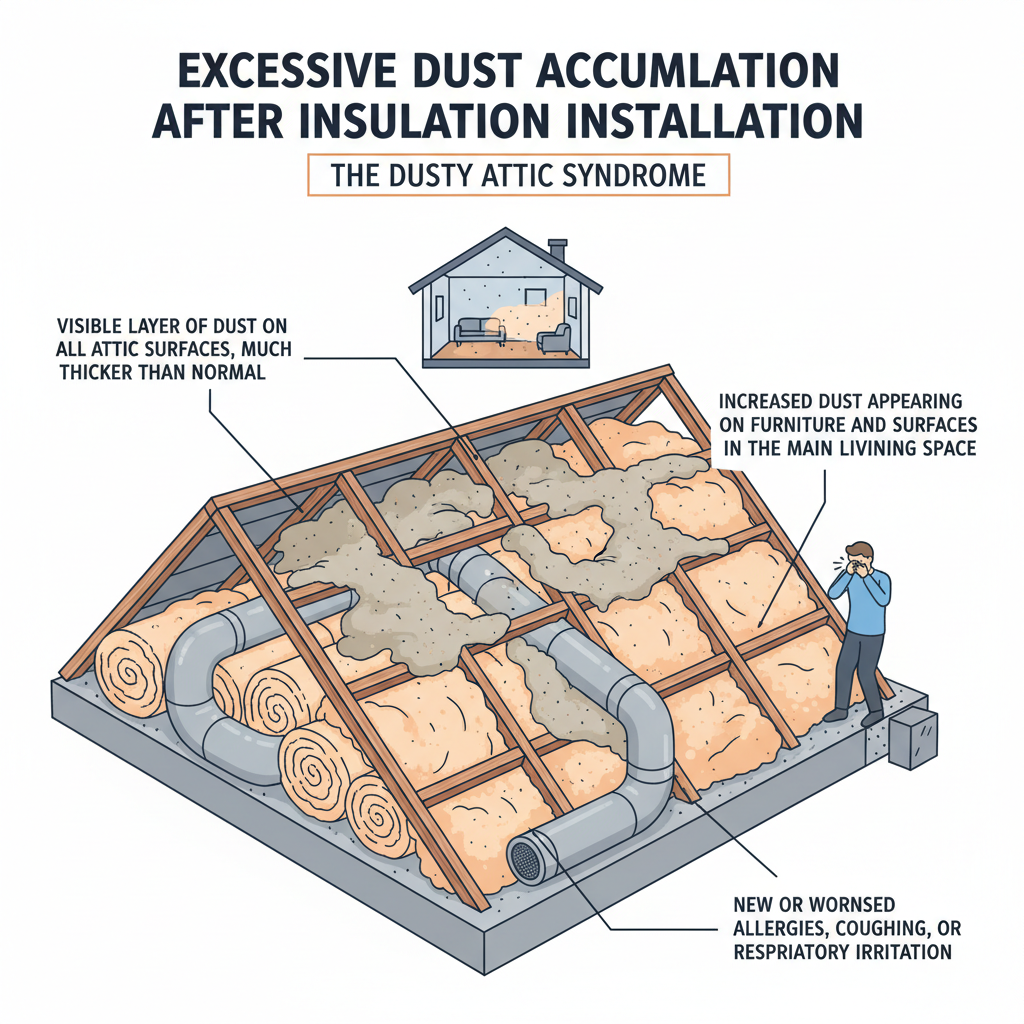
Common Symptoms
Possible Causes
Step-by-Step Diagnosis
Step 1
Visual Inspection - With a proper mask and bright flashlight, check for the dust's location, thickness, and type (fibrous vs. fine).
Step 2
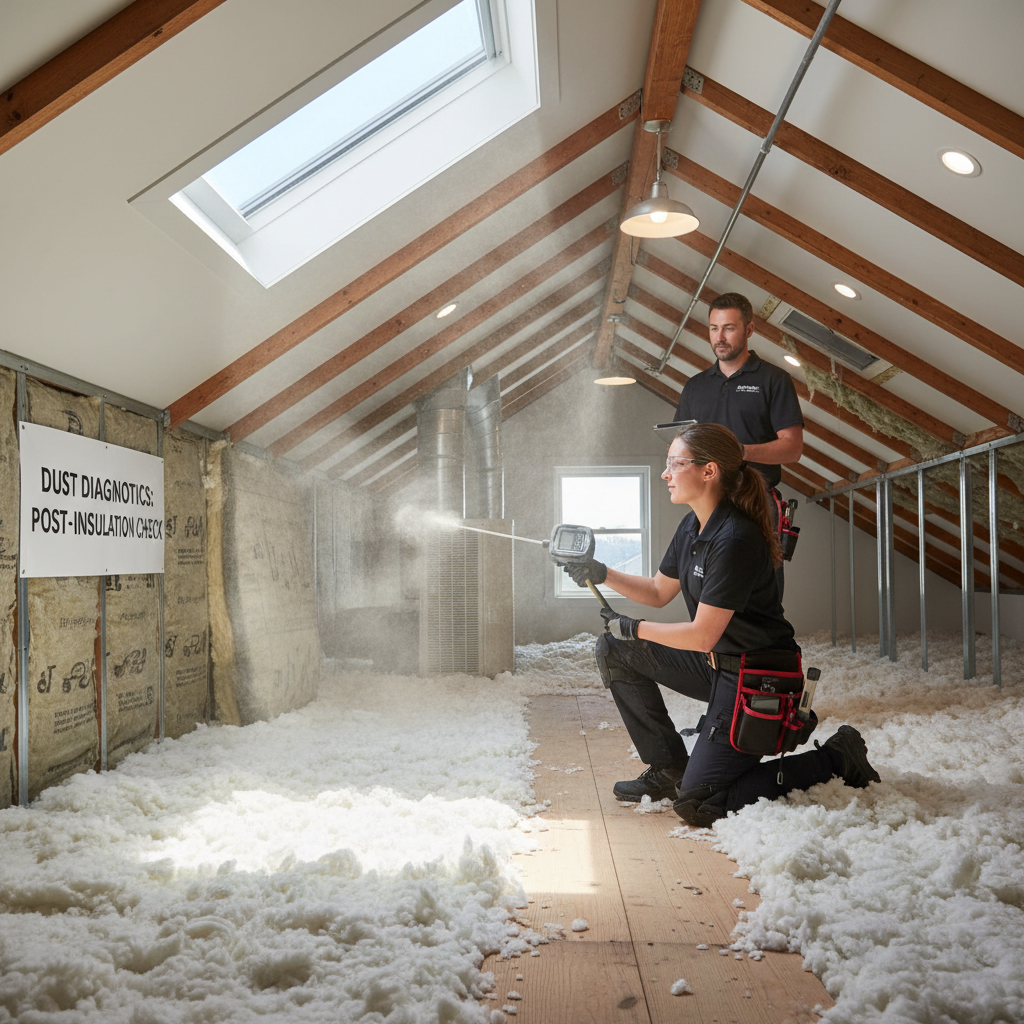
Air Leak Hunt - Use a smoke pencil or incense stick near penetrations (pipes, wires, lights) to see if the smoke is disturbed, indicating an air leak.
Step 3
Ductwork Check - With the HVAC fan on, run your hand along duct seams to feel for air leaks, and look for dust streaks on the duct exterior.
Step 4
Ventilation Assessment - Check soffit vents at the attic's edge to ensure they are not blocked by insulation and that air can flow freely.
Step 5
Pest Check - Look for signs of pests like droppings, nests, or tunnels in the insulation.
DIY vs Professional Costs
| Repair Type | DIY Cost | Professional Cost | Time Required |
|---|---|---|---|
Basic DIY Air Sealing | $30-150 | N/A | 3-6 hours |
Comprehensive Pro Air Sealing | Not Recommended | $500-2,500 | 1 day |
Professional Attic Cleaning | $50-200 (basic) | $1,000-5,000 | 1-2 days |
When to Call a Professional Insulation
- If the dust problem persists or returns quickly after your DIY cleaning and sealing attempts.
- If you see or smell anything that suggests mold growth; don't disturb it.
- When you find evidence of a significant or active pest infestation like rodents or insects.
- If you notice drafts or temperature inconsistencies, pointing to major air leaks that need an energy audit to find.
- If anyone in the home is experiencing new or worsening respiratory issues or severe allergies.
Prevention Tips
- Insist on thorough air sealing of the attic floor (all penetrations) BEFORE new insulation is installed.
- Ensure the contractor installs baffles to keep soffit vents clear and maintain proper attic airflow.
- Have all HVAC ductwork in the attic sealed with mastic sealant, not just tape, before burying it in insulation.
- Choose a contractor who includes attic cleanup as part of their process, removing old debris before blowing new material.
- Address any existing pest issues with an exterminator prior to starting any insulation work.
Frequently Asked Questions
Related Guides
House Remains Cold After Insulation? Troubleshooting Drafts & Hidden Leaks (A Pro's Guide)
Still freezing after adding more insulation? Your problem isn't the insulation, it's hidden air leaks. A 25-year vet explains how to find and fix them.
Ineffective Insulation Troubleshooting & Fixes (2024 Guide)
Feeling cold drafts or seeing huge energy bills? Your home's insulation is probably failing. Here’s a vet tech's guide to finding and fixing the problem.
Ensuring proper attic ventilation after adding insulation to maintain indoor air quality, energy efficiency, and prevent moisture issues. Troubleshooting & Fixes (2024 Guide)
Just added insulation and now have issues? I'll show you how to fix attic ventilation problems, prevent mold, and lower your energy bills. A veteran tech's guide.
Crawl Space Issues Troubleshooting & Fixes (2024 Guide from a Pro)
A veteran tech explains crawl space moisture, mold, and damage. Learn the real causes of musty smells and high energy bills, and how to fix them for good.
Ineffective or insufficient home insulation leading to high energy bills, drafts, and uncomfortable indoor temperatures, often due to aging, improper installation, or inadequate R-value for the climate. Troubleshooting & Fixes
Feeling high energy bills & uncomfortable rooms? Your home insulation might be failing. A veteran tech's guide to diagnosing and fixing it for good.
Identifying insulation gaps and air leaks through a home energy audit to improve energy efficiency, leading to higher utility bills and reduced comfort. Troubleshooting & Fixes
Feeling drafts or seeing high energy bills? Learn to identify and fix insulation gaps and air leaks with our comprehensive home energy audit troubleshooting guide.
Need Professional Help?
Find top-rated insulation experts in your area