Quick Answer
Okay, so here's the quick version. If your house has cold spots or you're feeling drafts, nine times out of ten it's because your wall insulation is old, settled, or was never there to begin with. Air leaks are the other big culprit. You can fix the simple stuff like sealing outlets and windows for under $50. But if the problem is inside the walls, you're looking at professional help for blown-in insulation, which can run anywhere from $2,000 to $7,000 or more depending on the size of your house and the type of insulation. It's a real investment, but so is your heating bill.
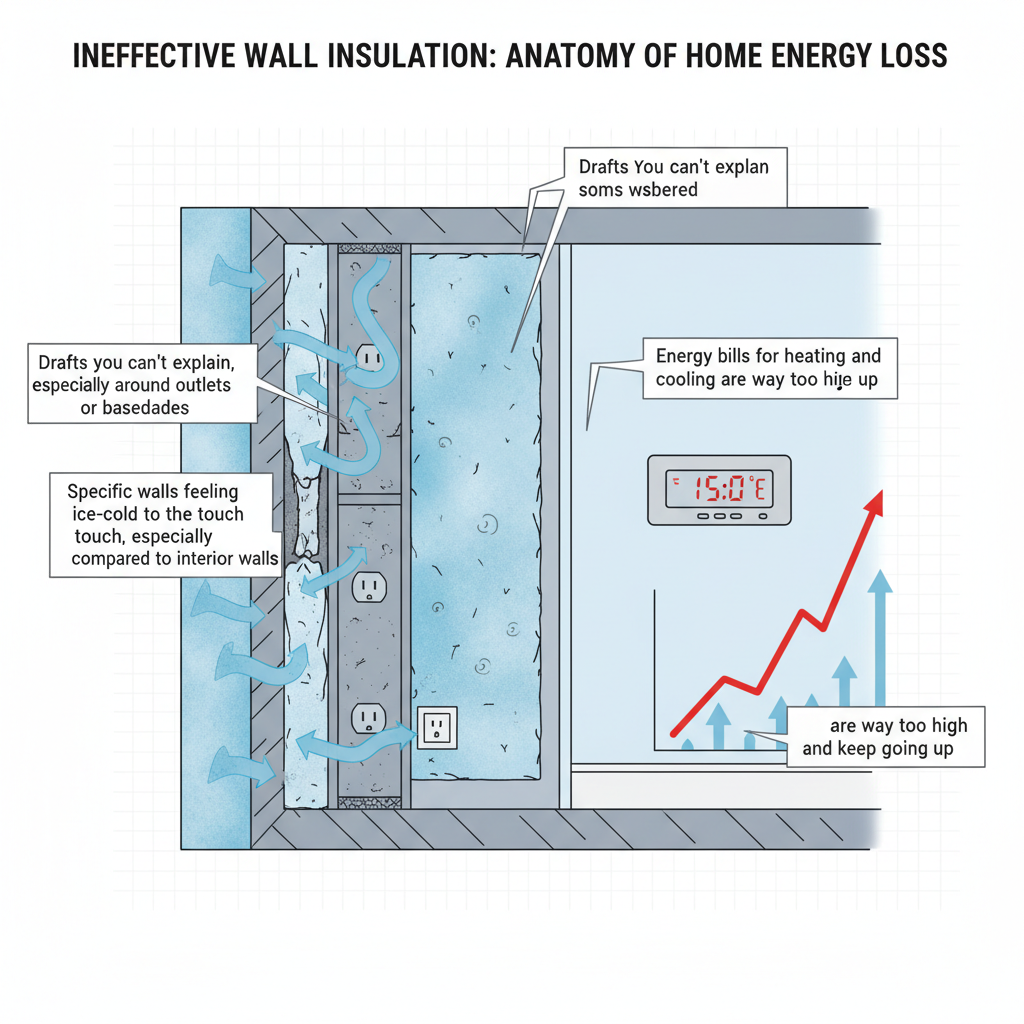
Common Symptoms
Possible Causes
Step-by-Step Diagnosis
Step 1
Do a visual and touch inspection. Feel the walls for cold spots and look for obvious cracks and gaps in caulk around windows, doors, and baseboards.
Step 2
On a windy day, light an incense stick and hold it near potential leak spots like outlets and window frames. If the smoke wavers, you've found a draft.
Step 3
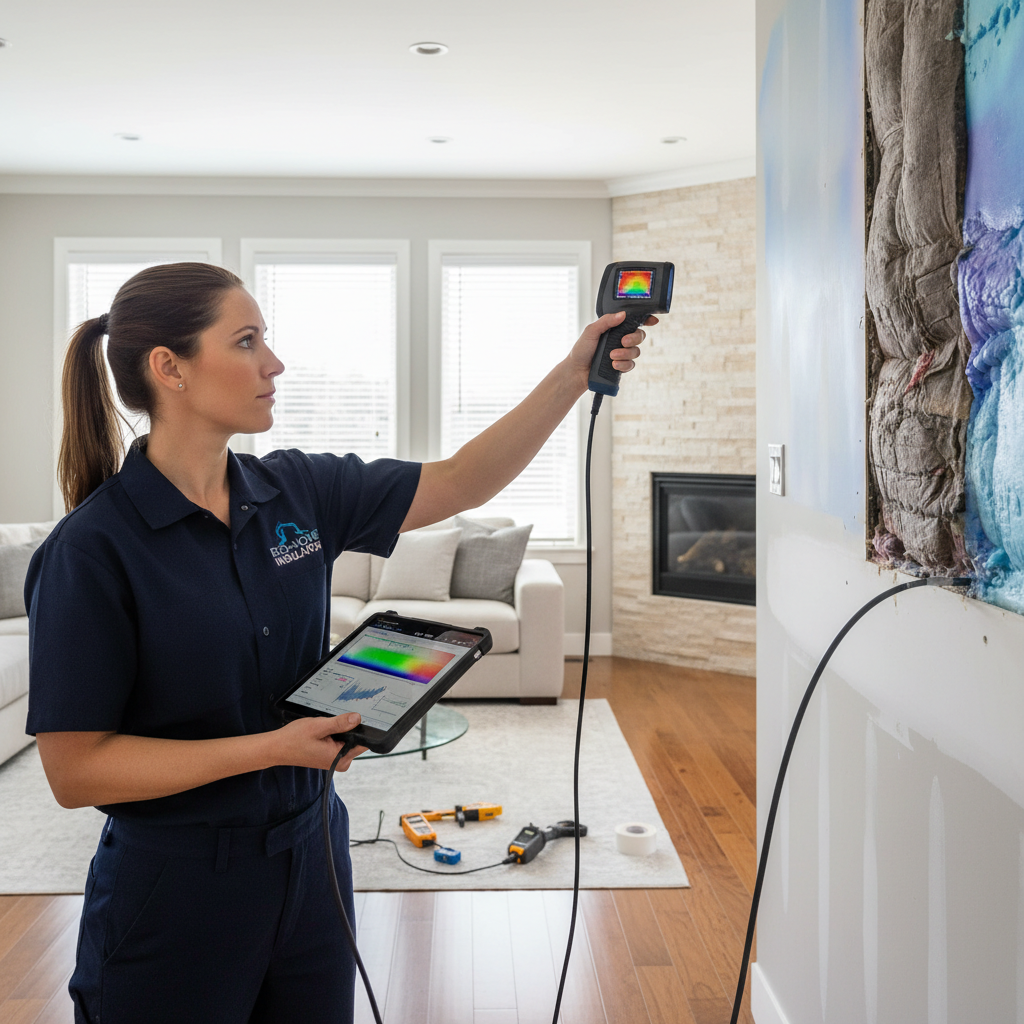
Use an infrared thermometer to scan the walls. Point and shoot at different spots to find specific cold areas that indicate missing insulation.
Step 4
If you have access, inspect the tops of your walls from the attic and the bottom of your walls (rim joist) from the basement or crawlspace for visible signs of missing insulation.
Step 5
For a definitive diagnosis, hire a pro for a home energy audit with a blower door test. It's the only way to find every single leak.
DIY vs Professional Costs
| Repair Type | DIY Cost | Professional Cost | Time Required |
|---|---|---|---|
Seal Air Leaks (Caulk & Gaskets) | $20 - $100 | $200 - $800 | 4-8 hours |
Insulate Rim Joists (Basement) | $150 - $400 | $750 - $2,000 | 1 day |
Blown-In Wall Insulation | $500 - $1,500+ (rental/materials) | $2,000 - $7,000+ | 1-2 days |
Professional Energy Audit | N/A | $300 - $600 | 2-4 hours |
When to Call a Professional Insulation
- You've already sealed all the obvious air leaks with caulk and foam gaskets, but the walls still feel like an icebox.
- When you see any signs of moisture, water stains, or smell a musty odor near the cold spots. This could mean mold, which you don't want to mess with.
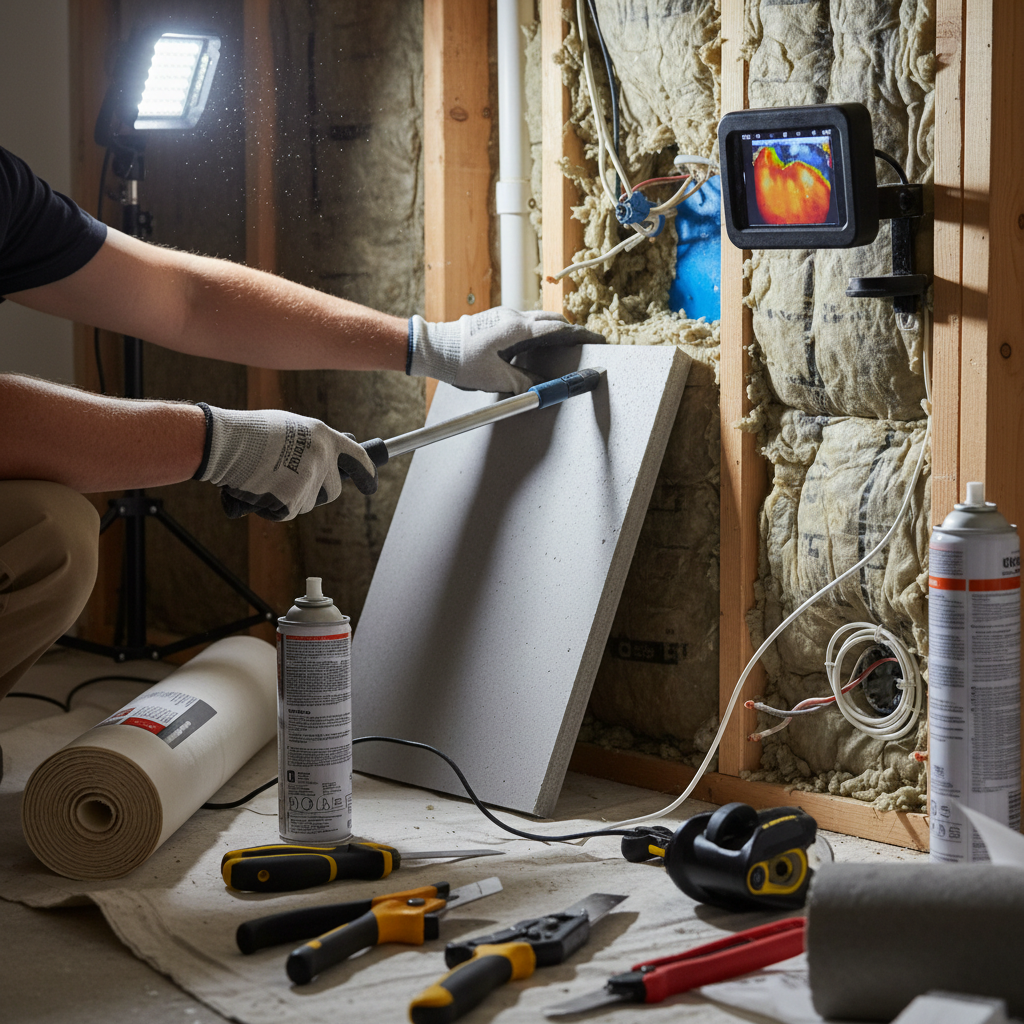
- If you need to add insulation to existing, closed-off walls. A professional with a blower machine can do the job much faster and more effectively than a DIY attempt.
- When you want a complete picture of your home's energy loss. A professional energy audit with a blower door test is the only way to find all the hidden problems.
Prevention Tips
- Regularly inspect and re-apply exterior caulk around windows, doors, and any pipe or wire penetrations. Don't let small cracks turn into big leaks.
- Install cheap foam gaskets behind all electrical outlet and switch covers on your exterior walls. It's easy and effective.
- Control indoor humidity by using bathroom and kitchen exhaust fans to prevent moisture from getting into wall cavities and ruining your insulation.
- If you're doing a renovation that opens up a wall, take the opportunity to upgrade the insulation with professionally installed spray foam or dense-packed cellulose.
Frequently Asked Questions
Related Guides
House Remains Cold After Insulation? Troubleshooting Drafts & Hidden Leaks (A Pro's Guide)
Still freezing after adding more insulation? Your problem isn't the insulation, it's hidden air leaks. A 25-year vet explains how to find and fix them.
Ineffective Insulation Troubleshooting & Fixes (2024 Guide)
Feeling cold drafts or seeing huge energy bills? Your home's insulation is probably failing. Here’s a vet tech's guide to finding and fixing the problem.
Ensuring proper attic ventilation after adding insulation to maintain indoor air quality, energy efficiency, and prevent moisture issues. Troubleshooting & Fixes (2024 Guide)
Just added insulation and now have issues? I'll show you how to fix attic ventilation problems, prevent mold, and lower your energy bills. A veteran tech's guide.
Crawl Space Issues Troubleshooting & Fixes (2024 Guide from a Pro)
A veteran tech explains crawl space moisture, mold, and damage. Learn the real causes of musty smells and high energy bills, and how to fix them for good.
Ineffective or insufficient home insulation leading to high energy bills, drafts, and uncomfortable indoor temperatures, often due to aging, improper installation, or inadequate R-value for the climate. Troubleshooting & Fixes
Feeling high energy bills & uncomfortable rooms? Your home insulation might be failing. A veteran tech's guide to diagnosing and fixing it for good.
Identifying insulation gaps and air leaks through a home energy audit to improve energy efficiency, leading to higher utility bills and reduced comfort. Troubleshooting & Fixes
Feeling drafts or seeing high energy bills? Learn to identify and fix insulation gaps and air leaks with our comprehensive home energy audit troubleshooting guide.
Need Professional Help?
Find top-rated insulation experts in your area