Quick Answer
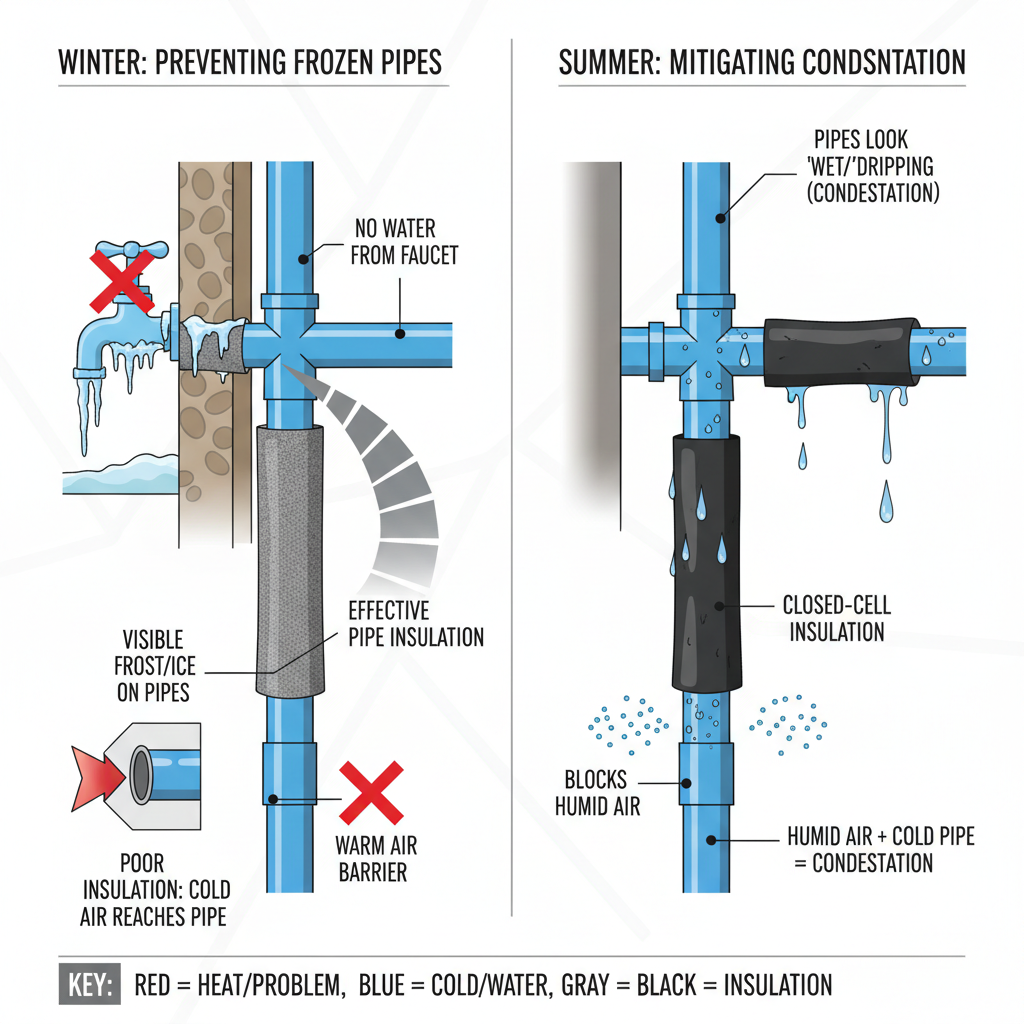
Okay, so here's the quick version. Your pipes are either freezing in winter or sweating nonstop in summer because they're not insulated correctly, especially in unconditioned spaces like crawlspaces, basements, or attics. Nine times out of ten, this is the root cause. For maybe $20-$100 in foam pipe sleeves or other insulation from any hardware store and an afternoon of your time, you can probably fix most of it yourself. If a pipe has already burst, turn the water off immediately and call a plumber fast—you're looking at a much bigger bill, easily $500-$2500+. A little prevention saves a world of hurt. Trust me.
Common Symptoms
Possible Causes
Step-by-Step Diagnosis
Step 1
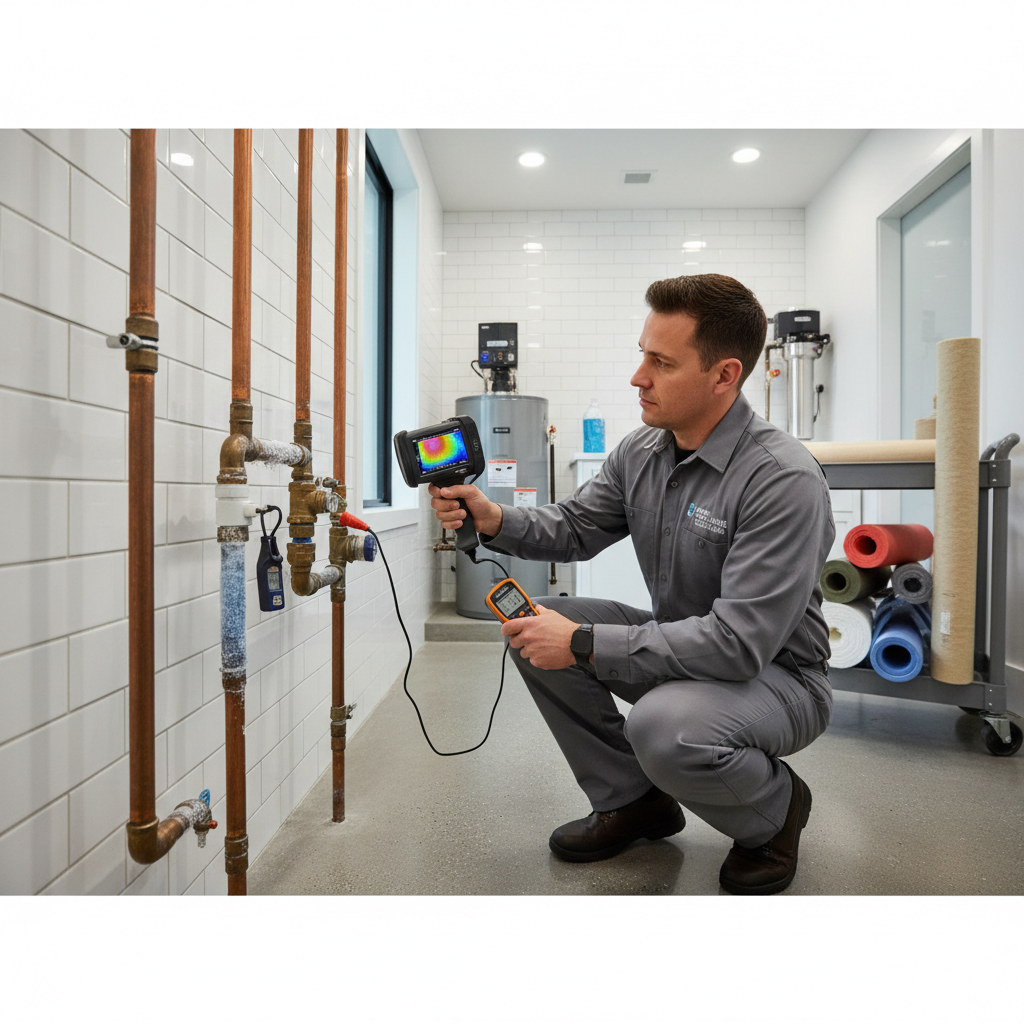
Go look. Head to your basement, crawl space, or attic and visually inspect the pipes. Look for any bare copper or PEX.
Step 2
Check for drafts. Run your hand along foundation walls and where pipes enter the house. If you feel cold air, you've found a problem spot.
Step 3
During a freeze, carefully touch the pipes. If you find a section that's way colder than the rest, you're close to an ice blockage.
Step 4
In the summer, identify which pipes are 'sweating' the most. It's usually the main cold water line and the lines to toilets.
Step 5
If you have no water and can't find a visible freeze, try opening cabinet doors under sinks to let warm air circulate. If that doesn't work after a few hours, the freeze is likely inside a wall.
DIY vs Professional Costs
| Repair Type | DIY Cost | Professional Cost | Time Required |
|---|---|---|---|
Adding Foam Pipe Sleeves | $20 - $100 | $250 - $600 | 2-4 hours |
Applying Heat Tape/Cables | $50 - $200 | $350 - $750 | 2-3 hours |
Thawing a Frozen (not burst) Pipe | $10 - $100 | $150 - $350 | 1-3 hours |
Sealing Air Gaps & Drafts | $10 - $30 | $100 - $250 | 1-2 hours |
Repairing a Burst Pipe | NOT a DIY job | $500 - $2,500+ | 3-8+ hours |
When to Call a Professional Insulation
- If a pipe has already burst and is spraying water. Shut off the main water valve and call immediately.
- If you can see that a pipe is bulging or has a visible crack, but hasn't fully burst yet. Don't touch it.
- If you have no water but can't find the frozen section in any of the visible pipes. It's likely inside a wall.
- If the problem pipes are in a location that's extremely difficult or dangerous to access.
- If you're not comfortable working with electrical heat tape and want it installed correctly and safely.
- If you see significant water damage like sagging ceilings or soft floors, which means the problem is bigger than just the pipe.
Prevention Tips
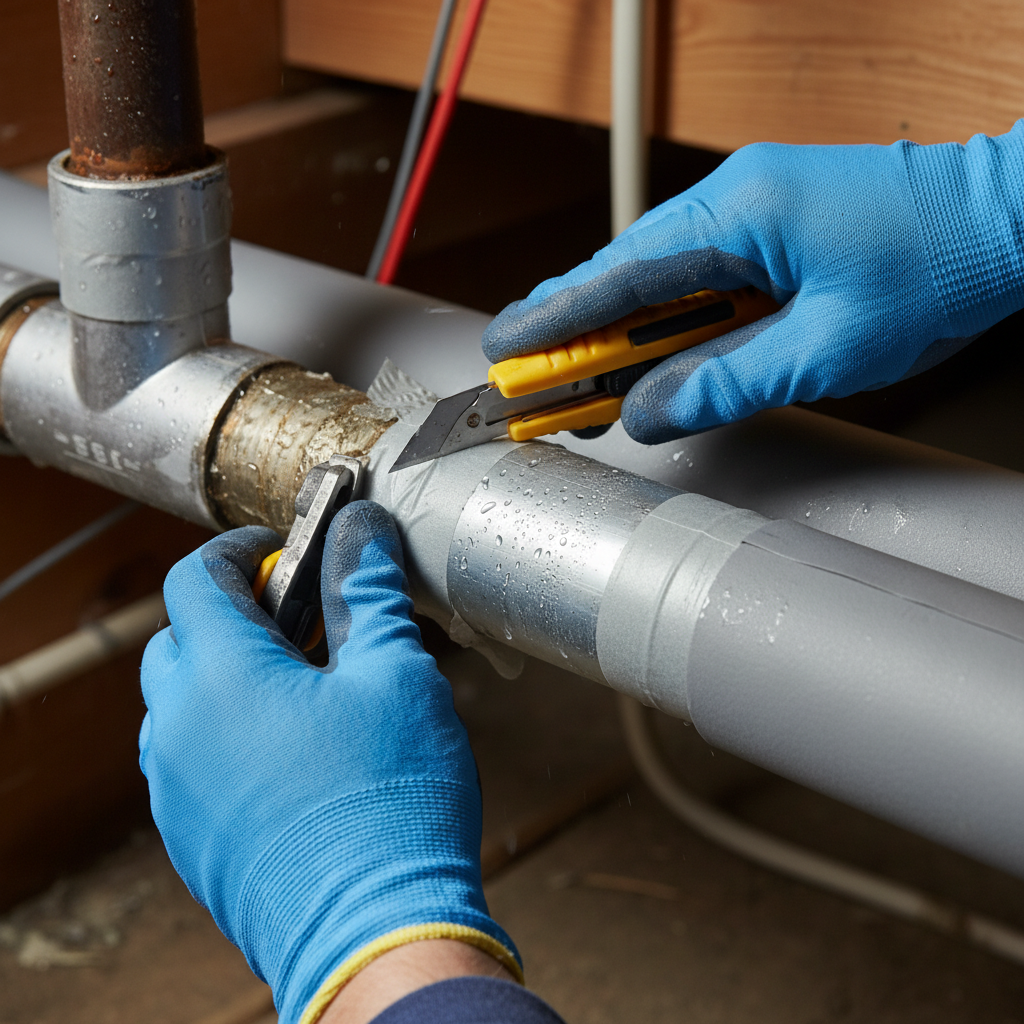
- Insulate every accessible pipe in unheated areas. Use foam sleeves and tape the seams shut. It's the cheapest, most effective thing you can do.
- Before the first freeze, disconnect all your garden hoses from outdoor spigots and drain them.
- Use a can of spray foam to seal any cracks or holes in your foundation, especially where pipes and wires enter the house.
- During extreme cold snaps, open the cabinet doors under your sinks to allow warm air to circulate around the pipes.
- If you're really worried about a deep freeze, let the faucet furthest from your water main drip slightly to keep water moving.
- Never set your thermostat below 60°F in the winter, even when you're on vacation.
Frequently Asked Questions
Related Guides
House Remains Cold After Insulation? Troubleshooting Drafts & Hidden Leaks (A Pro's Guide)
Still freezing after adding more insulation? Your problem isn't the insulation, it's hidden air leaks. A 25-year vet explains how to find and fix them.
Ineffective Insulation Troubleshooting & Fixes (2024 Guide)
Feeling cold drafts or seeing huge energy bills? Your home's insulation is probably failing. Here’s a vet tech's guide to finding and fixing the problem.
Ensuring proper attic ventilation after adding insulation to maintain indoor air quality, energy efficiency, and prevent moisture issues. Troubleshooting & Fixes (2024 Guide)
Just added insulation and now have issues? I'll show you how to fix attic ventilation problems, prevent mold, and lower your energy bills. A veteran tech's guide.
Crawl Space Issues Troubleshooting & Fixes (2024 Guide from a Pro)
A veteran tech explains crawl space moisture, mold, and damage. Learn the real causes of musty smells and high energy bills, and how to fix them for good.
Ineffective or insufficient home insulation leading to high energy bills, drafts, and uncomfortable indoor temperatures, often due to aging, improper installation, or inadequate R-value for the climate. Troubleshooting & Fixes
Feeling high energy bills & uncomfortable rooms? Your home insulation might be failing. A veteran tech's guide to diagnosing and fixing it for good.
Identifying insulation gaps and air leaks through a home energy audit to improve energy efficiency, leading to higher utility bills and reduced comfort. Troubleshooting & Fixes
Feeling drafts or seeing high energy bills? Learn to identify and fix insulation gaps and air leaks with our comprehensive home energy audit troubleshooting guide.
Need Professional Help?
Find top-rated insulation experts in your area