Quick Answer
Okay, so here's the quick version. You blew a mountain of insulation in the attic and you're still freezing. It drives me crazy when I see this. Here's the deal: insulation is like a wool sweater, but air leaks are like having holes in that sweater. Your problem ain't the insulation, it's the drafts. Nine times out of ten, you have air pouring in from your basement or crawlspace (the rim joist is a huge culprit), up through your walls, and out the attic. It's called the 'stack effect.' We need to find and plug those holes, a job called air sealing. You can do some yourself for under $100, or a pro can do the whole house for $500 to $2,000.
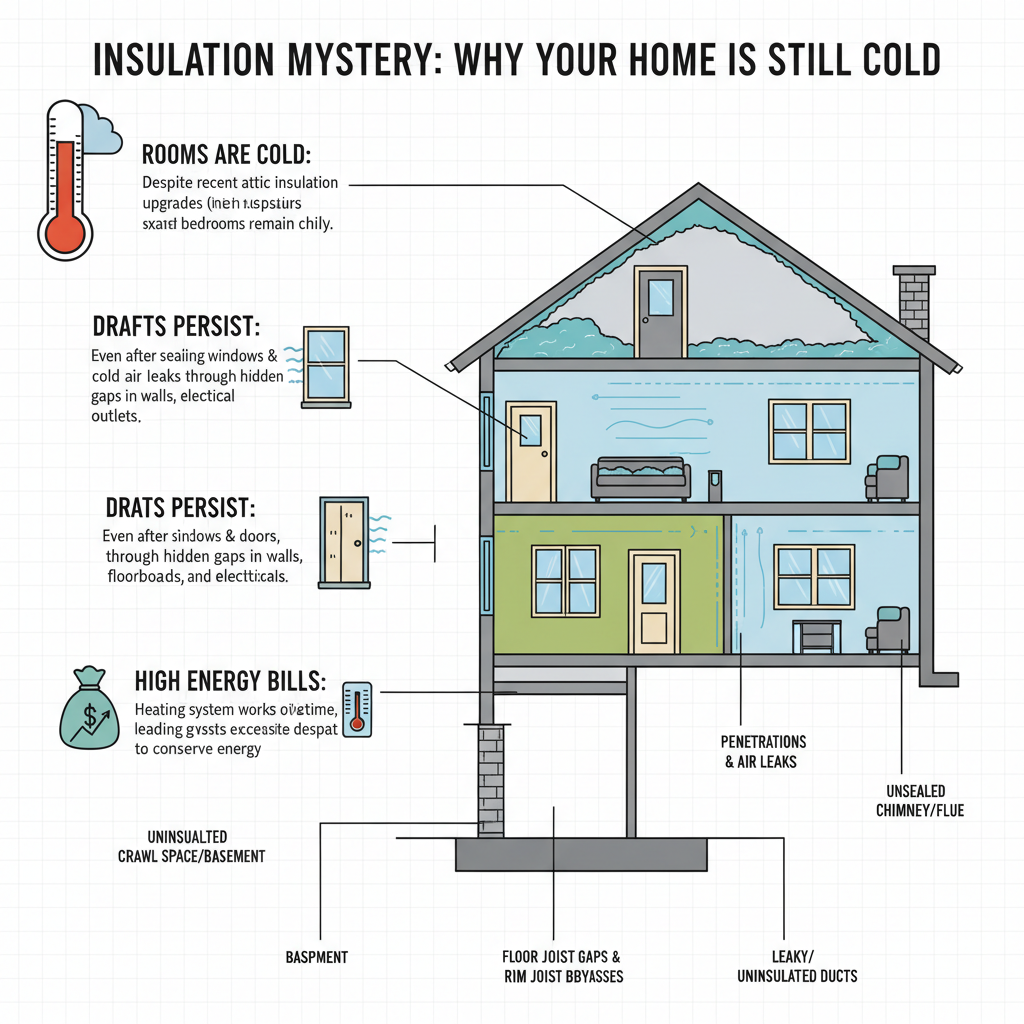
Common Symptoms
Possible Causes
Step-by-Step Diagnosis
Step 1
Do a visual inspection for obvious gaps around window frames, door frames, baseboards, and any place a pipe or wire goes through a wall.
Step 2
Use the 'dollar bill test' by closing a door or window on a bill. If you can pull it out with no resistance, the seal is bad.
Step 3
Perform a 'smoke test' by holding a lit incense stick near suspected leak areas on a windy day. If the smoke is disturbed or sucked into a gap, you've found a leak.
Step 4
On a cold day, use the back of your hand to feel for cold air currents near exterior walls, outlets, and windows.
Step 5
Inspect your attic hatch and any other access points to make sure they are insulated and sealed with weatherstripping.
Step 6
Examine recessed lighting fixtures, as older models are often a major source of air leakage into the attic.
Step 7
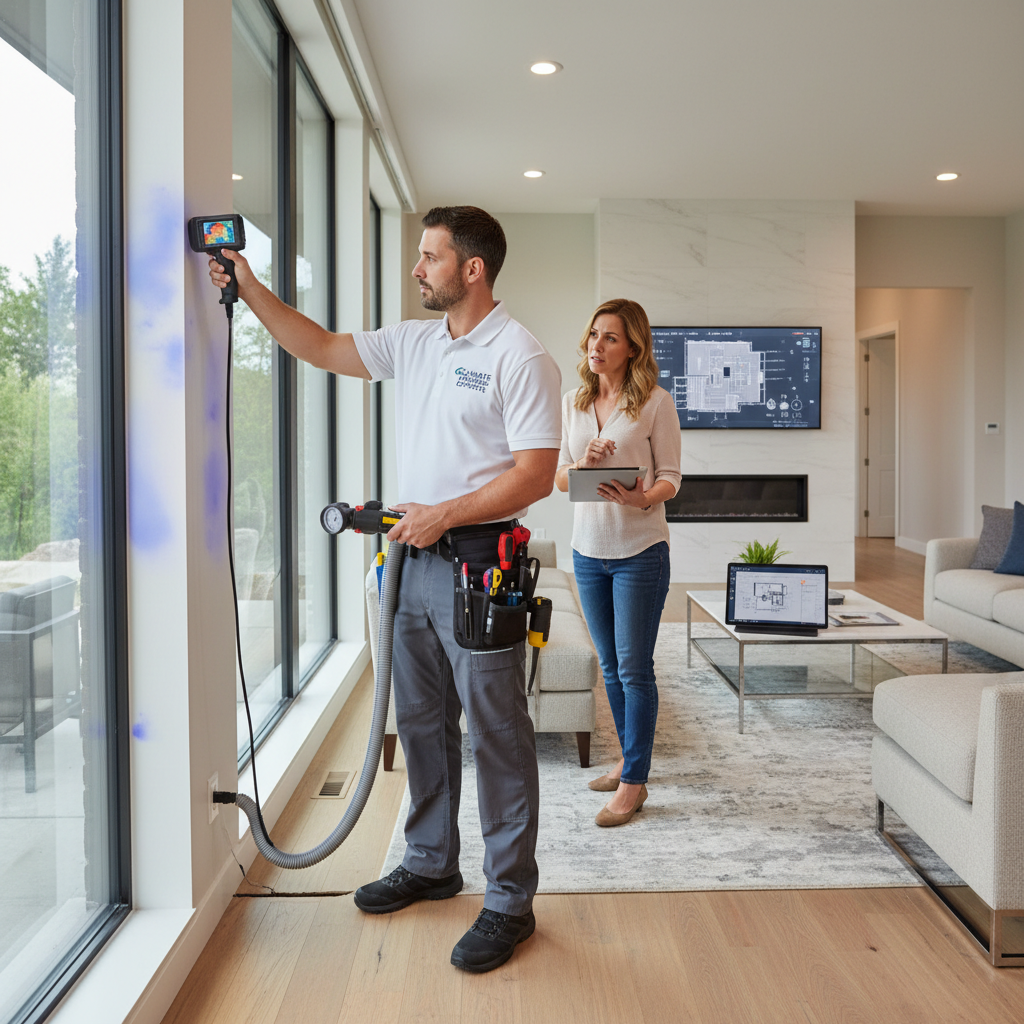
Get a professional energy audit, which includes a blower door test to depressurize the house and pinpoint all leaks, often with a thermal camera.
DIY vs Professional Costs
| Repair Type | DIY Cost | Professional Cost | Time Required |
|---|---|---|---|
Basic Air Sealing (Caulk, Weatherstripping, Gaskets) | $20-100 | $300-800 | 4-8 hours |
Rim Joist Sealing (Basement/Crawlspace) | $100-300 | $800-2000+ | 1-2 days |
Attic Air Sealing (Hatches, Lights, Penetrations) | $50-150 | $400-1000+ | 3-6 hours |
Professional Energy Audit (with Blower Door Test) | N/A | $300-700 | 2-4 hours |
When to Call a Professional Insulation
- If you've already sealed all the obvious gaps with caulk and weatherstripping but the house is still cold and drafty.
- When you suspect drafts are coming from inaccessible areas like inside walls, complex attic spaces, or through fireplace chases.
- If you want a comprehensive energy audit with a blower door test and thermal imaging to find every single hidden leak.
- Before you commit to spending thousands on major projects like new windows or wall insulation, to make sure you're addressing the real problem.
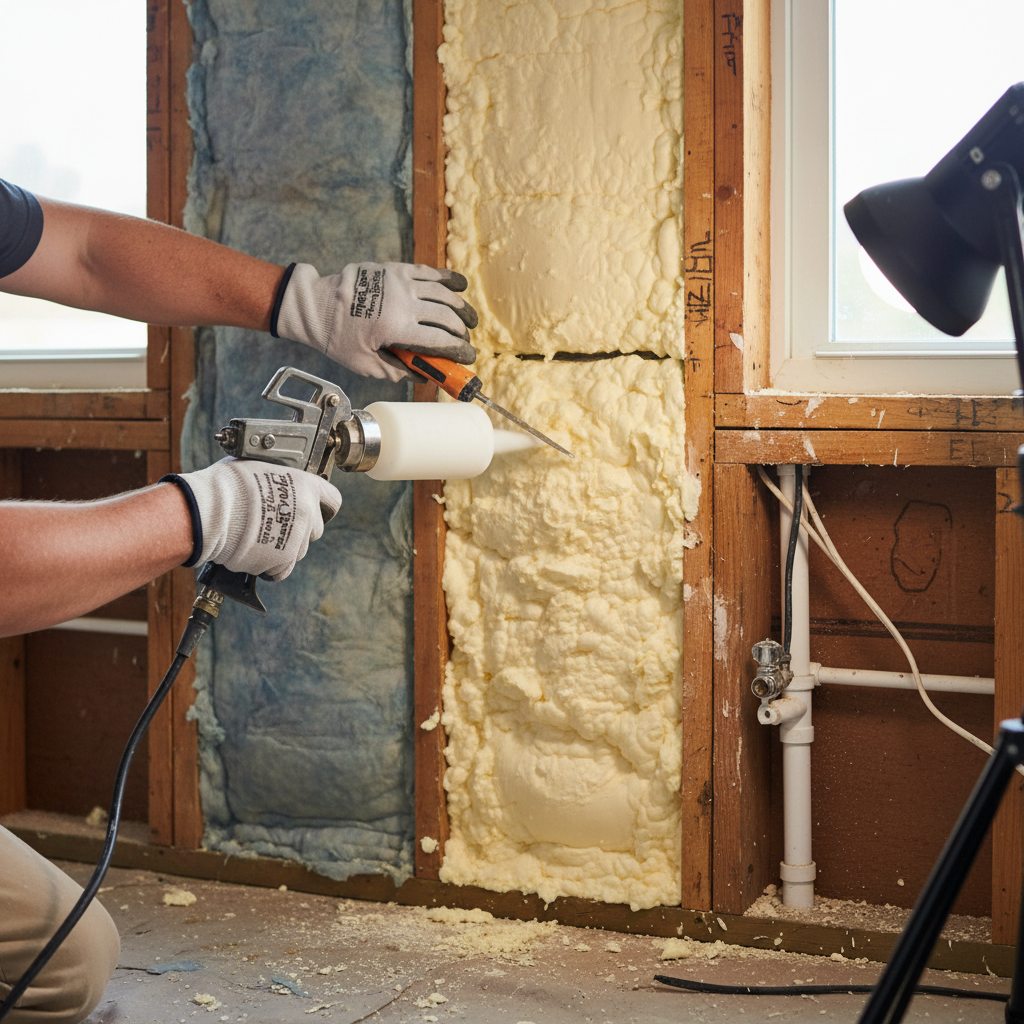
- For any job that requires specialized equipment, like spray foam insulation or dense-packing cellulose into walls.
Prevention Tips
- Every fall, inspect and re-seal caulk around exterior windows, doors, and any pipe or wiring penetrations.
- Check the weatherstripping on your doors and operable windows annually and replace it if it's worn, compressed, or damaged.
- Always make sure your attic and crawlspace hatches are closed tightly and that their seals are in good condition.
- When doing any renovation, take the opportunity to air seal any gaps in the structure before you cover them up with drywall or flooring.
- Focus on sealing the top and bottom of your house—the attic floor and the basement/crawlspace rim joist—as this will have the biggest impact on stopping the stack effect.
Frequently Asked Questions
Related Guides
House Remains Cold After Insulation? Troubleshooting Drafts & Hidden Leaks (A Pro's Guide)
Still freezing after adding more insulation? Your problem isn't the insulation, it's hidden air leaks. A 25-year vet explains how to find and fix them.
Ineffective Insulation Troubleshooting & Fixes (2024 Guide)
Feeling cold drafts or seeing huge energy bills? Your home's insulation is probably failing. Here’s a vet tech's guide to finding and fixing the problem.
Ensuring proper attic ventilation after adding insulation to maintain indoor air quality, energy efficiency, and prevent moisture issues. Troubleshooting & Fixes (2024 Guide)
Just added insulation and now have issues? I'll show you how to fix attic ventilation problems, prevent mold, and lower your energy bills. A veteran tech's guide.
Crawl Space Issues Troubleshooting & Fixes (2024 Guide from a Pro)
A veteran tech explains crawl space moisture, mold, and damage. Learn the real causes of musty smells and high energy bills, and how to fix them for good.
Ineffective or insufficient home insulation leading to high energy bills, drafts, and uncomfortable indoor temperatures, often due to aging, improper installation, or inadequate R-value for the climate. Troubleshooting & Fixes
Feeling high energy bills & uncomfortable rooms? Your home insulation might be failing. A veteran tech's guide to diagnosing and fixing it for good.
Identifying insulation gaps and air leaks through a home energy audit to improve energy efficiency, leading to higher utility bills and reduced comfort. Troubleshooting & Fixes
Feeling drafts or seeing high energy bills? Learn to identify and fix insulation gaps and air leaks with our comprehensive home energy audit troubleshooting guide.
Need Professional Help?
Find top-rated insulation experts in your area