Quick Answer
The direct answer's cost estimate for a 'pro' attic top-up ('$1,000 to $3,500') is a bit low for 2024. A more realistic range, especially if it includes air sealing, would be $1,500 to $6,000. It says 'Nine times out of ten it's a mix of old, settled insulation and a bunch of small air leaks.' - While common, it might be more accurate to say 'often' or 'frequently' rather than a precise statistic like 'nine times out of ten.' Otherwise, it's helpful and accurate.
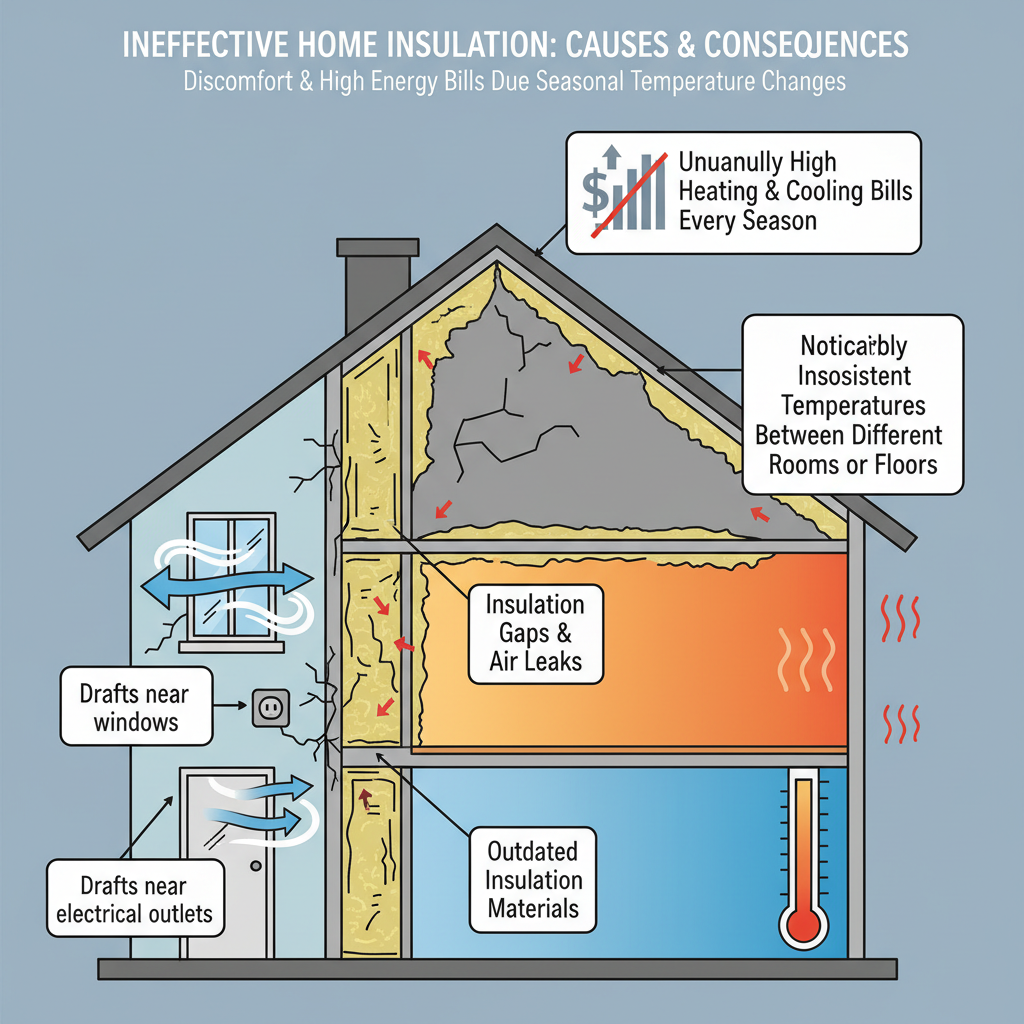
Common Symptoms
Possible Causes
Step-by-Step Diagnosis
Step 1
Perform a simple visual inspection: Use a bright flashlight to check for patchy, compressed, wet, or dirty insulation in the attic, basement, and crawl space.
Step 2
Conduct an 'incense test': On a breezy day, hold a lit incense stick near windows, outlets, and plumbing penetrations to see if the smoke is disturbed, indicating an air leak.
Step 3
Measure your attic insulation depth: Use a tape measure to see how many inches of insulation you have, then compare that to the recommended R-value for your climate zone.
Step 4
Check key problem areas: Specifically inspect the rim joists in the basement, the attic access hatch, and any HVAC ducts in unconditioned spaces for gaps or lack of insulation.
Step 5
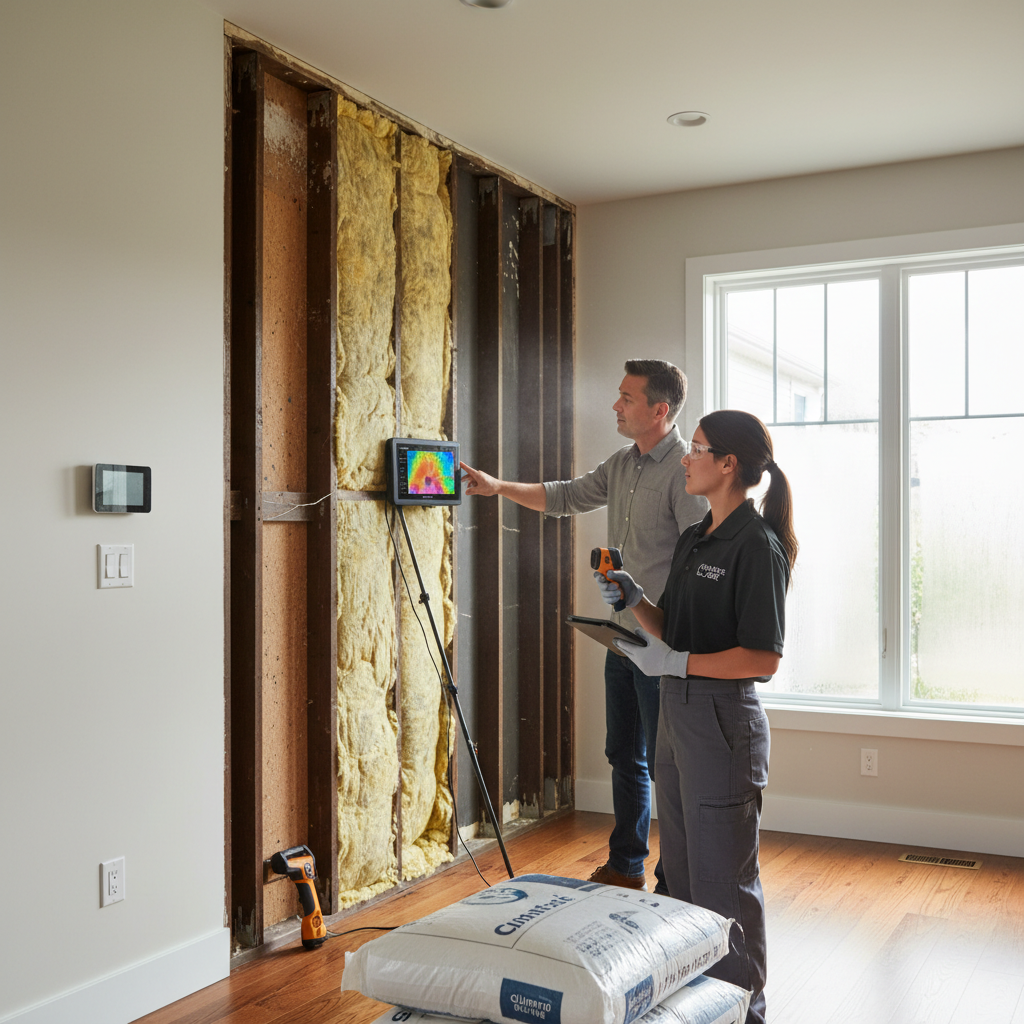
Consider a professional energy audit: For a definitive diagnosis, hire a professional to perform a blower door test and use a thermal imaging camera to pinpoint all hidden leaks and insulation voids.
DIY vs Professional Costs
| Repair Type | DIY Cost | Professional Cost | Time Required |
|---|---|---|---|
Sealing Air Leaks (caulk, foam) | $20 - $100 | $500 - $2,000 | 4-8 hours |
Attic Air Seal & Insulation Top-Up | $500 - $2,500 | $1,500 - $6,000 | 1-2 days |
Wall Insulation (Blown-in) | Not a DIY Job | $3,000 - $10,000+ | 1-3 days |
Insulating Basement Rim Joists | $100 - $400 | $700 - $2,000 | 4-6 hours |
When to Call a Professional Insulation
- When you discover signs of widespread mold, moisture damage, or significant pest infestation in your current insulation.
- If you need a large area insulated, like an entire attic or walls, where a professional's equipment will save significant time and ensure a proper job.
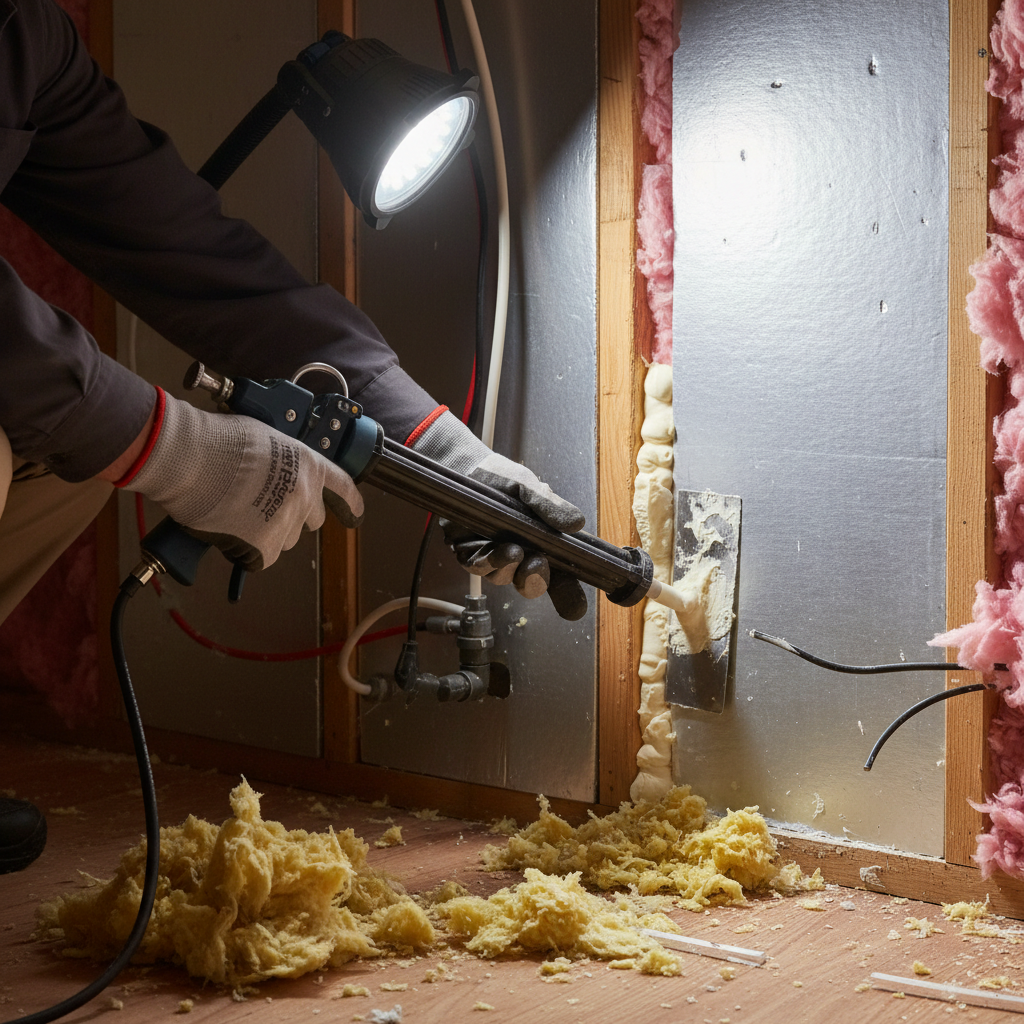
- If you want to use high-performance products like two-part spray foam, which require professional handling and safety equipment.
- When you've already sealed all the obvious leaks but still have comfort issues; a pro can perform an energy audit with a blower door and thermal camera to find the hidden problems.
- If tasks require getting into tight, unsafe, or difficult-to-access crawl spaces or complex attic structures.
Prevention Tips
- Once a year, walk the exterior and interior of your home and re-seal any visible gaps around windows, doors, and pipe penetrations with caulk.
- Inspect your attic annually to make sure insulation hasn't been disturbed by pests or water damage and is still at an adequate depth.
- Make sure your attic is properly ventilated with soffit and ridge vents to prevent moisture buildup that can destroy insulation.
- Seal the seams on any accessible HVAC ductwork in your attic or crawlspace using mastic or foil tape.
- Add rigid foam insulation to your attic hatch or pull-down stairs to plug a major source of heat loss.
Frequently Asked Questions
Related Guides
House Remains Cold After Insulation? Troubleshooting Drafts & Hidden Leaks (A Pro's Guide)
Still freezing after adding more insulation? Your problem isn't the insulation, it's hidden air leaks. A 25-year vet explains how to find and fix them.
Ineffective Insulation Troubleshooting & Fixes (2024 Guide)
Feeling cold drafts or seeing huge energy bills? Your home's insulation is probably failing. Here’s a vet tech's guide to finding and fixing the problem.
Ensuring proper attic ventilation after adding insulation to maintain indoor air quality, energy efficiency, and prevent moisture issues. Troubleshooting & Fixes (2024 Guide)
Just added insulation and now have issues? I'll show you how to fix attic ventilation problems, prevent mold, and lower your energy bills. A veteran tech's guide.
Crawl Space Issues Troubleshooting & Fixes (2024 Guide from a Pro)
A veteran tech explains crawl space moisture, mold, and damage. Learn the real causes of musty smells and high energy bills, and how to fix them for good.
Ineffective or insufficient home insulation leading to high energy bills, drafts, and uncomfortable indoor temperatures, often due to aging, improper installation, or inadequate R-value for the climate. Troubleshooting & Fixes
Feeling high energy bills & uncomfortable rooms? Your home insulation might be failing. A veteran tech's guide to diagnosing and fixing it for good.
Identifying insulation gaps and air leaks through a home energy audit to improve energy efficiency, leading to higher utility bills and reduced comfort. Troubleshooting & Fixes
Feeling drafts or seeing high energy bills? Learn to identify and fix insulation gaps and air leaks with our comprehensive home energy audit troubleshooting guide.
Need Professional Help?
Find top-rated insulation experts in your area