Quick Answer
Okay, that insulation dust is a nightmare, I get it. For a basic cleanup after a small job, you can probably handle it yourself with some good plastic sheeting, painter's tape, and a shop vac with a HEPA filter. Expect to spend $50 to $150 on supplies. But if that dust has gotten everywhere, especially into your HVAC vents, don't mess around. Call a professional. A real deep clean from a pro will run you anywhere from $400 to $1,200, but it gets done right.
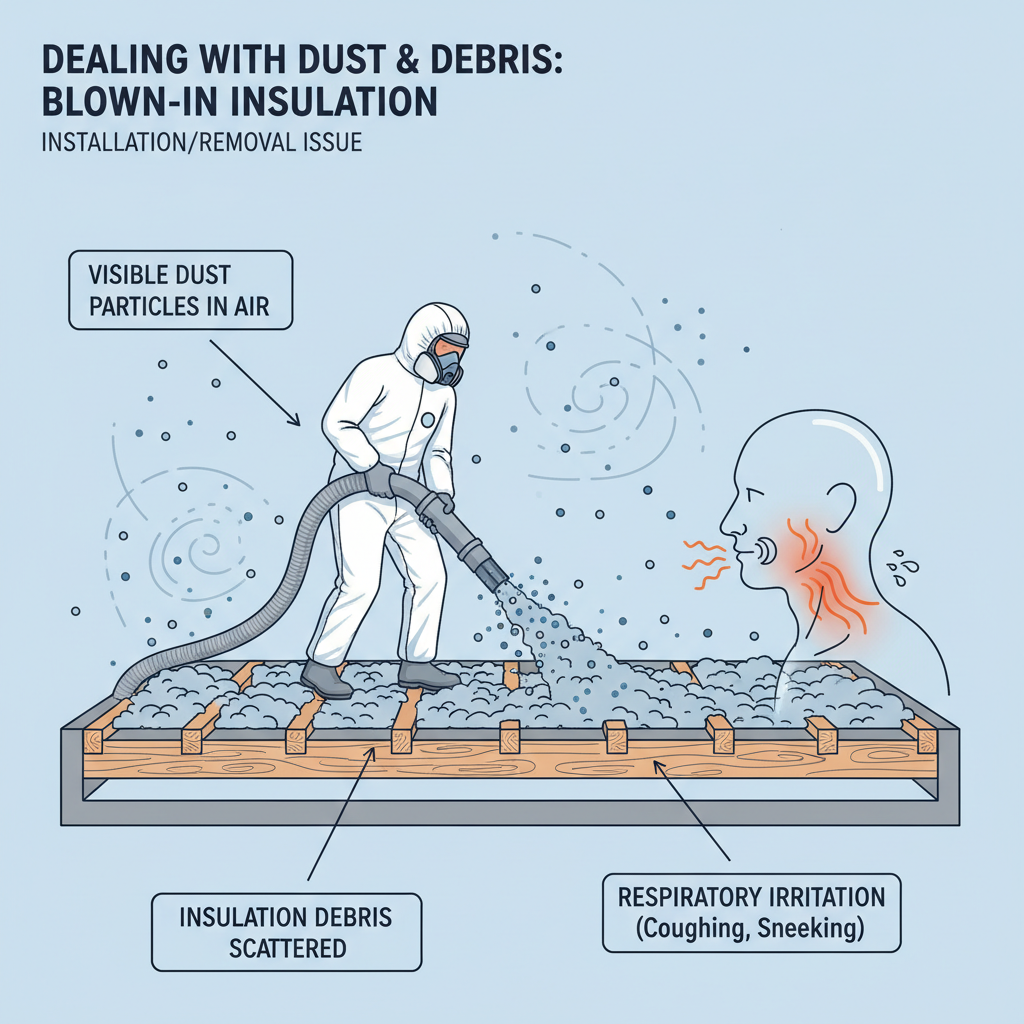
Common Symptoms
Possible Causes
Step-by-Step Diagnosis
Step 1
Identify the type of blown-in insulation (cellulose, fiberglass, mineral wool) to understand the dust properties.
Step 2
Assess the extent of the dust and debris spread (confined to attic, spread to living spaces).
Step 3
Determine if the dust is fresh from a recent job or older, settled dust.
Step 4
Check for any ongoing sources of dust (e.g., open insulation bags, unsealed entry points).
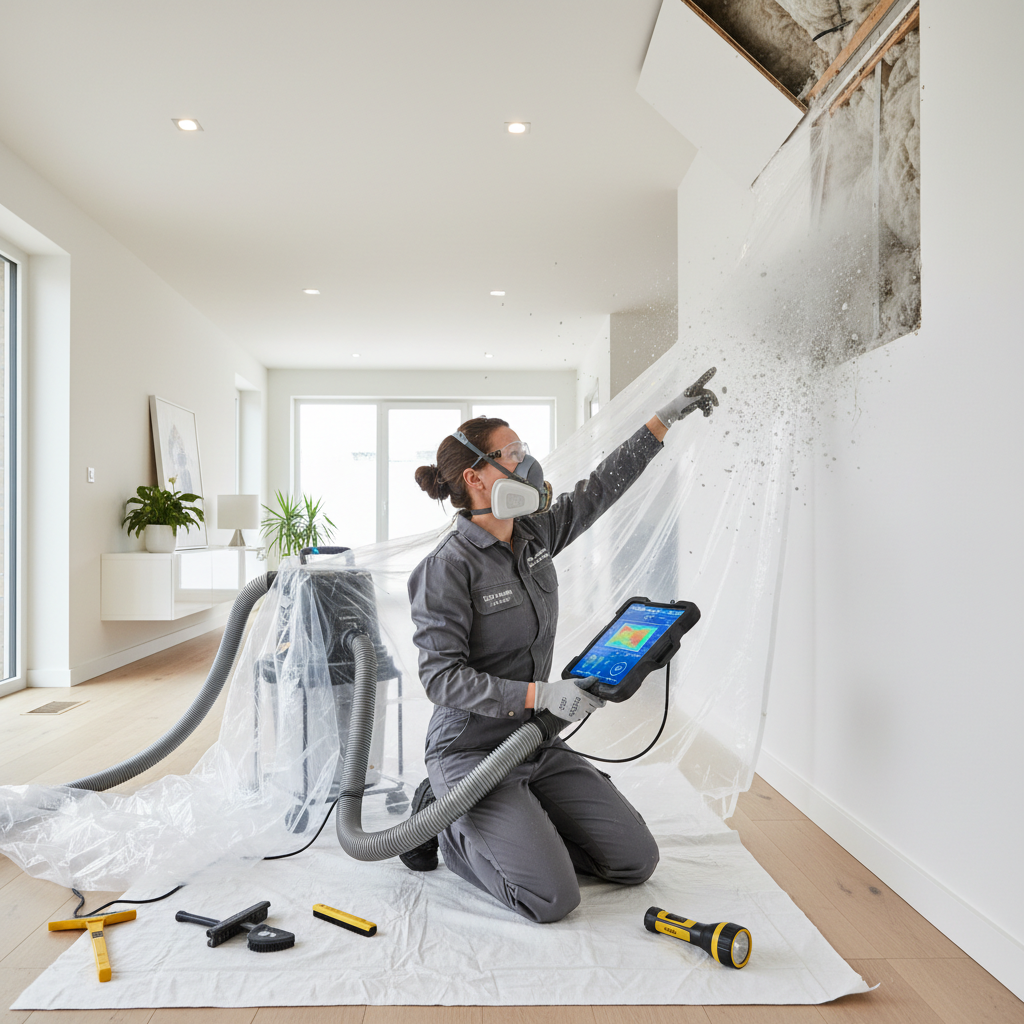
DIY vs Professional Costs
| Repair Type | DIY Cost | Professional Cost | Time Required |
|---|---|---|---|
Basic Containment & Cleanup (small mess) | $50-$150 | N/A | 2-4 hours |
Post-Installation Deep Cleaning (widespread dust) | $100-$400 | $400-$1,200 | 4-8 hours (DIY) / 2-5 hours (Pro) |
Full Insulation Removal & Cleanup | N/A | $2,000-$6,000+ | Days |
HVAC System & Duct Cleaning | N/A | $400-$1,200 | 4-6 hours |
When to Call a Professional Insulation
- When dealing with large quantities of insulation dust and debris that has spread throughout the home.
- If allergic reactions or respiratory issues persist after initial cleanup attempts.
- When the insulation removal process is extensive and requires specialized vacuum equipment.
- If asbestos insulation is suspected (requires specialized abatement).
- If the attic space is difficult to access or navigate safely for thorough cleaning.
- If you confirm the dust has entered your HVAC ductwork.
Prevention Tips
- Use proper containment barriers (e.g., plastic sheeting, zippered doors) around the work area during installation or removal.
- Wear appropriate Personal Protective Equipment (PPE) including N95 or P100 respirators, goggles, gloves, and disposable coveralls.
- Ventilate the work area adequately using fans and open windows (if safe and practical) to minimize airborne dust.
- Use a shop-vac with a HEPA filter for initial cleanup, not a regular household vacuum.
- Mist the insulation lightly with water (if not an electrical hazard) to reduce dust during removal.
- Seal off HVAC registers and returns in living spaces to prevent dust from entering the ventilation system during work.
- Clean surfaces with damp cloths after vacuuming to pick up fine dust particles.
Frequently Asked Questions
Related Guides
House Remains Cold After Insulation? Troubleshooting Drafts & Hidden Leaks (A Pro's Guide)
Still freezing after adding more insulation? Your problem isn't the insulation, it's hidden air leaks. A 25-year vet explains how to find and fix them.
Ineffective Insulation Troubleshooting & Fixes (2024 Guide)
Feeling cold drafts or seeing huge energy bills? Your home's insulation is probably failing. Here’s a vet tech's guide to finding and fixing the problem.
Ensuring proper attic ventilation after adding insulation to maintain indoor air quality, energy efficiency, and prevent moisture issues. Troubleshooting & Fixes (2024 Guide)
Just added insulation and now have issues? I'll show you how to fix attic ventilation problems, prevent mold, and lower your energy bills. A veteran tech's guide.
Crawl Space Issues Troubleshooting & Fixes (2024 Guide from a Pro)
A veteran tech explains crawl space moisture, mold, and damage. Learn the real causes of musty smells and high energy bills, and how to fix them for good.
Ineffective or insufficient home insulation leading to high energy bills, drafts, and uncomfortable indoor temperatures, often due to aging, improper installation, or inadequate R-value for the climate. Troubleshooting & Fixes
Feeling high energy bills & uncomfortable rooms? Your home insulation might be failing. A veteran tech's guide to diagnosing and fixing it for good.
Identifying insulation gaps and air leaks through a home energy audit to improve energy efficiency, leading to higher utility bills and reduced comfort. Troubleshooting & Fixes
Feeling drafts or seeing high energy bills? Learn to identify and fix insulation gaps and air leaks with our comprehensive home energy audit troubleshooting guide.
Need Professional Help?
Find top-rated insulation experts in your area