Quick Answer
The direct answer is quite good. Perhaps add a brief mention that proper ventilation is also crucial, especially when adding insulation, to prevent moisture issues.
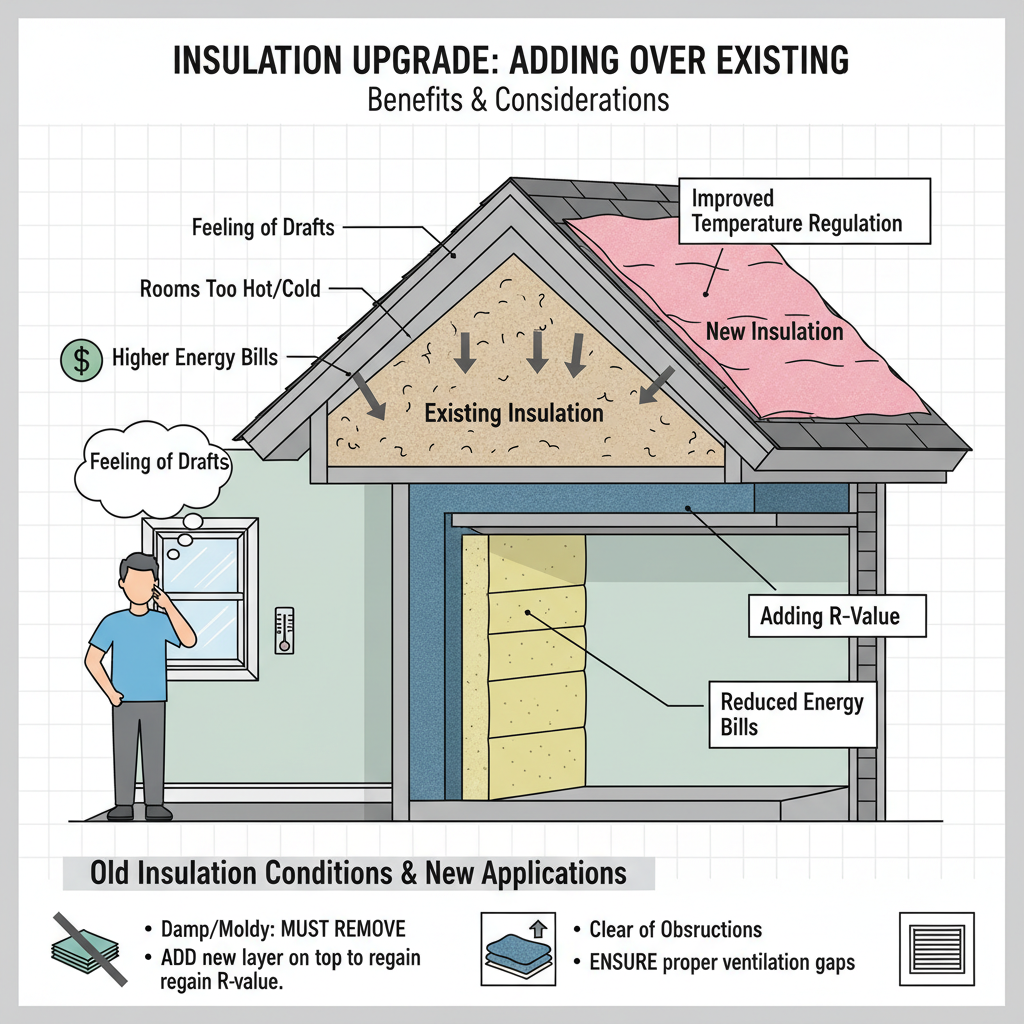
Common Symptoms
Possible Causes
Step-by-Step Diagnosis
Step 1
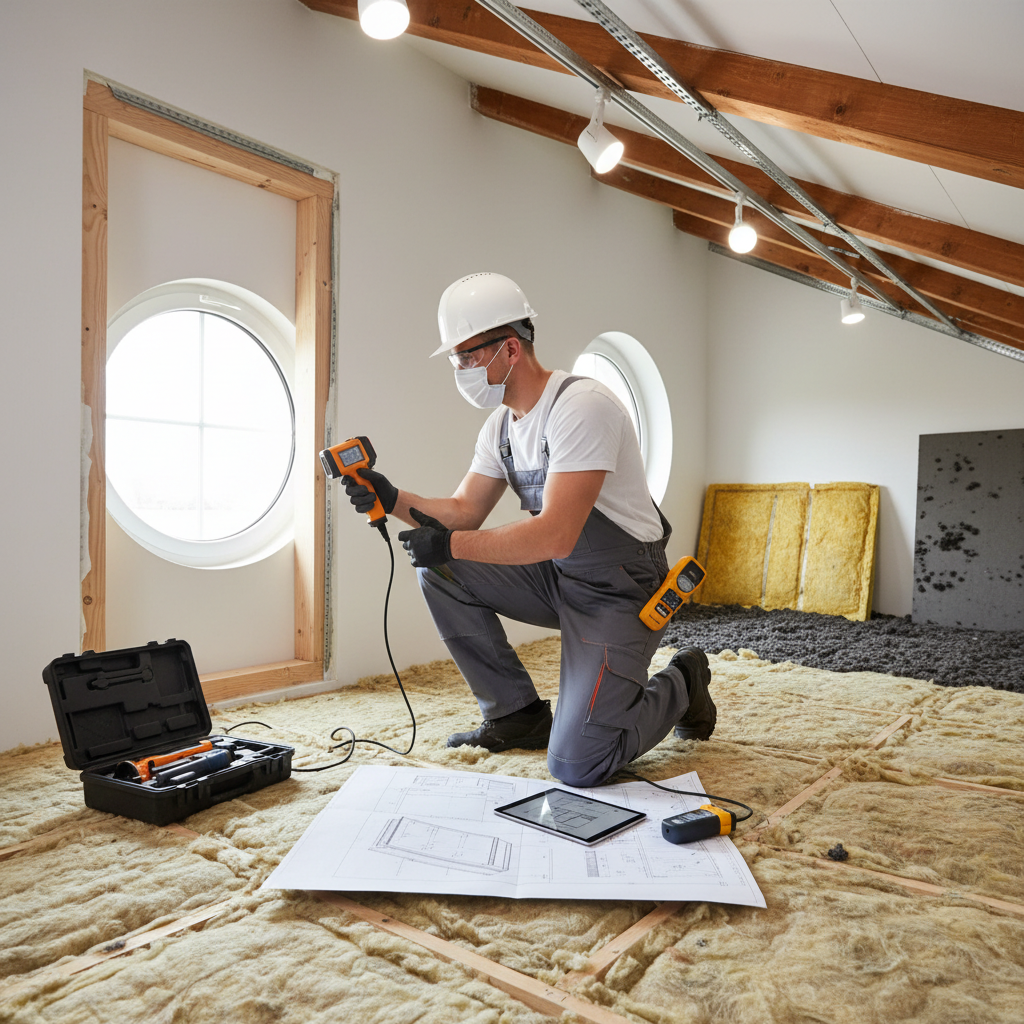
Get a good flashlight and mask, and visually inspect the attic for wet spots, mold, or signs of pests like droppings or tunnels.
Step 2
Use a ruler to measure the current depth of the insulation in several places to get an average.
Step 3
Estimate your current R-value (e.g., old fiberglass is ~R-2.5/inch; old cellulose is ~R-3.5/inch). If you can see your joists, you don't have enough.
Step 4
Identify and seal air leaks around pipes, electrical fixtures, can lights, and the attic hatch using spray foam and caulk.
Step 5
Check that soffit vents are not blocked and install baffles if necessary to ensure proper airflow from eaves to ridge.
Step 6
If you have older, pebble-like insulation (vermiculite), stop and get it tested for asbestos before proceeding.
DIY vs Professional Costs
| Repair Type | DIY Cost | Professional Cost | Time Required |
|---|---|---|---|
Air Sealing Gaps & Cracks | $50 - $100 | $300 - $800+ | 2-4 hours |
Blowing In Loose-Fill (Top-Up) | $600 - $1,200 | $1,500 - $3,000 | 4-6 hours |
Adding Fiberglass Batts (Top-Up) | $700 - $1,500 | $1,800 - $3,500 | 6-8 hours |
Full Removal & Replacement | $1,500 - $3,000+ | $3,000 - $7,000+ | 1-2 days |
When to Call a Professional Insulation
- When you find any evidence of moisture, mold, or significant pest contamination in the existing insulation.
- If your home has older, pebble-like vermiculite insulation that may contain asbestos. Do not touch it.
- For complex air sealing jobs with numerous recessed lights, ductwork, or a blower door test is desired.
- If the attic or crawl space has very limited access, making the work unsafe or difficult to perform correctly.
Prevention Tips
- Ensure your attic is properly ventilated from soffit to ridge to prevent moisture buildup.
- Promptly repair any roof leaks or plumbing issues to keep insulation dry.
- Seal all potential pest entry points around the foundation and where utilities enter the house.
- Avoid storing items directly on top of insulation; if you must, build a raised platform.
Frequently Asked Questions
Related Guides
House Remains Cold After Insulation? Troubleshooting Drafts & Hidden Leaks (A Pro's Guide)
Still freezing after adding more insulation? Your problem isn't the insulation, it's hidden air leaks. A 25-year vet explains how to find and fix them.
Ineffective Insulation Troubleshooting & Fixes (2024 Guide)
Feeling cold drafts or seeing huge energy bills? Your home's insulation is probably failing. Here’s a vet tech's guide to finding and fixing the problem.
Ensuring proper attic ventilation after adding insulation to maintain indoor air quality, energy efficiency, and prevent moisture issues. Troubleshooting & Fixes (2024 Guide)
Just added insulation and now have issues? I'll show you how to fix attic ventilation problems, prevent mold, and lower your energy bills. A veteran tech's guide.
Crawl Space Issues Troubleshooting & Fixes (2024 Guide from a Pro)
A veteran tech explains crawl space moisture, mold, and damage. Learn the real causes of musty smells and high energy bills, and how to fix them for good.
Ineffective or insufficient home insulation leading to high energy bills, drafts, and uncomfortable indoor temperatures, often due to aging, improper installation, or inadequate R-value for the climate. Troubleshooting & Fixes
Feeling high energy bills & uncomfortable rooms? Your home insulation might be failing. A veteran tech's guide to diagnosing and fixing it for good.
Identifying insulation gaps and air leaks through a home energy audit to improve energy efficiency, leading to higher utility bills and reduced comfort. Troubleshooting & Fixes
Feeling drafts or seeing high energy bills? Learn to identify and fix insulation gaps and air leaks with our comprehensive home energy audit troubleshooting guide.
Need Professional Help?
Find top-rated insulation experts in your area