Quick Answer
Okay, so here's the quick version. If your house feels drafty, your energy bills are unusually high, or you're seeing ice dams on your eaves in winter, your insulation might be compromised. Common issues include degradation over time, moisture damage, or pest infestations. You can start by checking your attic for insulation that appears flat, stained, disturbed, or missing. A simple DIY fix like air sealing small gaps might cost $20-$100, but a professional attic re-insulation project can range from a few thousand to over ten thousand dollars, depending on the scope of work needed.
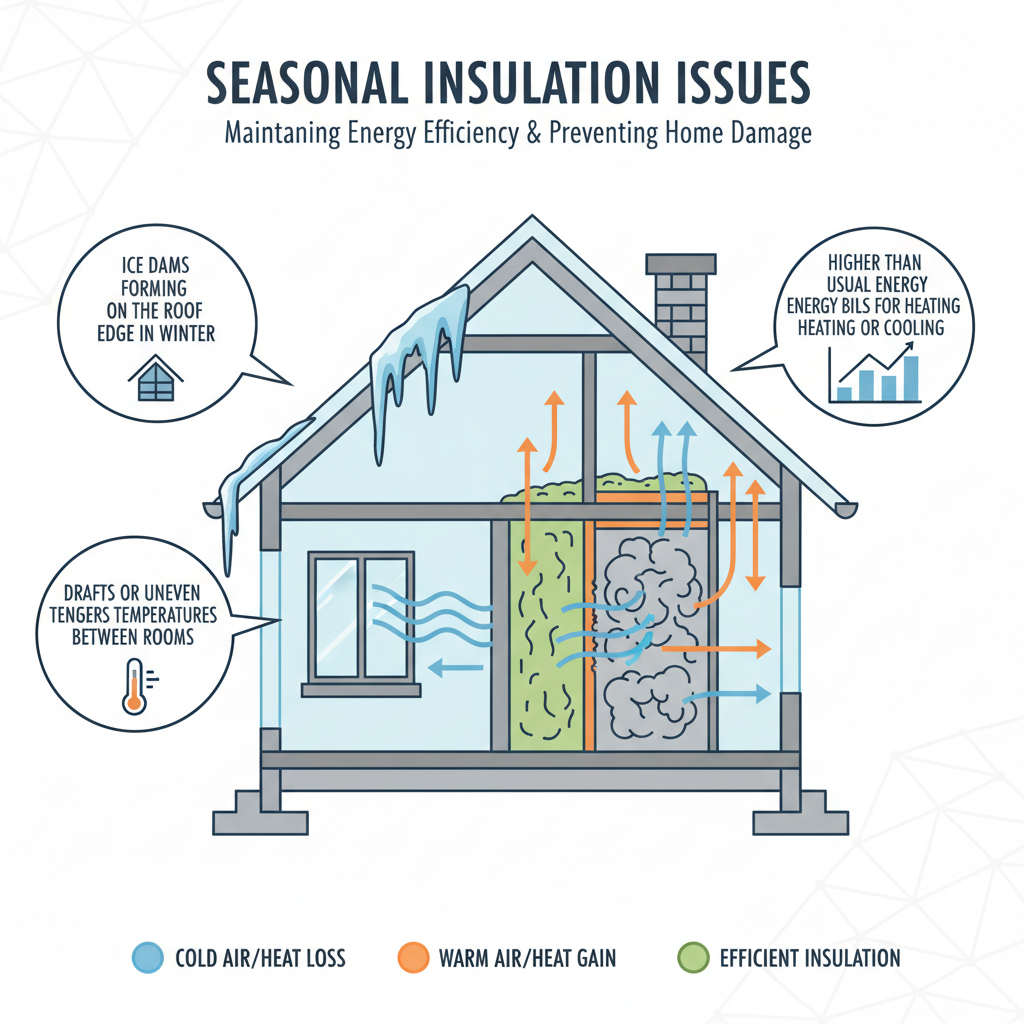
Common Symptoms
Possible Causes
Step-by-Step Diagnosis
Step 1
Visual Attic Inspection: Using a flashlight and mask, check insulation for proper depth (12-15+ inches), even coverage, signs of compression, water stains, mold, or pest activity.
Step 2
Interior Home Assessment: Walk through the home to feel for drafts around windows, outlets, and fixtures. Note rooms that are consistently colder or hotter than others.
Step 3
Energy Bill Analysis: Compare current energy bills to the same period in previous years to identify significant, unexplained increases in usage.
Step 4
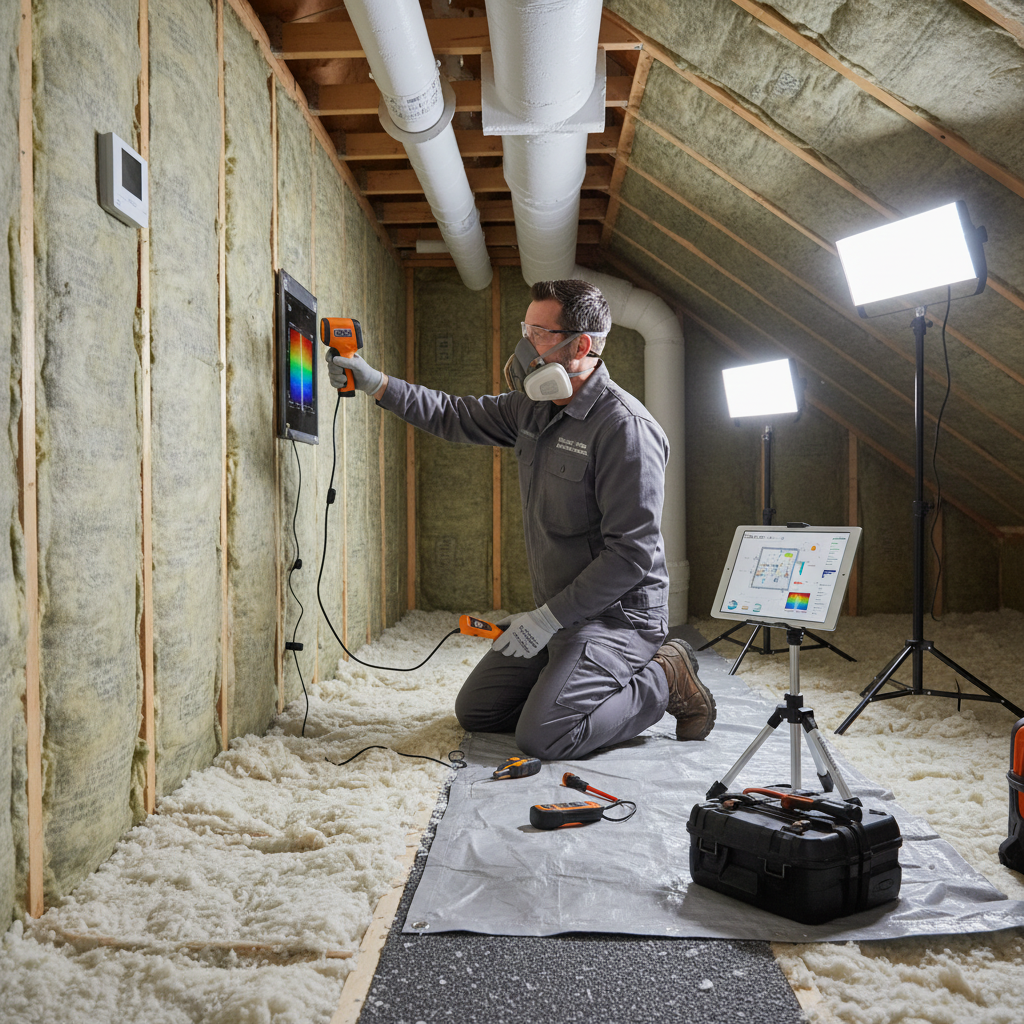
Thermal Imaging: Use a thermal camera (rented or professional) during cold weather to visually identify cold spots on walls and ceilings, pinpointing exact areas of heat loss.
Step 5
Blower Door Test (Professional): A professional test that depressurizes the house to find all the hidden air leaks, which compromise insulation effectiveness.
Step 6
Moisture Meter Check: If dark stains are visible in the attic, use a moisture meter on adjacent wood framing to confirm if there is an active moisture problem.
DIY vs Professional Costs
| Repair Type | DIY Cost | Professional Cost | Time Required |
|---|---|---|---|
Spot Sealing Air Leaks (Caulk/Foam) | $20 - $100 | $300 - $800 | 2-4 hours |
Adding Attic Insulation Over Existing (Top-Up) | $500 - $2,000 | $1,500 - $4,000 | 1-2 days |
Full Attic Insulation Removal & Replacement | Not Recommended | $4,000 - $15,000+ | 2-4 days |
Professional Energy Audit (Blower Door/Thermal) | N/A | $400 - $700 | 2-4 hours |
When to Call a Professional Insulation
- When you find significant moisture or visible mold, which indicates a bigger problem like a roof leak and poses a health risk.
- If you have an extensive pest infestation that requires professional removal and sanitation before new insulation can be installed.
- When you suspect problems are inside finished walls, as a pro can use thermal cameras and specialized equipment to insulate without major demolition.
- For large-scale jobs like a full insulation removal or installing blown-in insulation, which are difficult and hazardous for a DIYer.
- If your home contains old insulation that might be asbestos (vermiculite), which requires a certified abatement professional to handle safely.
Prevention Tips
- Conduct an annual attic inspection each fall to check for moisture, pests, and insulation condition before the heating season begins.
- Ensure your attic ventilation (soffit and ridge vents) is clear and unobstructed to prevent moisture buildup.
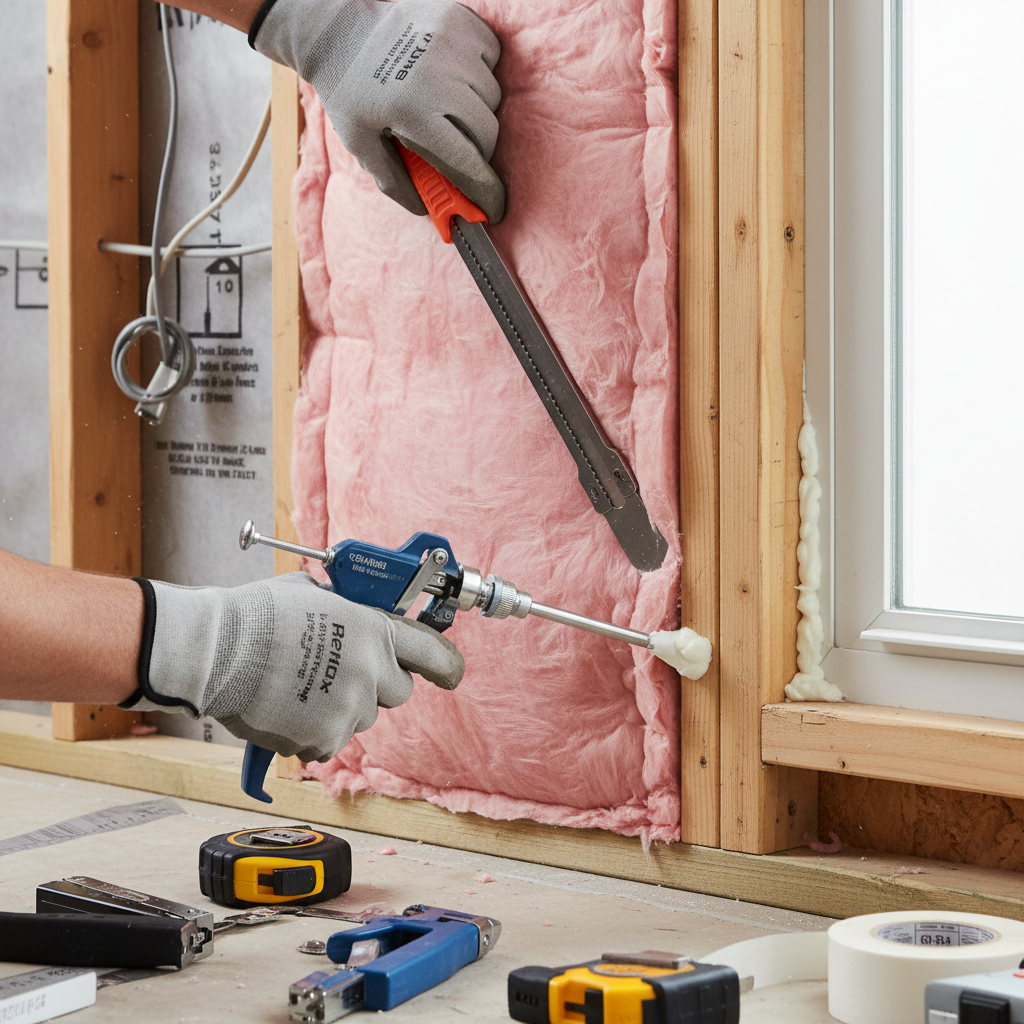
- Use caulk or spray foam to seal all air leaks in the attic floor around pipes, wires, and the attic hatch.
- Regularly clean and maintain your gutters and downspouts to prevent water from overflowing and getting into your attic or walls.
- Perform regular pest control inspections around your home's exterior, sealing any small gaps or holes to block entry points.
Frequently Asked Questions
Related Guides
House Remains Cold After Insulation? Troubleshooting Drafts & Hidden Leaks (A Pro's Guide)
Still freezing after adding more insulation? Your problem isn't the insulation, it's hidden air leaks. A 25-year vet explains how to find and fix them.
Ineffective Insulation Troubleshooting & Fixes (2024 Guide)
Feeling cold drafts or seeing huge energy bills? Your home's insulation is probably failing. Here’s a vet tech's guide to finding and fixing the problem.
Ensuring proper attic ventilation after adding insulation to maintain indoor air quality, energy efficiency, and prevent moisture issues. Troubleshooting & Fixes (2024 Guide)
Just added insulation and now have issues? I'll show you how to fix attic ventilation problems, prevent mold, and lower your energy bills. A veteran tech's guide.
Crawl Space Issues Troubleshooting & Fixes (2024 Guide from a Pro)
A veteran tech explains crawl space moisture, mold, and damage. Learn the real causes of musty smells and high energy bills, and how to fix them for good.
Ineffective or insufficient home insulation leading to high energy bills, drafts, and uncomfortable indoor temperatures, often due to aging, improper installation, or inadequate R-value for the climate. Troubleshooting & Fixes
Feeling high energy bills & uncomfortable rooms? Your home insulation might be failing. A veteran tech's guide to diagnosing and fixing it for good.
Identifying insulation gaps and air leaks through a home energy audit to improve energy efficiency, leading to higher utility bills and reduced comfort. Troubleshooting & Fixes
Feeling drafts or seeing high energy bills? Learn to identify and fix insulation gaps and air leaks with our comprehensive home energy audit troubleshooting guide.
Need Professional Help?
Find top-rated insulation experts in your area