Quick Answer
Okay, so here's the quick version on why your upstairs is a furnace in the summer. It's almost always due to poorly insulated and air-sealed knee walls and sloped ceilings. Many homes built in the 80s and 90s overlooked proper air sealing, and often used inadequate insulation that has since become ineffective. This leads to significant loss of heated and cooled air. The primary fix involves getting into these spaces, meticulously air sealing all gaps and penetrations first, and then adding appropriate insulation to achieve recommended R-values. For a DIY approach, materials might cost a few hundred dollars to over a thousand, depending on the scope. Hiring a professional can range from a couple of thousand dollars to several thousand, ensuring the job is done effectively.
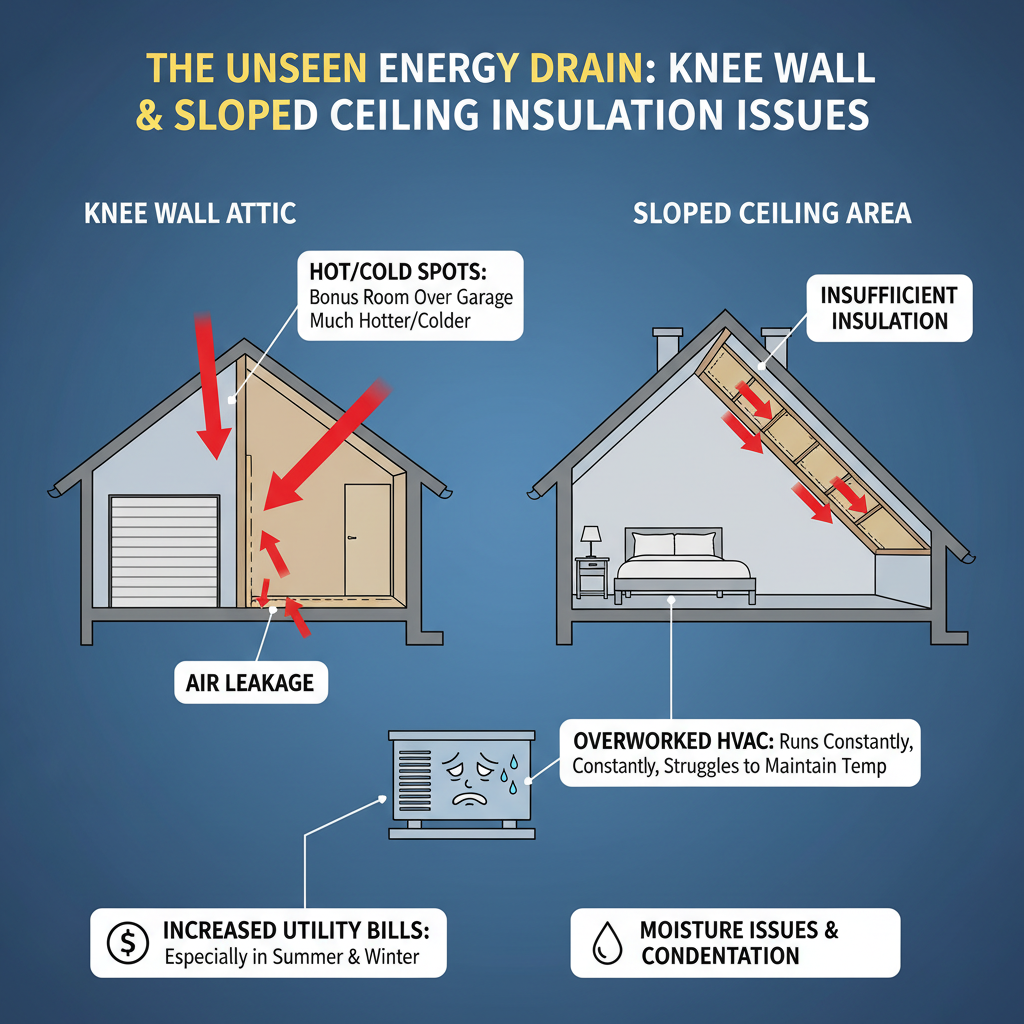
Common Symptoms
Possible Causes
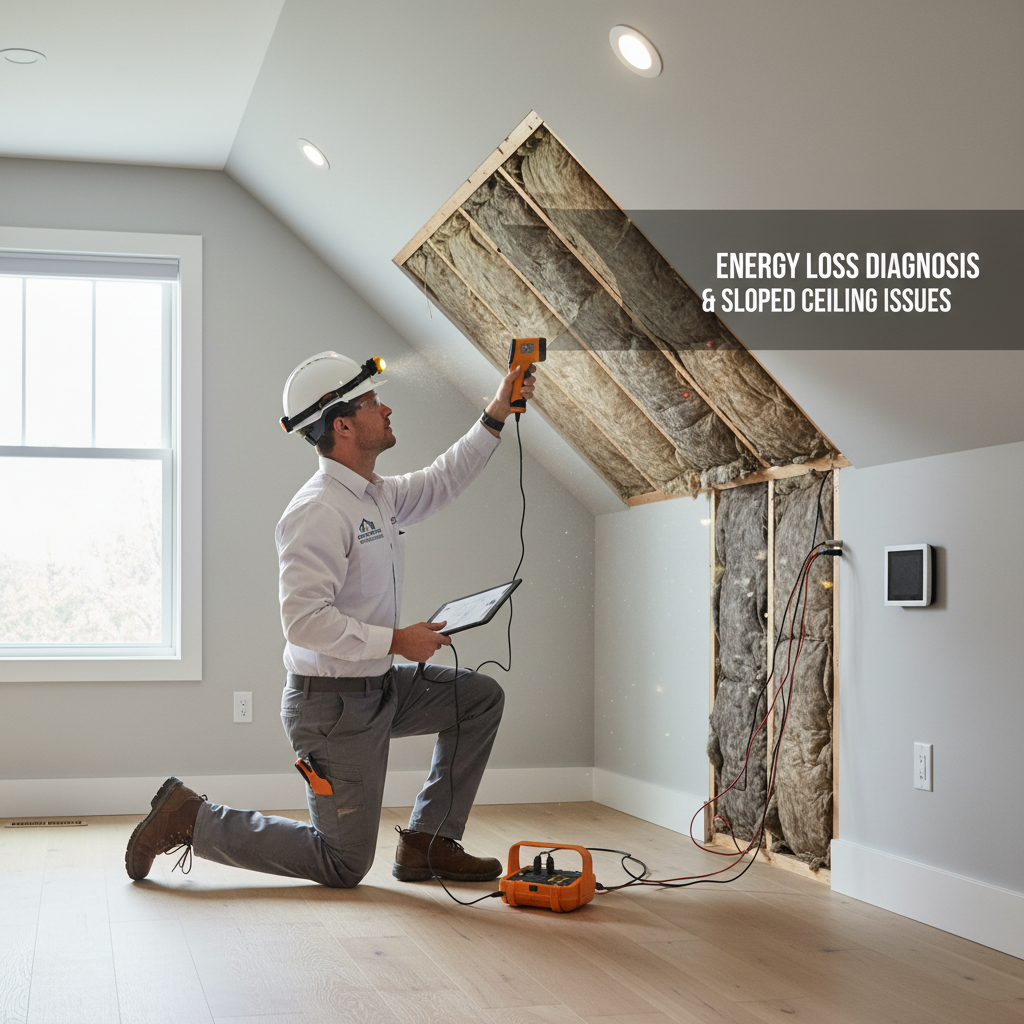
Step-by-Step Diagnosis
Step 1
Perform a careful visual inspection of the attic and knee wall spaces with a good flashlight and mask.
Step 2
Look for insulation levels below the tops of the joists, gaps, falling insulation, and dirty or discolored spots indicating air leaks.
Step 3
On a windy day, use your hand or an incense stick to feel for drafts around outlets, switches, and baseboards in the problem room.
Step 4
Use a thermal imaging camera (if available) to visually identify cold spots on walls and ceilings, which pinpoint areas of missing insulation or air leaks.
Step 5
Observe HVAC system behavior; constant operation without achieving the set temperature is a key indicator of high heat loss or gain.
Step 6
Review past utility bills to identify significant seasonal spikes in energy consumption.
DIY vs Professional Costs
| Repair Type | DIY Cost | Professional Cost | Time Required |
|---|---|---|---|
Air Sealing the Attic Floor & Knee Wall Penetrations | $50 - $300 | $750 - $3,500 | 1-2 weekends |
Adding Blown-In Insulation to Attic Floor | $600 - $2,000 | $1,800 - $5,000+ | 1 day |
Insulating & Air Sealing Knee Walls (Rigid Foam + Batts) | $250 - $800 | $1,200 - $4,500+ | 1 weekend |
When to Call a Professional Insulation
- If you cannot safely access or move around in the attic or knee wall space due to tight quarters or a steep roof pitch.
- If you discover any signs of significant moisture, mold, or a pest infestation, which must be addressed by a specialist before insulating.
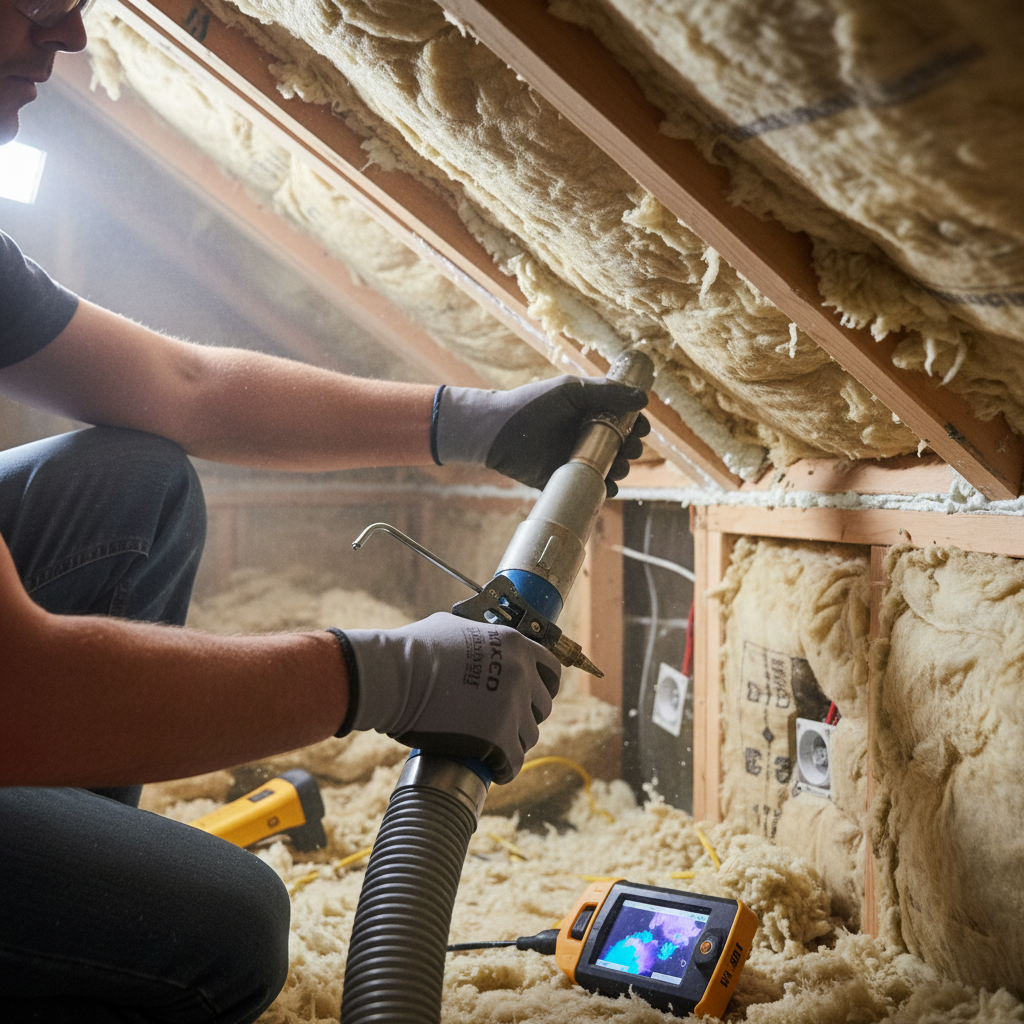
- When dealing with complex areas like cathedral ceilings, which require special equipment like a cellulose dense-pack blower.
- If you want the job verified with professional equipment, such as a blower door test to measure the actual reduction in air leakage.
Prevention Tips
- Prioritize air sealing above all else. Use caulk and spray foam to seal every penetration between the living space and the attic before adding any insulation.
- Install a rigid air barrier, like foam board, on the attic-facing side of knee walls to prevent 'wind-washing' through fiberglass batts.
- Ensure your attic has a balanced ventilation system with clear soffit vents for intake and ridge/gable vents for exhaust to prevent heat and moisture buildup.
- Perform a quick visual inspection of your attic spaces once a year to check for insulation displacement, moisture stains, or pest activity.
Frequently Asked Questions
Related Guides
House Remains Cold After Insulation? Troubleshooting Drafts & Hidden Leaks (A Pro's Guide)
Still freezing after adding more insulation? Your problem isn't the insulation, it's hidden air leaks. A 25-year vet explains how to find and fix them.
Ineffective Insulation Troubleshooting & Fixes (2024 Guide)
Feeling cold drafts or seeing huge energy bills? Your home's insulation is probably failing. Here’s a vet tech's guide to finding and fixing the problem.
Ensuring proper attic ventilation after adding insulation to maintain indoor air quality, energy efficiency, and prevent moisture issues. Troubleshooting & Fixes (2024 Guide)
Just added insulation and now have issues? I'll show you how to fix attic ventilation problems, prevent mold, and lower your energy bills. A veteran tech's guide.
Crawl Space Issues Troubleshooting & Fixes (2024 Guide from a Pro)
A veteran tech explains crawl space moisture, mold, and damage. Learn the real causes of musty smells and high energy bills, and how to fix them for good.
Ineffective or insufficient home insulation leading to high energy bills, drafts, and uncomfortable indoor temperatures, often due to aging, improper installation, or inadequate R-value for the climate. Troubleshooting & Fixes
Feeling high energy bills & uncomfortable rooms? Your home insulation might be failing. A veteran tech's guide to diagnosing and fixing it for good.
Identifying insulation gaps and air leaks through a home energy audit to improve energy efficiency, leading to higher utility bills and reduced comfort. Troubleshooting & Fixes
Feeling drafts or seeing high energy bills? Learn to identify and fix insulation gaps and air leaks with our comprehensive home energy audit troubleshooting guide.
Need Professional Help?
Find top-rated insulation experts in your area