Quick Answer
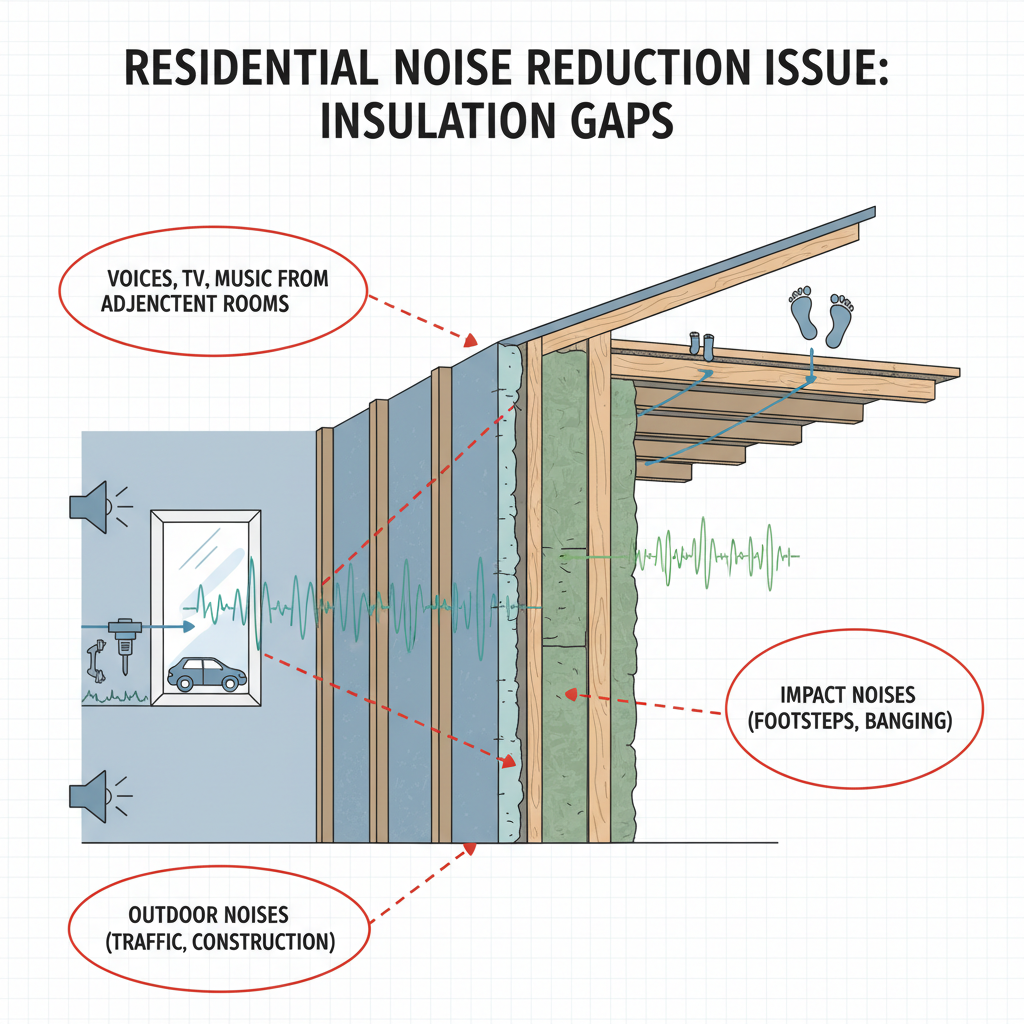
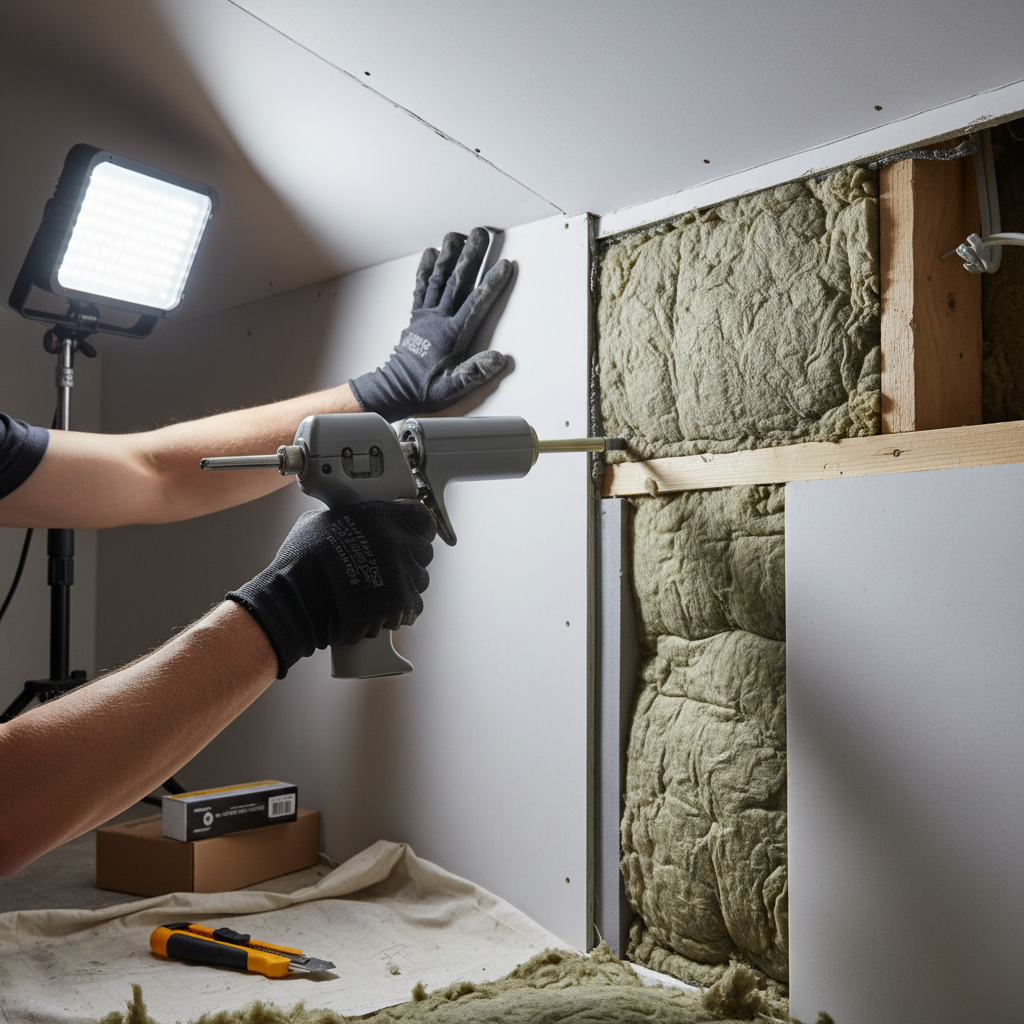
Okay, so here's the quick version on shutting the world out. Nine times out of ten, your noise problem is from cheap construction—hollow walls, flanking noise through outlets, that kind of thing. The easiest, cheapest first step is sealing every single gap you can find with acoustic caulk. That's a $20 fix. If it's footsteps from upstairs, you're looking at a bigger job. For real results on walls, you'll need to add mass, usually another layer of drywall with Green Glue. That might run you $500 yourself or a couple grand for a pro. But start cheap. Always start cheap.
Common Symptoms
Possible Causes
Step-by-Step Diagnosis
Step 1
Identify if the noise is airborne (voices, TV) or impact (footsteps, thuds), as they require different solutions.
Step 2
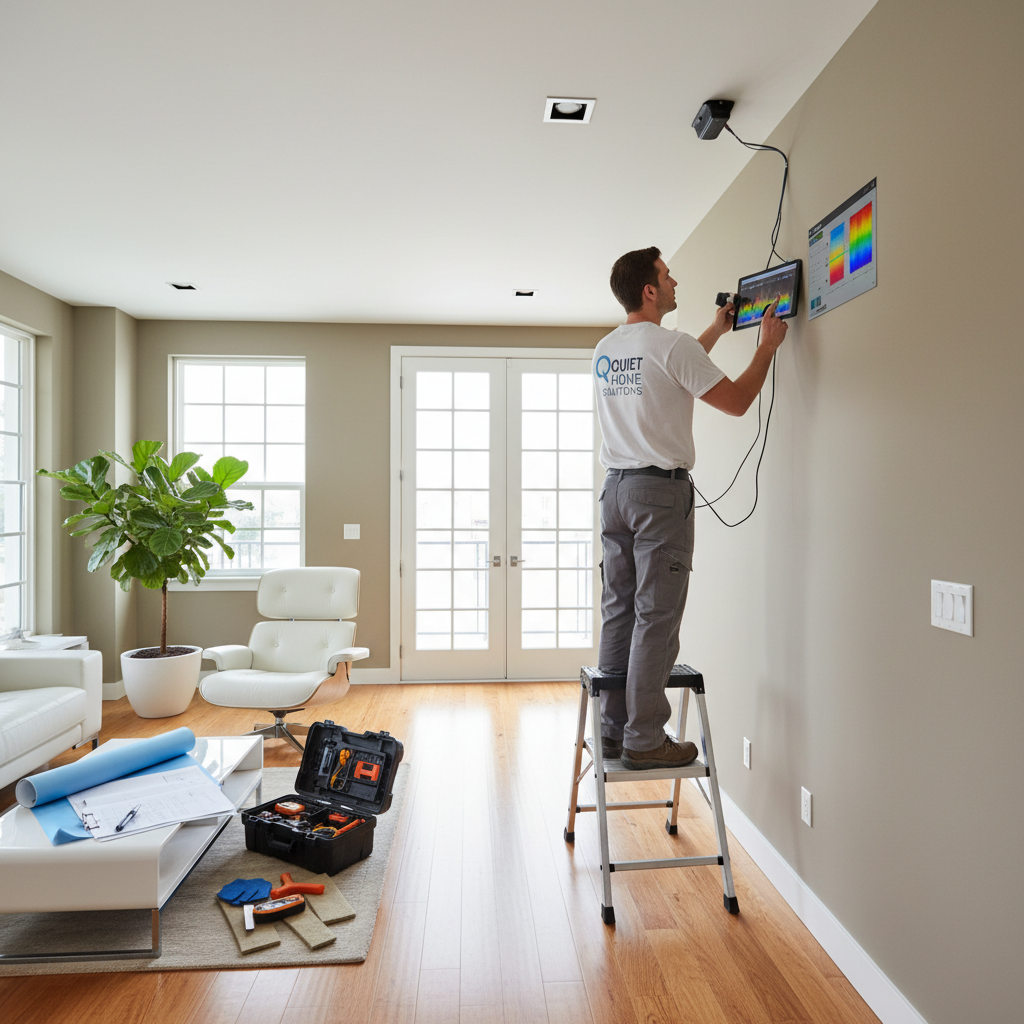
Pinpoint the entry points by placing your ear against walls, ceilings, and around penetrations like outlets to find where the sound is loudest.
Step 3
Inspect for obvious air gaps around doors and windows. If you can see light, sound is getting through.
Step 4
Assess the flanking paths by checking electrical boxes, recessed lighting, and HVAC vents as common culprits for sound leaks.
Step 5
Evaluate the existing materials. Knock on the wall—if it sounds hollow like a drum, it's likely uninsulated and a prime candidate for improvement.
DIY vs Professional Costs
| Repair Type | DIY Cost | Professional Cost | Time Required |
|---|---|---|---|
Sealing Gaps (Acoustic Caulk, Putty Pads) | $20 – $75 | $150 – $400 | 1-3 hours |
Upgrading to a Solid Core Door | $150 – $400 | $400 – $900 | 2-4 hours |
Adding Drywall w/ Green Glue | $300 – $800+ | $1,500 – $3,500+ (per wall) | 2-3 days (with finishing) |
Blown-In Insulation (Dense Pack) | $500 – $1,200 | $1,000 – $2,500 | 1 day |
Decoupling w/ Clips & Channels (The 'Real' Fix) | $800 – $2,000+ | $3,000 – $8,000+ | 3-5 days+ |
When to Call a Professional Insulation
- You've already sealed all the air gaps and improved the door, but significant noise still gets through.
- You're dealing with severe impact noise (footsteps) from an upper floor, which usually requires decoupling the ceiling.
- The project involves structural changes, significant drywall work, or you need to achieve a specific STC rating for a home theater or studio.
- You don't have the specialized tools (like a drywall lift), time, or physical ability to handle heavy materials and messy finishing work.
Prevention Tips
- During construction, fill all interior wall cavities with dense sound-dampening insulation like Rockwool mineral wool.
- Always use 5/8-inch drywall instead of 1/2-inch, and consider adding a second layer with Green Glue on critical walls.
- Install solid-core doors on all bedrooms and bathrooms instead of cheap hollow-core doors.
- Stagger electrical outlets between studs on shared walls to prevent creating a direct sound path.
- Use acoustic caulk to seal all gaps, including the bottom plate of walls to the subfloor and around all penetrations.
Frequently Asked Questions
Related Guides
House Remains Cold After Insulation? Troubleshooting Drafts & Hidden Leaks (A Pro's Guide)
Still freezing after adding more insulation? Your problem isn't the insulation, it's hidden air leaks. A 25-year vet explains how to find and fix them.
Ineffective Insulation Troubleshooting & Fixes (2024 Guide)
Feeling cold drafts or seeing huge energy bills? Your home's insulation is probably failing. Here’s a vet tech's guide to finding and fixing the problem.
Ensuring proper attic ventilation after adding insulation to maintain indoor air quality, energy efficiency, and prevent moisture issues. Troubleshooting & Fixes (2024 Guide)
Just added insulation and now have issues? I'll show you how to fix attic ventilation problems, prevent mold, and lower your energy bills. A veteran tech's guide.
Crawl Space Issues Troubleshooting & Fixes (2024 Guide from a Pro)
A veteran tech explains crawl space moisture, mold, and damage. Learn the real causes of musty smells and high energy bills, and how to fix them for good.
Ineffective or insufficient home insulation leading to high energy bills, drafts, and uncomfortable indoor temperatures, often due to aging, improper installation, or inadequate R-value for the climate. Troubleshooting & Fixes
Feeling high energy bills & uncomfortable rooms? Your home insulation might be failing. A veteran tech's guide to diagnosing and fixing it for good.
Identifying insulation gaps and air leaks through a home energy audit to improve energy efficiency, leading to higher utility bills and reduced comfort. Troubleshooting & Fixes
Feeling drafts or seeing high energy bills? Learn to identify and fix insulation gaps and air leaks with our comprehensive home energy audit troubleshooting guide.
Need Professional Help?
Find top-rated insulation experts in your area