Quick Answer
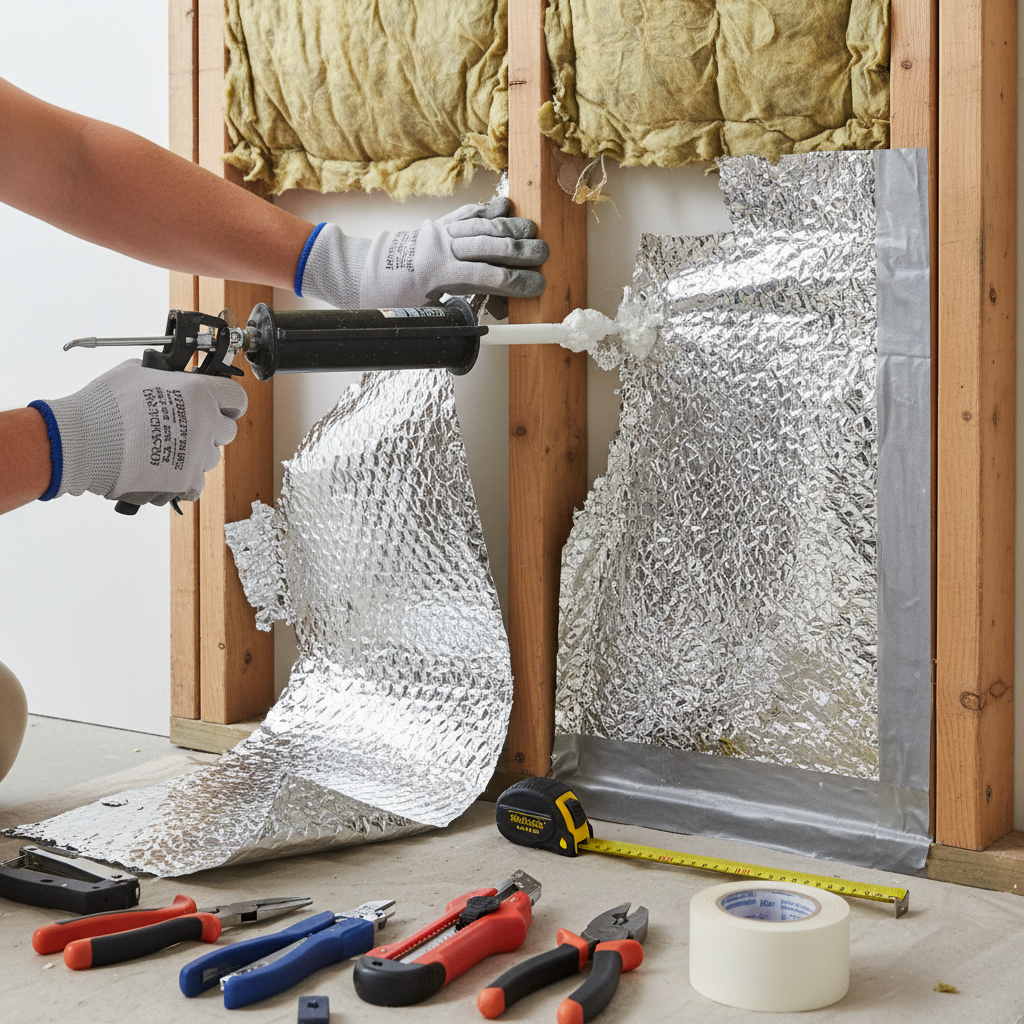
Okay so here's the quick version. If your house suddenly feels like a barn, you've probably got a new hole somewhere. A big draft. This is usually from storm damage, a critter gettin' in, or maybe some shoddy work from another trade. For a quick fix, you're looking at sealing gaps with spray foam or caulk and maybe taping some rigid foam board over a bigger hole. You can get the materials for under $50. It’s a band-aid, not surgery, but it'll get you through until you can get a proper repair done.
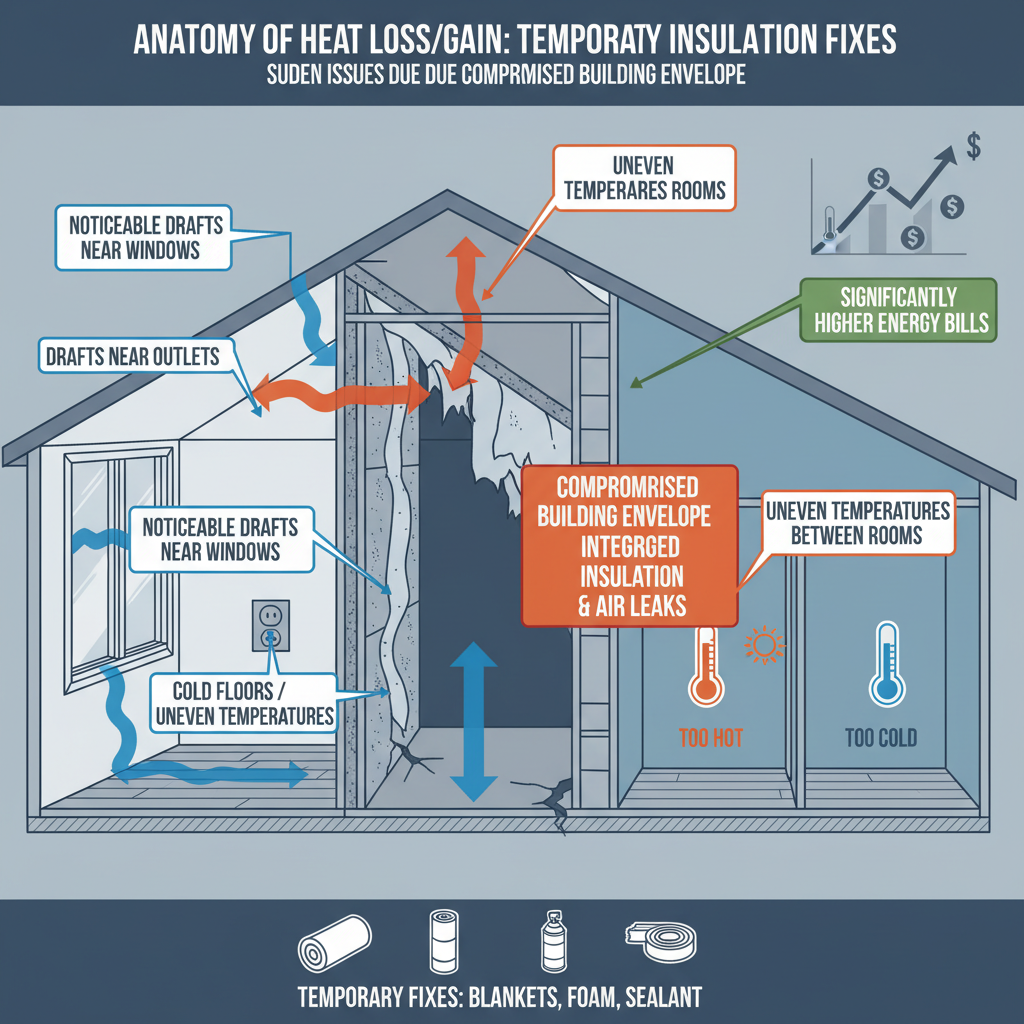
Common Symptoms
Possible Causes
Step-by-Step Diagnosis
Step 1
Visual Inspection - Use a flashlight to check the attic, basement, and crawlspace for displaced or damaged insulation, animal droppings, or signs of water leaks. Look for gaps around the foundation.
Step 2
Incense/Smoke Test - On a cool, windy day, turn off any fans and hold a lit incense stick near windows, outlets, and attic hatches. If the smoke wavers, it indicates an air leak.
Step 3
Hand Test - Run your bare hand over exterior walls, floors, and ceilings. Any distinct cold spots suggest a void or failure in the insulation behind the surface.
Step 4
Check Vent Penetrations - Make sure your dryer, bathroom fan, and kitchen hood vents are sealed where they exit the house and are not venting into the attic or crawlspace.
DIY vs Professional Costs
| Repair Type | DIY Cost | Professional Cost | Time Required |
|---|---|---|---|
Sealing gaps around windows/outlets (Caulk & Foam) | $10 - $50 | $200 - $500 | 1-3 hours |
Taping up a small hole (Plastic & Tape) | $20 - $60 | $250 - $400 | < 1 hour |
Patching a larger opening (Plywood / Rigid Foam) | $50 - $150 | $400 - $800+ | 2-4 hours |
Repositioning insulation batts in attic (if accessible) | $0 - $20 (for PPE) | $300 - $600 | 1-2 hours |
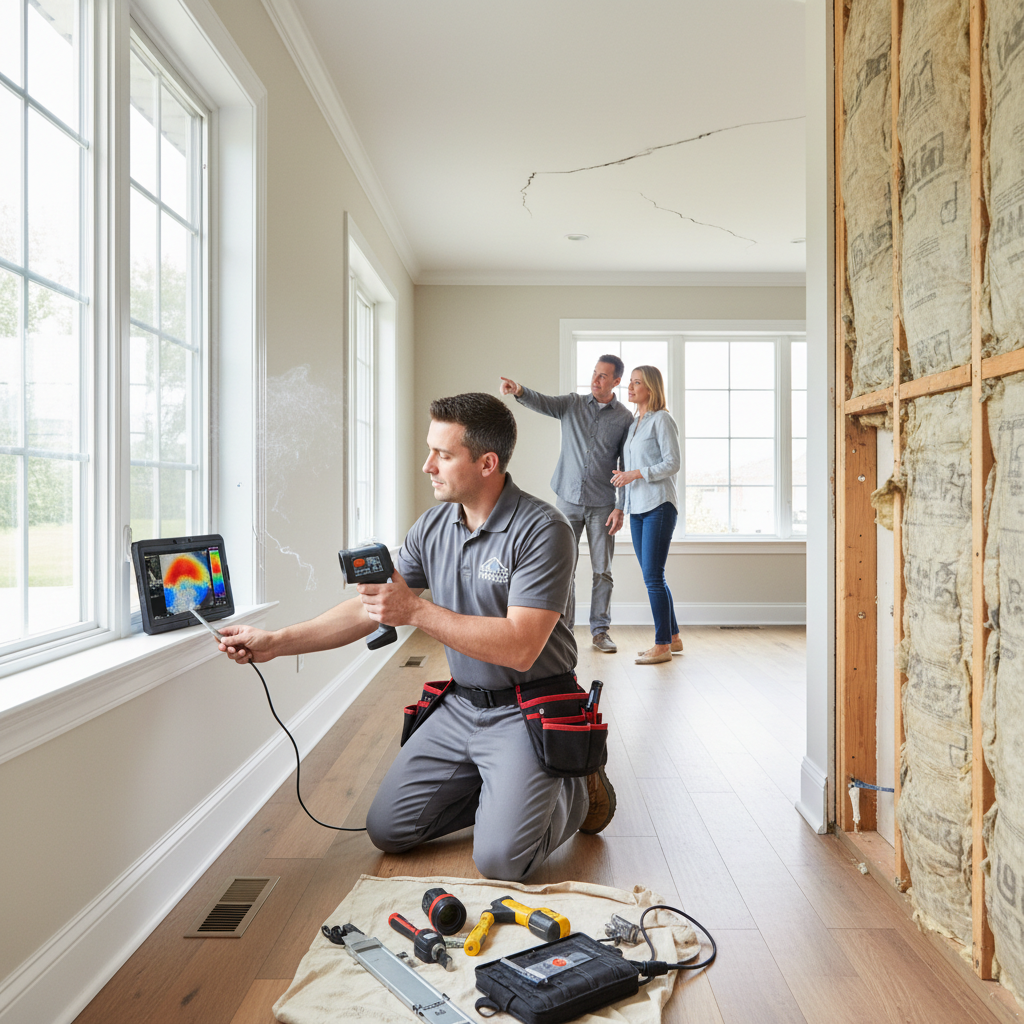
Full diagnostic with thermal camera (Energy Audit) | N/A | $250 - $600 | 2-3 hours |
When to Call a Professional Insulation
- If you see any signs of mold or suspect the presence of asbestos-containing materials.
- When the damage is structural, such as a large hole in the roof or a damaged wall stud.
- If the source of the heat loss is not obvious and you need a professional energy audit with a thermal camera.
- When the damage is extensive, such as from a major pest infestation or a significant water leak.
- If the repair is in a hard-to-access or dangerous location like a tight crawlspace or a high roof.
- When you simply don't have the right tools, skills, or comfort level to do the job safely and correctly.
Prevention Tips
- Perform a visual inspection of your home's exterior, attic, and basement at least twice a year.
- Keep caulk and weatherstripping around windows and doors in good shape, and re-apply as needed.
- Address any pest problems immediately before they have a chance to damage insulation.
- Maintain your roof and gutters to prevent water leaks that can lead to wet, ineffective insulation.
- When doing other projects, make sure any new holes for wires or pipes are properly sealed.
Frequently Asked Questions
Related Guides
House Remains Cold After Insulation? Troubleshooting Drafts & Hidden Leaks (A Pro's Guide)
Still freezing after adding more insulation? Your problem isn't the insulation, it's hidden air leaks. A 25-year vet explains how to find and fix them.
Ineffective Insulation Troubleshooting & Fixes (2024 Guide)
Feeling cold drafts or seeing huge energy bills? Your home's insulation is probably failing. Here’s a vet tech's guide to finding and fixing the problem.
Ensuring proper attic ventilation after adding insulation to maintain indoor air quality, energy efficiency, and prevent moisture issues. Troubleshooting & Fixes (2024 Guide)
Just added insulation and now have issues? I'll show you how to fix attic ventilation problems, prevent mold, and lower your energy bills. A veteran tech's guide.
Crawl Space Issues Troubleshooting & Fixes (2024 Guide from a Pro)
A veteran tech explains crawl space moisture, mold, and damage. Learn the real causes of musty smells and high energy bills, and how to fix them for good.
Ineffective or insufficient home insulation leading to high energy bills, drafts, and uncomfortable indoor temperatures, often due to aging, improper installation, or inadequate R-value for the climate. Troubleshooting & Fixes
Feeling high energy bills & uncomfortable rooms? Your home insulation might be failing. A veteran tech's guide to diagnosing and fixing it for good.
Identifying insulation gaps and air leaks through a home energy audit to improve energy efficiency, leading to higher utility bills and reduced comfort. Troubleshooting & Fixes
Feeling drafts or seeing high energy bills? Learn to identify and fix insulation gaps and air leaks with our comprehensive home energy audit troubleshooting guide.
Need Professional Help?
Find top-rated insulation experts in your area