Quick Answer
The direct answer is good, but emphasizing safety equipment and proper installation techniques, even for open walls, would be a good addition.
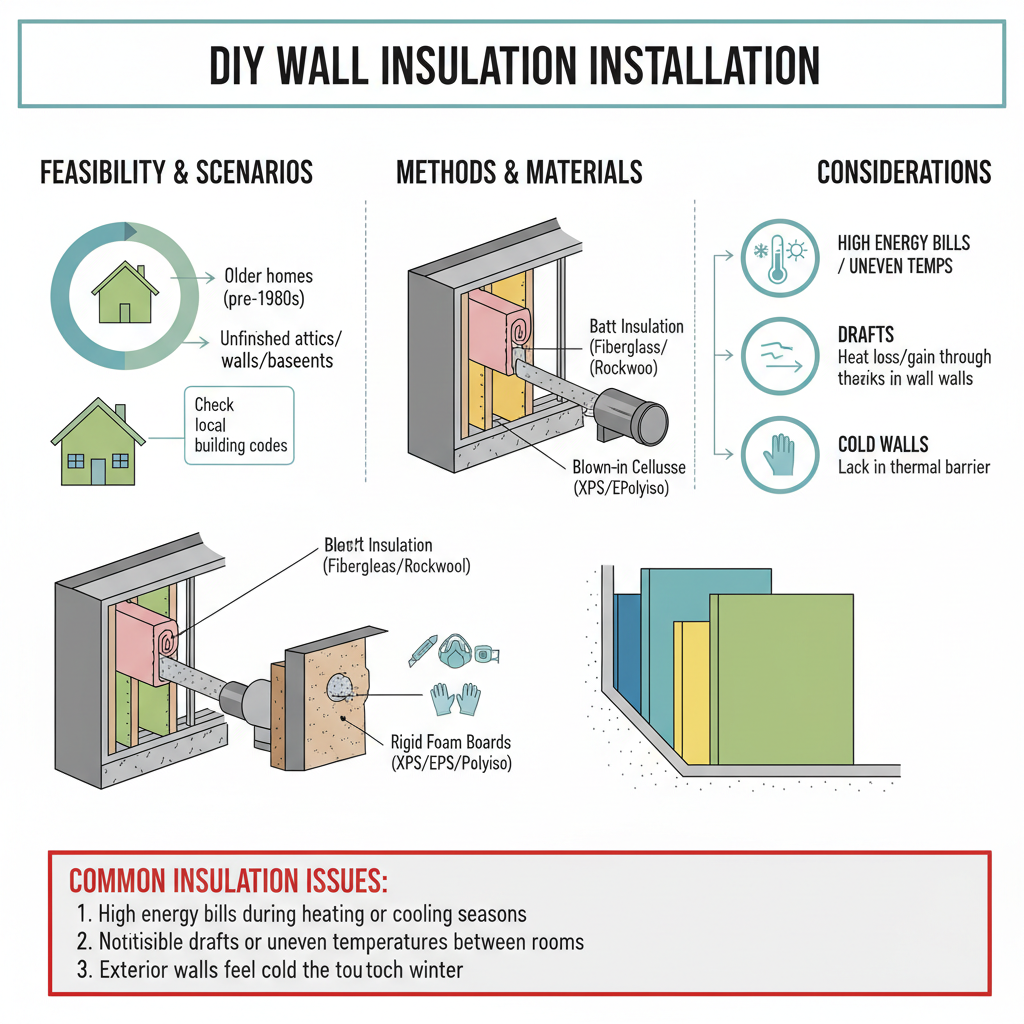
Common Symptoms
Possible Causes
Step-by-Step Diagnosis
Step 1
First, analyze your energy bills and physically identify cold spots and drafts in your home to pinpoint problem areas.
Step 2
Determine if you are working with open walls (drywall is removed) or closed walls (drywall is intact), as this dictates your entire approach.
Step 3
Research your local building codes to find the mandatory minimum R-value for exterior walls in your specific climate zone.
Step 4
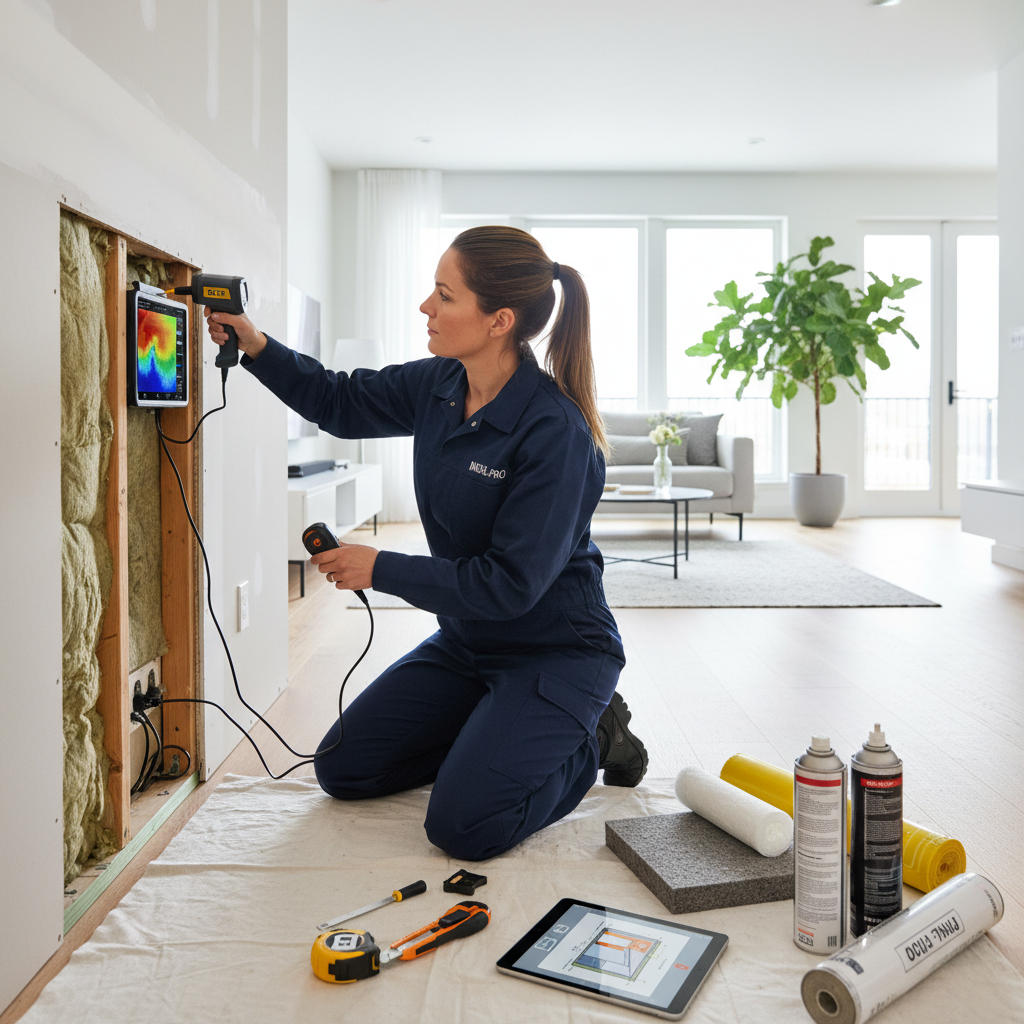
Carefully inspect the inside of a wall by drilling a small hole and using a boroscope or by cutting a small, patchable section of drywall out of a closet.
Step 5
If installing batts, precisely measure the width and depth of your stud cavities (e.g., 14.5" wide for 16" on-center studs, and 3.5" deep for a 2x4 wall) to buy the correct size insulation.
DIY vs Professional Costs
| Repair Type | DIY Cost | Professional Cost | Time Required |
|---|---|---|---|
Batt Insulation (Open Walls) | $0.50 – $1.50 / sq. ft. | $1.50 – $3.50 / sq. ft. | 4-8 hours per room |
Rigid Foam Board (Open Walls) | $1.00 – $2.50 / sq. ft. | $2.50 – $4.50 / sq. ft. | 6-10 hours per room |
Blown-In (Drill-and-Fill in Closed Walls) | $0.80 – $2.00 / sq. ft. + rental | $1.50 – $3.00 / sq. ft. | 1-2 days for a whole house |
Spray Foam (DON'T DIY THIS) | N/A | $2.00 – $7.00+ / sq. ft. | Never DIY |
When to Call a Professional Insulation
- When you want to use spray foam insulation. The DIY kits are not a good substitute for the professional-grade equipment and safety procedures required.
- When you need to insulate all the existing, closed walls of your house. A professional blown-in insulation crew is much more efficient and will likely achieve better results.
- If you discover any signs of significant moisture, water damage, or mold. This is a separate issue that needs to be addressed by a specialist before you even think about insulating.
- If you suspect your old insulation might contain hazardous materials like asbestos (commonly found in vermiculite). Stop work immediately and call an abatement professional for testing.
Prevention Tips
- Thoroughly air seal all cracks, gaps, and penetrations with caulk and spray foam BEFORE you install insulation. It's the most important step.
- Always install the code-required R-value for your climate zone, or even go one step higher if you can afford it. Don't cheap out.
- Make sure you install a vapor barrier on the correct side of the wall for your climate (usually the warm-in-winter side) to prevent moisture issues.
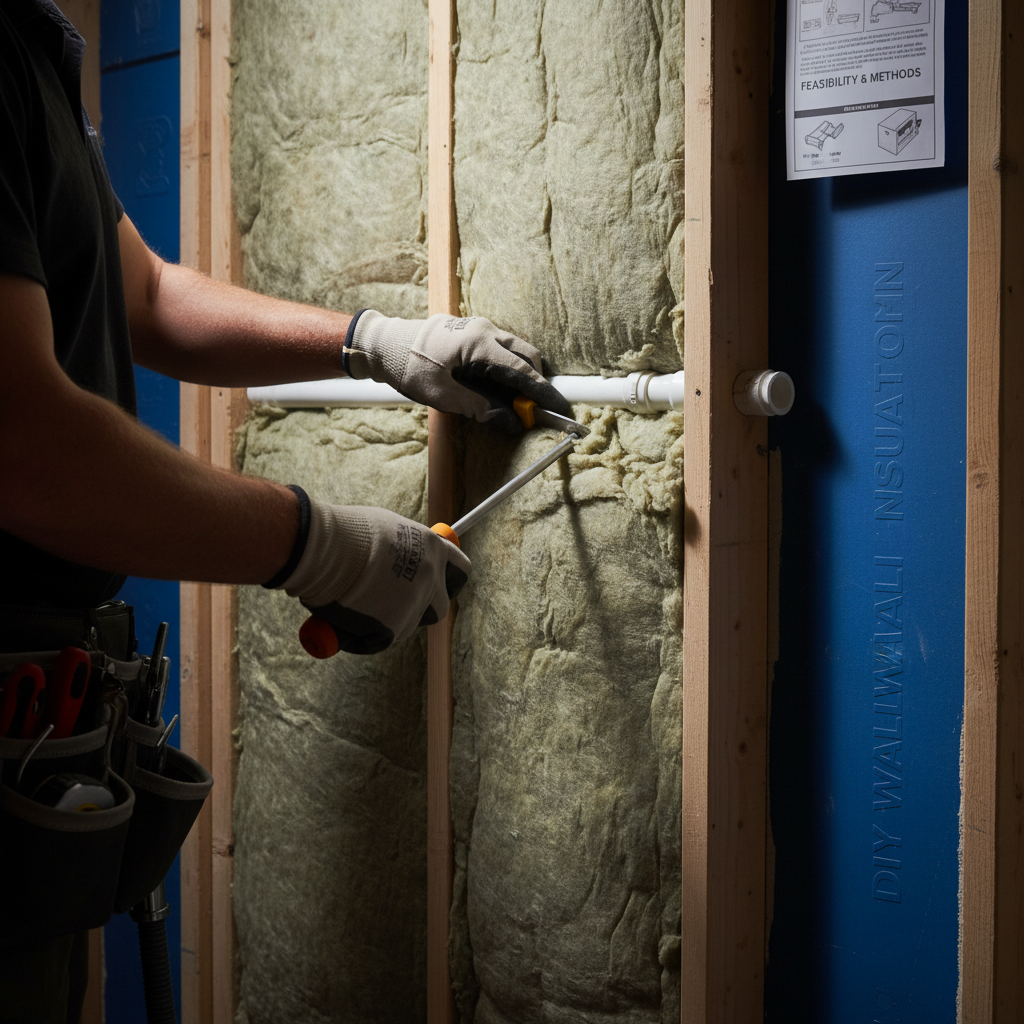
- Cut insulation batts to fit snugly around obstacles like electrical boxes and pipes; never compress or stuff them, as this ruins their insulating ability.
- Ensure continuous coverage with no gaps. Even small gaps can significantly reduce the overall performance of the wall.
Frequently Asked Questions
Related Guides
House Remains Cold After Insulation? Troubleshooting Drafts & Hidden Leaks (A Pro's Guide)
Still freezing after adding more insulation? Your problem isn't the insulation, it's hidden air leaks. A 25-year vet explains how to find and fix them.
Ineffective Insulation Troubleshooting & Fixes (2024 Guide)
Feeling cold drafts or seeing huge energy bills? Your home's insulation is probably failing. Here’s a vet tech's guide to finding and fixing the problem.
Ensuring proper attic ventilation after adding insulation to maintain indoor air quality, energy efficiency, and prevent moisture issues. Troubleshooting & Fixes (2024 Guide)
Just added insulation and now have issues? I'll show you how to fix attic ventilation problems, prevent mold, and lower your energy bills. A veteran tech's guide.
Crawl Space Issues Troubleshooting & Fixes (2024 Guide from a Pro)
A veteran tech explains crawl space moisture, mold, and damage. Learn the real causes of musty smells and high energy bills, and how to fix them for good.
Ineffective or insufficient home insulation leading to high energy bills, drafts, and uncomfortable indoor temperatures, often due to aging, improper installation, or inadequate R-value for the climate. Troubleshooting & Fixes
Feeling high energy bills & uncomfortable rooms? Your home insulation might be failing. A veteran tech's guide to diagnosing and fixing it for good.
Identifying insulation gaps and air leaks through a home energy audit to improve energy efficiency, leading to higher utility bills and reduced comfort. Troubleshooting & Fixes
Feeling drafts or seeing high energy bills? Learn to identify and fix insulation gaps and air leaks with our comprehensive home energy audit troubleshooting guide.
Need Professional Help?
Find top-rated insulation experts in your area