Quick Answer
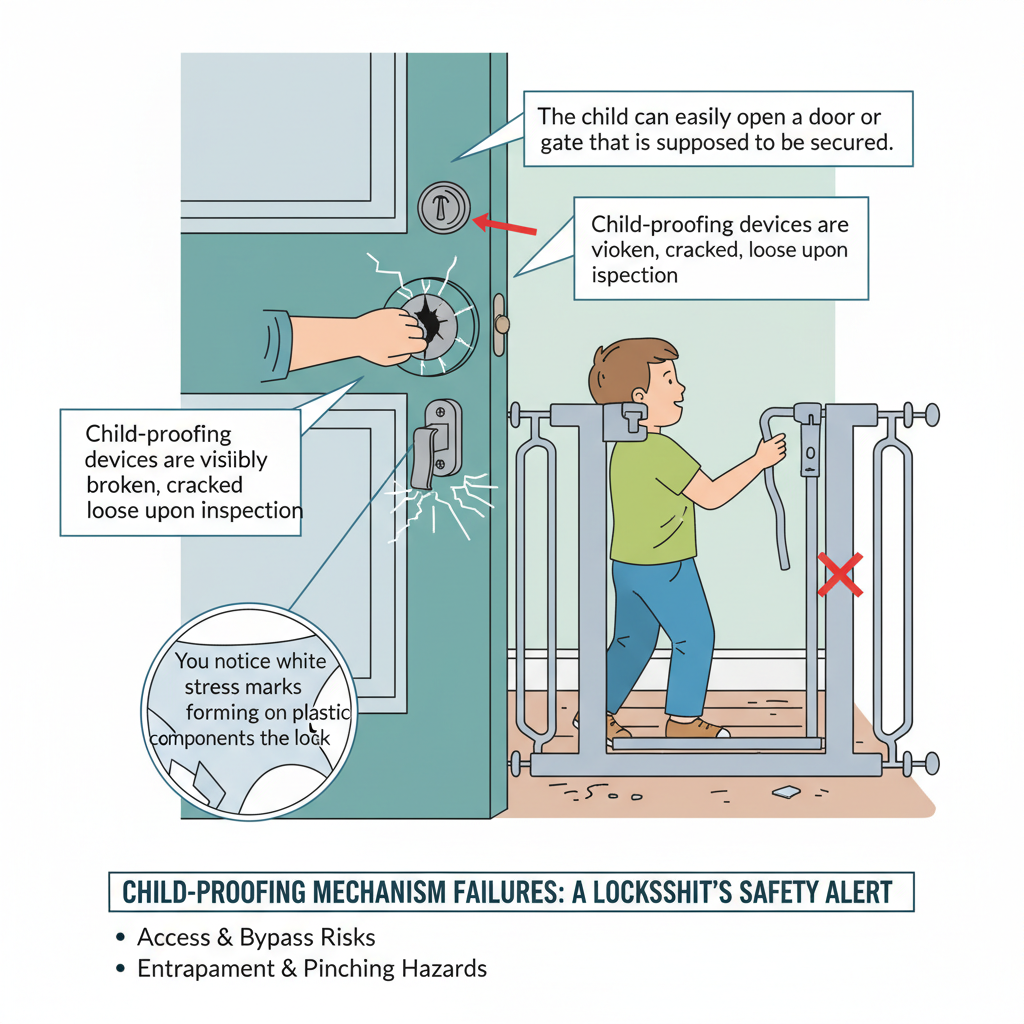
Okay so here's the quick version. Those cheap plastic child-proofing things you get in a 10-pack? They fail. It's what they do. Kids are smart, they get stronger, and the plastic gets brittle and cracks. Nine times out of ten, the problem is just a busted piece of plastic. You can replace it for a few bucks, but the real fix is usually upgrading to a sturdier device, or for serious situations like exterior doors, installing a high-mount deadbolt. You're looking at maybe $15 for a better latch, or $100-$300 to have a pro put in a real lock.
Common Symptoms
Possible Causes
Step-by-Step Diagnosis
Step 1
Visually inspect the device up close for any cracks, stress marks, or bending. Check if adhesive is peeling.
Step 2
Actively test the lock by trying to open the door without using the adult release. Pull, push, and wiggle the handle to simulate a child's attempt.
Step 3
Check the mounting points. If it uses screws, make sure they are tight. If adhesive, check the bond's integrity.
Step 4
Verify that the device is positioned correctly according to the manufacturer's instructions. Ensure latches fully engage their catches.
Step 5
If possible, secretly observe your child interacting with the device to understand how they are defeating it.
DIY vs Professional Costs
| Repair Type | DIY Cost | Professional Cost | Time Required |
|---|---|---|---|
Replace Plastic Knob/Lever Covers | $5-25 | $75-150 | 5-10 minutes |
Install New Adhesive Cabinet/Door Latches | $10-35 | $75-150 | 15-30 minutes |
Install Screw-In Top-of-Door Latch (e.g., GlideLok) | $20-50 | $100-200 | 30-45 minutes |
Install High-Mount, Keyless Deadbolt | $40-80 | $150-300 | 1-2 hours |
When to Call a Professional Locksmith
- When your child has defeated multiple types of DIY child-proofing devices.
- When you need to install a permanent solution, like a deadbolt, and aren't comfortable drilling into your doors or frames.
- If you have non-standard doors like pocket doors, French doors, or bifold doors that require specialized hardware.
- When you want a professional assessment of your entire home for a complete peace-of-mind solution.
- If the door or frame itself is damaged and needs repair before a lock can be properly installed.
Prevention Tips
- Stop buying the cheapest multi-pack safety devices. Spend a little more on sturdier, better-reviewed products.
- For all critical doors (exterior, garage, pool, basement), install a single-sided keyless deadbolt or a heavy-duty flip latch at least 54-60 inches off the ground.
- Regularly inspect all devices once a month. Give them a quick tug and a visual check for cracks or peeling.
- Follow installation instructions to the letter. Clean surfaces before applying adhesive and make sure screw-in models are properly aligned.
- Use layers of safety. On a particularly dangerous door, using two different types of devices can be an effective deterrent.
- Don't forget pinch guards on the hinge-side of doors to prevent smashed fingers.
Frequently Asked Questions
Related Guides
Keyless entry pad / Electronic lock keypad unresponsive or malfunctioning (no power, incorrect code not recognized, flashing lights) Troubleshooting & Fixes
Key is stiff to turn or hard to turn in a door lock, potentially indicating internal mechanism issues, lubrication needs, or foreign object interference. Troubleshooting & Fixes
Key Stuck In Car Ignition Troubleshooting & Fixes (2024 Guide)
Key stuck in your car's ignition and won't turn or come out? Our expert guide covers symptoms, causes, and step-by-step fixes for a stuck ignition key.
Key fob or car remote not working, including failure to lock/unlock doors, remote start malfunction, or vehicle not recognizing the key fob, often stemming from electronic or programming issues. Troubleshooting & Fixes
Car key fob not working? Learn how to fix lock, unlock, or remote start issues. Our guide covers battery replacement, reprogramming, and when to call a pro.
Basement Window Lock is Busted? Here's How to Fix It (The Real Way)
Basement window lock broken or just stuck? A 25-year vet locksmith shows you the real-world fixes, from simple lubricant to full replacement. Know when to DIY and when to call a pro.
Master Key Systems for Your House? (A Real Locksmith's Guide)
Thinking about a master key system for your home? A veteran locksmith explains the real-world pros, cons, and costs of getting rid of that giant key ring.
Need Professional Help?
Find top-rated locksmith experts in your area