Quick Answer
Okay, so here's the quick version. Your sliding door lock is giving you grief, right? Most of the time, it's one of two things: the door is out of alignment, or the lock's just plain filthy. The house settles, the rollers get worn, and suddenly nothing lines up. Before you panic, clean the track and the lock mechanism. If that doesn't work, the little plate on the frame might need adjusting. If you end up needing me, a simple fix is $100-$150. A full replacement? Could be $200, could be $500+. It all depends.
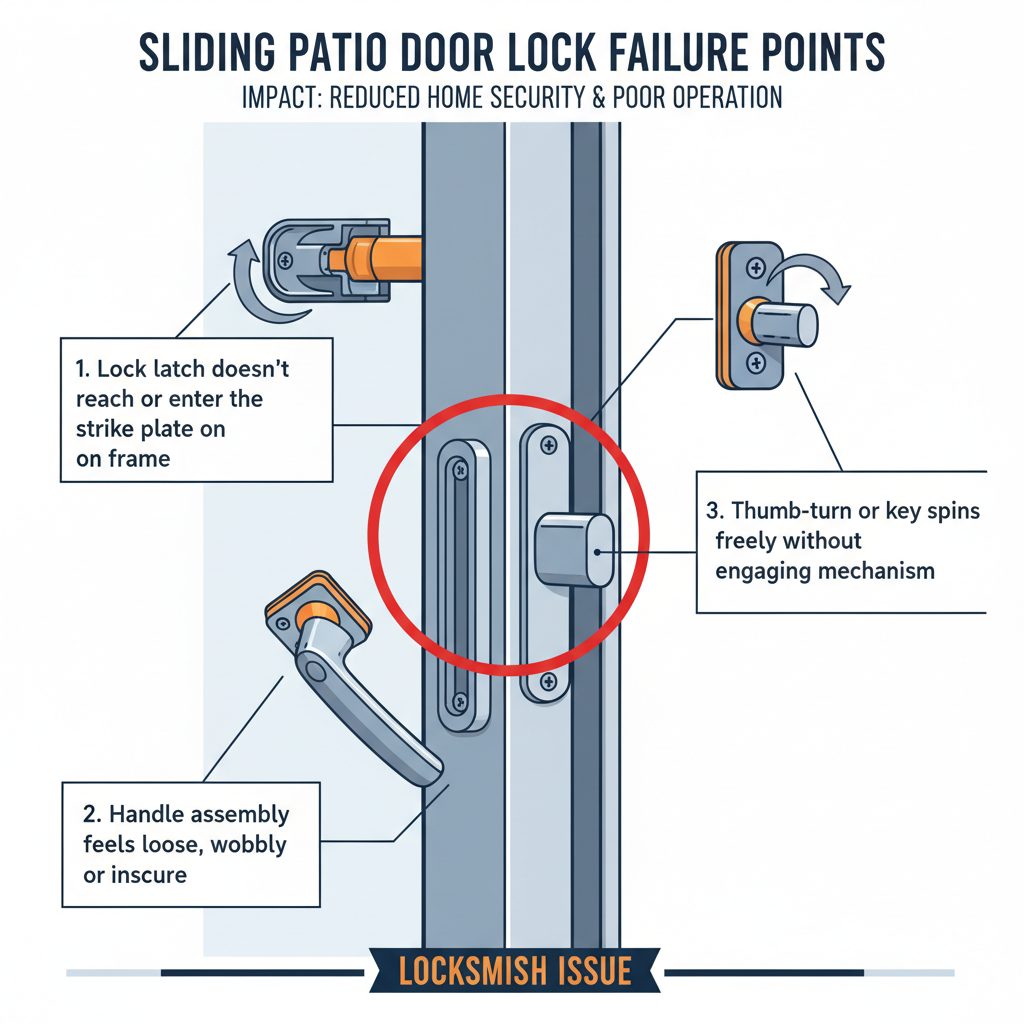
Common Symptoms
Possible Causes
Step-by-Step Diagnosis
Step 1
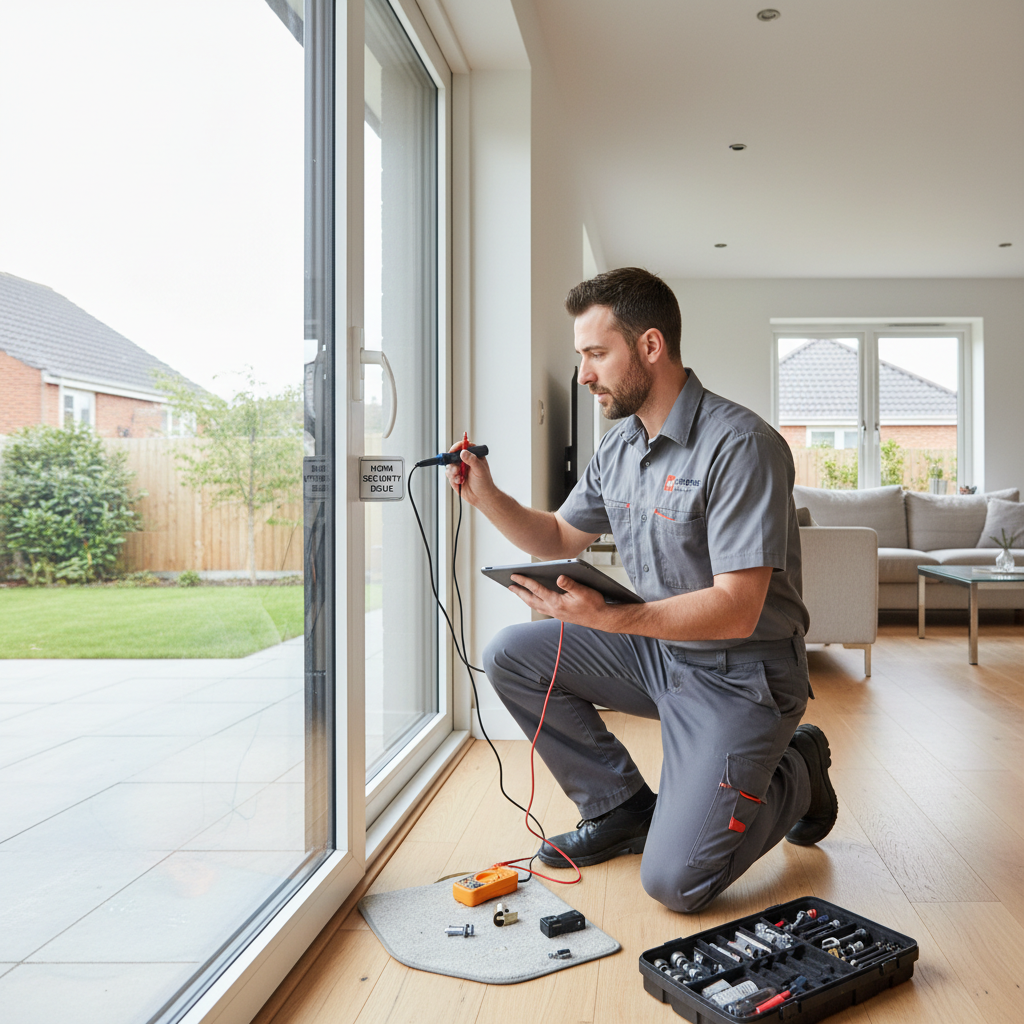
Perform the 'Door Open Test'. Open the door completely and try to operate the lock. If it works smoothly, the problem is alignment. If not, the lock itself is likely broken.
Step 2
Visually inspect the alignment. Close the door slowly and watch at lock-level to see if the bolt is aiming correctly for the hole in the strike plate.
Step 3
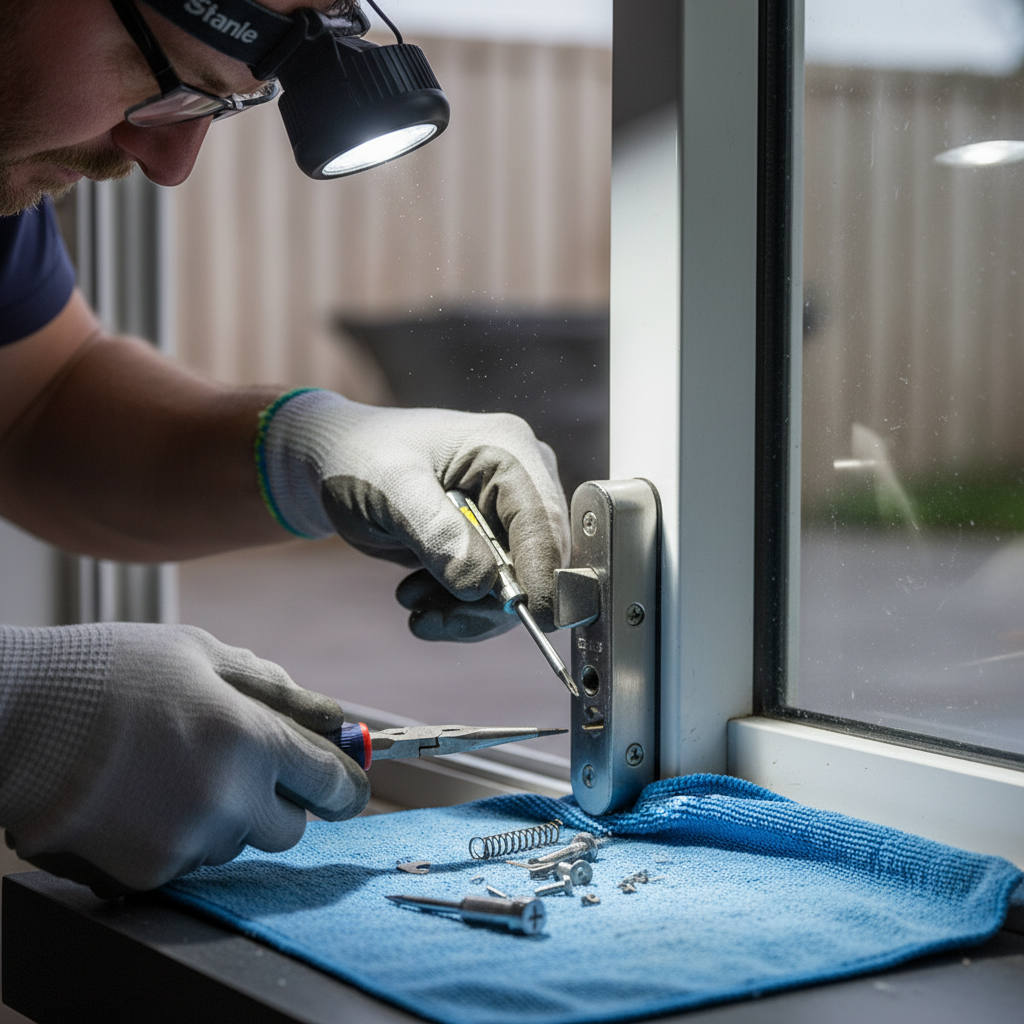
Clean the lock, bolt, and strike plate with a stiff brush and compressed air to remove any debris that could be causing an obstruction.
Step 4
Lubricate the lock mechanism with a DRY lubricant like graphite powder or a silicone spray. Avoid using oil-based lubricants like WD-40.
Step 5
Check and tighten all accessible screws on the lock handle assembly and the strike plate on the door frame.
Step 6
Examine the door's rollers. If the door is hard to slide or sags, look for adjustment screws on the bottom edge of the door to try and raise or lower it for better alignment.
DIY vs Professional Costs
| Repair Type | DIY Cost | Professional Cost | Time Required |
|---|---|---|---|
Cleaning & Lubrication | $10-20 | $100-175 | 30 minutes |
Strike Plate Adjustment | $0-15 | $125-200 | 15-45 minutes |
Door Roller Adjustment/Replacement | $30-100 | $200-450 | 1-3 hours |
Basic Lock Handle Replacement | $40-100 | $175-350 | 1 hour |
Mortise Lock Replacement | $100-250+ | $300-600+ | 2-4 hours |
When to Call a Professional Locksmith
- When you've tried cleaning, lubricating, and minor adjustments, but the lock still fails to work.
- If the key or thumb-turn spins freely, indicating a broken internal component that can't be repaired.
- When the door itself is extremely difficult to slide, indicating a significant roller or track issue that needs to be fixed before the lock will ever work properly.
- If you have a complex multi-point or mortise-style lock that requires specialized knowledge and tools.
- If you suspect the damage is from an attempted break-in, as the door frame's integrity may be compromised.
Prevention Tips
- Regularly vacuum the sliding door track to prevent debris buildup that can misalign the door.
- Once a year, lubricate the lock bolt and keyway with a dry lubricant like a silicone spray or graphite powder.
- Never force a stiff lock. Stop and investigate the cause to avoid breaking internal components.
- Periodically check and tighten the screws on the lock handle and strike plate.
- Install a secondary security bar ('Charlie Bar') in the track for added security, reducing wear and reliance on the primary lock.
Frequently Asked Questions
Related Guides
Sliding Patio Door Lock Troubleshooting & Fixes (2024 Guide by a Pro)
A veteran locksmith's guide to fixing a sliding patio door lock that won't engage, is sticky, or broken. Learn DIY fixes and when to call a pro.
Mailbox Lock Not Working? Fix Broken, Jammed, or Lost Key Issues
Can't open your mailbox? Learn how to fix a broken, jammed, or lost key mailbox lock. This guide covers DIY solutions, when to replace your lock, and how to know if your HOA or the Post Office is responsible.
Loose or wobbly door handles and knobs, specifically addressing issues with internal mechanisms or mounting. Troubleshooting & Fixes (2024 Guide)
Fed up with a wobbly door handle? I've been a locksmith for over 25 years, and here's my no-BS guide to fixing that annoying jiggle yourself before you call a pro.
Safe Lock Not Opening & Forgot Combination (Troubleshooting & Fixes)
Can't open your safe? Learn to troubleshoot a forgotten combination, dead batteries, or a stuck lock. See DIY fixes and when to call a locksmith.
Key Stuck In Car Ignition Troubleshooting & Fixes (2024 Guide)
Key stuck in your car ignition? Get step-by-step troubleshooting for common causes like steering wheel lock, worn keys, or debris. Learn DIY fixes and when to call a professional for a safe solution.
How to Effectively Lubricate Your Door Lock: Solve Sticking, Freezing, and Malfunctions
Learn how to effectively lubricate door locks to prevent sticking, freezing, and malfunctions. This guide covers the best lubricants (graphite powder, PTFE dry spray, silicone spray) for various lock parts, important lubricants to avoid (WD-40, oils), and step-by-step instructions for popular lock types. Keep your home secure and your locks operating smoothly through every season.
Need Professional Help?
Find top-rated locksmith experts in your area