Quick Answer
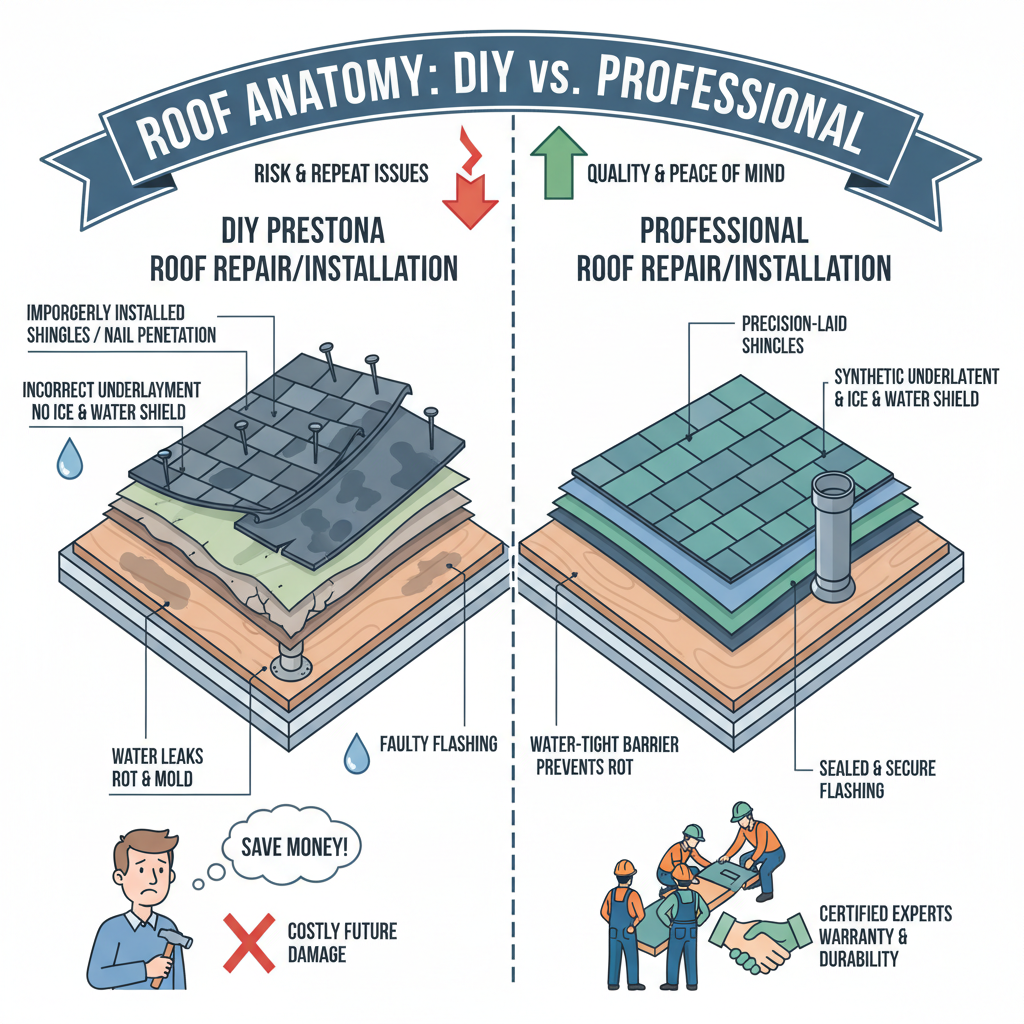
The decision to DIY roof repair or hire a professional depends on the complexity and extent of the damage, your skill level, and safety considerations. Minor, accessible repairs like replacing a few shingles might be DIY-friendly, but extensive damage, an entire roof replacement, or any work on a steep or high roof should always be handled by licensed and insured professional roofers for safety, quality, and warranty preservation.
Common Symptoms
Possible Causes
Step-by-Step Diagnosis
Step 1
**Perform a Safe Ground-Level Visual Inspection:** Use binoculars to carefully examine the entire roof surface from the ground. Look for missing, loose, curled, cracked, or discolored shingles. Pay close attention to ridge caps, valleys, eaves, and areas around chimneys, vents, and skylights for any signs of wear or damage. Note any visible sagging or warped sections and check for moss or algae growth.
Step 2
**Inspect Gutters and Downspouts Thoroughly:** Ensure they are clear of debris and draining properly. Look for excessive shingle granules, which indicate significant wear and aging of asphalt shingles and suggest potential roof replacement.
Step 3
**Conduct an Attic Inspection (Interior):** With a powerful flashlight, carefully inspect the underside of the roof deck, rafters, and insulation for water stains, black spots (mold/mildew), active drips, or visible light coming through the roof. Pay particular attention after periods of rain or snowmelt. Check around all roof penetrations for moisture.
Step 4
**Check Interior Ceilings and Walls:** Look for any water stains, peeling paint, or bulging areas on interior ceilings and walls, especially in upper-level rooms, as these are clear signs of water intrusion.
Step 5
**Examine Flashing and Sealants:** If safely accessible, closely inspect all metal flashings around chimneys, pipe vents, skylights, and in valleys. Look for rust, cracks, lifting, gaps in sealant, or signs of water bypassing the flashing. Deteriorated flashing is a very common source of leaks.
Step 6
**Assess Overall Roof Age and Condition:** Determine the age of your roof. Most asphalt shingle roofs last between 15-30 years. If your roof is nearing or past its expected lifespan and exhibits multiple warning signs, it's highly indicative that a professional assessment or complete replacement is needed.
Step 7
**Document All Findings:** Take clear photos or detailed notes of any discovered damage or areas of concern. This documentation is invaluable for deciding on DIY repair vs. professional hire and for obtaining accurate quotes from contractors.
When to Call a Professional Roofing
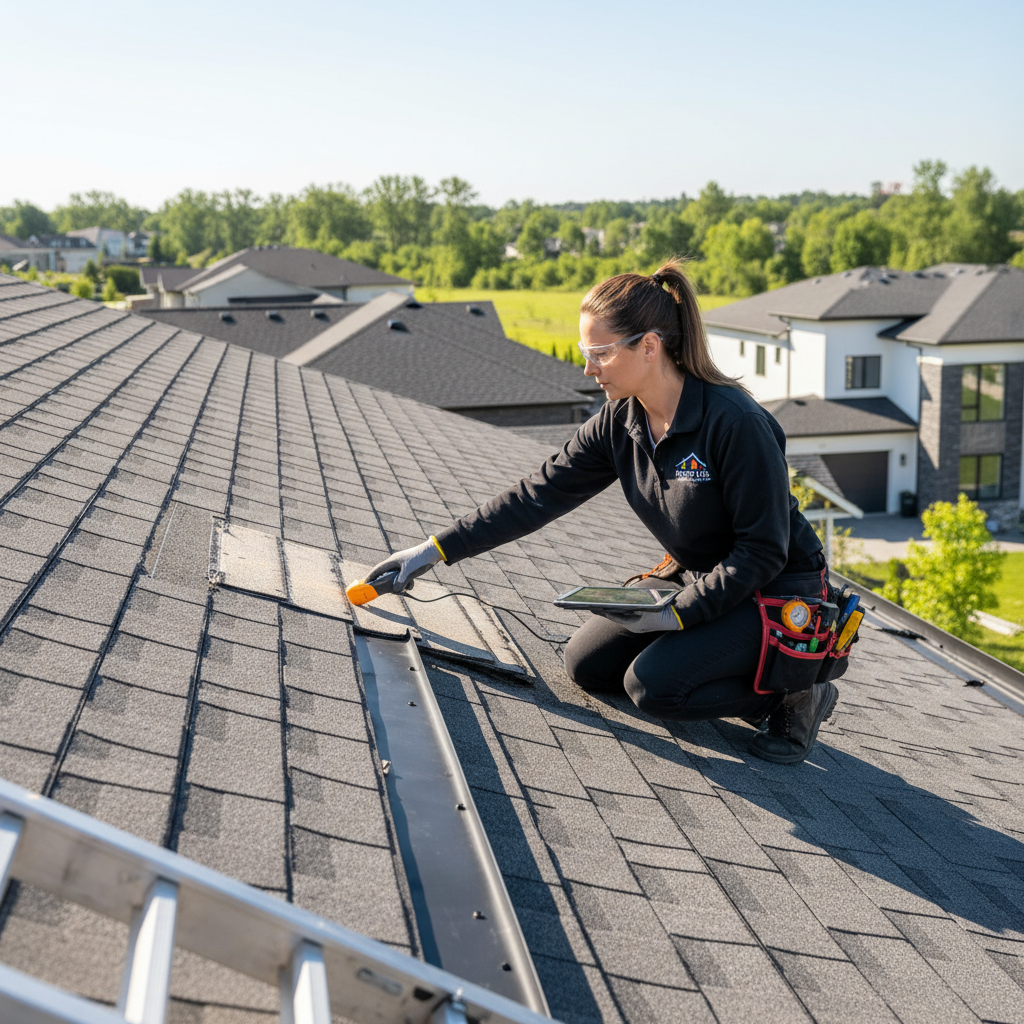
- The roof pitch is steep (greater than 4/12), the roof height is too great, or the roof structure is complex, making safe DIY access and work extremely difficult or dangerous.
- There are significant, widespread, or persistent leaks, obvious structural damage, or large sections of missing or extensively damaged roofing materials.
- You suspect damage from a severe storm (e.g., wind, hail) that is likely to warrant an insurance claim, as professionals can help with the assessment and claims process.
- Your roof is nearing or has exceeded its expected lifespan, and a full replacement is clearly needed rather than just repairs.
- You are uncomfortable working at heights, do not possess suitable safety equipment, or lack the necessary physical capability and experience for roofing work.
- You require a comprehensive warranty that covers both materials and labor for significant repair or installation work.
- Local building codes or permit requirements for the scope of work necessitate professional involvement and adherence to specific standards.
- You are planning to install or repair complex or specialized roofing materials such as slate, tile, metal, or cedar shakes, which require specific expertise and tools.
- Repeated attempts at DIY repairs have failed to resolve the core issue, indicating a deeper, more complicated problem that requires professional diagnosis and repair.
- You are unsure about the cause or extent of the damage and need a professional assessment to determine the best course of action.
Prevention Tips
- Regularly clean gutters and downspouts (at least twice a year) to ensure proper drainage and prevent water from backing up and damaging fascia, soffits, and the roof edge.
- Trim overhanging tree branches back from the roof to prevent debris buildup, moss growth, branch abrasion, and potential impact damage during storms.
- Schedule professional roof inspections at least every 1-3 years, and always after severe weather events. Early detection of minor issues can prevent costly major repairs.
- Ensure your attic has proper ventilation year-round. Adequate airflow prevents moisture buildup and excessive heat, which can prematurely age roofing materials and lead to wood rot and mildew.
- Promptly address small issues like loose flashing, a few missing shingles, or minor sealant cracks. Ignoring these can quickly lead to much larger, more expensive problems.
- Keep your roof clear of debris like leaves, pine needles, and sticks. These can trap moisture, accelerate material deterioration, and promote moss or algae growth.
- Consider installing gutter guards to reduce the frequency of gutter cleaning and prevent blockages.
- Ensure proper insulation in the attic to regulate temperatures, which helps prevent ice dam formation in colder climates.
Frequently Asked Questions
Related Guides
Clogged Gutters: Ultimate Troubleshooting, Repair & Prevention Guide
Stop costly home water damage at the source! Learn to identify, troubleshoot, fix, and prevent clogged gutters with our comprehensive DIY guide. Includes symptoms, causes, cleaning tips, and when to call a pro.
Roof Leak Troubleshooting & Fixes (2024 Guide)
Stop roof leaks in their tracks! Our 2024 guide provides expert troubleshooting for identifying symptoms, pinpointing causes, and offering DIY fixes. Learn when to call a professional to protect your home from water damage and keep your roof watertight.
General Roof Repair vs. DIY Troubleshooting & Fixes (2024 Guide)
Unsure whether to DIY your roof repair or hire a pro? This guide, from a 25-year roofing veteran, breaks down symptoms, causes, safe fixes, and crucial decision-making points for homeowners.
Cracked & Slipped Roof Tiles: Your Guide to Repairing Tile Roof Damage
Got cracked or slipped roof tiles? An old roofer explains how to spot the damage, what's causing it, and whether you can tackle the fix yourself before you get a nasty leak.
DIY vs. Professional Roof Repair & Installation: A Homeowner's Essential Guide
Navigate DIY vs. professional roof repair and installation with this essential guide. Learn when to tackle minor fixes yourself and when to trust licensed professionals for safety, quality, and warranties. Protect your home and make informed decisions.
Accumulation of algae, moss, lichen, and general grime on tile roofs, leading to aesthetic degradation and potential material damage, including dark streaks, discoloration, and organic growth. Troubleshooting & Fixes
Got a dirty tile roof with algae or moss? Our 2024 guide details DIY soft washing, professional cleaning costs, and prevention tips to restore your home's curb appeal.
Need Professional Help?
Find top-rated roofing experts in your area