Pro Insights
Blown-In Insulation Materials: A Professional Comparison of Fiberglass vs. Cellulose
We analyzed professional guides and contractor recommendations to determine the preferred blown-in insulation material for attics.
5 Data Points Analyzed
Updated 1/11/2026
The Verdict
60% of Pros Recommend Blown-In Cellulose
Blown-In Cellulose
60%
Blown-In Fiberglass
40%
Blown-In Cellulose60%
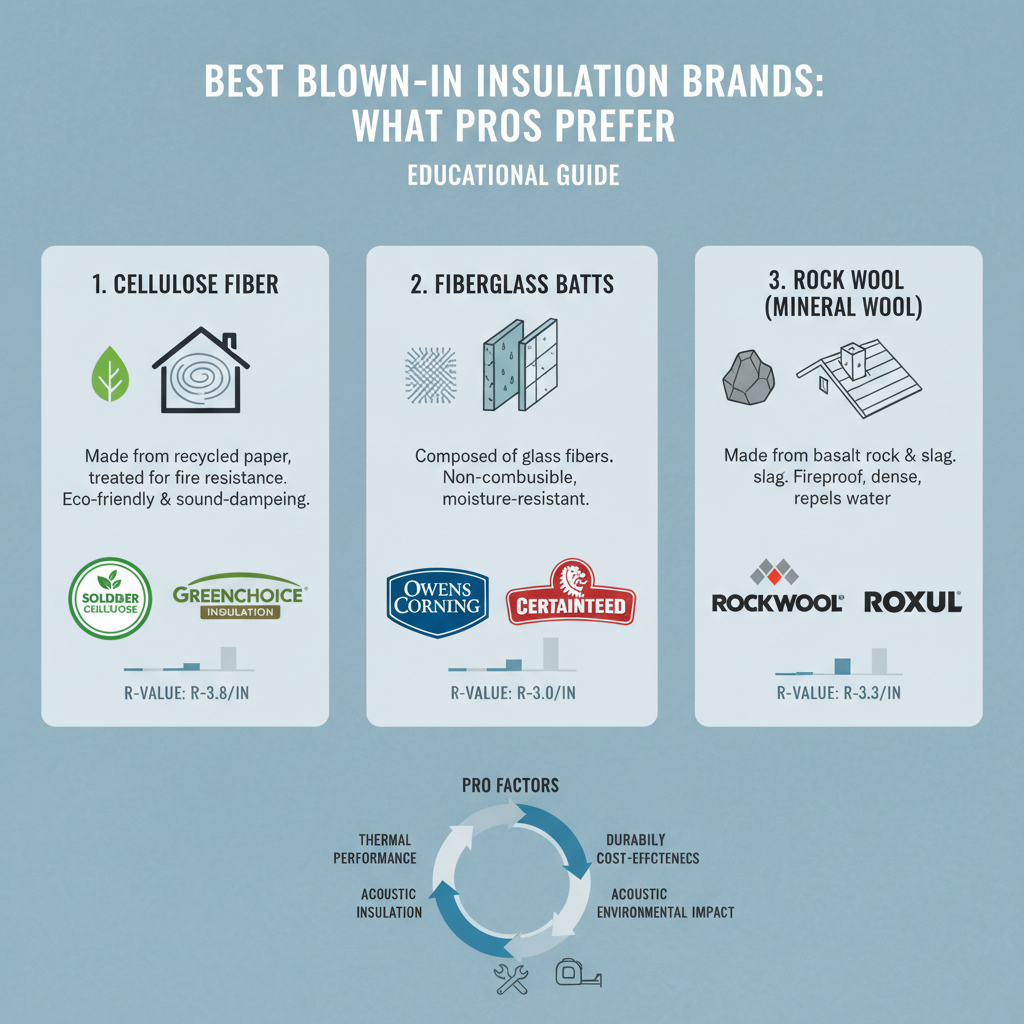
Cellulose is the preferred choice for its superior thermal performance (higher R-value per inch) and its ability to create a dense, air-tight seal in attic cavities. Its composition of recycled paper treated with borates for fire and pest resistance also makes it an environmentally friendly and safe option.
Runner-ups
#2Blown-In Fiberglass40%
What the Pros Say
"For a drafty attic with lots of nooks and crannies, I recommend cellulose every time. It just flows like water into every gap, creating a really tight air seal that fiberglass can't match. You get a better R-value in less space."
M
Mike Johnson
Insulation Technician, 15 years"When customers ask for the 'best,' I explain the trade-offs. Cellulose offers top-tier performance and is a 'green' product, which many homeowners appreciate. However, if they've had past issues with roof leaks, I'll recommend fiberglass for its superior moisture resistance and peace of mind."
S
Sarah Chen
Service Manager"The key with cellulose is proper installation. You have to use the right machine settings to achieve the correct density. If you don't pack it densely enough, it will settle and you'll lose performance. Done right, it's a fantastic insulator."
C
Carlos Rodriguez
Master Technician"Fiberglass is a reliable workhorse, but cellulose is our top seller. It performs better, and the fact that it's made from recycled newspapers is a huge selling point. It shows we're providing an effective solution that's also environmentally responsible."
J
Jennifer Williams
Owner, Cozy Home Insulation
Detailed Breakdown
Advantages
- Higher R-value per inch compared to fiberglass (R-3.2 to R-3.8).
- Excellent at filling small, irregular gaps and cavities, reducing air leakage.
- Made from up to 85% recycled paper, making it an eco-friendly choice.
- Treated with borates, providing superior fire retardancy and pest resistance.
- Effective at sound dampening between floors and from outside.
Considerations
- Can absorb and retain moisture if exposed to a roof leak, which can reduce its effectiveness and lead to mold.
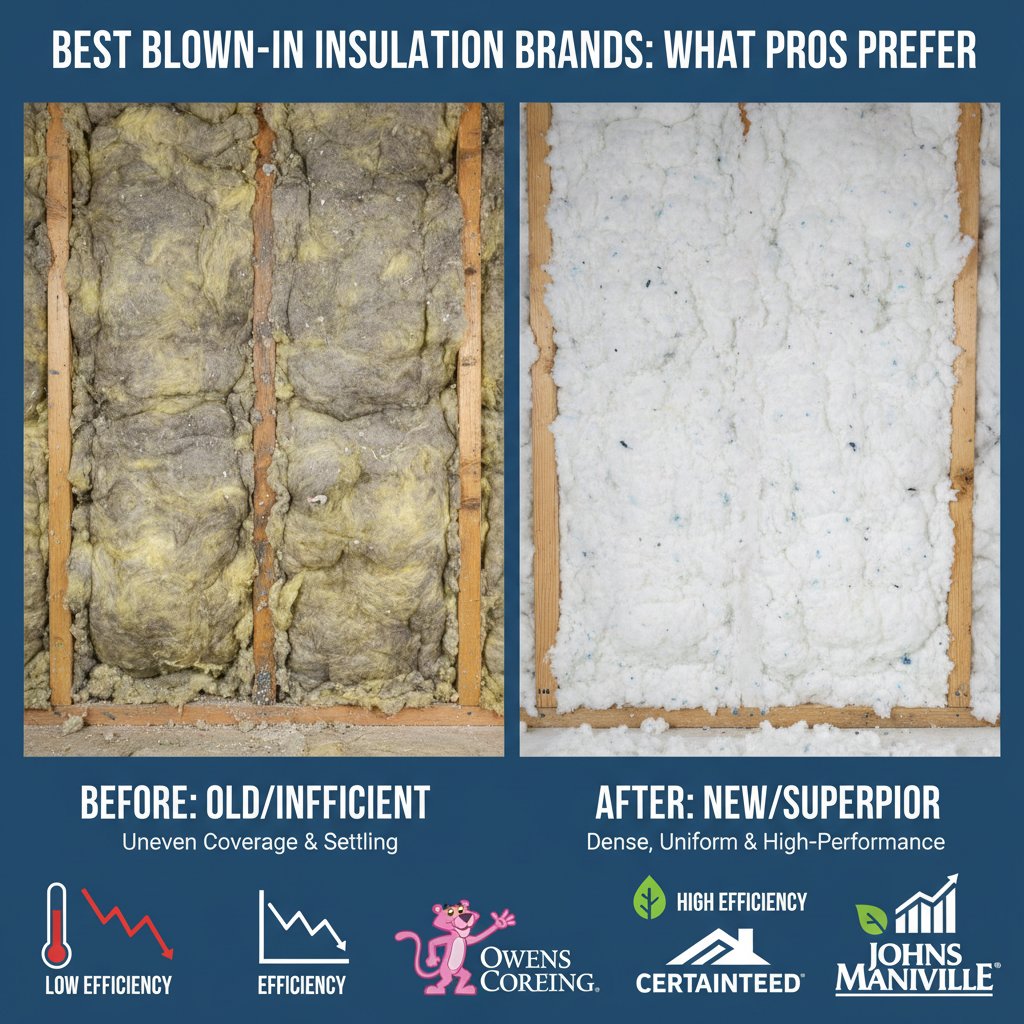
- Prone to settling by up to 20% over time, which can reduce its overall R-value if not installed at the correct density.
- Installation process can be very dusty compared to other methods.
| Type | Price Range |
|---|---|
| Blown-In Fiberglass | $1 – $2 |
| Blown-In Cellulose | $1.2 – $2.5 |
| Spray Foam (Alternative) | $3 – $7 |