Pro Insights
Best Insulation for Basement Walls: A Data-Driven Professional Guide
We analyzed expert recommendations and cost data to identify the best materials for a dry, comfortable, and energy-efficient basement.
28 Data Points Analyzed
Updated 1/11/2026
The Verdict
85% of Pros Recommend Rigid Foam Board (XPS/EPS) & Closed-Cell Spray Foam
Rigid Foam Board (XPS/EPS) & Closed-Cell Spray Foam
85%
Mineral Wool Batts
10%
Fiberglass Batts
5%
Rigid Foam Board (XPS/EPS) & Closed-Cell Spray Foam85%
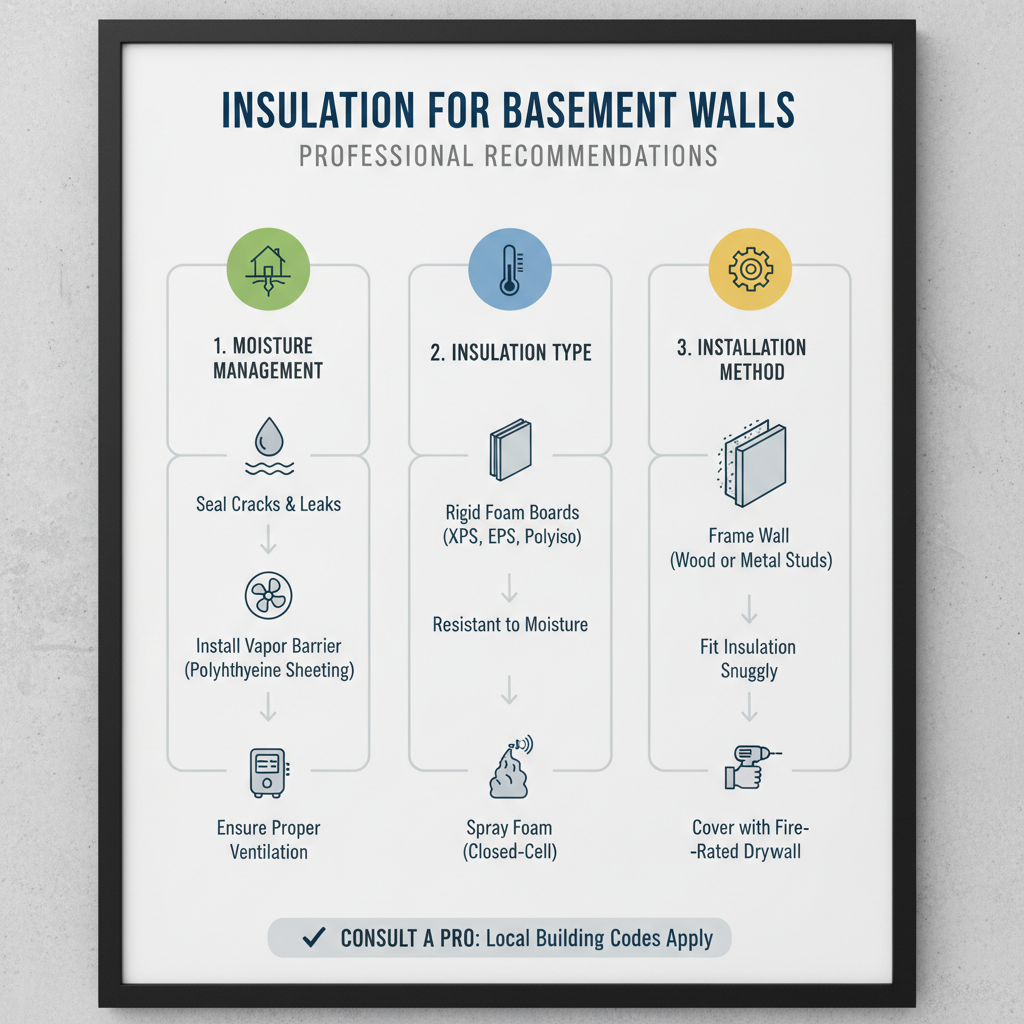
Foam-based insulation is the overwhelming winner due to its moisture-impermeable nature. It acts as a continuous thermal, air, and vapor barrier directly against the concrete, preventing condensation and mold growth, which are the primary risks in below-grade spaces.
Runner-ups
#2Mineral Wool Batts10%
#3Fiberglass Batts5%
What the Pros Say
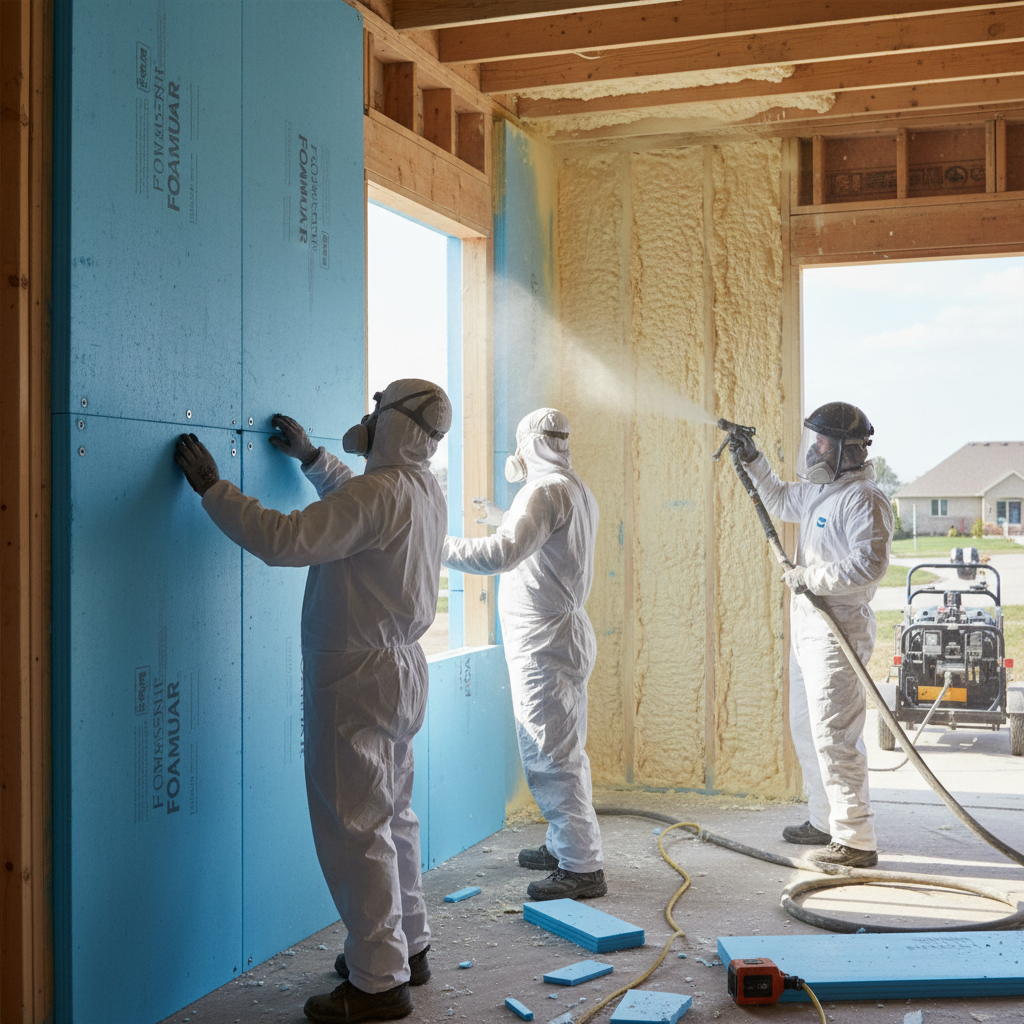
"Don't even think about putting fiberglass directly against a concrete basement wall. It's just a sponge for moisture. We always start with a layer of rigid foam board or closed-cell spray foam to create that crucial vapor barrier. It's the only way to do it right and avoid a callback for a mold problem in five years."
D
David Miller
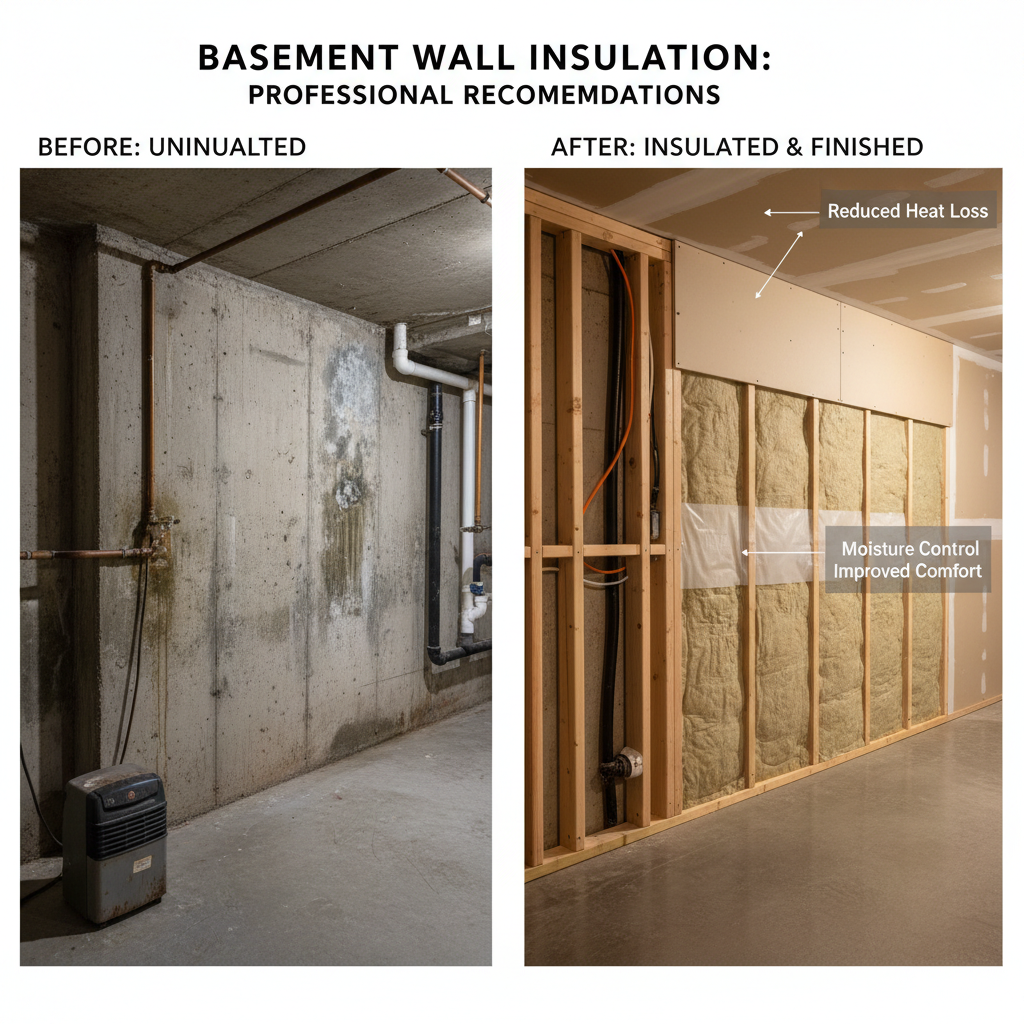
Lead Insulation Foreman, 18 years"Clients are amazed at the difference. Insulating a basement isn't just about the energy bill; it's about reclaiming a whole level of your home. The musty smell disappears, the floors above are warmer, and you get a dry, comfortable space you can actually use."
A
Angela Davis
Home Performance Consultant"The key is continuity. With foam, whether it's board or spray, we can create an unbroken seal from the slab up to the rim joist. Taping the seams on foam board is critical. With spray foam, it naturally fills every crack and gap, giving you a monolithic barrier against air and moisture intrusion."
M
Marco Diaz
Master Technician"The extra cost for foam insulation in a basement is an investment, not an expense. You save on long-term energy costs, but more importantly, you prevent thousands in potential mold remediation and structural damage. It's the best insurance policy for a finished basement."
J
Jessica Wright
Owner, Wright Construction
Detailed Breakdown
Advantages
- Excellent thermal performance (high R-value per inch)
- Acts as a built-in vapor and air barrier when sealed properly
- Impermeable to moisture, preventing mold and mildew
- Increases home energy efficiency, reducing heating/cooling costs up to 30%
- Improves overall home comfort by eliminating cold drafts
- Durable and does not sag or settle over time
- Closed-cell spray foam can add structural rigidity to walls
Considerations
- Higher upfront material and installation cost compared to fiberglass
- Professional installation is required for spray foam and recommended for rigid foam to ensure a perfect seal
- Less DIY-friendly than traditional batt insulation
- Some blowing agents in foam products have environmental impacts
| Type | Price Range |
|---|---|
| Fiberglass Batts (R-13) | $0.5 – $1.5 |
| Rigid Foam Board (XPS/EPS) | $1.5 – $3.5 |
| Closed-Cell Spray Foam | $2 – $5 |