Quick Answer
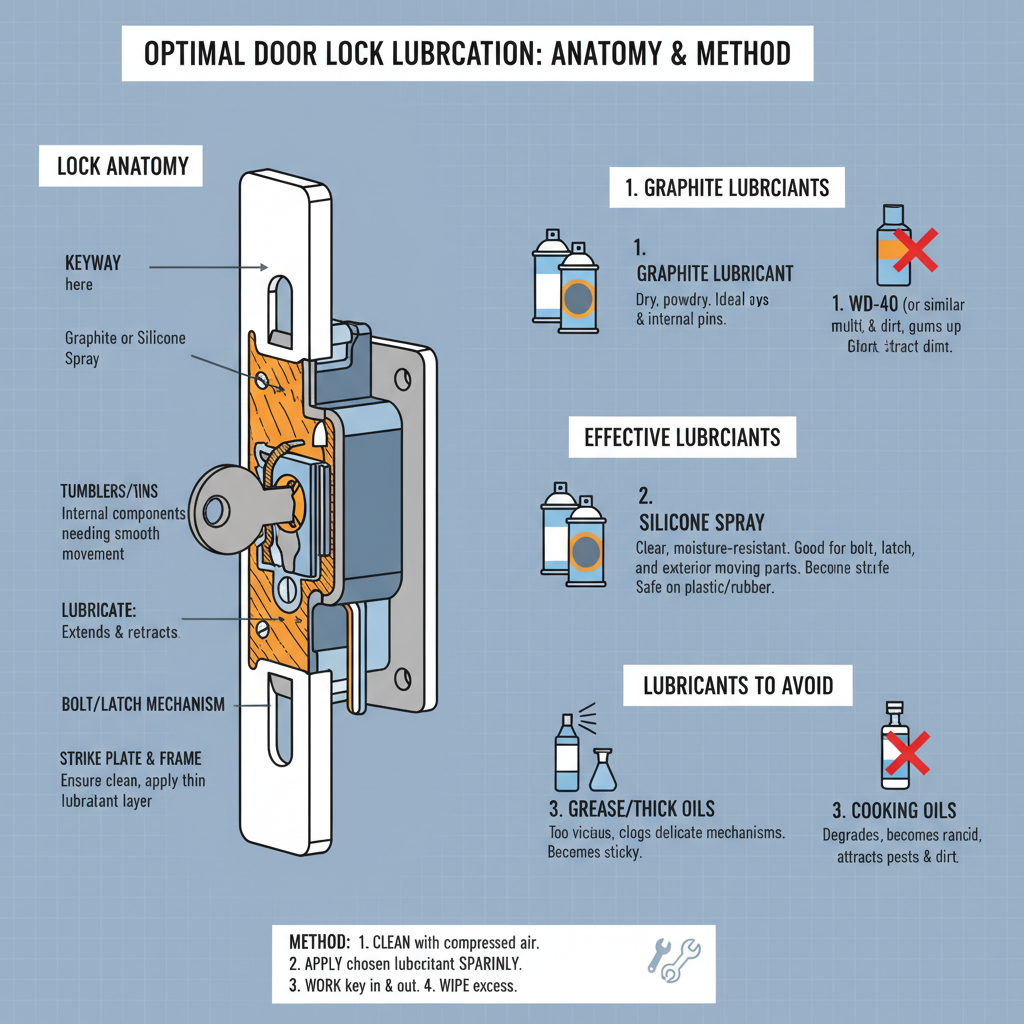
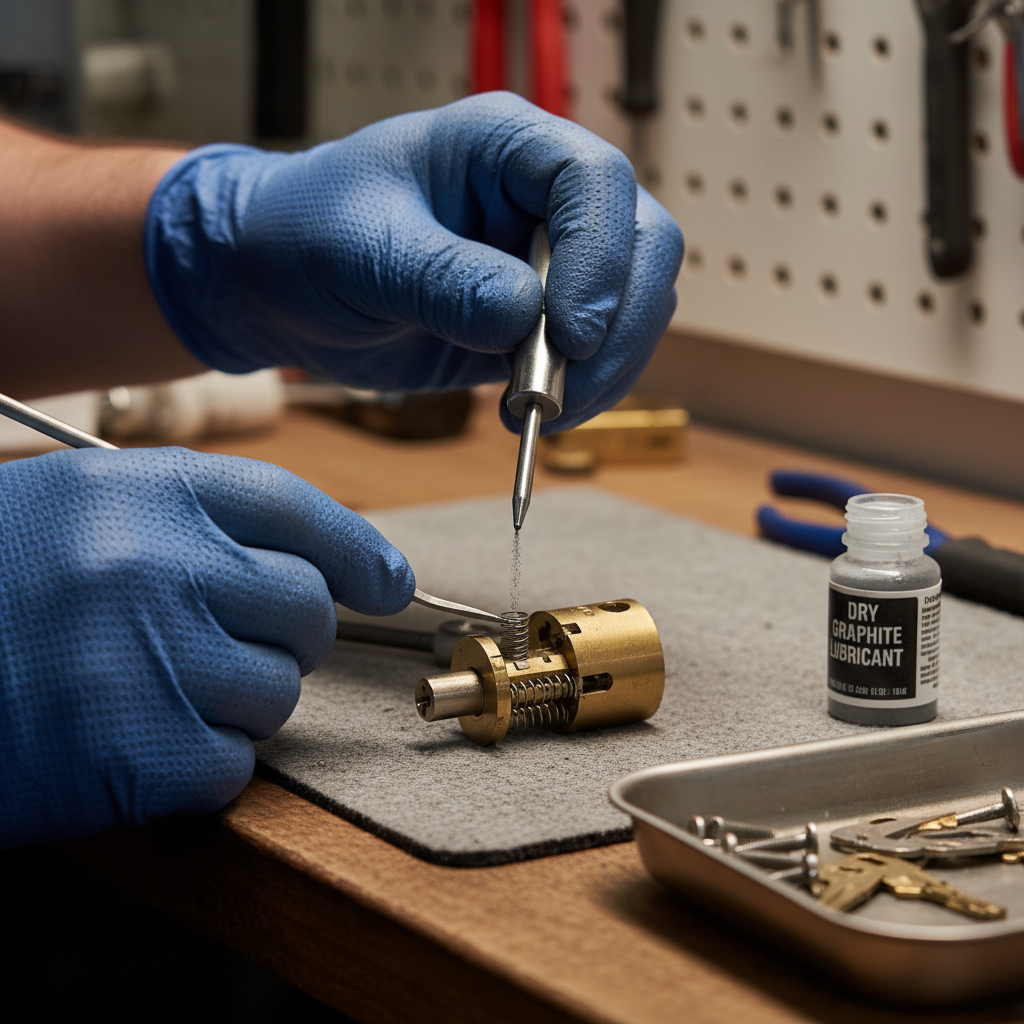
To effectively lubricate a door lock, first clean the keyway with compressed air. Then, apply graphite powder or a PTFE-based dry lubricant to the keyway and internal pin mechanisms. For the latch bolt and other external moving parts, use a silicone-based spray or a very light application of white lithium grease. Avoid oil-based lubricants like WD-40, 3-in-1 oil, or cooking oils, as they can attract dirt, gum up, and damage the lock over time. Apply lubricants sparingly and operate the lock repeatedly to distribute them evenly.
Common Symptoms
Possible Causes
Step-by-Step Diagnosis
Step 1
**Inspect the Key:** Examine your key for any signs of bending, burrs, damage, or excessive build-up. A compromised key can mimic a faulty lock.
Step 2
**Clear Keyway Debris:** Use compressed air or a small vacuum cleaner brush attachment to clear any visible debris from the keyway. Insert and remove a clean key several times.
Step 3
**Check Door and Strike Plate Alignment:** With the door closed, observe if the latch and deadbolt align perfectly with the holes in the door frame's strike plate. Misalignment can cause friction and difficulty in locking/unlocking.
Step 4
**Initial Lock Operation Test:** Before applying lubricant, operate the lock several times. Pay close attention to exactly where the resistance, stiffness, or noise occurs (e.g., key insertion, key turning, bolt throw). This helps pinpoint the problem area.
Step 5
**Listen for Specific Sounds:** Identify any grinding, squeaking, clicking, or scraping noises, as these indicate specific points of friction or wear.
Step 6
**Check for Looseness:** Gently jiggle the door knob/lever or deadbolt housing. Excessive looseness might indicate wear of internal components beyond simple lubrication, possibly requiring repair or replacement.
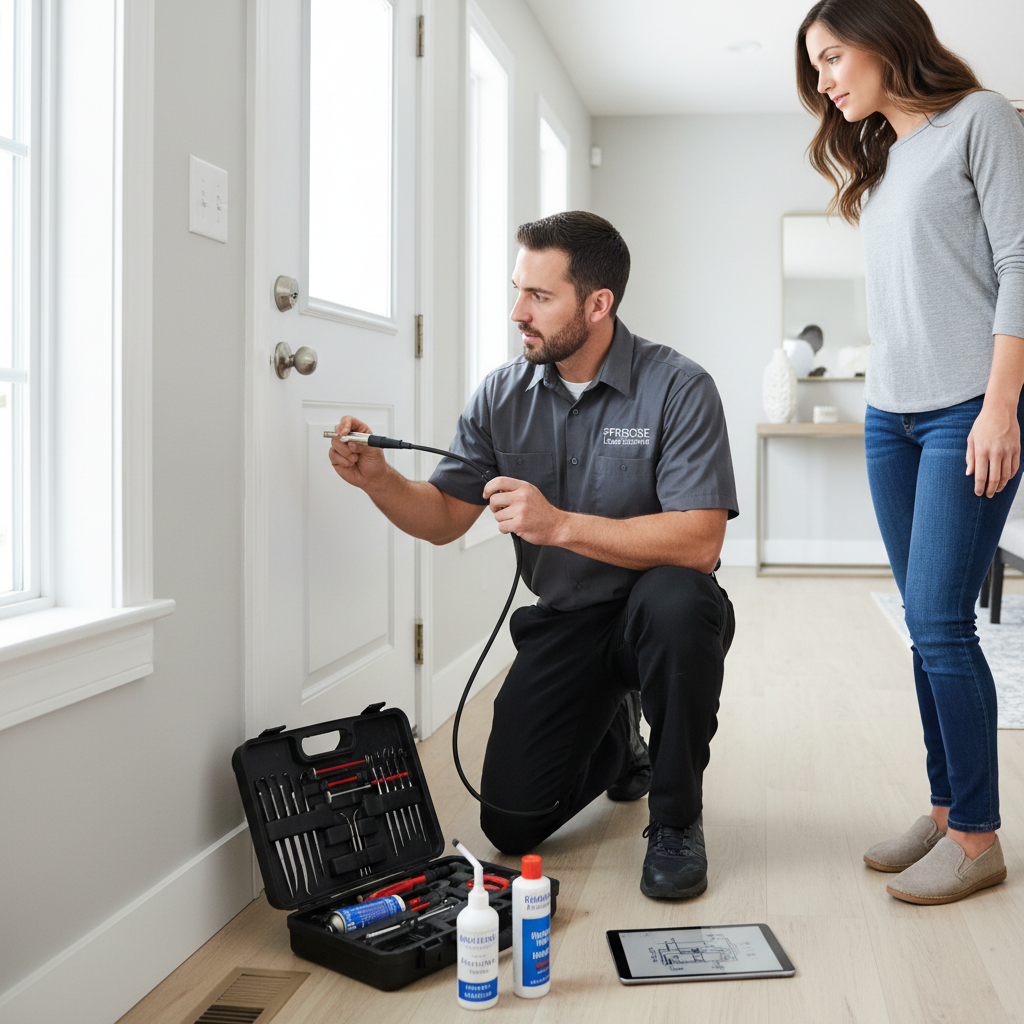
When to Call a Professional Locksmith
- If the lock cylinder spins freely without engaging the bolt, indicating a disengaged or broken component.
- If the key breaks off inside the lock cylinder, especially if it's deeply embedded.
- If the lock mechanism remains stiff, difficult to operate, or completely seized even after thorough cleaning and proper lubrication.
- If severe door jamb or frame damage permanently misaligns the strike plate, preventing proper lock engagement.
- If you suspect internal components are broken, severely worn, or bent, causing the lock to fail.
- If you are unable to disassemble or reassemble parts of the lock (e.g., for deeper cleaning or component replacement).
- If it's a high-security lock or smart lock, and you're unsure about internal components or specific maintenance requirements.
Prevention Tips
- Lubricate exterior door locks every 6-12 months and interior locks every 1-2 years, or anytime stiffness is noticed.
- Always use appropriate dry lubricants like graphite powder or PTFE spray for keyways and silicone spray for latch bolts. Avoid petroleum-based oils.
- Keep keys clean and free of lint and debris. Wipe them down periodically.
- Periodically clean the exterior of the lock with a damp cloth to remove surface dirt and grime.
- Ensure door frames and strike plates are properly aligned to prevent unnecessary stress and friction on the lock mechanism.
- In freezing climates, more frequent lubrication with graphite is advisable. Consider having an alcohol-based lock de-icer for emergencies (but use sparingly).
- Avoid hanging heavy items on door knobs, as this can strain and misalign internal lock mechanisms over time.
Frequently Asked Questions
Related Guides
Sliding Patio Door Lock Troubleshooting & Fixes (2024 Guide by a Pro)
A veteran locksmith's guide to fixing a sliding patio door lock that won't engage, is sticky, or broken. Learn DIY fixes and when to call a pro.
Mailbox Lock Not Working? Fix Broken, Jammed, or Lost Key Issues
Can't open your mailbox? Learn how to fix a broken, jammed, or lost key mailbox lock. This guide covers DIY solutions, when to replace your lock, and how to know if your HOA or the Post Office is responsible.
Loose or wobbly door handles and knobs, specifically addressing issues with internal mechanisms or mounting. Troubleshooting & Fixes (2024 Guide)
Fed up with a wobbly door handle? I've been a locksmith for over 25 years, and here's my no-BS guide to fixing that annoying jiggle yourself before you call a pro.
Safe Lock Not Opening & Forgot Combination (Troubleshooting & Fixes)
Can't open your safe? Learn to troubleshoot a forgotten combination, dead batteries, or a stuck lock. See DIY fixes and when to call a locksmith.
Key Stuck In Car Ignition Troubleshooting & Fixes (2024 Guide)
Key stuck in your car ignition? Get step-by-step troubleshooting for common causes like steering wheel lock, worn keys, or debris. Learn DIY fixes and when to call a professional for a safe solution.
How to Effectively Lubricate Your Door Lock: Solve Sticking, Freezing, and Malfunctions
Learn how to effectively lubricate door locks to prevent sticking, freezing, and malfunctions. This guide covers the best lubricants (graphite powder, PTFE dry spray, silicone spray) for various lock parts, important lubricants to avoid (WD-40, oils), and step-by-step instructions for popular lock types. Keep your home secure and your locks operating smoothly through every season.
Need Professional Help?
Find top-rated locksmith experts in your area