Pro Insights
BizzFactor Pro Insights: Best Soundproofing Insulation for Your Home (2024 Ultimate Guide)
An unbiased, data-driven analysis of leading soundproofing insulation materials. Compare performance, cost, and installation to achieve optimal noise reduction, enhance privacy, and create a serene living environment. Maximize home comfort and property value with BizzFactor Pro's expert recommendations for acoustic improvement.
25 Data Points Analyzed
Updated 1/12/2026
The Verdict
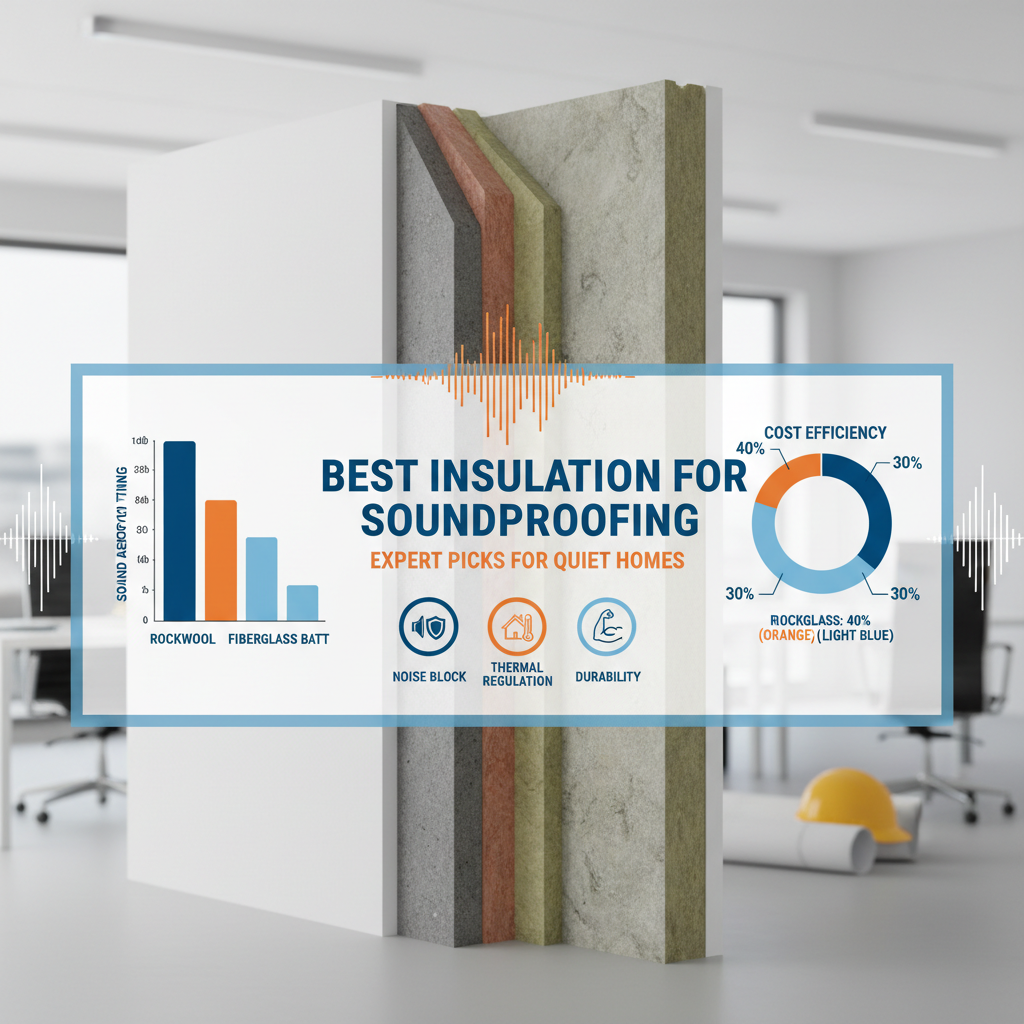
70% of Pros Recommend Mineral Wool Insulation (e.g., ROCKWOOL® Safe'n'Sound®)
Mineral Wool Insulation (e.g., ROCKWOOL® Safe'n'Sound®)
70%
Layered System (MLV + Drywall + Compound)
20%
Fiberglass Batt Insulation
10%
Mineral Wool Insulation (e.g., ROCKWOOL® Safe'n'Sound®)70%
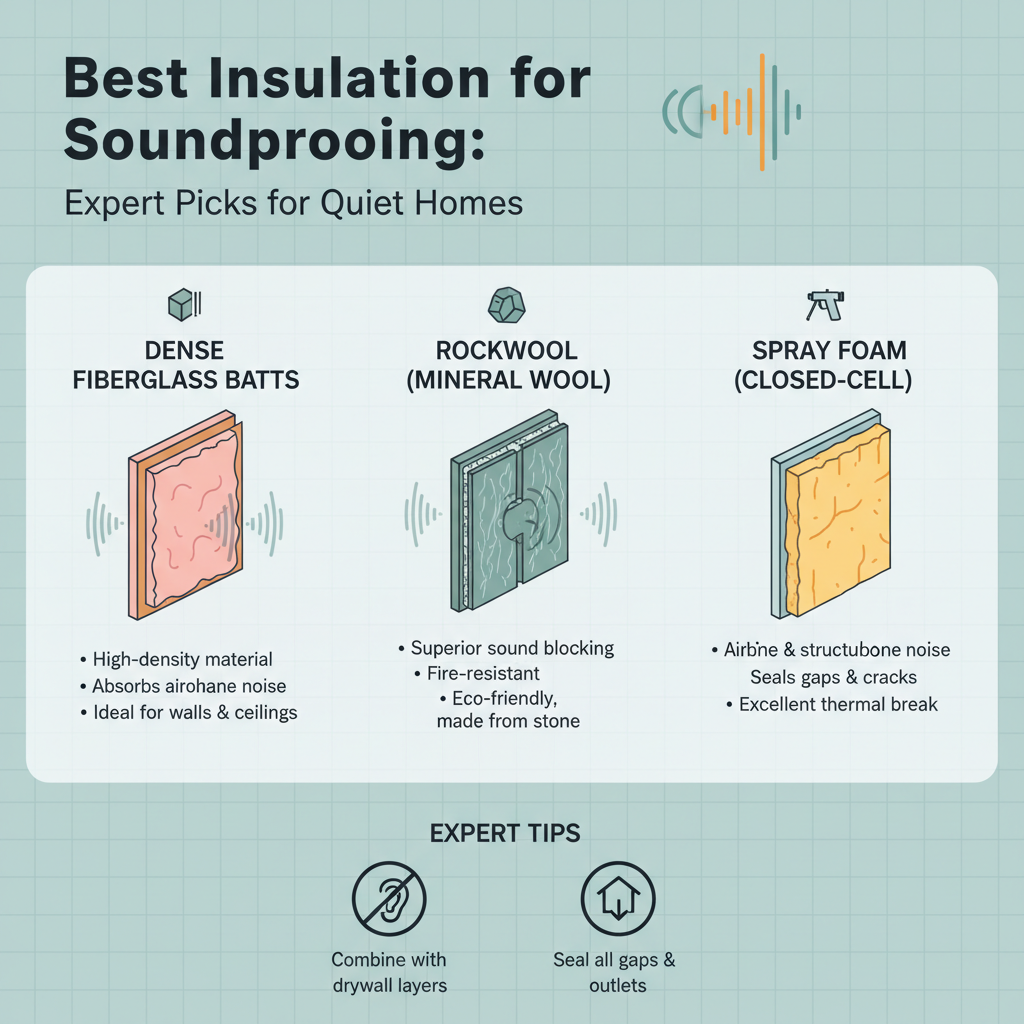
For residential soundproofing in 2024, mineral wool insulation, such as ROCKWOOL® Safe'n'Sound® or Roxul, stands out as the premier choice.
Runner-ups
#2Layered System (MLV + Drywall + Compound)20%
#3Fiberglass Batt Insulation10%
What the Pros Say
"For 90% of homeowners just looking to quiet down a bedroom or office, mineral wool is the answer. It's dense, easy to work with, and you get the added fire safety. It's my standard recommendation over basic fiberglass every time."
M
Mike Johnson
Insulation Technician, 15 years"Clients often ask for 'soundproof,' but what they usually need is noise reduction. We explain that it's a system. The insulation in the cavity absorbs sound, but you need mass, like Mass Loaded Vinyl or a second layer of drywall, to actually block it."
S
Sarah Chen
Acoustic Consultant"Don't forget decoupling. You can install the best insulation, but if the drywall is rigidly attached, vibrations will still travel through the studs. Using resilient channels or isolation clips is a pro-level step that makes a world of difference for low-frequency noise."
C
Carlos Rodriguez
Master Contractor"Investing in proper sound insulation is a huge selling point in new builds and renovations, especially in multi-family units or homes near busy roads. It's a quality-of-life feature that homeowners are increasingly willing to pay for."
J
Jennifer Williams
Owner, Williams Construction
Detailed Breakdown
Advantages
- Significantly reduces airborne noise transmission from external sources (e.g., traffic, neighbors) and between interior rooms, dramatically improving privacy and indoor comfort.
- Enhances internal acoustic quality by minimizing echo and reverberation, creating serene, focused, and more enjoyable living or working spaces (e.g., home offices, media rooms, bedrooms).
- Contributes substantially to increased property value and occupant well-being through a quieter, more functional, and versatile home environment.
- Many soundproofing insulation types, especially mineral wool, offer dual benefits of superior thermal insulation, leading to potential energy savings and lower utility bills.
- Materials like mineral wool provide crucial added fire resistance (non-combustible) and effective moisture repellency, enhancing home safety and structural durability.
- Often made from sustainable materials and can contribute to better indoor air quality, aligning with modern eco-friendly building practices.
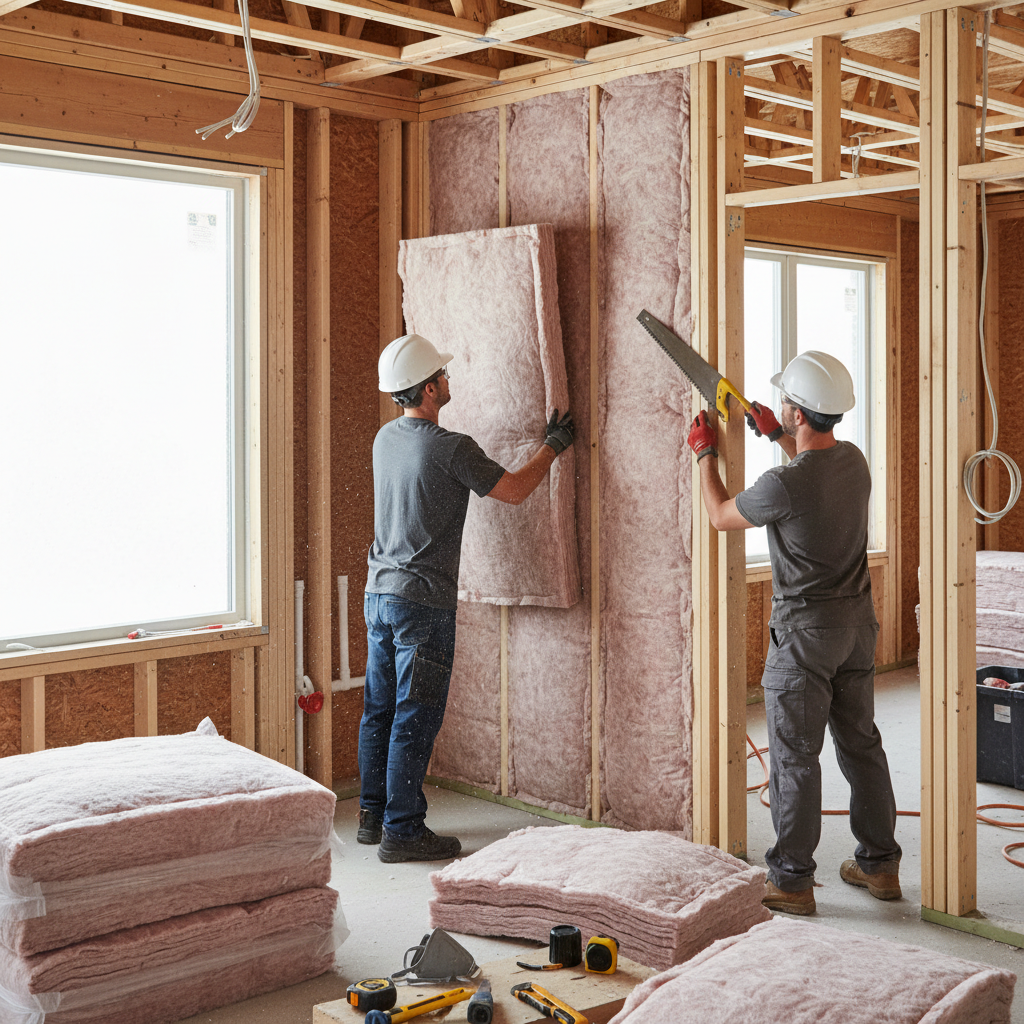
- Relatively straightforward installation in new construction or during major renovations when wall cavities are intentionally exposed, streamlining project timelines.
Considerations
- Can be substantially more expensive per square foot than basic thermal insulation options, potentially impacting initial project budgets significantly.
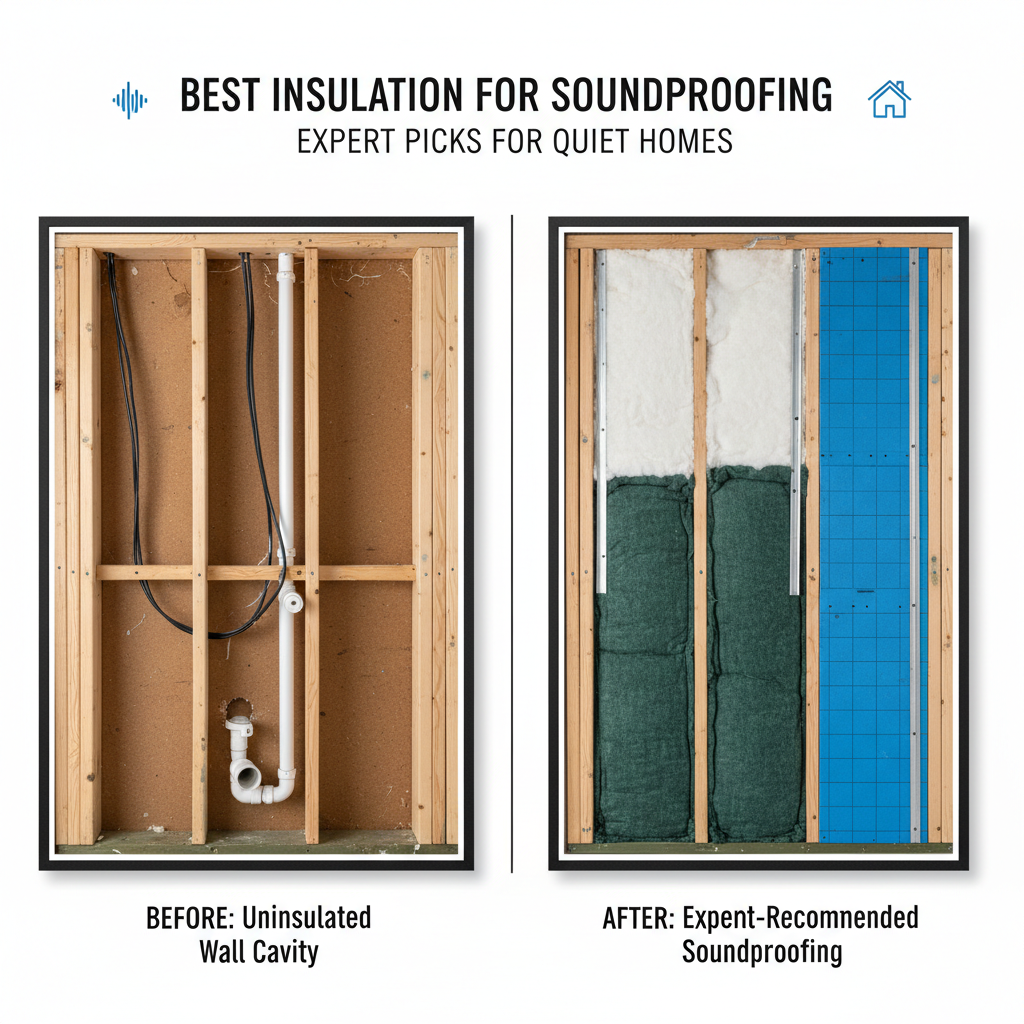
- Achieving truly effective soundproofing often necessitates a multi-layered system (e.g., resilient channels, mass loaded vinyl, acoustic caulk), increasing complexity, cost, and installation time.
- Retrofitting into existing, closed wall or ceiling structures is highly complex, invasive, and disruptive, frequently requiring specialized tools and professional expertise.
- Improper installation, even minor gaps or unsealed areas, can create 'acoustic bridges' that severely compromise overall soundproofing effectiveness. Professional installation is often recommended for optimal results.
| Type | Price Range |
|---|---|
| Fiberglass Batts (Material Only) | $0.6 – $1.2 |
| Mineral Wool Batts (Material Only) | $1.5 – $2.5 |
| High-Performance System (MLV, Green Glue, etc.) | $4 – $8 |