Pro Insights
Blown-In Insulation Showdown: Fiberglass vs. Cellulose for Optimal Attic Performance & Energy Efficiency
BizzFactor Pro Insights delivers an in-depth, data-driven comparison of blown-in fiberglass and cellulose attic insulation. Uncover the superior choice for your home's thermal performance, cost-effectiveness, environmental impact, and long-term durability. Maximize energy savings, enhance indoor comfort, and secure your attic investment with expert analysis.
5 Data Points Analyzed
Updated 1/11/2026
The Verdict
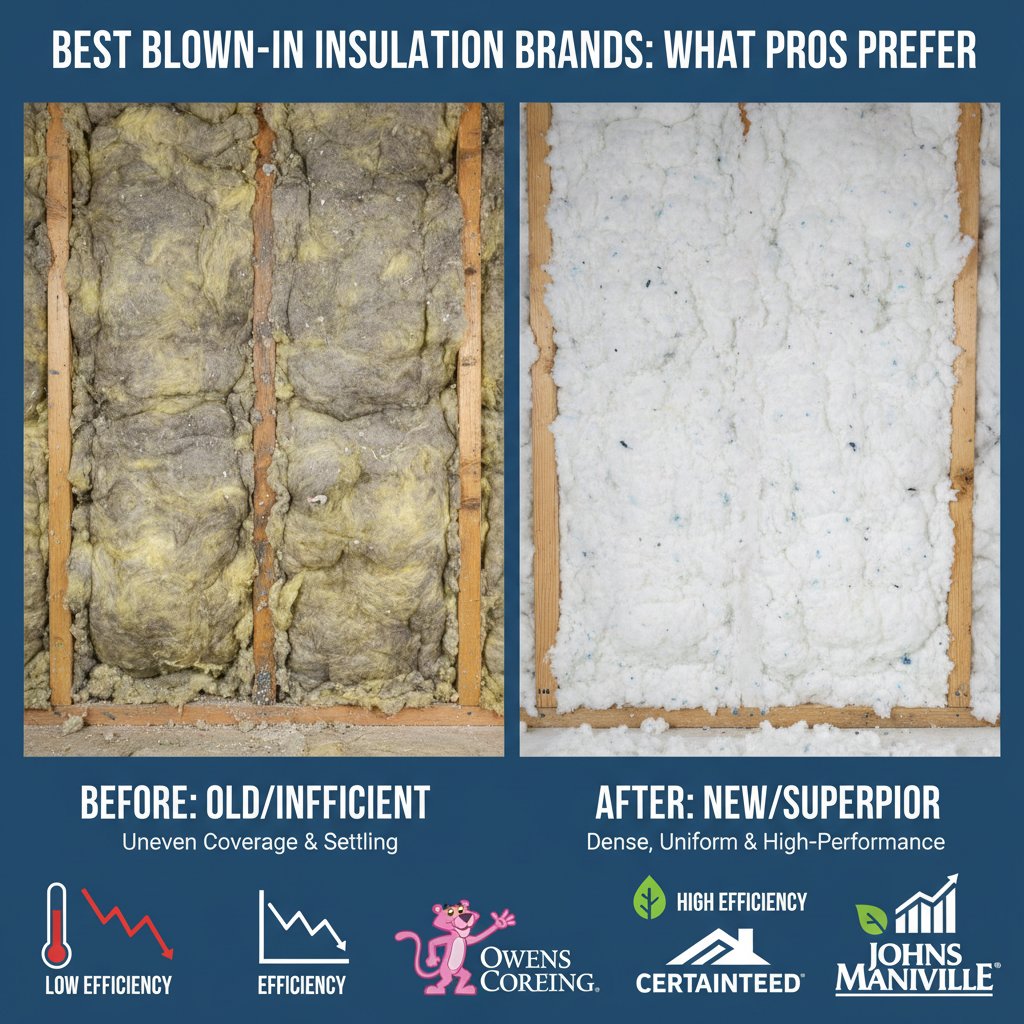
60% of Pros Recommend Cellulose Blown-In Insulation: BizzFactor Pro Insights' Top Performance Pick
Cellulose Blown-In Insulation: BizzFactor Pro Insights' Top Performance Pick
60%
Blown-In Fiberglass
40%
Cellulose Blown-In Insulation: BizzFactor Pro Insights' Top Performance Pick60%
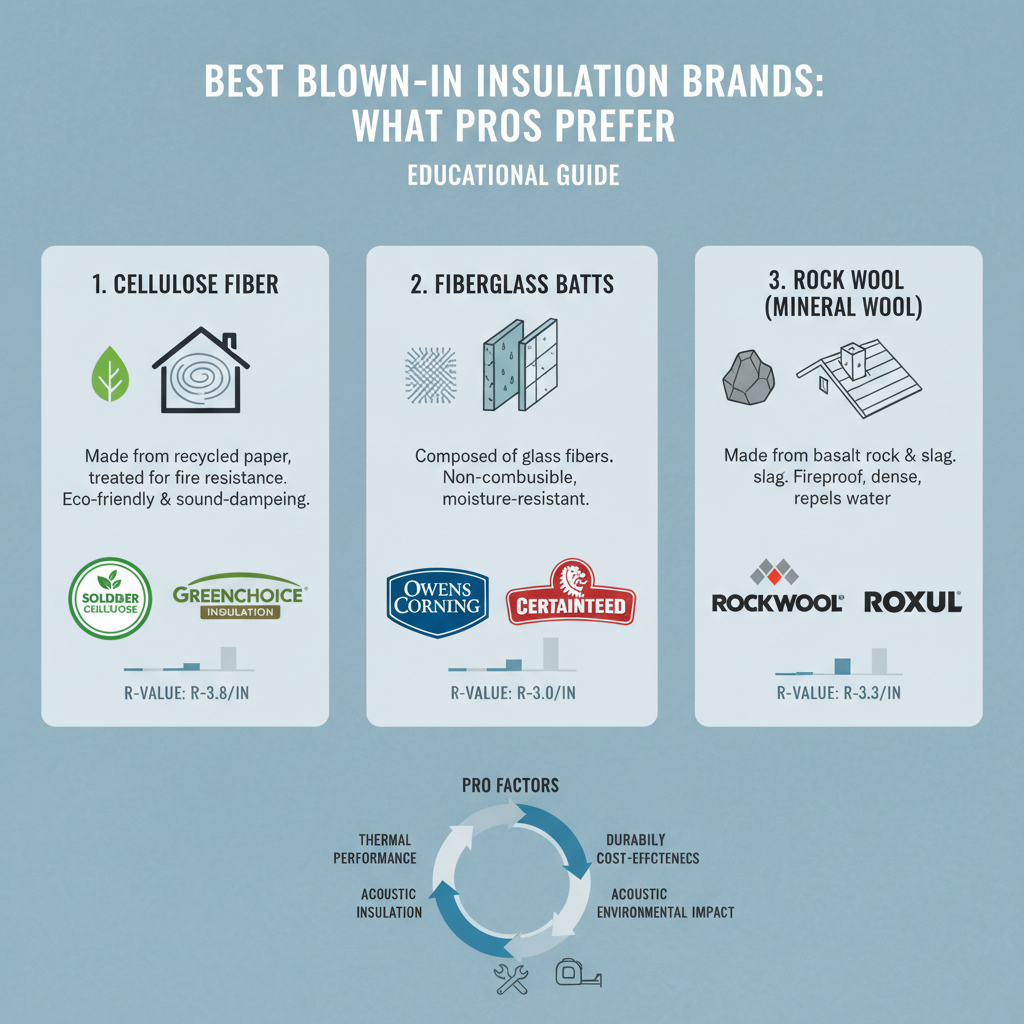
BizzFactor Pro Insights' rigorous analysis designates blown-in cellulose as the optimal choice for residential attics, excelling in thermal performance and environmental responsibility. With an impressive R-value of R-3.7 to R-3.
Runner-ups
#2Blown-In Fiberglass40%
What the Pros Say
"For a drafty attic with lots of nooks and crannies, I recommend cellulose every time. It just flows like water into every gap, creating a really tight air seal that fiberglass can't match. You get a better R-value in less space."
M
Mike Johnson
Insulation Technician, 15 years"When customers ask for the 'best,' I explain the trade-offs. Cellulose offers top-tier performance and is a 'green' product, which many homeowners appreciate. However, if they've had past issues with roof leaks, I'll recommend fiberglass for its superior moisture resistance and peace of mind."
S
Sarah Chen
Service Manager"The key with cellulose is proper installation. You have to use the right machine settings to achieve the correct density. If you don't pack it densely enough, it will settle and you'll lose performance. Done right, it's a fantastic insulator."
C
Carlos Rodriguez
Master Technician"Fiberglass is a reliable workhorse, but cellulose is our top seller. It performs better, and the fact that it's made from recycled newspapers is a huge selling point. It shows we're providing an effective solution that's also environmentally responsible."
J
Jennifer Williams
Owner, Cozy Home Insulation
Detailed Breakdown
Advantages
- Superior thermal performance with a higher R-value (R-3.7 to R-3.8 per inch) leading to significant energy bill reductions and improved comfort year-round.
- Exceptional air-sealing capabilities, conforming tightly to irregular spaces and significantly reducing air leakage (up to 30%), a key factor in energy efficiency.
- Eco-friendly composition: up to 85% recycled paper, contributing to a substantially lower carbon footprint and promoting sustainable building practices.
- Enhanced safety: treated with fire-retardant borates achieving a Class A fire rating and providing natural deterrence against insects, rodents, and mold.
- Acoustic benefits: significantly reduces sound transmission (typically by 5-10 dB), contributing to a quieter and more peaceful indoor environment.
- Supports environmental sustainability: often includes USDA BioPreferred certified plant-based materials and contributes to LEED certification points.
- Improved indoor air quality: non-toxic borate treatments help resist mold growth without off-gassing harmful chemicals, contributing to a healthier home environment.
Considerations
- Vulnerable to moisture damage from leaks, which can degrade thermal performance and foster mold growth if unaddressed, requiring professional remediation and proper attic ventilation.
- Requires precise installation density to prevent settling by up to 15-20% over the first 10-15 years, potentially necessitating 'topping off' to maintain effective R-value.
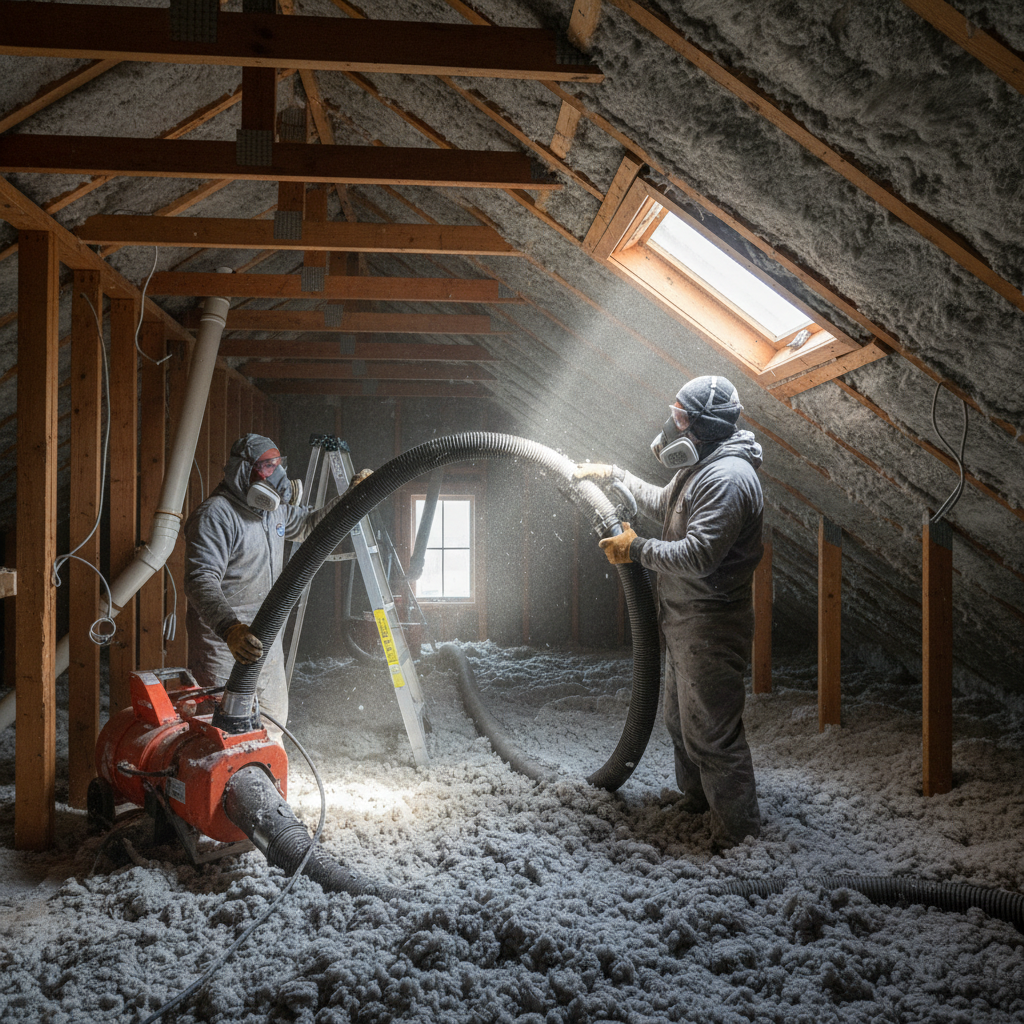
- Installation can be dusty and messy, requiring specialized equipment and thorough cleanup. Homeowners should anticipate temporary disruption.
- Heavier than fiberglass, potentially requiring minor attic reinforcement, especially in older homes (pre-1970). A structural assessment by a professional may be advisable.
- Challenging to remove if frequent attic access is needed due to its dense compaction, making future attic modifications, such as wiring or plumbing, more complex.
| Type | Price Range |
|---|---|
| Blown-In Fiberglass | $1 – $2 |
| Blown-In Cellulose | $1.2 – $2.5 |
| Spray Foam (Alternative) | $3 – $7 |