Pro Insights
Crawl Space Insulation: A Data-Driven Comparison for Optimal Home Efficiency
Uncover the most effective crawl space insulation methods, backed by expert analysis and industry data, to safeguard your home's energy performance, structural integrity, and indoor air quality.
18 Data Points Analyzed
Updated 1/11/2026
The Verdict
75% of Pros Recommend Crawl Space Encapsulation with Rigid Foam Board Wall Insulation
Crawl Space Encapsulation with Rigid Foam Board Wall Insulation
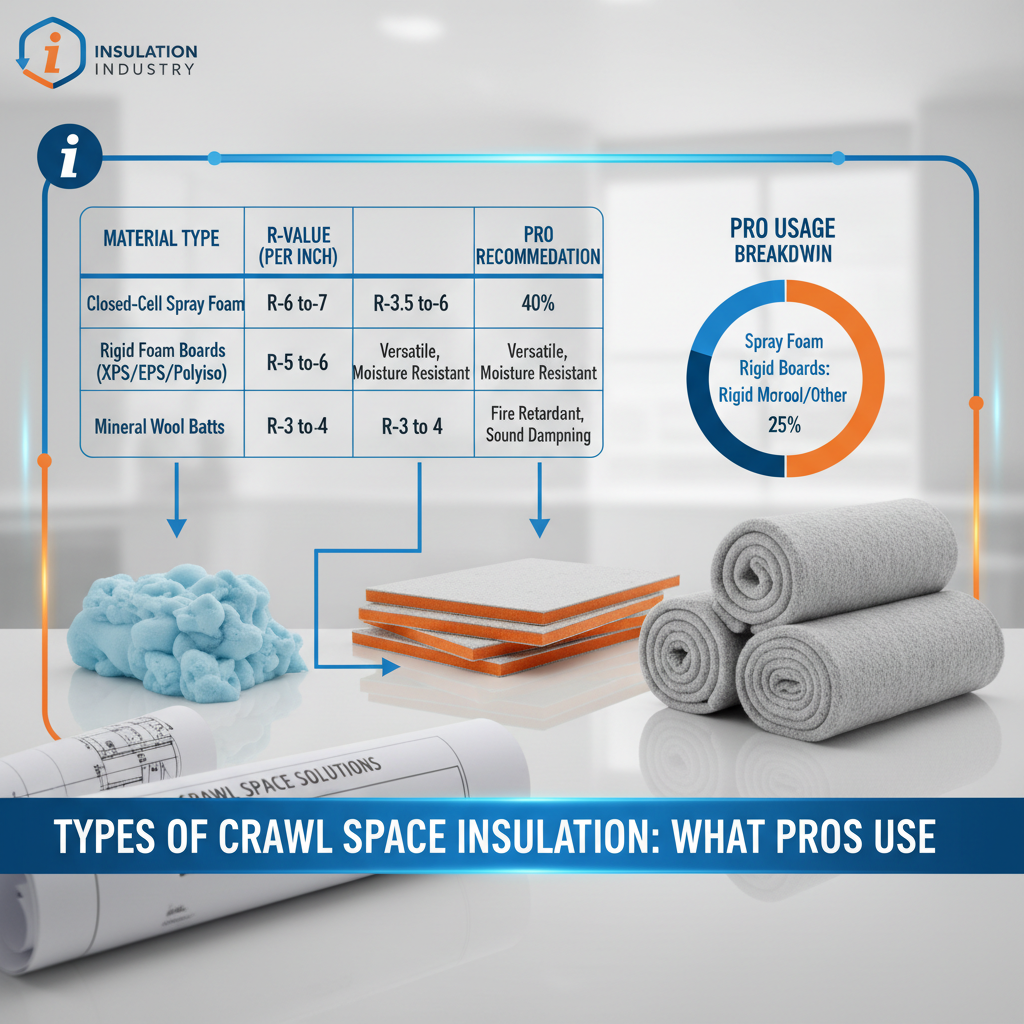
75%
Closed-Cell Spray Foam on Walls
20%
Fiberglass Batts in Floor Joists
5%
Crawl Space Encapsulation with Rigid Foam Board Wall Insulation75%
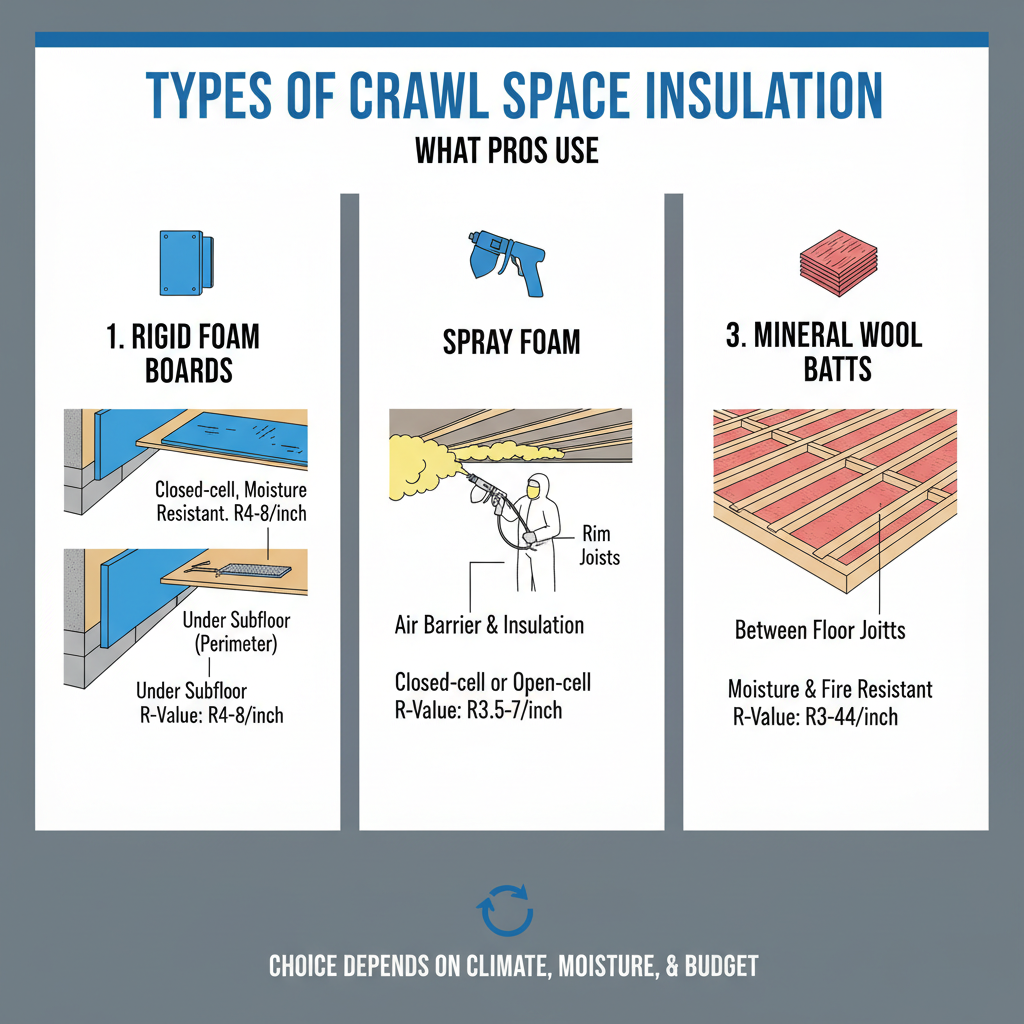
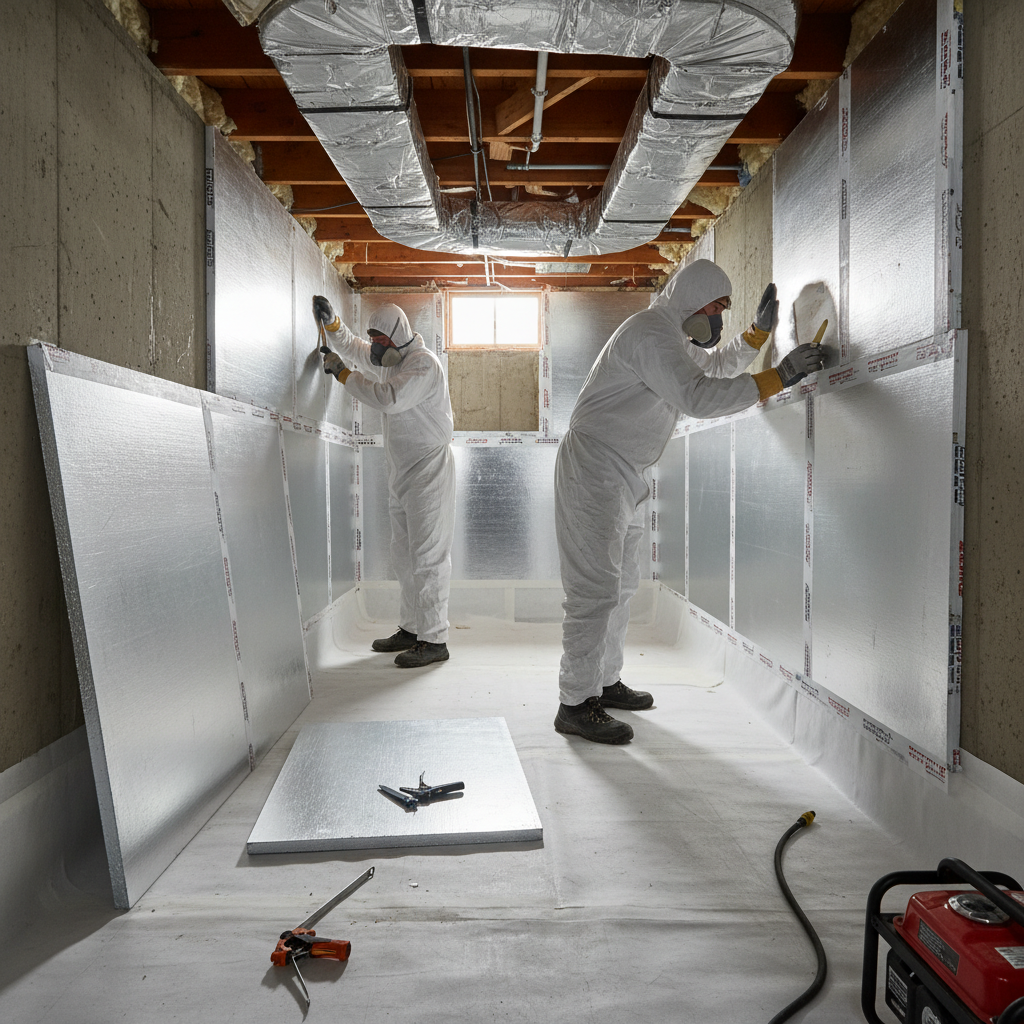
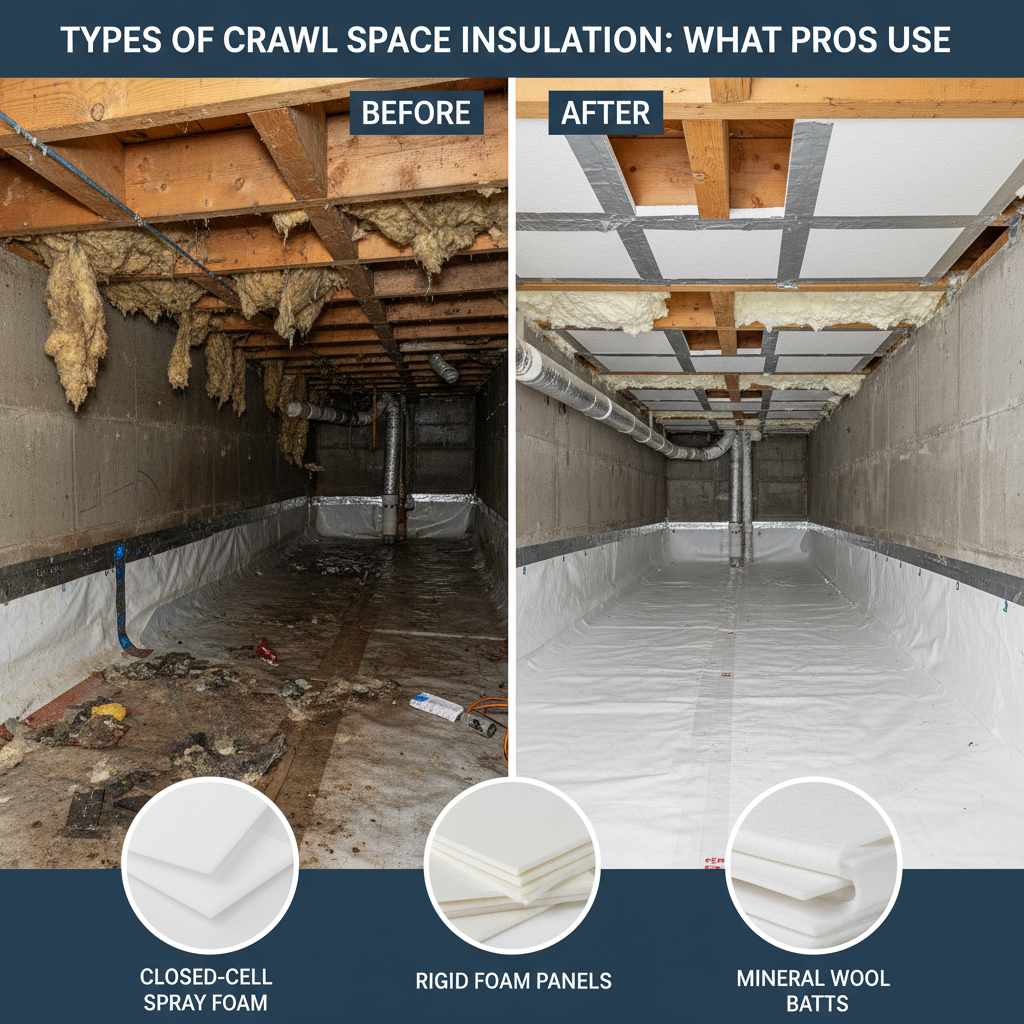
Insulating crawl space walls with moisture-impermeable rigid foam and implementing full encapsulation (sealing vents, installing a heavy-duty vapor barrier, and often conditioning the air) represents the gold standard in crawl space solutions.
Runner-ups
#2Closed-Cell Spray Foam on Walls20%
#3Fiberglass Batts in Floor Joists5%
What the Pros Say
"We spend half our time pulling out soggy, moldy fiberglass that fell years ago. Insulating the crawl space walls with rigid foam is the only way to do the job right so it actually lasts. It solves the moisture problem at the source."
M
Mike Johnson
Insulation Technician, 15 years"Homeowners are shocked by the difference in comfort and air quality once we encapsulate their crawl space. It's not just about insulation; it's about creating a healthier, more stable environment for the entire home."
S
Sarah Chen
Service Manager, Home Performance Co."The key is creating a continuous air and vapor barrier. Closed-cell spray foam is the ultimate for this, but XPS rigid foam board, properly taped and sealed at the seams, provides 95% of the benefit for a more accessible price point."
C
Carlos Rodriguez
Master Technician"We stopped offering fiberglass for crawl spaces years ago because the callbacks were endless. Moving to wall insulation with foam board protects our reputation and gives the customer a permanent solution, not a temporary fix."
J
Jennifer Williams
Owner, Williams Insulation
Detailed Breakdown
Advantages
- Eliminates moisture intrusion, condensation, and mold growth potential, critical for health and structural integrity.
- Substantially improves home energy efficiency, yielding significant and verifiable reductions in utility bills (often 15-20% savings).
- Establishes a highly durable, long-lasting thermal and moisture barrier that resists degradation, sagging, and pest damage.
- Enhances indoor air quality by preventing soil gases (like radon), allergens, and outdoor pollutants from entering living spaces.
- Protects foundational wooden structures (floor joists, subflooring) from rot, termite infestations, and moisture-induced damage, extending their lifespan.
- Creates a cleaner, semi-conditioned space, suitable for storage or easier access to plumbing and electrical systems.
- Contributes to a more comfortable and consistent indoor temperature throughout the home.
Considerations
- Requires a higher initial investment compared to traditional batt or roll insulation, due to material and labor costs.
- Maximum effectiveness is achieved only when integrated with a complete crawl space encapsulation system (e.g., vapor barrier, sealed vents, drainage, dehumidification).
- Installation is technically intricate and typically necessitates hiring specialized, experienced professionals to ensure proper sealing and performance.
- May require the addition of a crawl space dehumidifier or connection to the HVAC system to maintain optimal humidity levels, especially in humid climates.
| Type | Price Range |
|---|---|
| Fiberglass Batts (Not Recommended) | $1.5 – $3 |
| Rigid Foam Board on Walls | $3 – $7 |
| Closed-Cell Spray Foam on Walls | $5 – $9 |