Quick Answer
A clogged dryer vent causes inefficient drying, increased energy consumption, and poses a significant fire and carbon monoxide risk. Common signs include clothes taking longer to dry, an overheated dryer exterior, unusual smells (musty or burning), or a 'check vent' light. Diagnosis involves checking the lint trap, inspecting the vent hose for kinks, and testing exterior airflow. Regular lint trap cleaning, proper vent materials, and professional cleanings are crucial for prevention.
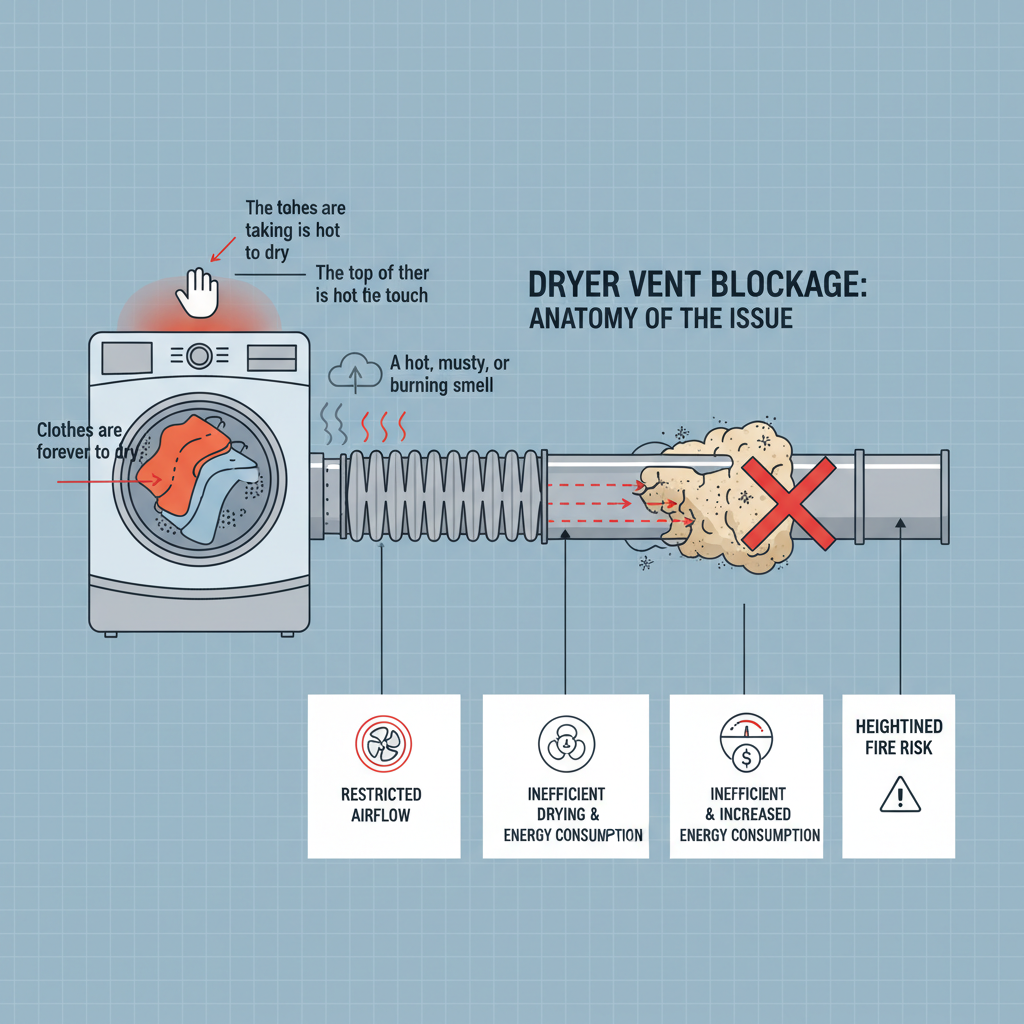
Common Symptoms
Possible Causes
Step-by-Step Diagnosis
Step 1
Check the lint trap for buildup and wash it with soap and water to remove invisible dryer sheet residue.
Step 2
Unplug the dryer, pull it out, and visually inspect the vent hose for crushes, kinks, or damage. Confirm it is not a white vinyl hose.
Step 3
Run the dryer and check the exterior vent for strong, warm airflow. Weak or no flow indicates a blockage.
Step 4
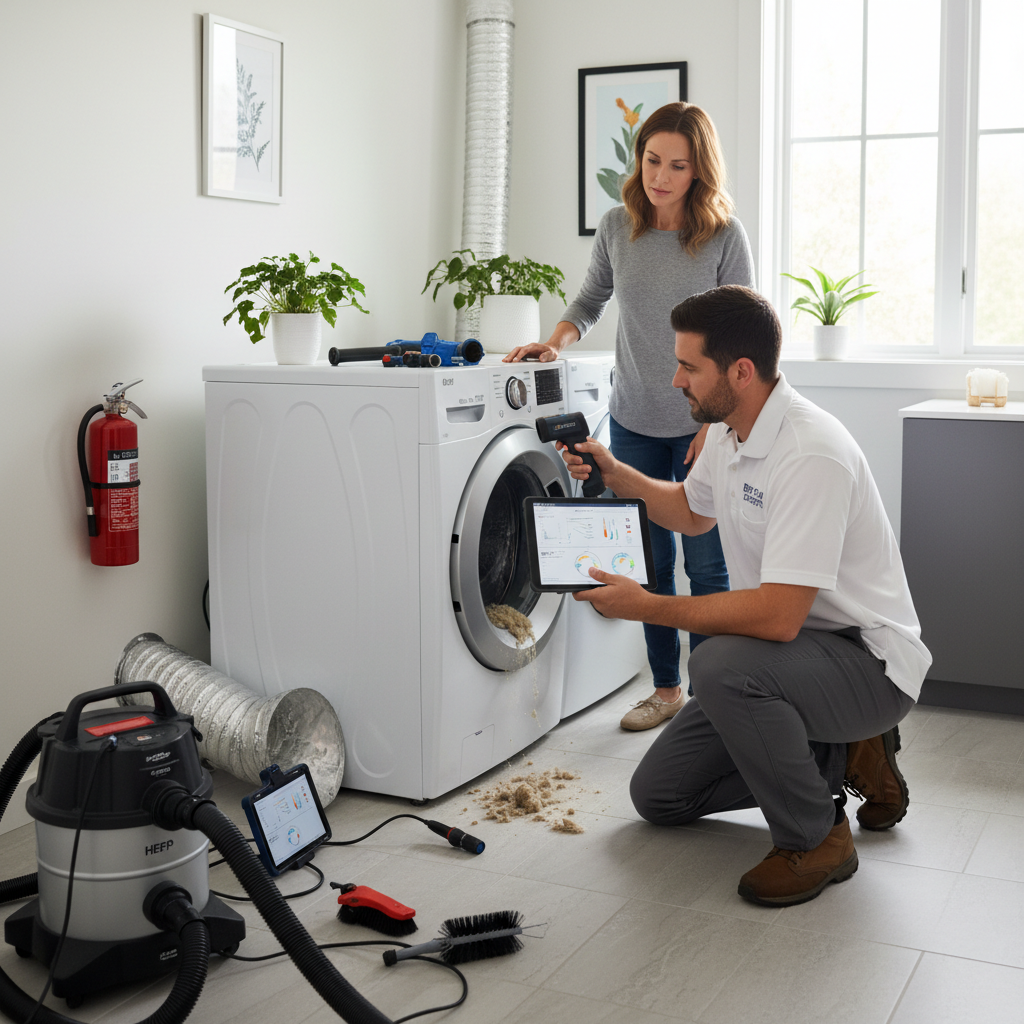
Disconnect the vent from the back of the dryer and look inside both the hose and dryer outlet for immediate blockages.
Step 5
If airflow is still poor after clearing the ends, the blockage is deeper in the system, requiring a brush kit or professional service.
DIY vs Professional Costs
| Repair Type | DIY Cost | Professional Cost | Time Required |
|---|---|---|---|
Basic Cleaning (Trap, Outside Vent) | $0 | N/A | 15 minutes |
Cleaning w/ Brush Kit (short, straight vent) | $20 - $50 | $100 - $200 | 1-2 hours |
Fixing a Crushed/Kinked Hose | $15 - $50 (for a new semi-rigid hose) | $150 - $300 (includes cleaning, diagnosis, and replacement of basic flexible duct) | 30 minutes |
Full Deep Cleaning (long/complex vent) | Not Recommended | $150 - $400 | 1-2 hours |
Replacing Vinyl with Rigid Duct | $50 - $150 (materials) | $300 - $600+ | 2-4 hours |
When to Call a Professional Dryer Vent
- When the dryer vent exhausts through the roof.
- If a DIY cleaning attempt fails to solve the drying issue.
- When the vent run is very long (over 20 feet) or has multiple sharp turns.
- If you suspect the vent line is disconnected inside a wall or ceiling.
- When a burning smell persists even after basic cleaning, indicating a possible internal dryer issue.
Prevention Tips
- Clean the lint screen after every single load, without exception.
- Avoid overuse of dryer sheets, and scrub the lint screen monthly with soap and water.
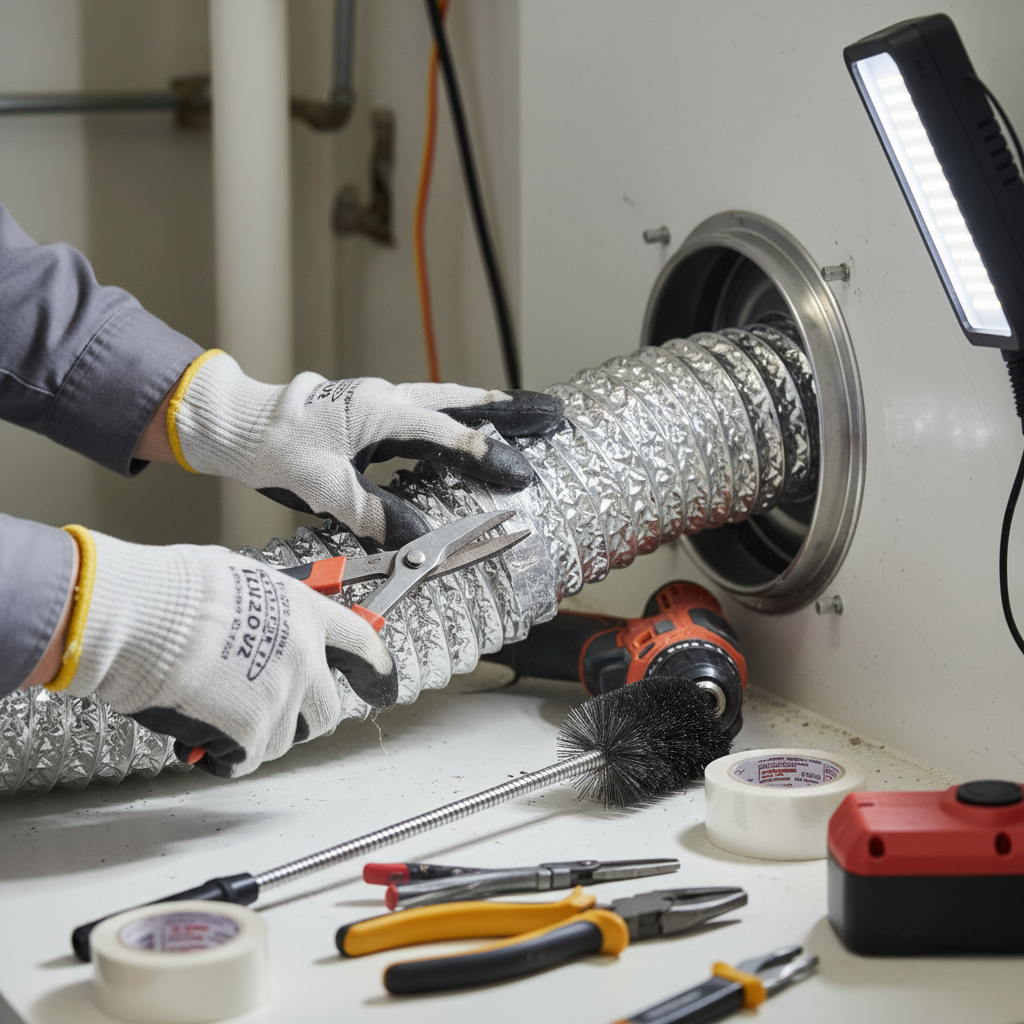
- Replace flimsy white vinyl or foil ducting with a proper semi-rigid or rigid metal vent.
- Annually, pull the dryer out and vacuum all the lint from behind and underneath it.
- Schedule a professional cleaning every 1-2 years, depending on household size and vent length.
Frequently Asked Questions
Related Guides
Clogged Dryer Vent? Signs, Fixes & Fire Prevention (2024 Homeowner's Guide)
Is your dryer taking too long or getting too hot? Learn to identify a clogged dryer vent, diagnose common issues, and implement DIY fixes or know when to call a pro to prevent fire hazards and save energy. Your ultimate guide to a safe and efficient dryer.
Dryer Vent Blockage: Troubleshooting, Cleaning, and Fire Prevention Guide
Is your dryer taking too long or getting too hot? Learn how to identify, diagnose, and fix dryer vent blockages to improve efficiency, save energy, and crucially, prevent house fires. This comprehensive guide covers symptoms, causes, cleaning tips, and when to call a pro for home dryer vent maintenance.
Dryer Vent Troubleshooting: Fix Slow Drying, Overheating, & Fire Hazards
Troubleshoot common dryer vent problems like slow drying times and overheating. This expert guide offers DIY fixes for clogged vents, tips for preventing lint buildup, and advice on when to call a professional for dryer vent cleaning and repairs to ensure home safety and appliance efficiency.
Dryer Vent Making Unusual Noises (Thumping, Rumbling, Squealing, Grinding) Troubleshooting & Fixes (2024 Guide)
A veteran tech explains why your dryer vent is thumping, rumbling, or squealing. Learn the causes, how to fix it, and when to call a pro before it gets worse.
Troubleshooting & Fixing a Damaged Dryer Vent Hose & Ducting
Comprehensive guide to troubleshooting, repairing, and replacing a damaged dryer vent hose or ducting. Learn how to diagnose symptoms, identify causes, perform DIY repairs using the right materials, and implement critical prevention tips to enhance dryer efficiency, reduce energy costs, and prevent dangerous fire and carbon monoxide hazards.
Dryer Vent Nightmares: A Veteran Tech's Guide to Troubleshooting & Fixes (2024)
Are your clothes still damp after an hour? A clogged dryer vent is a serious fire hazard. Here's a veteran tech's no-nonsense guide to finding and fixing the problem.
Need Professional Help?
Find top-rated dryer vent experts in your area