Quick Answer
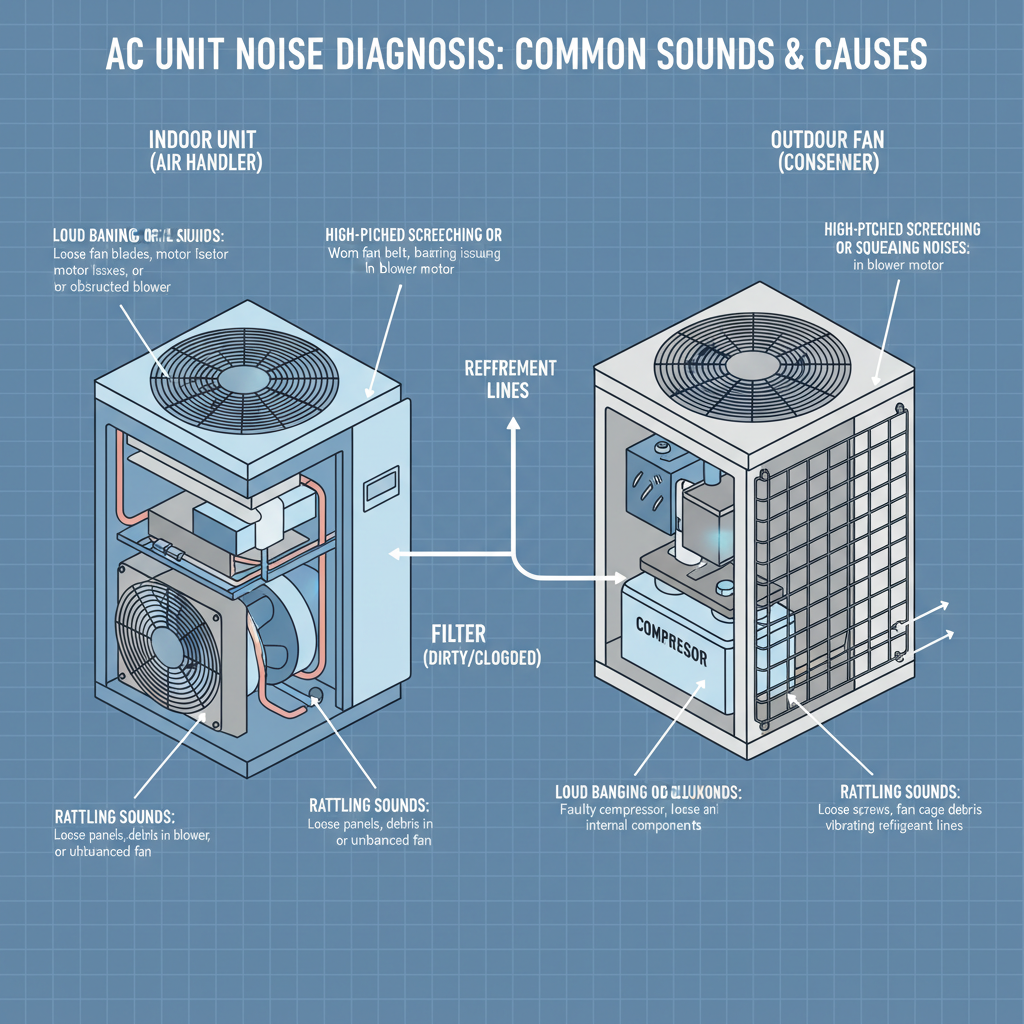
Okay, so here's the quick version. Your AC is making a racket, and you want to know if you're about to be out a grand. If it's a simple rattle, it's probably just a loose panel or some leaves in the fan. Easy fix, costs you nothing. But if you're hearing a high-pitched screech, loud banging, or a heavy grinding noise, shut it down. Now. That's usually a bad motor, failing bearings, or a dying compressor. Letting it run is just asking for a bigger bill because it can cause further damage. Most common repairs like a fan motor or capacitor will realistically run you between $200 and $900 for parts and labor. Don't ignore it; AC problems rarely fix themselves and only get worse.
Common Symptoms
Possible Causes
Step-by-Step Diagnosis
Step 1
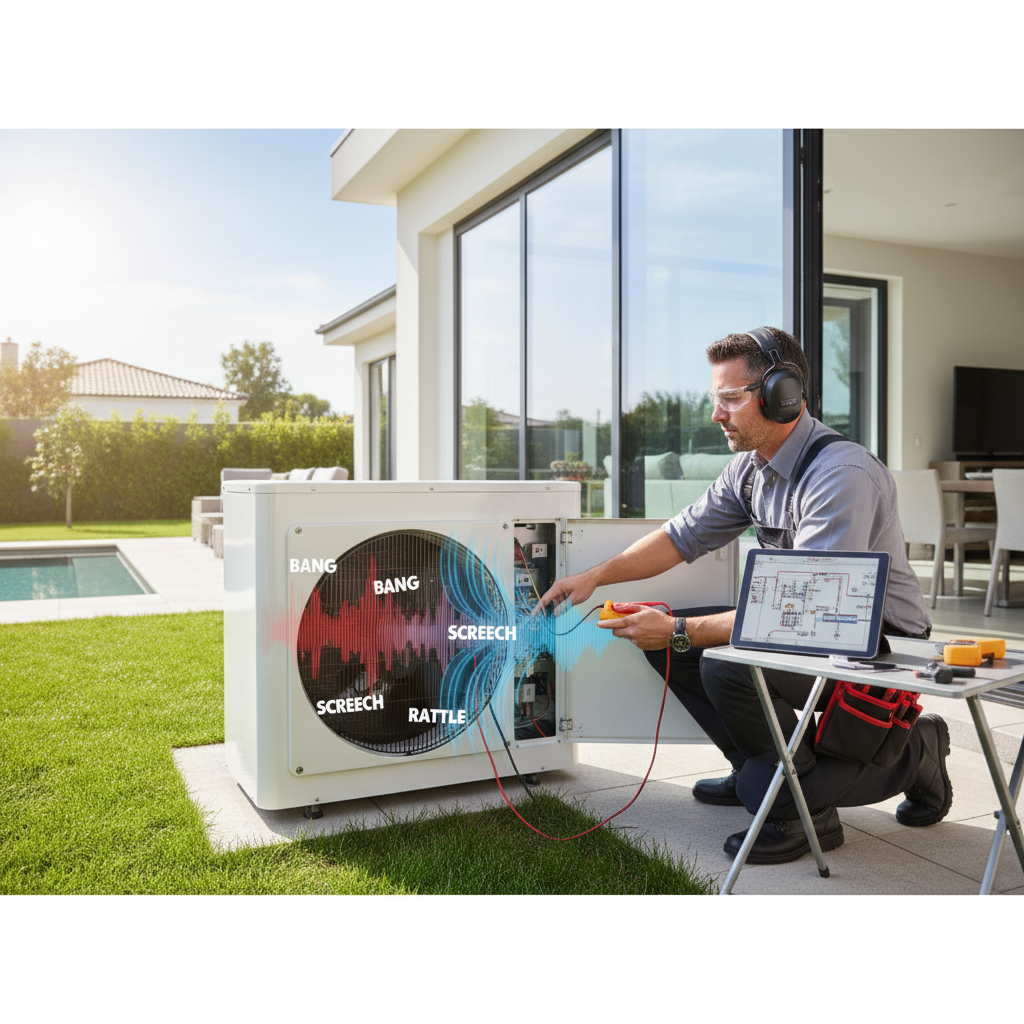
First, just listen. Identify the type of noise and pinpoint its location (indoor unit, outdoor unit, or vents).
Step 2
SAFETY FIRST: Shut off all power to the AC system at the circuit breaker panel. This means both the condenser and air handler breakers.
Step 3
Go outside to the condenser unit and visually inspect the fan area for any debris like sticks, leaves, or toys.
Step 4
With the power off, check for loose panels or screws around the entire unit. A simple tightening can often solve a rattle.
Step 5
Carefully (power is OFF!) try to wiggle the fan blades up and down. Any play or looseness indicates bad motor bearings.
Step 6
Go inside and remove your air filter. If it's clogged with dirt, replace it. This is a common cause of whistling.
Step 7
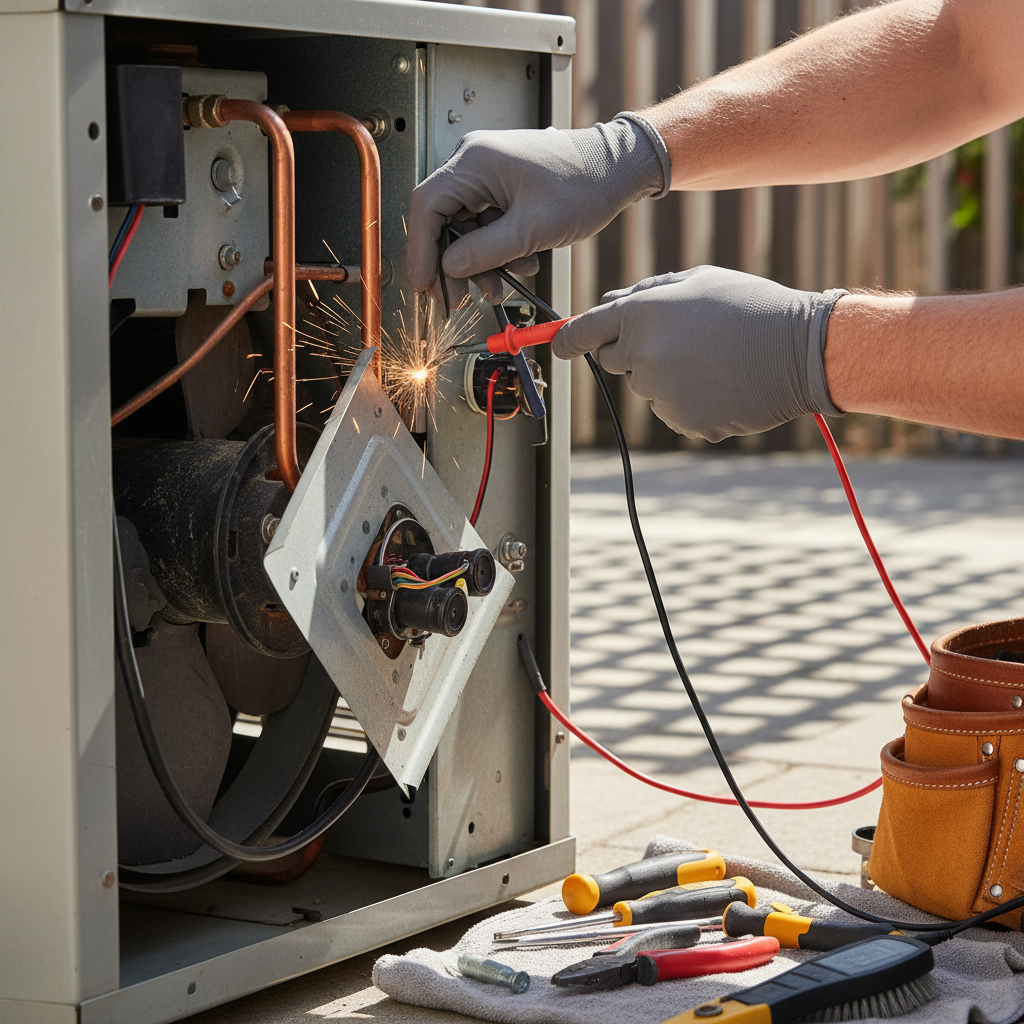
If you feel comfortable after turning the power back on, listen closely during a startup cycle to see if a loud hum is followed by a click, indicating a probable capacitor issue.
DIY vs Professional Costs
| Repair Type | DIY Cost | Professional Cost | Time Required |
|---|---|---|---|
Clear Debris / Tighten Panels | $0 | $100-200 | 15 minutes |
Replace Air Filter | $10-30 | N/A | 2 minutes |
Capacitor Replacement | $20-60 | $200-500 | 30 minutes |
Condenser Fan Motor Replacement | $150-300 | $400-900 | 1-2 hours |
Compressor Replacement | N/A | $2000-4000+ | 4-6 hours |
When to Call a Professional Hvac
- If you hear loud grinding, banging, or screeching sounds. Shut the unit down immediately to prevent catastrophic failure.
- If you smell electrical burning or see smoke coming from the unit.
- If you hear a hissing noise, which indicates a refrigerant leak that requires specialized tools and an EPA license to handle.
- After you've performed the basic checks (cleared debris, changed the filter, tightened panels) and the noise persists.
- If you are not 100% confident and comfortable working around high-voltage electricity.
- If the unit is making noise AND it's not cooling the house effectively, which points to a more serious system problem.
Prevention Tips
- Get an annual tune-up from a qualified technician before the cooling season starts. We catch problems when they're small.
- Change your indoor air filter every 30-60 days. It's the single most important maintenance task a homeowner can do.
- Keep the area around your outdoor condenser unit clear. Trim back bushes, weeds, and anything else within a two-foot radius.
- Gently hose down the outdoor unit's fins once or twice a year to remove cottonwood, dust, and grass clippings that block airflow.
Frequently Asked Questions
Related Guides
Furnace Ignitor Not Glowing? Troubleshooting & Fixes from a 25-Year Pro
Furnace ignitor not glowing? A 25-year HVAC pro explains common causes, DIY diagnosis steps, and how to fix a faulty furnace ignitor. Learn to troubleshoot, replace the ignitor, and know when to call for professional furnace repair.
Furnace Making Various Strange Noises? Troubleshooting & Fixes from a 25-Year Vet
Furnace making strange noises? A veteran HVAC tech explains what banging, whistling, or rattling means and how to fix it. DIY tips and when to call a pro.
AC Unit Making Loud Noises? Identify the Sound & Fix It
Hearing banging, screeching, or rattling from your AC unit? A veteran tech explains the causes and how to fix it, from DIY tips to when to call a pro.
HVAC system short cycling (heat pump or AC unit starts and stops frequently, running for less than 15-20 minutes at a time) Troubleshooting & Fixes
Fix your HVAC system's short cycling problem! This comprehensive guide helps you diagnose and solve why your AC or heat pump turns on and off too frequently, preventing high energy bills and system damage. Learn DIY checks and when to call a pro.
AC Unit Leaking Water: Troubleshooting Guide & Real Fixes for Indoor & Outdoor Leaks
Is your AC unit leaking water indoors or outdoors? Discover common causes like clogged drains and frozen coils, and get expert troubleshooting steps & real fixes to stop the leak and prevent damage.
HVAC Fan Not Working? Troubleshooting Your Indoor Blower or Outdoor Condenser Fan (2024 Guide)
HVAC fan not spinning? This guide offers 25+ years of expert advice on troubleshooting and fixing non-functional indoor blower or outdoor condenser fans, covering common causes like bad capacitors or tripped breakers to restore your heating and cooling.
Need Professional Help?
Find top-rated hvac experts in your area