Quick Answer
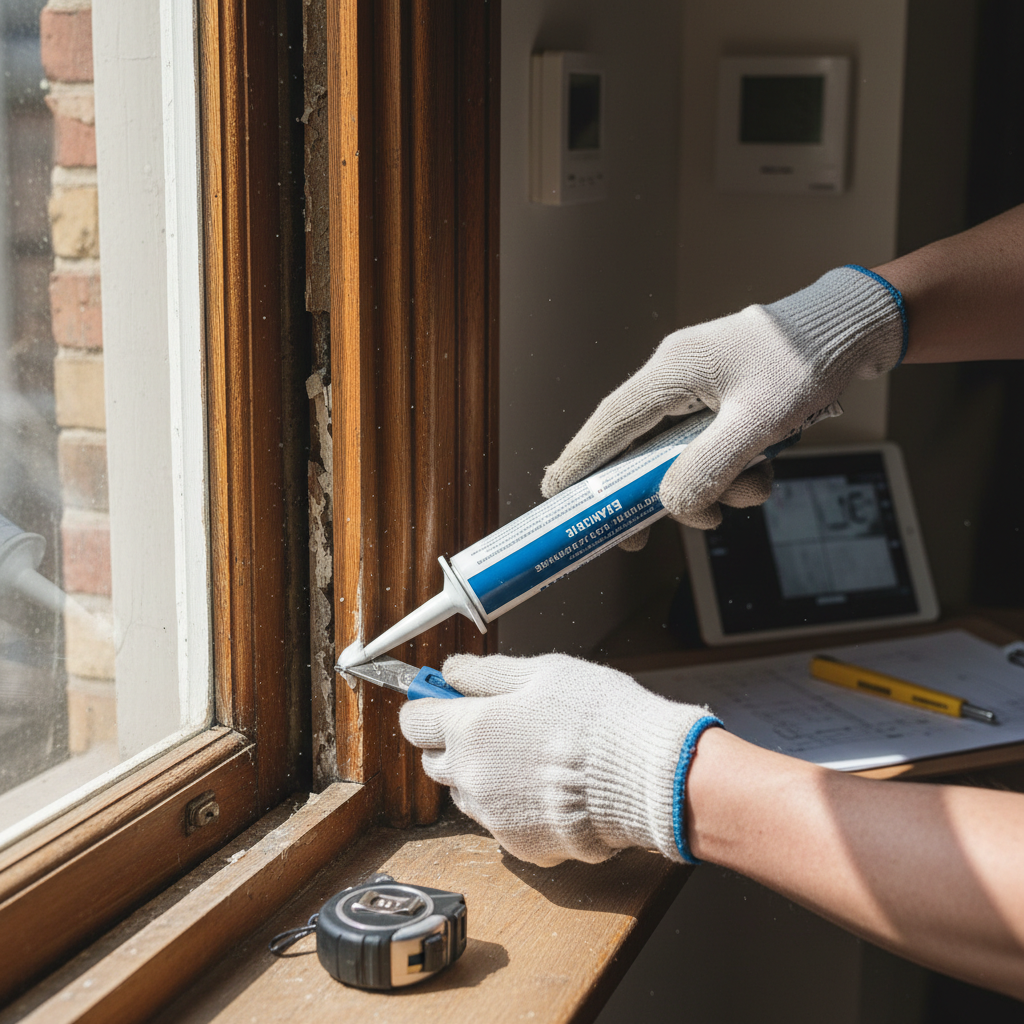
Okay, so here's the quick version. You're feeling drafts and your energy bills are sky-high because your house is leaking air like a sieve around the windows and doors. Most of the time, it's just old, cracked weatherstripping or caulk. It's an easy fix. You can grab some good quality caulk and weatherstripping for maybe $20-50 and spend a Saturday afternoon sealing things up. A pro will do a more thorough job for a few hundred bucks, but for basic leaks, this is prime DIY territory. Just don't buy the cheap stuff.
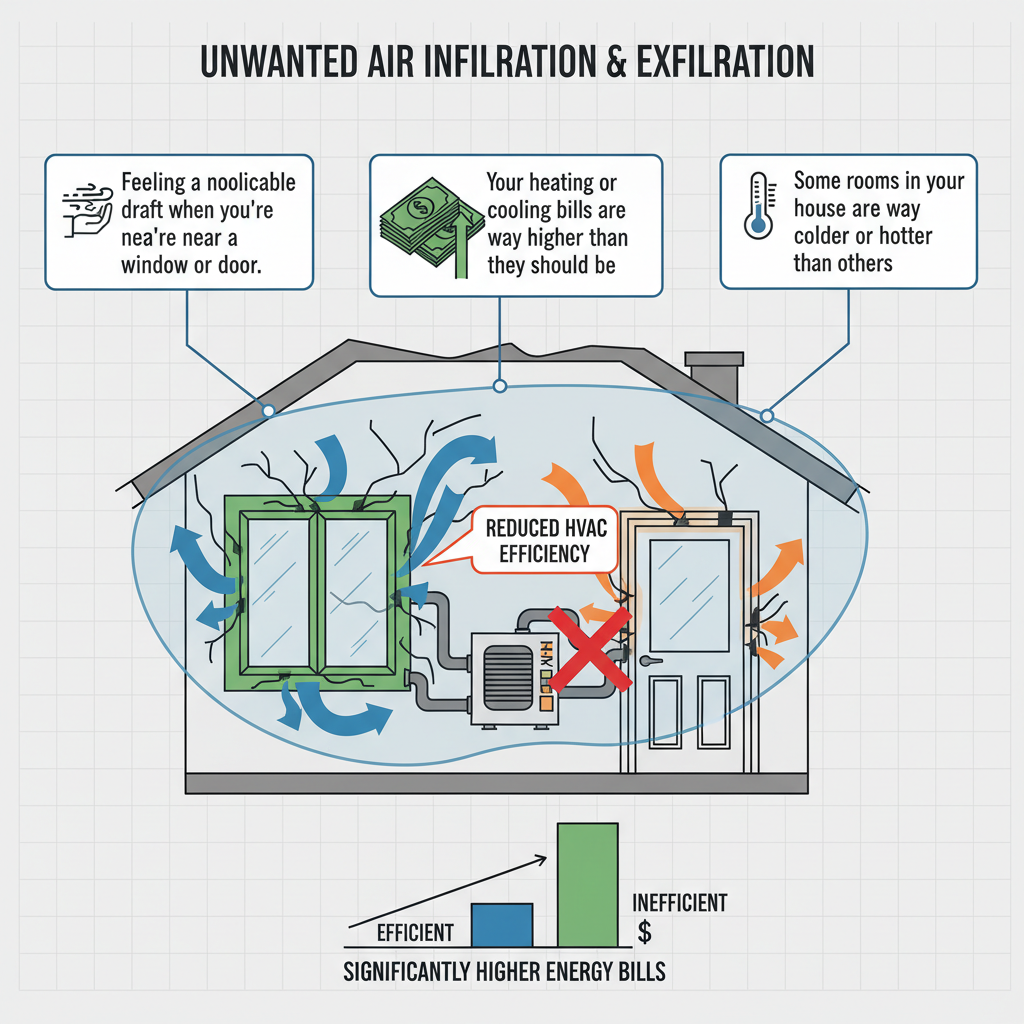
Common Symptoms
Possible Causes
Step-by-Step Diagnosis
Step 1
Visual Inspection. Just use your eyes. Walk around the inside and outside of every window and door. Look for obvious cracks in the caulk or pieces of weatherstripping peeling off. Can you see daylight around the frame? That's a huge red flag.
Step 2
The Hand Test. On a cool, windy day, run the back of your hand slowly around the edges of all your windows and doors. You'll feel the cold air if there's a leak. It's a simple but incredibly effective test.
Step 3
The Smoke Test. Grab an incense stick or a smoke pencil. Light it and hold it near the edges of a window frame or door jamb. If the smoke gets blown around or sucked through a crack, you've found a leak. Test electrical outlets on exterior walls, too.
Step 4
The Dollar Bill Test. Stick a dollar bill in a window or door and close it. Try to pull the bill out. If it comes out with no resistance at all, the seal is no good. You should feel a definite drag on the bill.
Step 5
Call for a Blower Door Test. If you've sealed the obvious spots and still have issues, or if you just want to know for sure, a professional energy audit with a blower door test will find every single leak in your house, guaranteed.

DIY vs Professional Costs
| Repair Type | DIY Cost | Professional Cost | Time Required |
|---|---|---|---|
Replacing Weatherstripping | $10-50 | $150-250 | 1-2 hours |
Re-caulking Around Frames | $5-20 | $200-400 | 2-4 hours |
Professional Energy Audit (Blower Door Test) | N/A | $300-500 | 2-3 hours |
When to Call a Professional Hvac
- If you've done the basic DIY sealing and you still feel significant drafts.
- When you see large cracks in the drywall or foundation near the window or door, which indicates a structural problem.
- For any windows that are on the second story or higher and require a large, unstable ladder to reach from the outside.
- If the window itself is damaged—the glass is fogged, the frame is rotten, or it won't lock properly. No amount of sealant will fix a broken window.
Prevention Tips
- Inspect your caulk and weatherstripping twice a year, in the spring and fall. Replace anything that looks cracked, brittle, or is peeling away.
- When you close your windows, make sure you lock them. The lock helps pull the window sashes tight against the weatherstripping, creating a better seal.
- If you have an older home with single-pane windows, consider applying a window insulation film kit in the winter. It creates a dead air space that significantly reduces heat loss.
- Make sure your door thresholds are adjusted properly. Many have screws that let you raise or lower them to create a tight seal against the bottom of the door.
Frequently Asked Questions
Related Guides
Frozen AC Evaporator Coil (Troubleshooting & Fixes)
Seeing ice on your AC unit? Your AC probably isn't cooling right. A veteran tech explains why your evaporator coil is frozen and how to fix it fast.
Furnace Making Various Strange Noises? Troubleshooting & Fixes from a 25-Year Vet
Furnace making strange noises? A veteran HVAC tech explains what banging, whistling, or rattling means and how to fix it. DIY tips and when to call a pro.
Furnace Ignitor Not Glowing? Troubleshooting & Fixes from a 25-Year Pro
Furnace ignitor not glowing? An old pro with 25+ years in the field shows you why it's happening and how to fix it, from DIY replacement to a pro call.
Programmable thermostat fails to retain programmed temperature schedules or settings, resulting in improper HVAC system operation and inconsistent indoor temperatures. Troubleshooting & Fixes
Clogged HVAC condensate drain line, leading to water backup and potential system shutdown or water damage. Troubleshooting & Fixes
How to replace an HVAC air filter, including why it's important, signs it needs changing, and proper replacement procedures. Troubleshooting & Fixes
Need Professional Help?
Find top-rated hvac experts in your area