Quick Answer
The direct answer strongly emphasizes evacuation and calling 911, which is absolutely correct and critical. It could briefly mention that the CO detector alarm is distinct from a smoke detector or low-battery alert, reinforcing the urgency. The advice to call a pro afterwards is spot on.
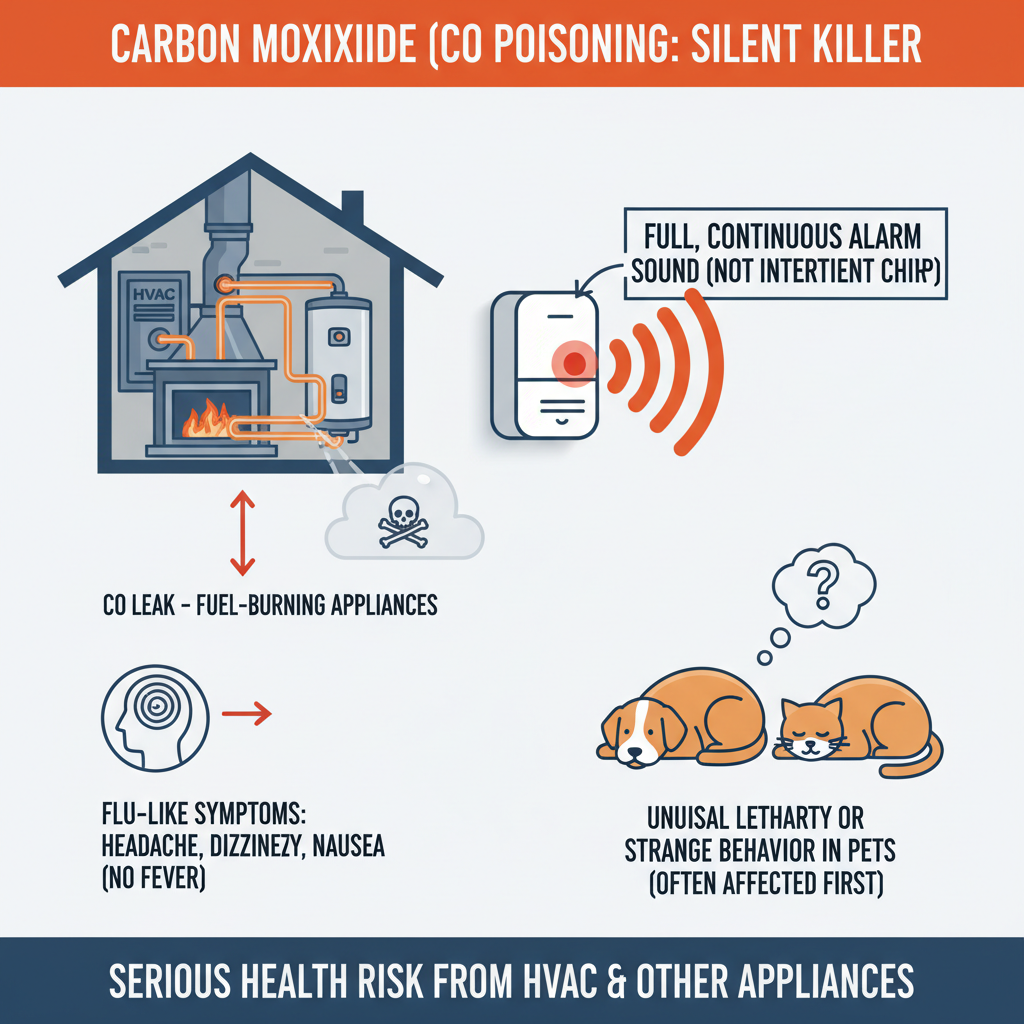
Common Symptoms
Possible Causes
Step-by-Step Diagnosis
Step 1
Immediately evacuate everyone from the house to a safe distance outside.
Step 2
Call 911 from outside or a neighbor's house and report a carbon monoxide alarm.
Step 3
Allow the fire department to enter with their professional meters to test CO levels and identify the potential source.
Step 4
Once the emergency is cleared and the house is ventilated, call a qualified HVAC technician for a full inspection.
Step 5
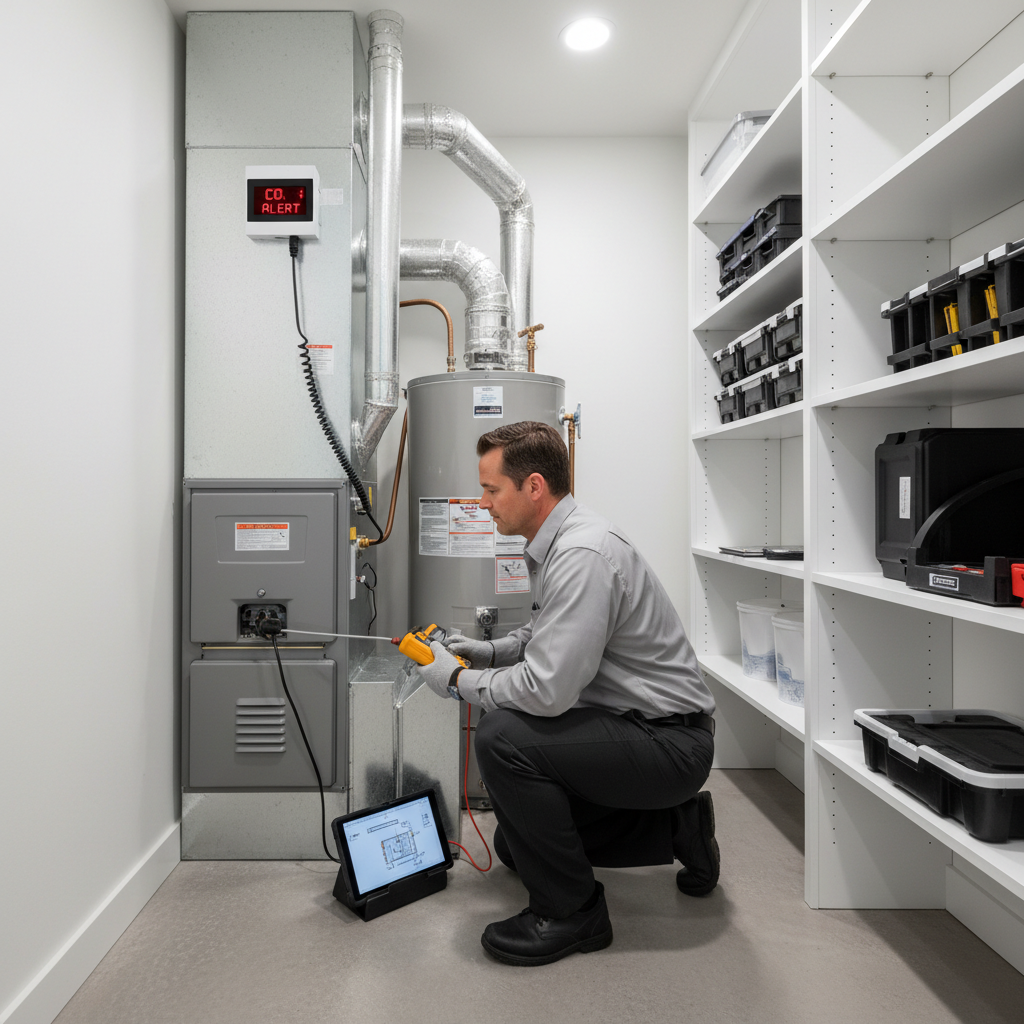
The HVAC tech will use a combustion analyzer and inspection camera to diagnose the exact cause, whether it's the furnace, water heater, or venting.
Step 6
Based on the technician's findings, approve the necessary repairs or replacement of the faulty appliance.
DIY vs Professional Costs
| Repair Type | DIY Cost | Professional Cost | Time Required |
|---|---|---|---|
Replacing CO Detector Batteries | $5-$15 | $95-$175 (if part of a bigger service call) | 5 minutes |
Replacing the CO Detector Unit | $20-$80 (get a good one, not junk) | $120-$220 (for the unit + trip charge) | 15 minutes |
HVAC Tech CO Leak Investigation | Not recommended. Seriously, don't. | $100-$250 (This is my job.) | 1-3 hours |
Chimney/Flue Cleaning | $20-$50 for brushes, but it's risky | $150-$500 | 1-2 hours |
Furnace Heat Exchanger Replacement | Not a DIY job. Ever. Period. | $1,500-$3,500+ (Honestly, just replace the furnace.) | 4-8 hours |
Water Heater Replacement | $400-$800 (if you have the skills) | $900-$2,000+ | 2-4 hours |
When to Call a Professional Hvac
- Immediately after emergency services (911/fire department) have investigated an alarm and cleared the home for re-entry.
- If your alarm chirps intermittently and replacing the batteries does not solve the issue, indicating an 'end-of-life' sensor.
- Anytime you notice signs of appliance malfunction like soot, unusual smells, or a yellow/orange burner flame instead of blue.
- Annually, for a professional tune-up and safety inspection of your furnace, boiler, and other fuel-burning appliances.
Prevention Tips
- Install high-quality CO detectors with digital readouts on every level of the home and near sleeping areas.
- Test your CO detectors monthly and replace the entire unit every 5-7 years, or as per the manufacturer's date.
- Schedule annual professional maintenance for all fuel-burning appliances, especially your furnace before winter.
- Keep all exterior vents for your furnace, water heater, and dryer clear of snow, bushes, and other obstructions.
- Never, ever run a vehicle, generator, or charcoal/propane grill inside an attached garage or home.
Frequently Asked Questions
Related Guides
Frozen AC Evaporator Coil (Troubleshooting & Fixes)
Seeing ice on your AC unit? Your AC probably isn't cooling right. A veteran tech explains why your evaporator coil is frozen and how to fix it fast.
Furnace Making Various Strange Noises? Troubleshooting & Fixes from a 25-Year Vet
Furnace making strange noises? A veteran HVAC tech explains what banging, whistling, or rattling means and how to fix it. DIY tips and when to call a pro.
Furnace Ignitor Not Glowing? Troubleshooting & Fixes from a 25-Year Pro
Furnace ignitor not glowing? An old pro with 25+ years in the field shows you why it's happening and how to fix it, from DIY replacement to a pro call.
Programmable thermostat fails to retain programmed temperature schedules or settings, resulting in improper HVAC system operation and inconsistent indoor temperatures. Troubleshooting & Fixes
Clogged HVAC condensate drain line, leading to water backup and potential system shutdown or water damage. Troubleshooting & Fixes
How to replace an HVAC air filter, including why it's important, signs it needs changing, and proper replacement procedures. Troubleshooting & Fixes
Need Professional Help?
Find top-rated hvac experts in your area