Quick Answer
The direct answer is good and covers the most common issue. For completeness, it could briefly mention checking for drafts or a clogged pilot orifice, as these are also relatively common and easy checks before replacing the thermocouple, but it's not strictly necessary for a 'quick version' answer.
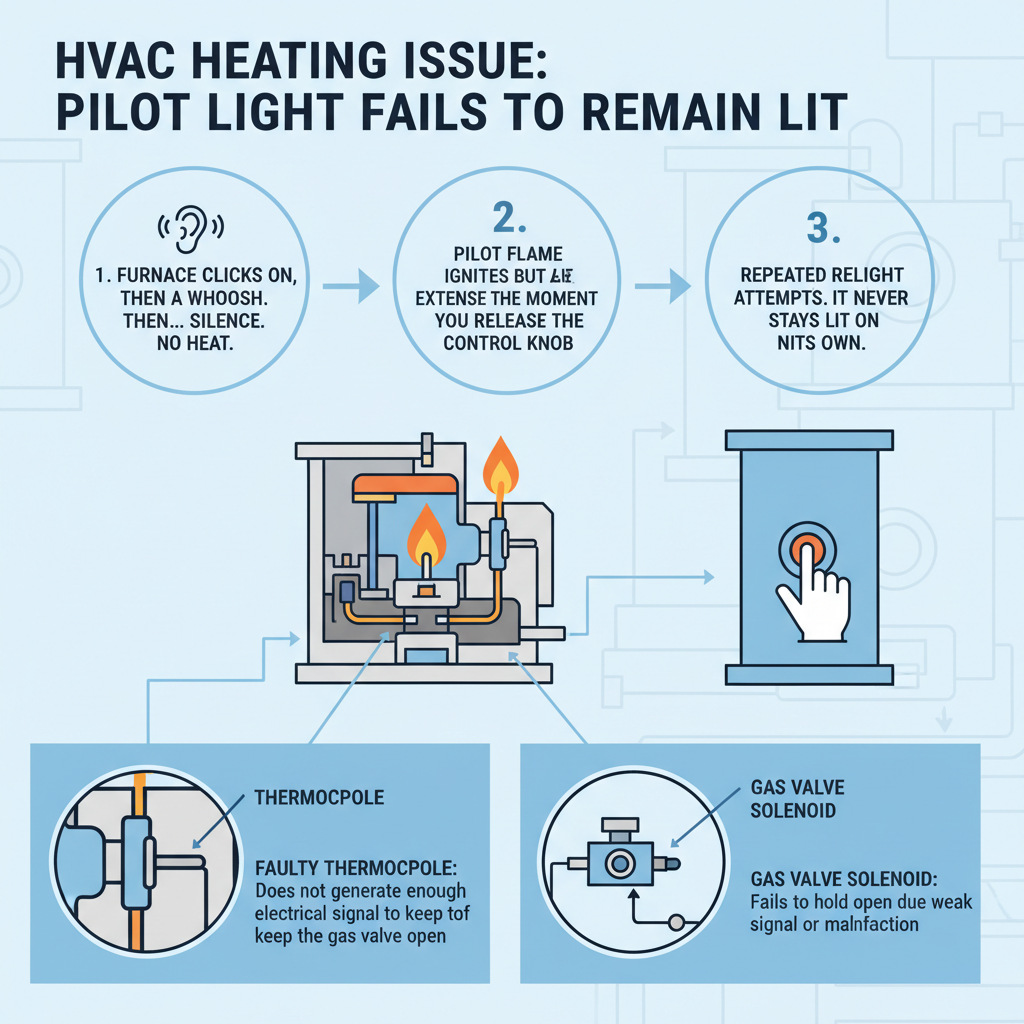
Common Symptoms
Possible Causes
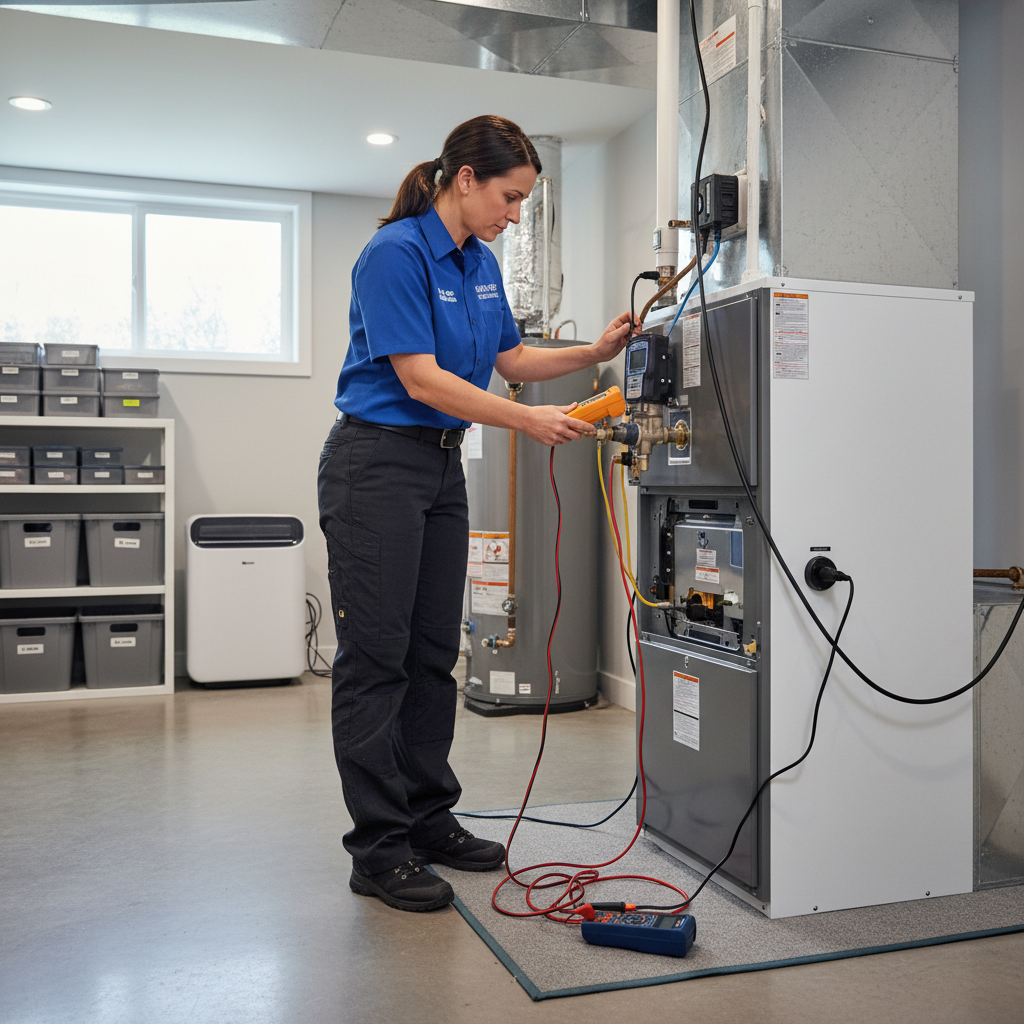
Step-by-Step Diagnosis
Step 1
Turn off power to the furnace at the breaker and turn the gas knob on the furnace to OFF.
Step 2
Locate the pilot assembly and visually inspect the thermocouple rod for heavy soot, corrosion, or physical damage.
Step 3
Gently clean the top inch of the thermocouple with fine-grit sandpaper or a dollar bill to remove any buildup.
Step 4
Check the pilot orifice for obstructions and clear it with a can of compressed air. Do not use pins or needles.
Step 5
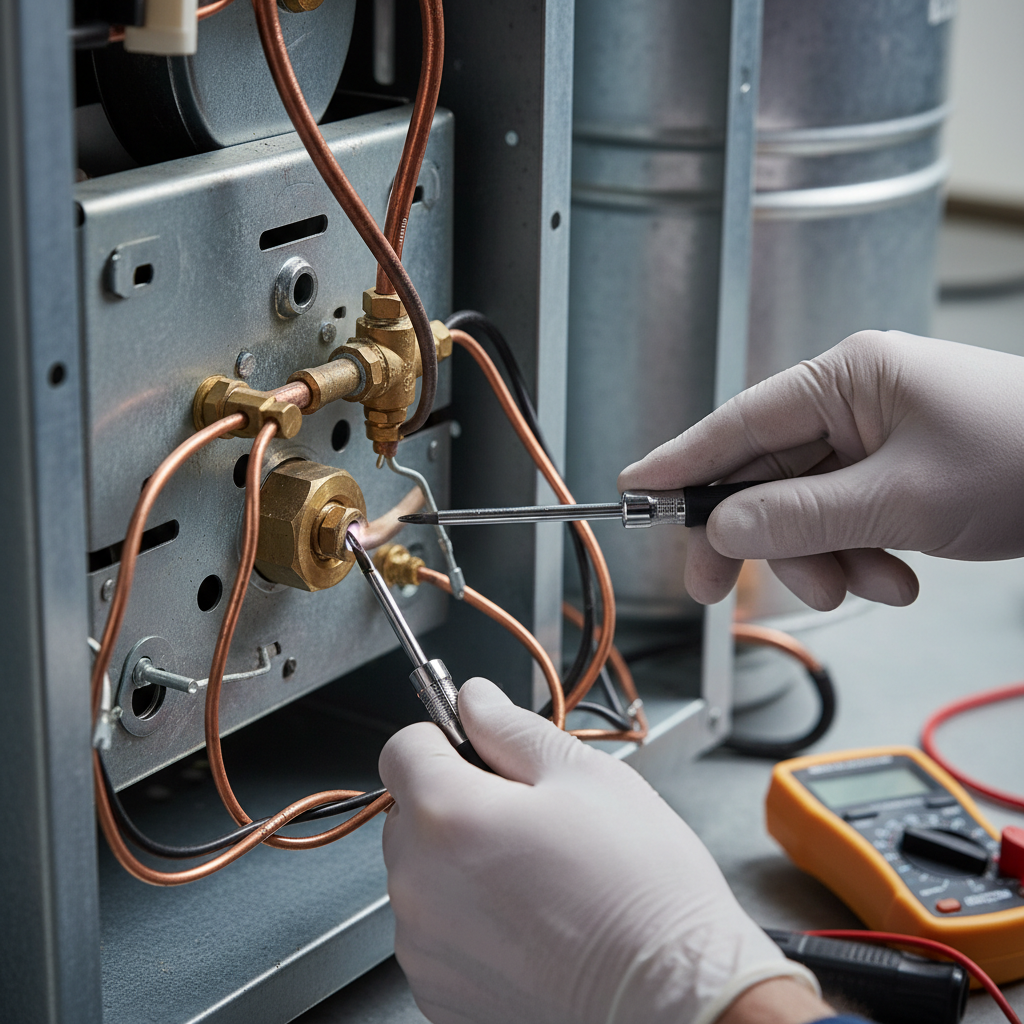
Follow the thermocouple line back to the gas valve and ensure the connection nut is snug (firm, not overtightened).
Step 6
Re-assemble the furnace, turn the power and gas back on, and attempt to relight the pilot according to the manufacturer's instructions.
DIY vs Professional Costs
| Repair Type | DIY Cost | Professional Cost | Time Required |
|---|---|---|---|
Clean Thermocouple | $0-$5 | $95-$175 | 20 minutes |
Replace Thermocouple | $15-$30 | $150-$300 | 30-45 minutes |
Replace Gas Valve | DO NOT DIY | $450-$900+ | 1-2 hours (Pro only) |
When to Call a Professional Hvac
- If you smell gas at any point, stop what you're doing, leave the house, and call your gas company's emergency line immediately.
- You have replaced the thermocouple with a new one and cleaned the pilot orifice, but the pilot light still will not stay lit.
- The pilot flame is large, yellow, and turbulent, which could indicate a dangerous gas pressure issue.
- You are not comfortable or confident working on a gas appliance. There is no shame in calling a pro for safety and peace of mind.
Prevention Tips
- Change your furnace filter every 1-3 months to ensure proper airflow and prevent soot buildup.
- Schedule an annual professional furnace tune-up where a technician will clean and inspect the pilot assembly and thermocouple.
- Keep the area around your furnace clean and free of dust, debris, and chemical cleaners to prevent corrosion and clogging.
- Ensure the furnace access panels are always securely fastened to prevent drafts from extinguishing the pilot light.
Frequently Asked Questions
Related Guides
Frozen AC Evaporator Coil (Troubleshooting & Fixes)
Seeing ice on your AC unit? Your AC probably isn't cooling right. A veteran tech explains why your evaporator coil is frozen and how to fix it fast.
Furnace Making Various Strange Noises? Troubleshooting & Fixes from a 25-Year Vet
Furnace making strange noises? A veteran HVAC tech explains what banging, whistling, or rattling means and how to fix it. DIY tips and when to call a pro.
Furnace Ignitor Not Glowing? Troubleshooting & Fixes from a 25-Year Pro
Furnace ignitor not glowing? An old pro with 25+ years in the field shows you why it's happening and how to fix it, from DIY replacement to a pro call.
Programmable thermostat fails to retain programmed temperature schedules or settings, resulting in improper HVAC system operation and inconsistent indoor temperatures. Troubleshooting & Fixes
Clogged HVAC condensate drain line, leading to water backup and potential system shutdown or water damage. Troubleshooting & Fixes
How to replace an HVAC air filter, including why it's important, signs it needs changing, and proper replacement procedures. Troubleshooting & Fixes
Need Professional Help?
Find top-rated hvac experts in your area