Quick Answer
The direct answer is accurate and effectively highlights the common pitfalls and cost implications, which is excellent for setting realistic expectations. The cost range provided ($2,500 - $6,000+) is also realistic.
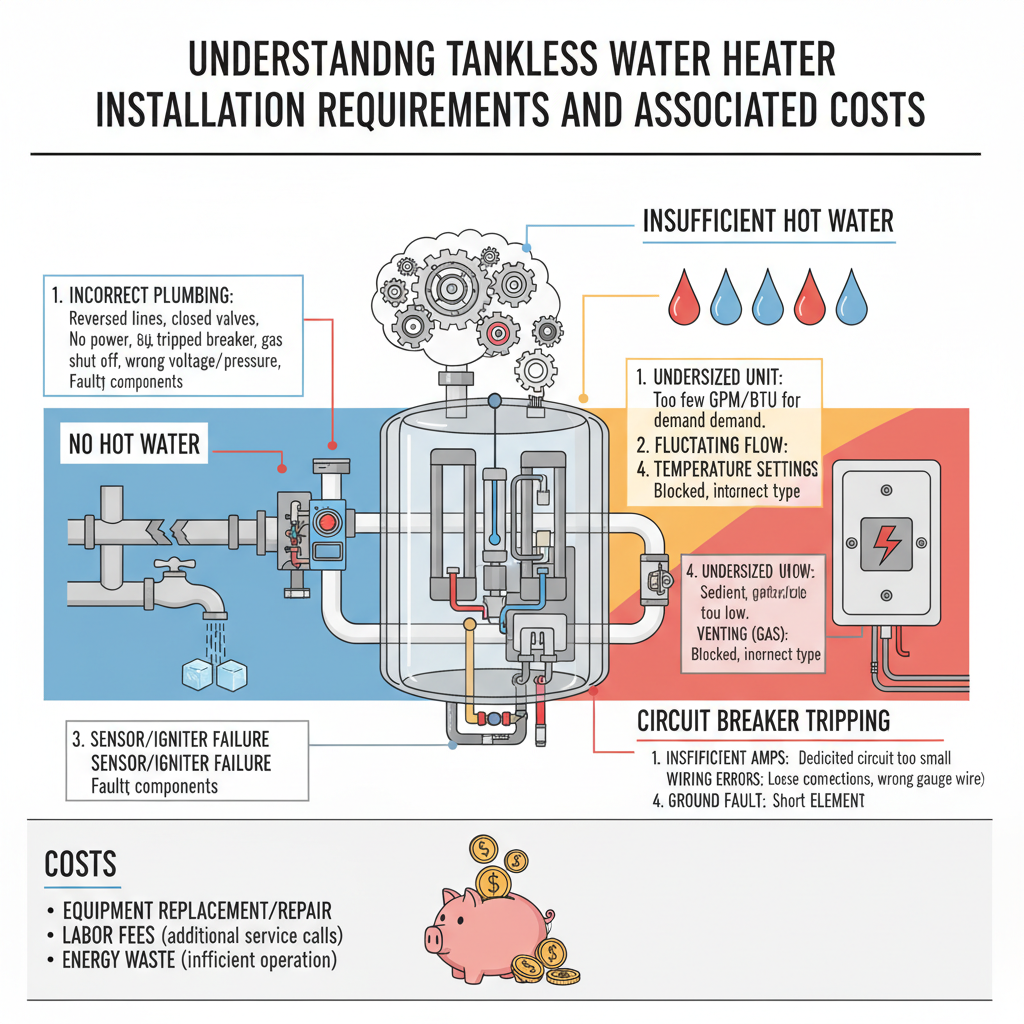
Common Symptoms
Possible Causes
Step-by-Step Diagnosis
Step 1
Check the power source. For gas, verify the gas valve is open. For electric, check the breakers in the main panel; they are often massive 40-60A double-pole breakers.
Step 2
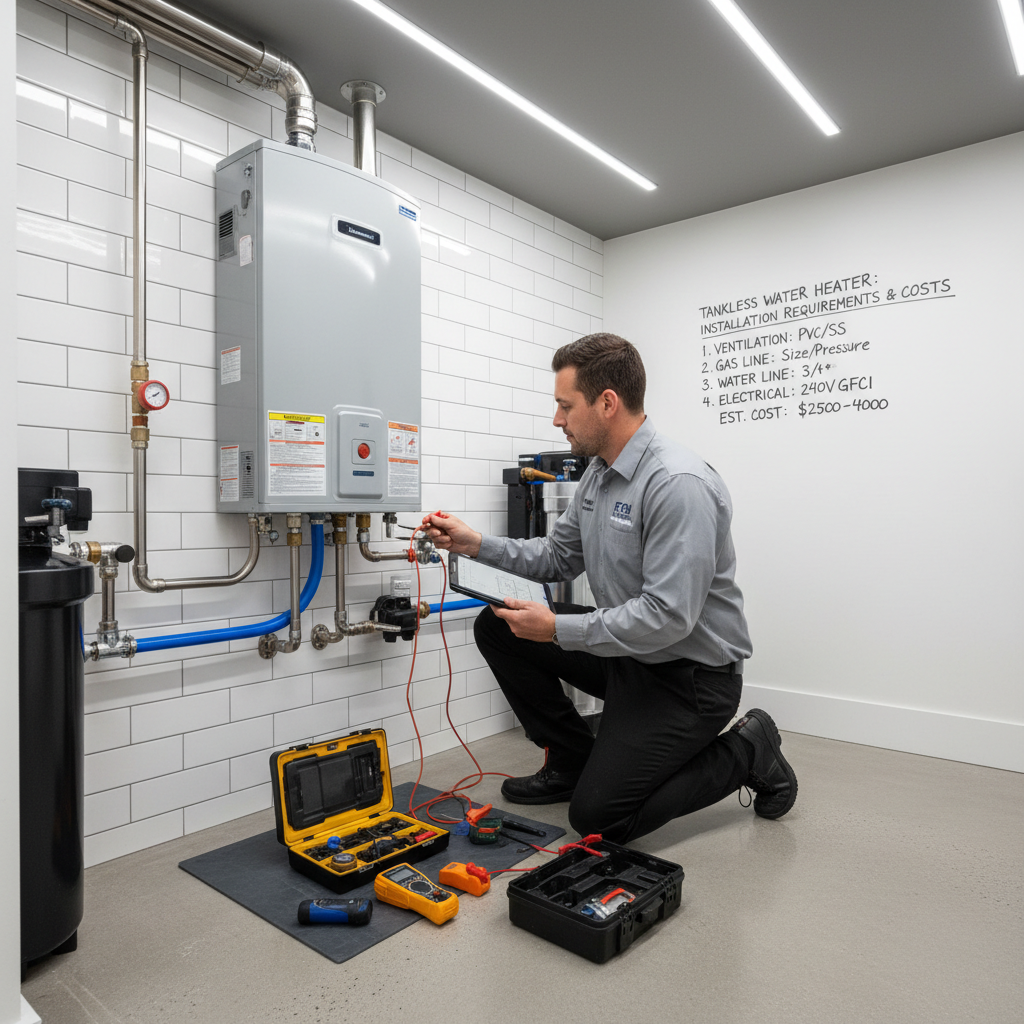
Verify the infrastructure. Trace the gas line back to the meter to confirm it's 3/4" or larger. For electric, check the wire gauge going to the unit; it should be very thick (e.g., #6 or #8 AWG).
Step 3
Calculate the required temperature rise. Find your area's coldest groundwater temperature and subtract it from 120°F. Compare this to the unit's GPM capacity at that rise, listed in the manual.
Step 4
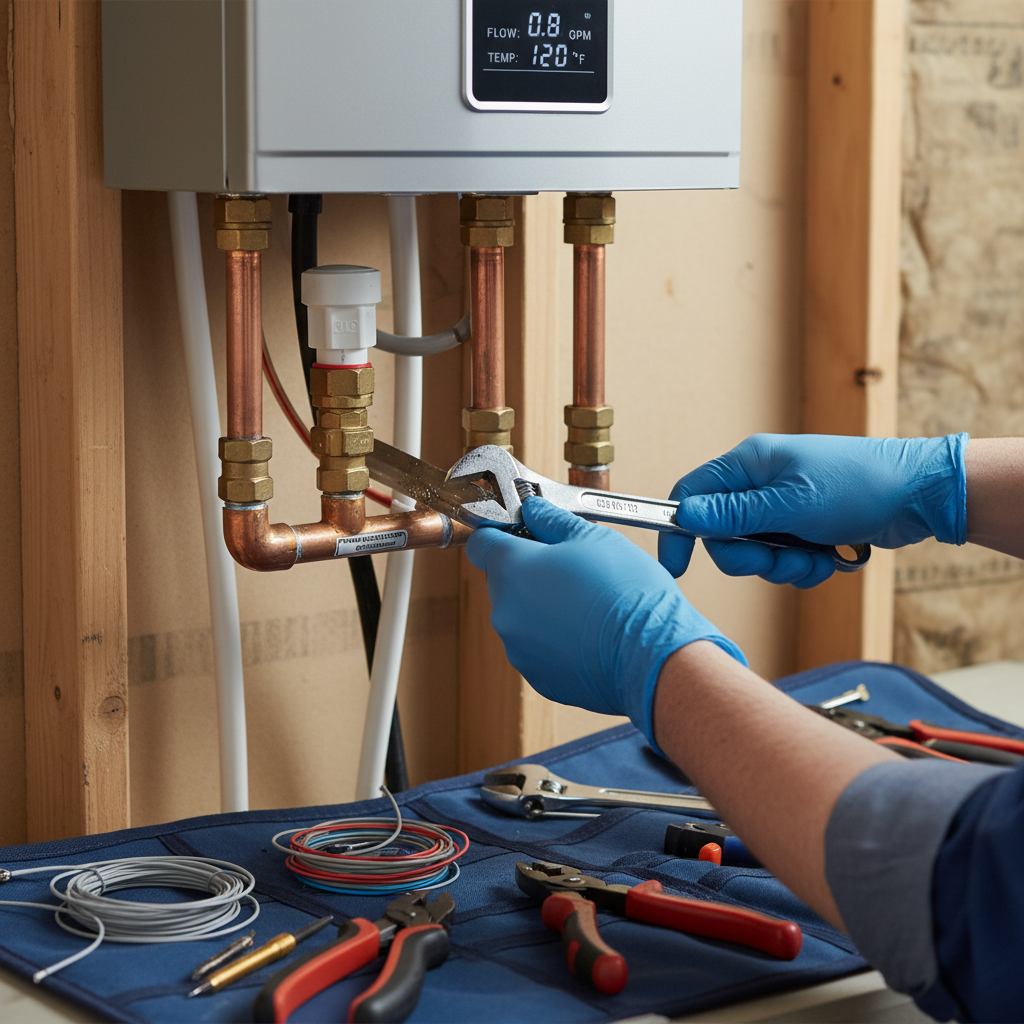
Inspect all plumbing connections for drips or signs of leaks. Confirm an isolation valve kit with a pressure relief valve was installed.
Step 5
Inspect the venting system from the unit to the exterior termination. Ensure the material is correct (PVC for condensing, stainless steel for non-condensing) and that it's sloped correctly (typically 1/4" per foot).
DIY vs Professional Costs
| Repair Type | DIY Cost | Professional Cost | Time Required |
|---|---|---|---|
Gas Line Upgrade (to 3/4" or 1") | $200-500 | $500 - $2,000+ | 4-8 hours |
Electrical Upgrade (New Breakers/Wiring) | $150-400 | $600 - $2,500+ | 4-10 hours |
New Venting System (PVC or Stainless) | $100-300 | $400 - $1,500 | 3-6 hours |
Full Electrical Panel Upgrade | DO NOT DIY | $1,500 - $4,000+ | 1-2 days |
When to Call a Professional Water Heater
- The moment you decide to switch from a tank to a tankless heater, you should call for a consultation BEFORE buying anything.
- Anytime work is needed on a gas line. Do not touch it yourself.
- When new electrical circuits, a subpanel, or a main panel upgrade are required for an electric unit.
- If you smell gas, see persistent leaks, or have breakers tripping after an installation attempt.
- If you are unsure about local building codes, permits, and venting requirements.
Prevention Tips
- Get a professional consultation BEFORE you buy a unit to have it properly sized for your home's unique needs.
- Ensure your contractor is pulling all necessary permits for gas and electrical work. No permit is a major red flag.
- Insist on the installation of a full isolation valve kit to make future maintenance (like descaling) much easier.
- Budget for infrastructure upgrades. Assume you will need a new gas line or significant electrical work as part of the total cost.
Frequently Asked Questions
Related Guides
Lack of hot water heater maintenance leading to decreased efficiency, premature failure, and reduced lifespan Troubleshooting & Fixes
Inefficient water heater operation due to insufficient insulation, leading to higher energy consumption and increased utility bills. Troubleshooting & Fixes (2024 Guide)
Is your water heater bleeding heat and money? Our veteran tech's guide shows you how to troubleshoot and fix poor insulation for lower utility bills. Easy fixes inside.
Safely and effectively shutting down a water heater during an emergency or for maintenance to prevent further damage or hazards. Troubleshooting & Fixes
Water Heater TPR Valve Leaking: Troubleshooting & Fixes (2024 Guide)
Your water heater's TPR valve leaking? A veteran tech explains why it's happening, how to fix it, and when to call a pro. Learn the real causes and costs.
Noisy Water Heater (Popping, rumbling, hissing, whining, banging sounds) Troubleshooting & Fixes
Going Tankless: DIY Dream or Professional Necessity? Troubleshooting & Fixes (2024 Guide)
Thinking of swapping to a tankless water heater? A veteran tech breaks down the real costs and dangers of DIY vs. hiring a pro. Don't touch that gas line yet.
Need Professional Help?
Find top-rated water heater experts in your area