Quick Answer
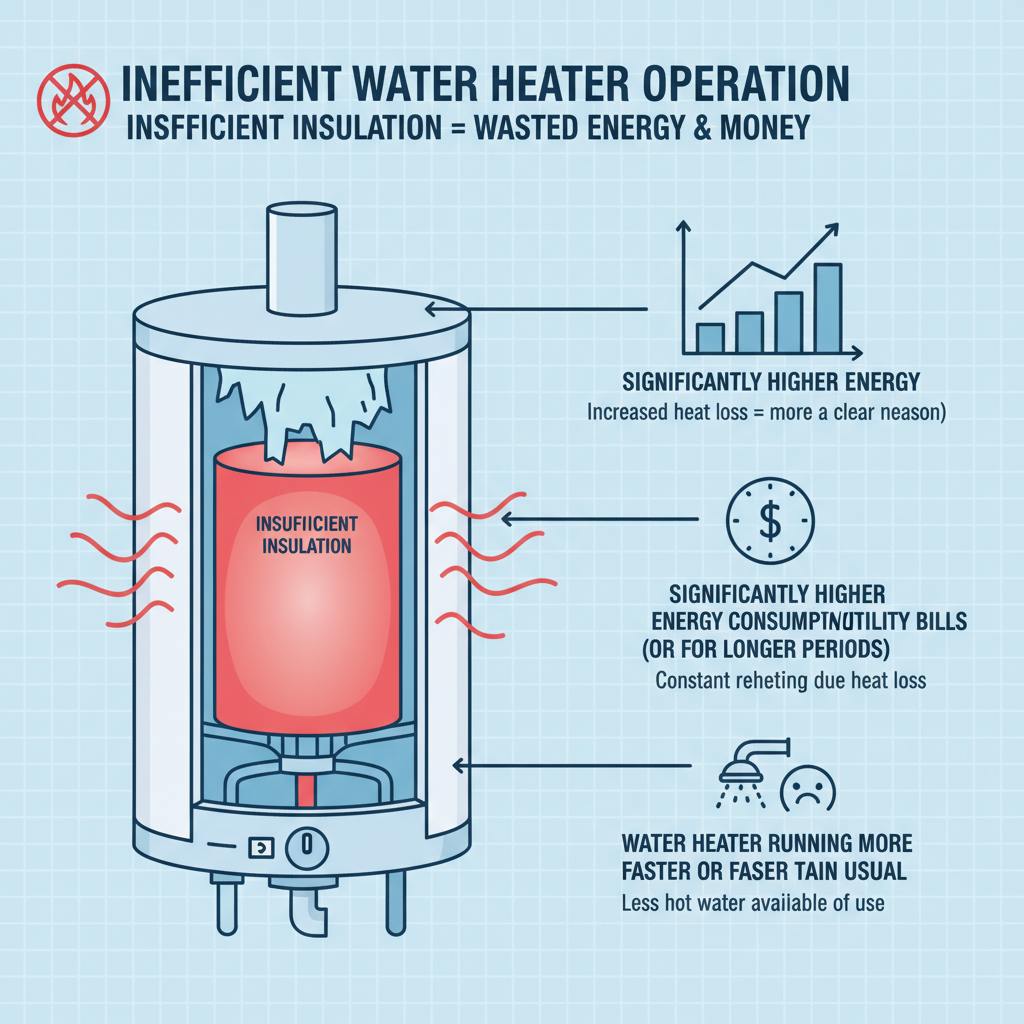
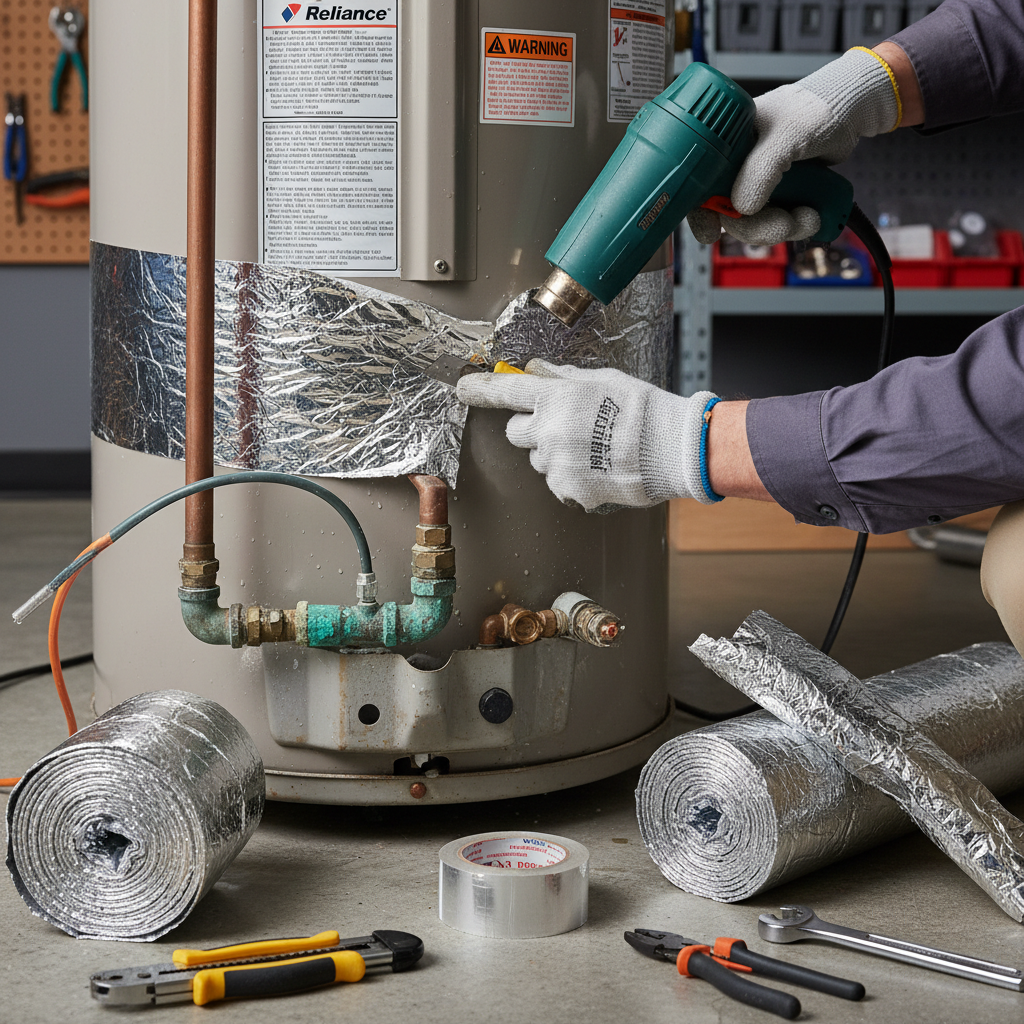
If your water heater tank feels warm to the touch, it's losing heat and money due to insufficient insulation. The easiest and most effective DIY fix is to install a water heater insulation blanket. This simple project takes less than an hour and can reduce standby heat loss by 25-45%, saving you significant money on your utility bills. Ensure you choose the right blanket for your type of water heater (electric vs. gas) and follow safety guidelines, especially for gas units, to avoid covering critical components like air intakes or flues.
Common Symptoms
Possible Causes
Step-by-Step Diagnosis
Step 1
Review your recent utility bills for any unexplained spikes in energy consumption (gas or electric).
Step 2
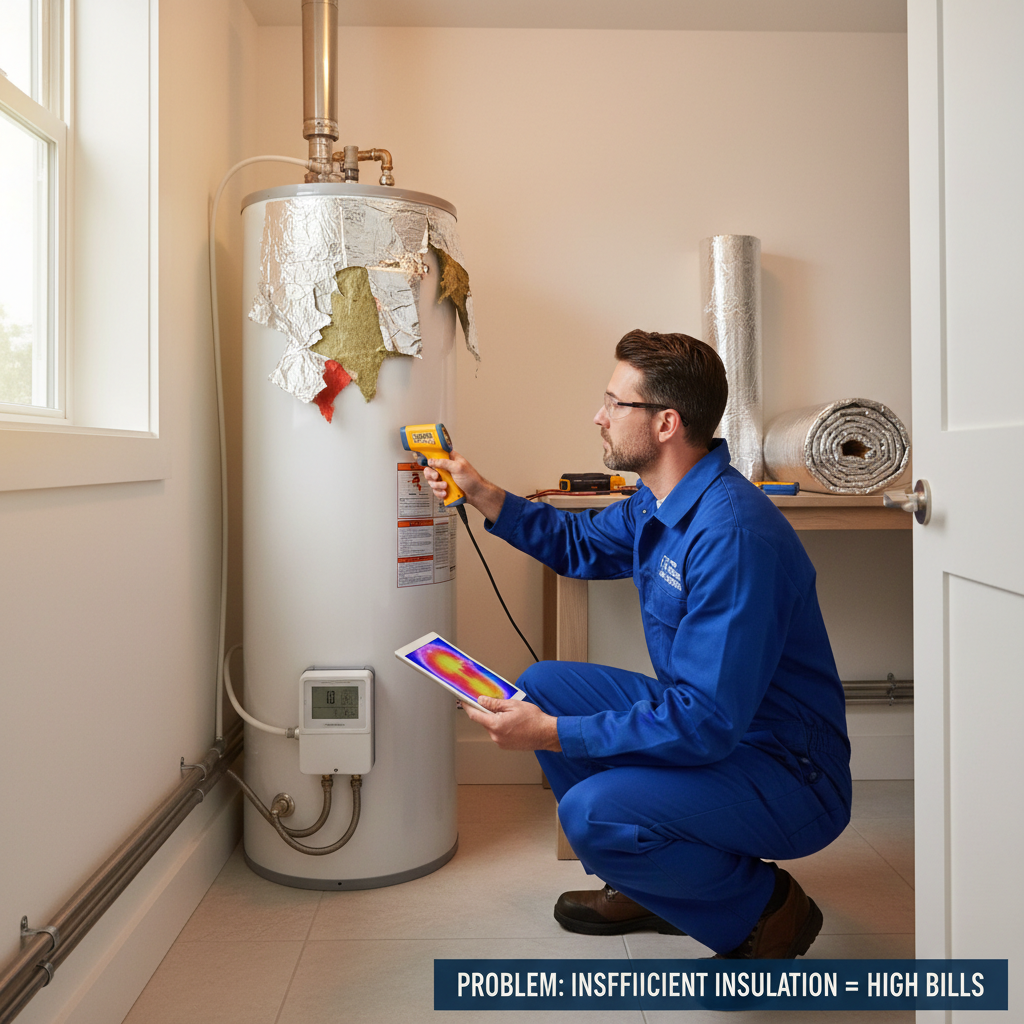
Perform the 'hand test' by placing your palm on the side of the water heater tank. If it feels warm or hot, heat is escaping.
Step 3
Check the water heater's age by locating the serial number on the manufacturer's label. Older units often have inferior insulation.
Step 4
Listen for frequent cycling. Observe if the water heater turns on and off every 10-20 minutes without hot water use, indicating standby heat loss.
Step 5
Test hot water duration. Compare how long your hot water lasts now versus in the past to identify potential depletion issues.
Step 6
Visually inspect for clear air gaps around the tank or if the existing insulation blanket (if present) is damaged or poorly installed.
DIY vs Professional Costs
| Repair Type | DIY Cost | Professional Cost | Time Required |
|---|---|---|---|
Install Insulation Blanket | $30 - $70 | $125 - $250 | 1 Hour |
Insulate Water Pipes | $15 - $40 | $100 - $200 | 30 Mins |
Flush the Tank (Sediment) | $0 - $20 | $150 - $250 | 1-2 Hours |
Replace Old Inefficient Unit | N/A | $900 - $2,500+ | 3-5 Hours |
When to Call a Professional Water Heater
- If you observe any leaks from the water heater tank, pipes, or pressure relief valve.
- If your energy bills remain unusually high even after installing a blanket and flushing the tank.
- If you suspect an internal component failure (e.g., heating element, thermostat) that requires technical repair.
- If your water heater is over 12 years old and frequently malfunctions; replacement may be more economical than repair.
- If you are uncomfortable working with gas lines, electrical connections, or making modifications to the water heater itself.
- If a gas water heater has a strong sulfur or rotten egg smell (could indicate a gas leak).
Prevention Tips
- Install a high-quality insulation blanket on your water heater, especially for older models or those in unheated areas.
- Insulate the first 6 feet of both hot and cold water pipes connected to the water heater with foam pipe insulation.
- Flush your water heater tank annually to remove sediment buildup, which improves efficiency and extends tank life.
- Set your water heater thermostat to an optimal temperature, generally 120°F (49°C), to save energy and reduce heat loss.
- Consider an upgrade to a newer, energy-efficient water heater if your current unit is very old and consistently inefficient.
Frequently Asked Questions
Related Guides
Hot Water Smells Like Rotten Eggs? Here's How to Fix It (Troubleshooting & Fixes)
Stop the rotten egg smell in your hot water! This guide identifies the causes (bacteria, anode rod, water quality) and provides DIY fixes, from flushing and shock chlorination to anode rod replacement. Learn when to call a pro.
Water Heater Expansion Tank Problems: Diagnosis, Fixes & Prevention Guide
Is your water heater's T&P valve dripping or pipes banging? Our expert guide helps you diagnose and fix common water heater expansion tank problems, including waterlogging and pressure issues. Learn how to prevent leaks and significantly extend the life of your plumbing system.
Water Heater Inefficiency: Diagnosing and Fixing Poor Insulation for Lower Energy Bills
Stop energy waste and high utility bills! Learn to diagnose and fix inefficient water heater insulation with our expert guide. Discover easy DIY steps to insulate your tank and pipes for significant savings. Find out when to call a professional.
Tankless Water Heater Installation: DIY vs. Professional Guide (2024)
Considering a tankless water heater? This guide explains the significant challenges and dangers of DIY installation compared to hiring a professional, covering gas line upgrades, venting, electrical demands, and code compliance for safe and efficient operation.
Water Heater Not Hot Enough: Troubleshooting & Fixes (2024 Guide)
Tired of lukewarm showers? A veteran tech explains why your water heater isn't hot enough and how you can fix it. Troubleshooting tips for gas and electric.
Water Heater Leaking from Top: Troubleshooting & Fixes from a 25-Year Pro
Water heater leaking from the top? Learn to diagnose common culprits like T&P valves, loose connections, or the anode rod. Expert tips for DIY fixes and when to call a pro.
Need Professional Help?
Find top-rated water heater experts in your area