Quick Answer
If your water heater's pressure relief valve is dripping, your pipes are making banging noises, or the expansion tank feels heavy and solid when tapped, it's likely failed. The most definitive test is pressing the air valve on top: if water comes out, the internal diaphragm is ruptured. A failed expansion tank is usually waterlogged and needs to be replaced. You can install a new tank for $50-$120 yourself, or hire a professional plumber for $300-$650.
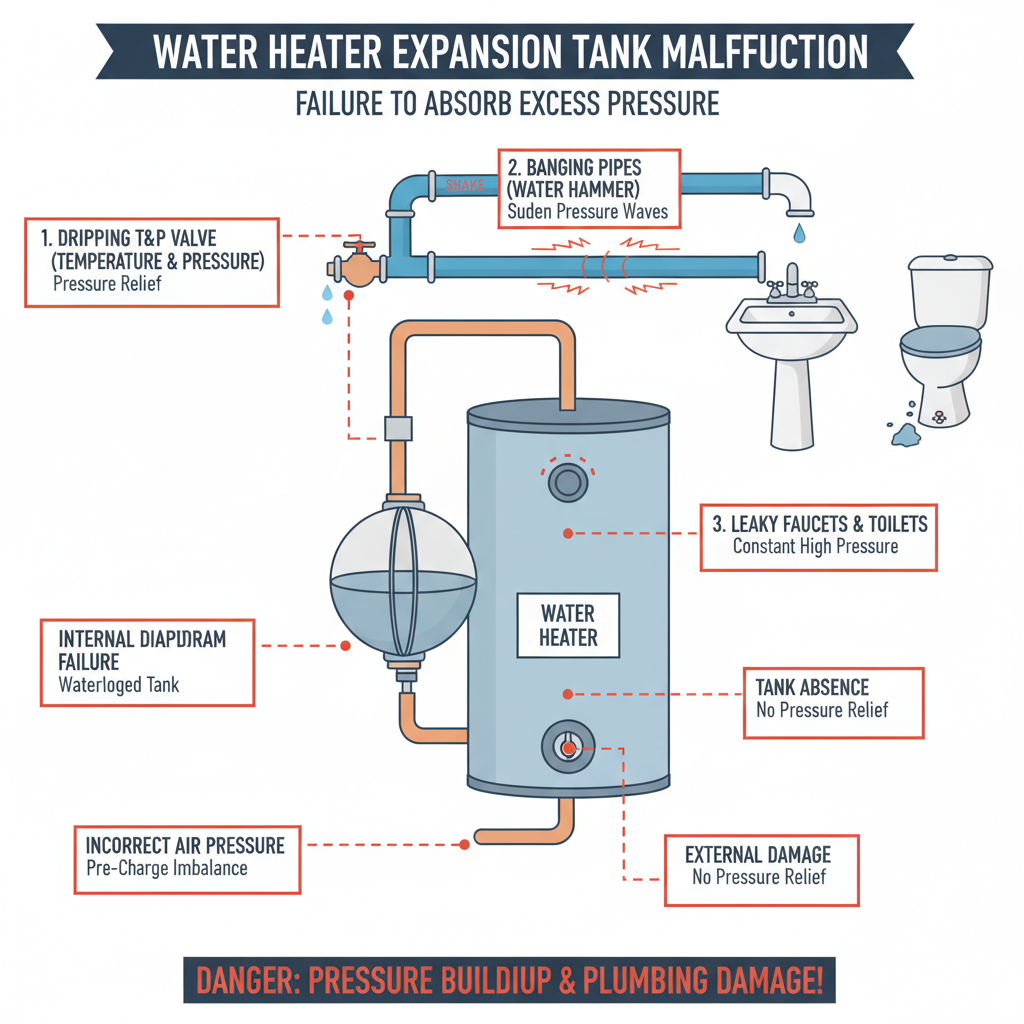
Common Symptoms
Possible Causes
Step-by-Step Diagnosis
Step 1
Visual Inspection – Look for rust, corrosion, or water stains on or around the tank.
Step 2
Tap Test – Gently tap on the top and bottom of the tank. It should sound hollow on top and solid on the bottom. A uniform solid sound indicates waterlogging.
Step 3
Air Valve Test – Remove the cap and briefly depress the pin on the Schrader valve. If water comes out, the diaphragm is ruptured, and replacement is needed.
Step 4
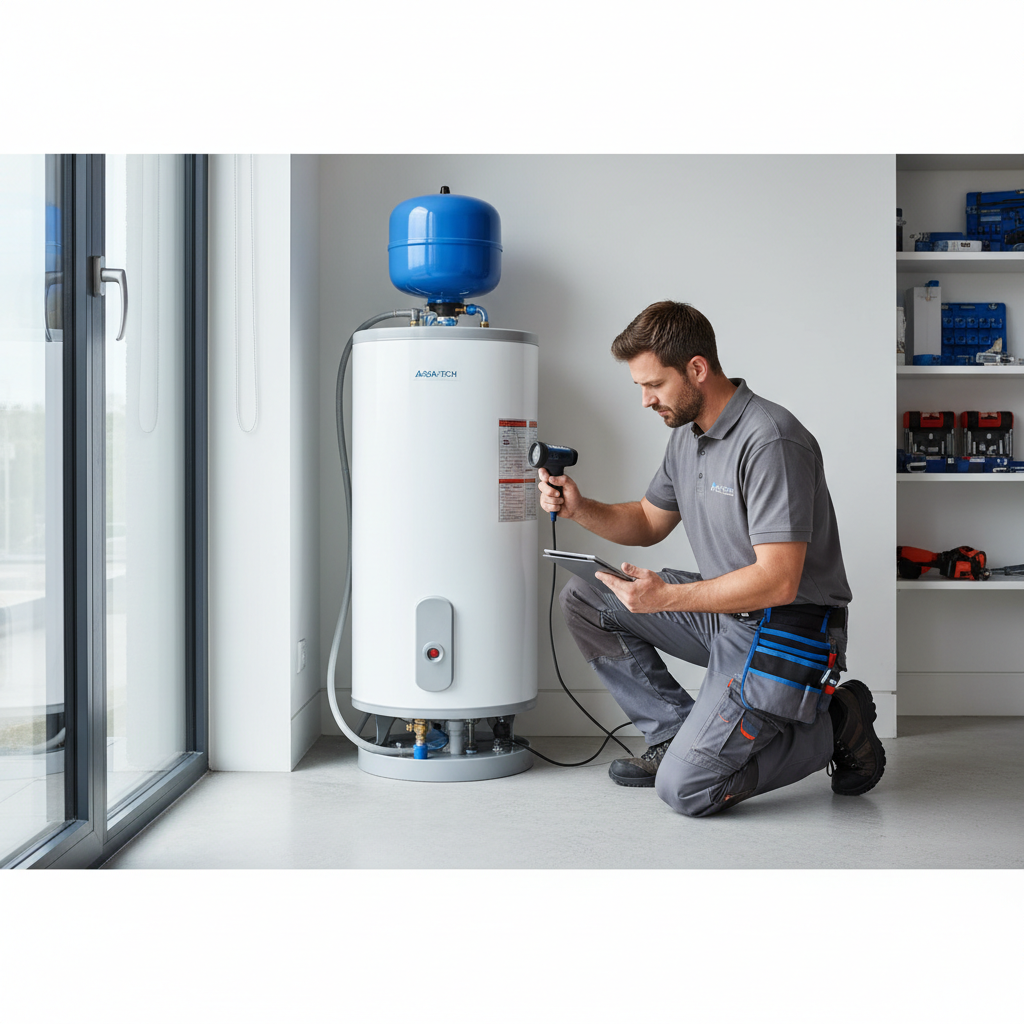
Air Pressure Check – (With water supply off and system pressure relieved) Use a tire gauge to check the air pressure at the Schrader valve. It should match your home's incoming static water pressure (typically 40-80 PSI). Adjust if necessary.
DIY vs Professional Costs
| Repair Type | DIY Cost | Professional Cost | Time Required |
|---|---|---|---|
Adjusting Air Pressure | $0 - $20 | $75 - $150 | 30 minutes |
Expansion Tank Replacement | $50 - $120 | $300 - $650 | 1-2 hours |
New Installation (if none exists) | $70 - $150 | $350 - $600+ | 2-4 hours |
When to Call a Professional Water Heater
- If water squirts out of the air valve, indicating a ruptured diaphragm and requiring replacement.
- If your water heater's T&P relief valve is discharging frequently or continuously, signalling dangerously high system pressure.
- If the expansion tank itself is leaking from its body due to rust or damage.
- If you do not have an expansion tank in a closed plumbing system and need one installed to comply with local codes and protect your system.
- If you are uncomfortable performing plumbing work, handling water shut-offs, or draining system components.
- If you've replaced the tank but still experience high pressure or T&P valve issues, suggesting a deeper plumbing problem.
Prevention Tips
- Perform annual air pressure checks and adjustments: Isolate the tank, relieve system pressure, and ensure the tank's air charge matches your home's water pressure.
- Regularly conduct the tap test (every 6-12 months) to detect early signs of waterlogging.
- Inspect the tank and its connections periodically for any signs of rust, corrosion, or leaks.
- Ensure proper installation with adequate support for the tank, preventing stress on plumbing connections.
Frequently Asked Questions
Related Guides
Hot Water Smells Like Rotten Eggs? Here's How to Fix It (Troubleshooting & Fixes)
Stop the rotten egg smell in your hot water! This guide identifies the causes (bacteria, anode rod, water quality) and provides DIY fixes, from flushing and shock chlorination to anode rod replacement. Learn when to call a pro.
Water Heater Expansion Tank Problems: Diagnosis, Fixes & Prevention Guide
Is your water heater's T&P valve dripping or pipes banging? Our expert guide helps you diagnose and fix common water heater expansion tank problems, including waterlogging and pressure issues. Learn how to prevent leaks and significantly extend the life of your plumbing system.
Water Heater Inefficiency: Diagnosing and Fixing Poor Insulation for Lower Energy Bills
Stop energy waste and high utility bills! Learn to diagnose and fix inefficient water heater insulation with our expert guide. Discover easy DIY steps to insulate your tank and pipes for significant savings. Find out when to call a professional.
Tankless Water Heater Installation: DIY vs. Professional Guide (2024)
Considering a tankless water heater? This guide explains the significant challenges and dangers of DIY installation compared to hiring a professional, covering gas line upgrades, venting, electrical demands, and code compliance for safe and efficient operation.
Water Heater Not Hot Enough: Troubleshooting & Fixes (2024 Guide)
Tired of lukewarm showers? A veteran tech explains why your water heater isn't hot enough and how you can fix it. Troubleshooting tips for gas and electric.
Water Heater Leaking from Top: Troubleshooting & Fixes from a 25-Year Pro
Water heater leaking from the top? Learn to diagnose common culprits like T&P valves, loose connections, or the anode rod. Expert tips for DIY fixes and when to call a pro.
Need Professional Help?
Find top-rated water heater experts in your area