Quick Answer
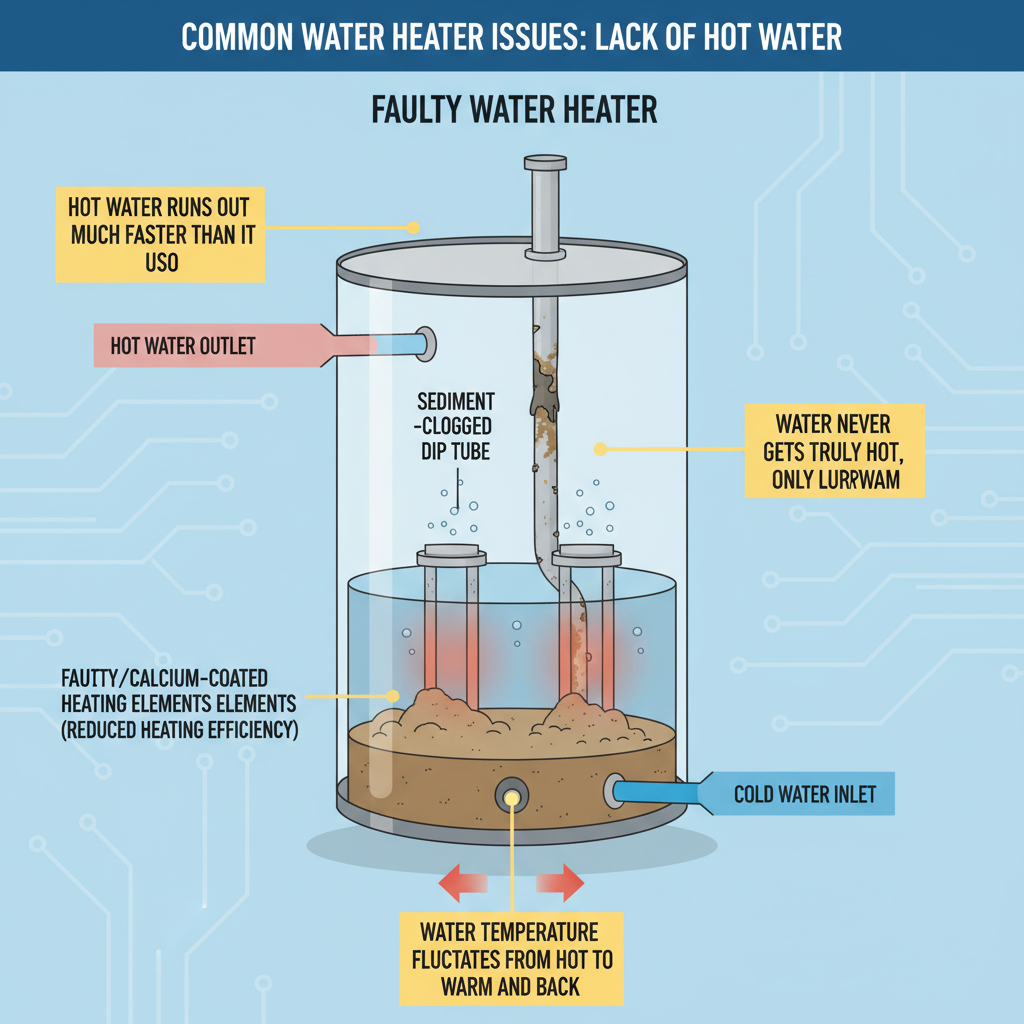
Okay, so your water's gone lukewarm, right? The first thing to check is the thermostat setting on the tank—it's usually free to fix if it just got bumped down. If you've got an electric heater, it's a good bet one of your two heating elements is shot, often the lower one. It's a common problem. For a gas heater, it could be sediment buildup, a failing thermocouple, or even a blocked vent. You might be able to fix some issues for nothing, or for the cost of a $15-$50 part. If you're calling a professional, a simple fix is usually in the $150-$350 range, but more complex issues like a gas control valve can cost $400 or more.
Common Symptoms
Possible Causes
Step-by-Step Diagnosis
Step 1
Check the thermostat dial on the water heater to ensure it is set to 120-125°F.
Step 2
For an electric heater, check the circuit breaker panel for a tripped breaker. Reset it once.
Step 3
For a gas heater, visually inspect the pilot light to ensure it is lit (if applicable).
Step 4
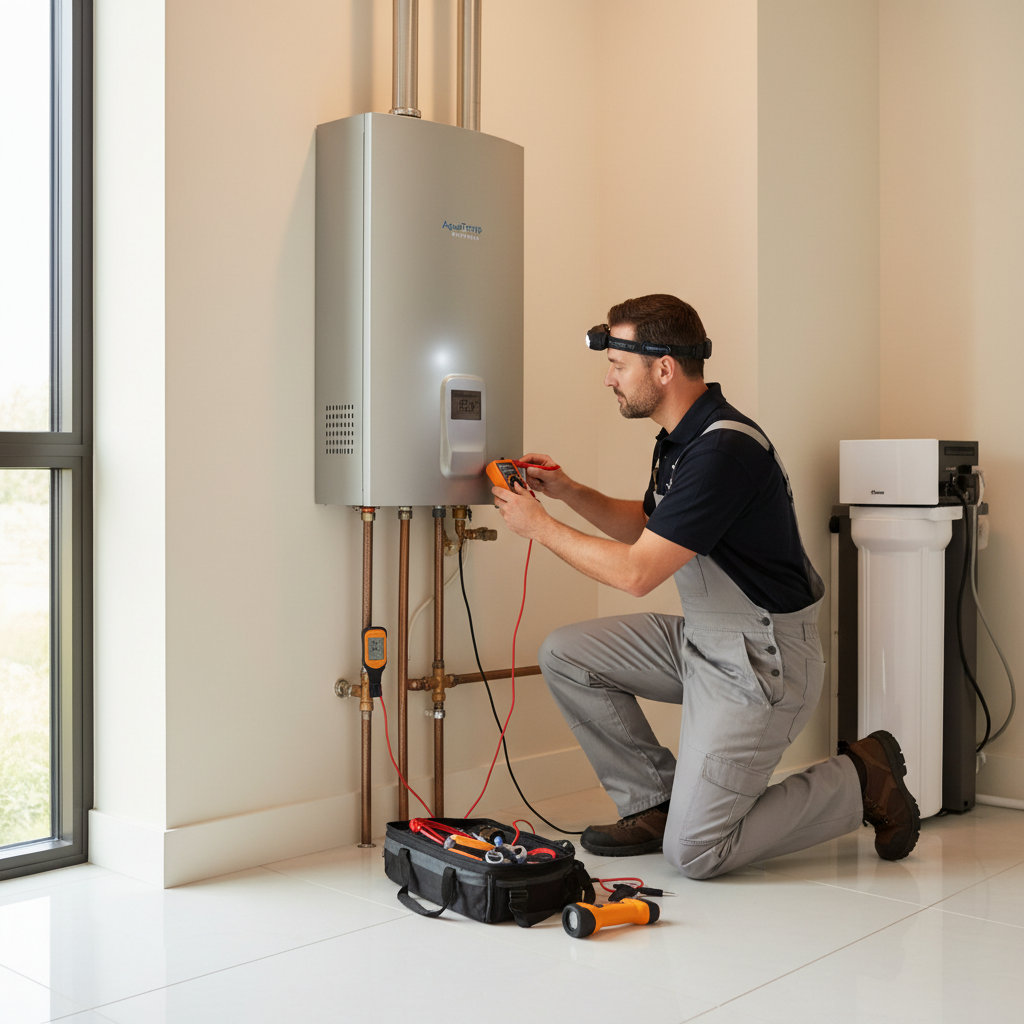
If you have an electric heater and a multimeter, turn off the power and test the continuity of both the upper and lower heating elements.
Step 5
Listen for popping or rumbling sounds when a gas heater's burner is on, which indicates significant sediment buildup.
Step 6
If the water was recently worked on, a broken dip tube could be the issue, causing immediate mixing of cold and hot water.
DIY vs Professional Costs
| Repair Type | DIY Cost | Professional Cost | Time Required |
|---|---|---|---|
Flush Sediment from Tank | $0 - $20 | $150 - $350 | 1-2 hours |
Replace Electric Heating Element | $25 - $50 | $250 - $400 | 2-3 hours |
Replace Gas Thermocouple | $15 - $30 | $150 - $350 | 30 minutes |
Replace Gas Control Valve | N/A (Pro only) | $400 - $800+ | 1-2 hours |
When to Call a Professional Water Heater
- If you smell gas anytime, for any reason. Evacuate and call the gas company immediately.
- If you are not 100% comfortable and knowledgeable about working with 240-volt electricity.
- If an electric water heater's circuit breaker trips immediately after you reset it.
- If the diagnosis points to a bad gas control valve.
- If water is leaking from the main tank body itself, which means it needs to be replaced.
- If you've tried the simple DIY fixes and the problem persists.
Prevention Tips
- Flush the water heater tank annually to remove sediment, especially in hard water areas.
- Inspect the anode rod every 3-5 years and replace it if it's heavily corroded to prevent tank rust.
- Test the Temperature & Pressure (T&P) relief valve annually to make sure it hasn't seized.
- Keep the thermostat set to a safe and efficient 120-125°F to prevent scalding and save energy.
Frequently Asked Questions
Related Guides
Hot Water Smells Like Rotten Eggs? Here's How to Fix It (Troubleshooting & Fixes)
Stop the rotten egg smell in your hot water! This guide identifies the causes (bacteria, anode rod, water quality) and provides DIY fixes, from flushing and shock chlorination to anode rod replacement. Learn when to call a pro.
Water Heater Expansion Tank Problems: Diagnosis, Fixes & Prevention Guide
Is your water heater's T&P valve dripping or pipes banging? Our expert guide helps you diagnose and fix common water heater expansion tank problems, including waterlogging and pressure issues. Learn how to prevent leaks and significantly extend the life of your plumbing system.
Water Heater Inefficiency: Diagnosing and Fixing Poor Insulation for Lower Energy Bills
Stop energy waste and high utility bills! Learn to diagnose and fix inefficient water heater insulation with our expert guide. Discover easy DIY steps to insulate your tank and pipes for significant savings. Find out when to call a professional.
Tankless Water Heater Installation: DIY vs. Professional Guide (2024)
Considering a tankless water heater? This guide explains the significant challenges and dangers of DIY installation compared to hiring a professional, covering gas line upgrades, venting, electrical demands, and code compliance for safe and efficient operation.
Water Heater Not Hot Enough: Troubleshooting & Fixes (2024 Guide)
Tired of lukewarm showers? A veteran tech explains why your water heater isn't hot enough and how you can fix it. Troubleshooting tips for gas and electric.
Water Heater Leaking from Top: Troubleshooting & Fixes from a 25-Year Pro
Water heater leaking from the top? Learn to diagnose common culprits like T&P valves, loose connections, or the anode rod. Expert tips for DIY fixes and when to call a pro.
Need Professional Help?
Find top-rated water heater experts in your area