Quick Answer
Persistent dust in your home is often caused by an inefficient HVAC system, primarily due to leaky air ducts pulling in dirty air from unconditioned spaces like attics or crawl spaces, or from inadequate air filtration. To address this, regularly change your HVAC filter to a high-quality MERV 8-11 filter, inspect and seal accessible duct leaks with mastic sealant or foil tape, and maintain good household cleanliness. For severe or inaccessible issues, consider professional duct sealing or cleaning services from a certified technician.
Common Symptoms
Possible Causes
Step-by-Step Diagnosis
Step 1
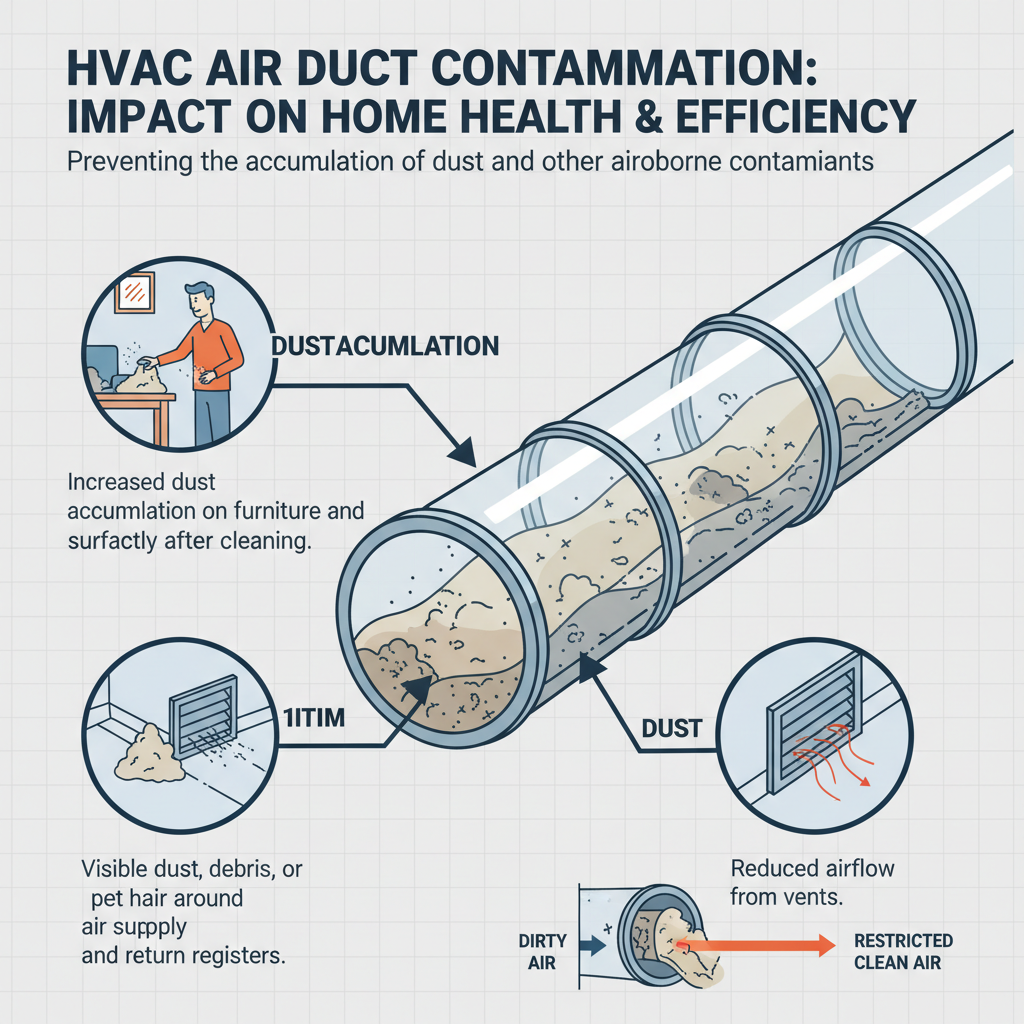
Visually inspect air supply and return registers/grilles for visible dust, debris, or pet hair buildup.
Step 2
Check the furnace or air handler filter for clogging and note when it was last changed.
Step 3
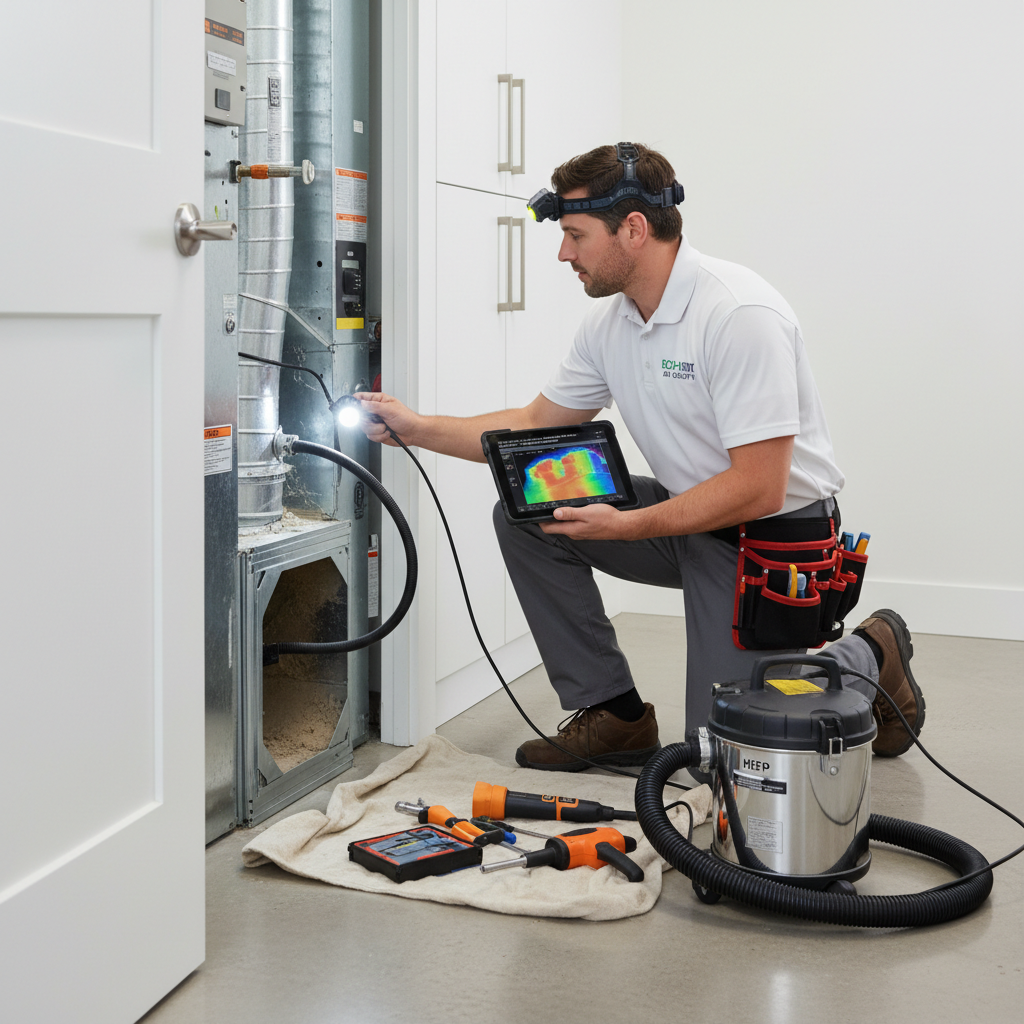
If safe and accessible, open a return air plenum or easily removable duct section to visually check for deeper dust accumulation.
Step 4
Observe how quickly dust settles on surfaces in your home after cleaning; rapid re-accumulation can indicate a duct problem.
Step 5
Perform a basic 'puff test' (e.g., with an extinguished candle or smoke pencil) near accessible duct seams and connections with the fan running to identify potential air leaks.
DIY vs Professional Costs
| Repair Type | DIY Cost | Professional Cost | Time Required |
|---|---|---|---|
Regular Air Filter Replacement | $5-60 (per filter) | $75-150 (as part of tune-up) | 5 minutes |
Sealing Minor Accessible Duct Leaks | $15-50 (for mastic/tape) | $1000-4000+ (for comprehensive whole-system sealing; minor repairs by a pro would be $150-400 for service call + repair) | 1-4 hours |
Cleaning Registers and Grilles | $0-5 (cleaning supplies) | $0 (included in cleaning) | 30 minutes |
Professional Air Duct Cleaning | N/A | $400-1000+ (for thorough, quality cleaning, depending on home size and condition) | 3-5 hours |
When to Call a Professional Air Duct
- Visible mold growth within the ductwork or on other HVAC components. Don't touch it.
- Evidence of pest infestation (rodents, insects) in the ducts. You need an exterminator and a cleaner.
- Excessive dust buildup persists or returns quickly despite regular DIY efforts and filter changes.
- Persistent unexplained musty or stale odors emanating from the vents.
- After major home renovations that generated significant dust.
- If household members experience unexplained or worsening allergies, asthma, or respiratory problems.
- Suspicion of significant or inaccessible duct leaks that DIY sealing cannot address.
- If the ducts have never been professionally cleaned or it's been over 5-10 years.
Prevention Tips
- Change or clean air filters regularly (every 1-3 months for disposable, as recommended for reusable).
- Use high-quality air filters with an appropriate MERV rating (e.g., MERV 8-11) for better filtration.
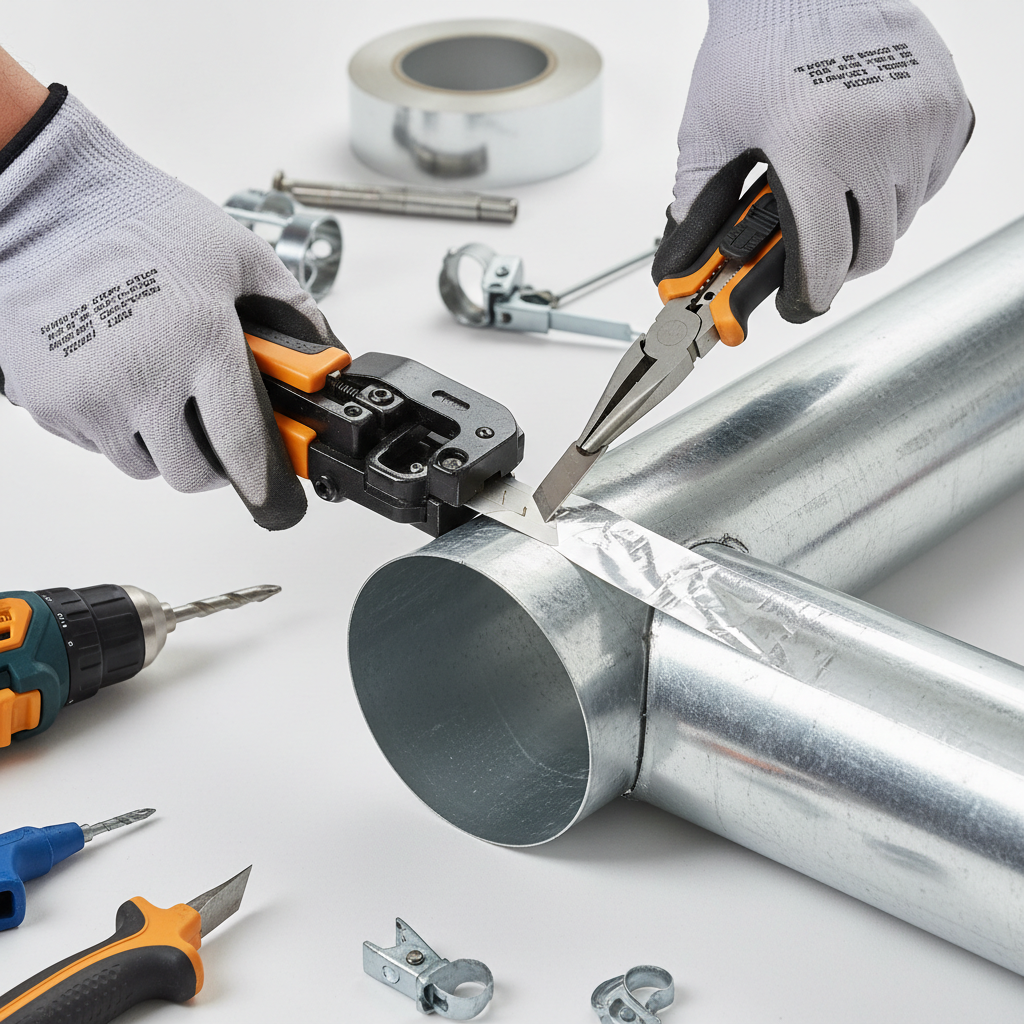
- Inspect and seal any visible gaps, cracks, or loose connections in your ductwork using mastic sealant or foil-backed tape.
- Maintain a clean home by regularly vacuuming floors (especially carpets with a HEPA-filtered vacuum) and dusting surfaces.
- Periodically remove and clean air supply and return registers and grilles.
- Control indoor humidity levels, as excessive moisture can contribute to dust and mold growth.
- Ventilate during dust-generating activities by using exhaust fans and opening windows when appropriate.
- Consider professional air duct cleaning every 3-5 years, or more frequently if you have pets, allergies, or after major renovations.
Frequently Asked Questions
Related Guides
How to Hire an Air Duct Cleaner That Won't Rip You Off (Troubleshooting & Fixes)
A veteran tech's guide to choosing an air duct cleaning company. Learn how to spot scams, what questions to ask, and avoid the 'blow-and-go' outfits.
Signs Your Home's Air Ducts Need Cleaning: A Troubleshooting Guide
Learn the definitive signs your home's air ducts need cleaning. This guide covers common symptoms, underlying causes, DIY diagnostic steps, practical prevention tips, and when to call a professional for a healthier home environment. Improve your indoor air quality and reduce allergens.
Fuzzy HVAC Vents? Here's How to Deal With That Nasty Buildup (Troubleshooting & Fixes)
Fuzzy HVAC vents indicate a dust problem. Learn how to clean your air vents yourself, improve indoor air quality, boost HVAC efficiency, and know when to call a pro.
Why Your House Is Always Dusty: A Guide to HVAC Duct Issues and Solutions
Stop the constant battle with dust! Discover how leaky HVAC ducts, poor filtration, and other common issues contribute to a dusty home. Learn practical DIY fixes and when to call a pro for cleaner air and a healthier living space.
DIY vs. Professional Air Duct Cleaning: What Homeowners Need to Know
A veteran tech's honest take on DIY air duct cleaning. Learn what you can actually do yourself, when you're wasting your time, and when to call a pro.
Mold in Your Air Ducts? (Here's How to Find It & Fix It)
Expert guide to identifying and fixing mold in HVAC air ducts. Learn common symptoms, underlying causes, effective prevention tips, and when to call a professional for mold remediation to protect your home's air quality.
Need Professional Help?
Find top-rated air duct experts in your area