Quick Answer
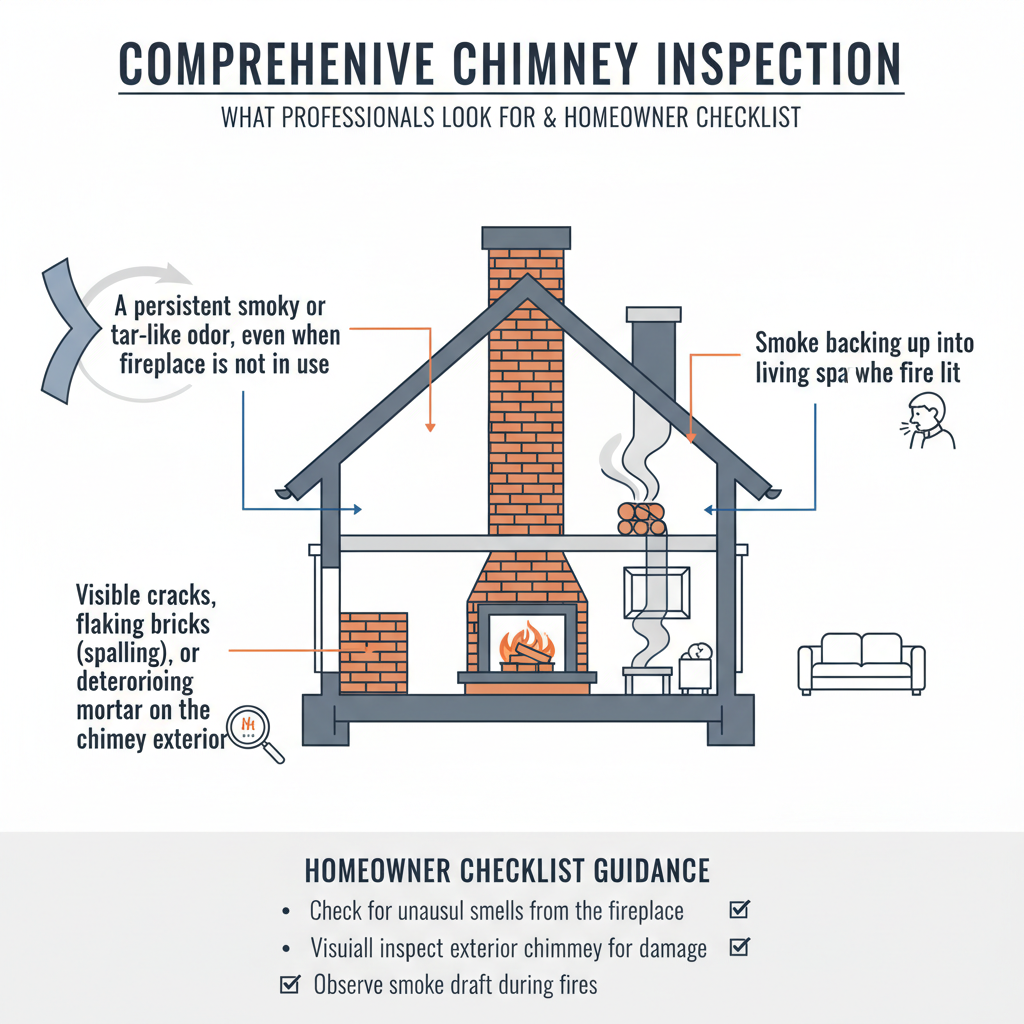
Okay, so here's the quick version. A proper chimney inspection is more than a quick peek. It's about safety. We're looking for creosote buildup, which is basically fuel for a chimney fire, and structural problems like cracked crowns or bad flashing that let water in. A basic visual inspection, what we call a Level 1, might run you $80 to $250, often with a cleaning. If you're buying a house, you need a Level 2 with a camera, maybe $250-$700. Don't skip it. A safe chimney is no accident, it's just good maintenance.
Common Symptoms
Possible Causes
Step-by-Step Diagnosis
Step 1
Perform a visual inspection from the ground. Look for leaning, cracked bricks, or a damaged crown/cap.
Step 2
Note any persistent smoky or unpleasant odors inside the home, which indicates a need for cleaning.
Step 3
Inside, check the firebox for cracked bricks or panels and test the damper for smooth operation.
Step 4
Look for any water stains on the walls or ceiling around the fireplace structure.
Step 5
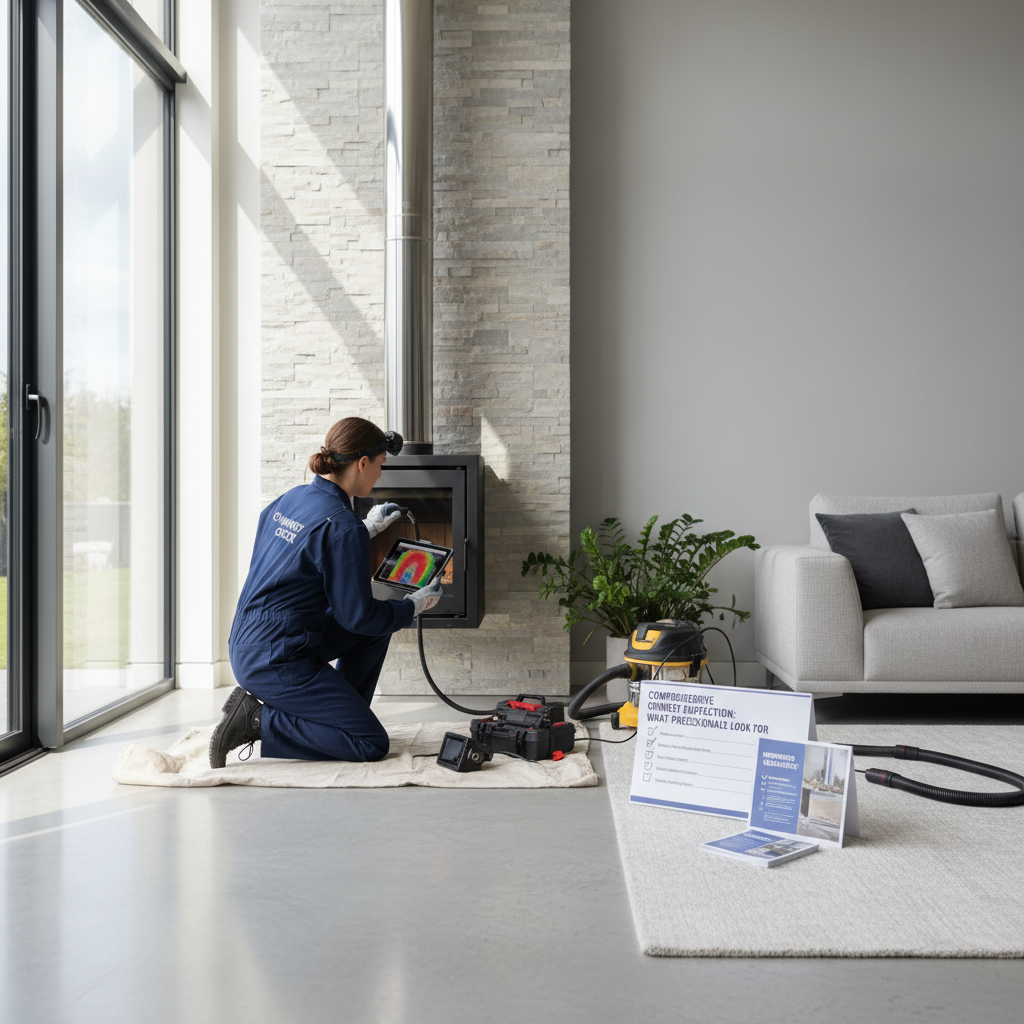
Have a professional perform a Level 2 inspection with a camera to scan the interior of the flue for hidden cracks, blockages, or severe creosote buildup.
Step 6
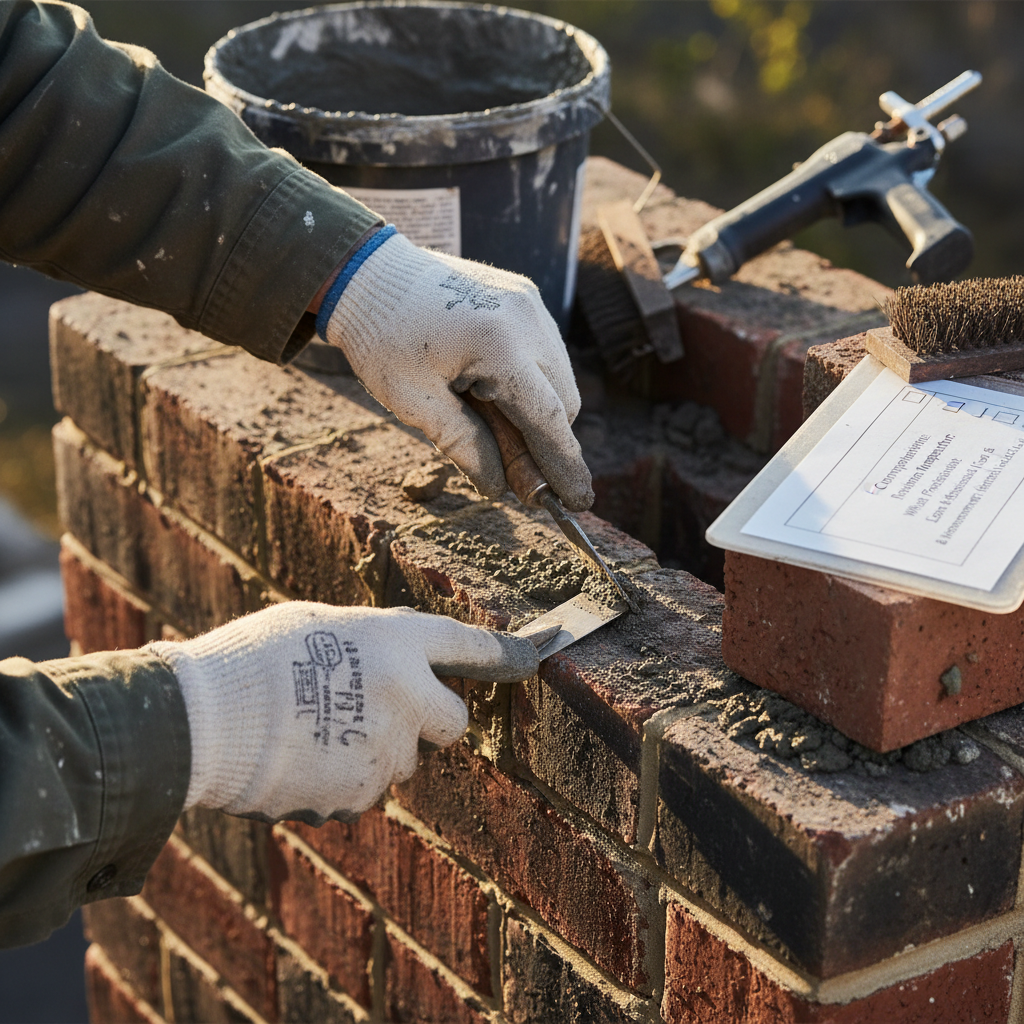
During a professional inspection, an expert will get on the roof to examine the crown, cap, and flashing up close for signs of wear and water entry.
DIY vs Professional Costs
| Repair Type | DIY Cost | Professional Cost | Time Required |
|---|---|---|---|
Level 1 Chimney Inspection | Not Recommended | $80 - $250 | 1 hour |
Level 2 Chimney Inspection (Video Scan) | Impossible | $250 - $700 | 1-2 hours |
Chimney Sweep / Cleaning | $50 - $100 (for kits, not advised) | $150 - $400 | 1-2 hours |
When to Call a Professional Chimney
- Before buying or selling a home (a Level 2 inspection is critical).
- Annually for a routine sweep and safety inspection before you start using it for the season.
- Immediately after a chimney fire, no matter how small it seemed.
- If you see visible, significant cracks in the brick/mortar or pieces of your chimney are falling off.
- If smoke is entering your home instead of going up the chimney.
- When you notice water stains appearing on walls or ceilings near the chimney.
- If you're installing a new appliance, like a wood stove or furnace, that will vent through the chimney.
Prevention Tips
- Schedule a professional chimney sweep and inspection annually, before the heating season begins.
- Burn only seasoned, dry hardwoods. Avoid treated wood, trash, or wet logs.
- Install a high-quality stainless steel or copper chimney cap to keep out rain, animals, and debris.
- Address small masonry cracks or flashing issues immediately to prevent water from causing more extensive damage.
- Monitor for unusual odors or performance issues and investigate them promptly.
Frequently Asked Questions
Related Guides
Comprehensive Chimney Inspection: What Professionals Look For & Homeowner Checklist Guidance Troubleshooting & Fixes (2024 Guide)
A veteran chimney tech explains what happens during an inspection, what to look for yourself, and when to call a pro. Get the real story on costs and safety.
Preparing Your Chimney for Winter: Essential Seasonal Maintenance and Inspection Troubleshooting & Fixes (2024 Guide)
Don't risk a chimney fire this winter. A vet tech explains how to inspect your chimney for dangerous creosote so you'll know when to call a pro for a sweep.
Why is my chimney smoking up the house? (Troubleshooting & Fixes)
Getting smoke in your house from your fireplace? A vet tech of 25+ years explains the common causes like a closed damper or cold flue and how to fix them.
Efflorescence on Chimney Masonry Troubleshooting & Fixes (2024 Guide)
Seeing white powder on your chimney brick? A veteran tech explains what that efflorescence is, why it's a warning sign for water damage, and how to actually fix it.
Your Chimney Damper Giving You Grief? (A Veteran's Guide to Fixing It)
Chimney damper stuck, leaking, or broken? An experienced technician explains how to troubleshoot smoke, drafts, and stuck handles for throat and top-sealing dampers.
Chimney Cleaning Tools: What Professionals Use & When to DIY (or Not) Troubleshooting & Fixes (2024 Guide)
A veteran technician explains chimney cleaning tools, the dangers of creosote, and tells you when to DIY vs. when to call a pro. Don't risk a fire.
Need Professional Help?
Find top-rated chimney experts in your area