Quick Answer
Preparing your chimney for winter involves an annual professional inspection and cleaning (NFPA 211 standard) to remove flammable creosote buildup and check for structural damage. Homeowners should also conduct a visual DIY inspection for external damage (cap, crown, masonry) and internal obstructions. Critical steps include burning only seasoned wood, installing a chimney cap, and, if concerns arise or creosote exceeds 1/8 inch, immediately hiring a CSIA-certified professional. The cost for a professional inspection and sweep typically ranges from $150 to $400, depending on location and chimney condition.
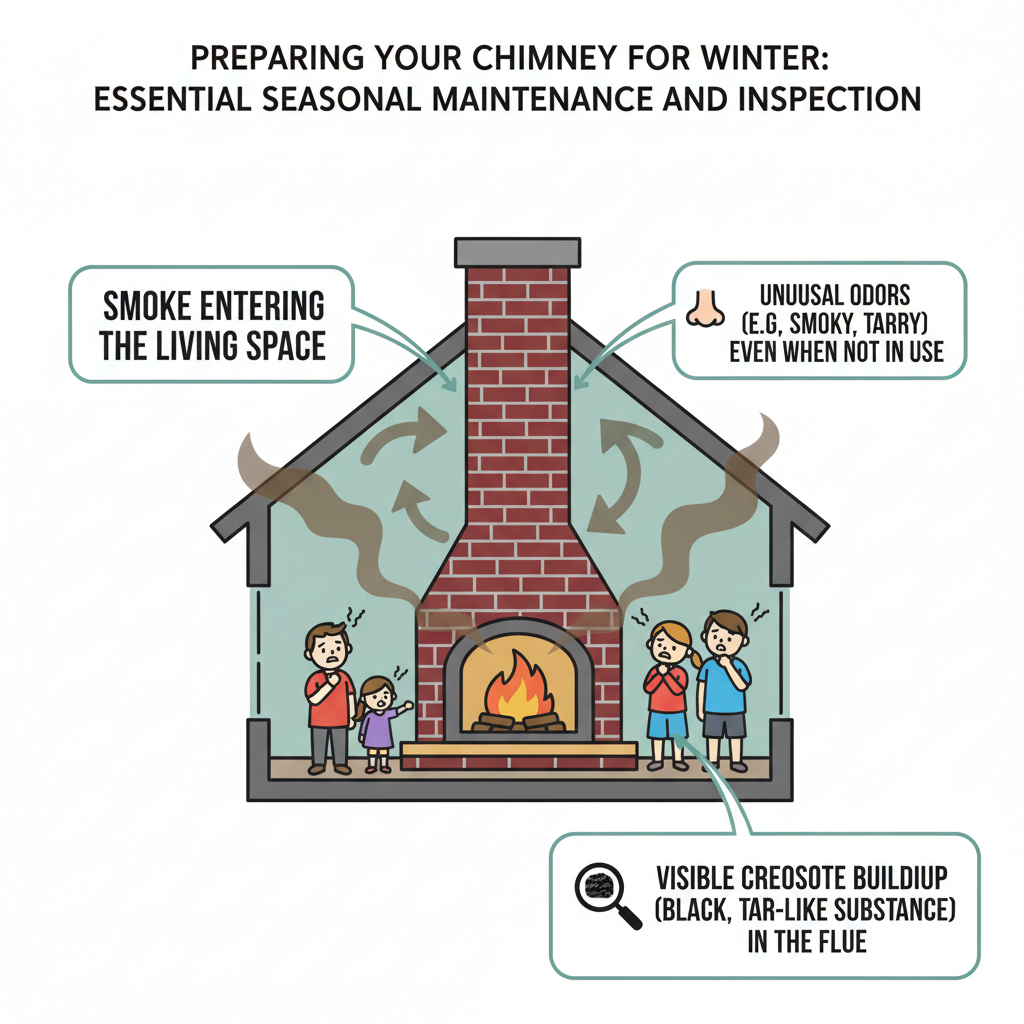
Common Symptoms
Possible Causes
Step-by-Step Diagnosis
Step 1
Exterior Visual Inspection - Walk around the house and look at the chimney stack. Check for a properly installed cap, cracks in the concrete crown on top, spalling (flaking) bricks, or crumbling mortar joints.
Step 2
Interior Visual Inspection - Using a powerful flashlight, look up from the firebox past the damper. Check for black, flaky, or tar-like creosote buildup. The rule of thumb is that if it's thicker than 1/8 inch, it needs cleaning immediately. Also look for visible cracks in the flue tiles.
Step 3
Smell Test - On a mild or humid day, check for strong smoky or acrid odors coming from the fireplace when it's not in use. This indicates significant creosote deposits.
Step 4
Draft Test - If the flue appears visibly clear, light a small piece of newspaper, blow it out, and hold the smoking remains near the flue opening. The smoke should be drawn up the chimney quickly. If it hovers or comes back into the room, you have a draft problem or blockage.
Step 5
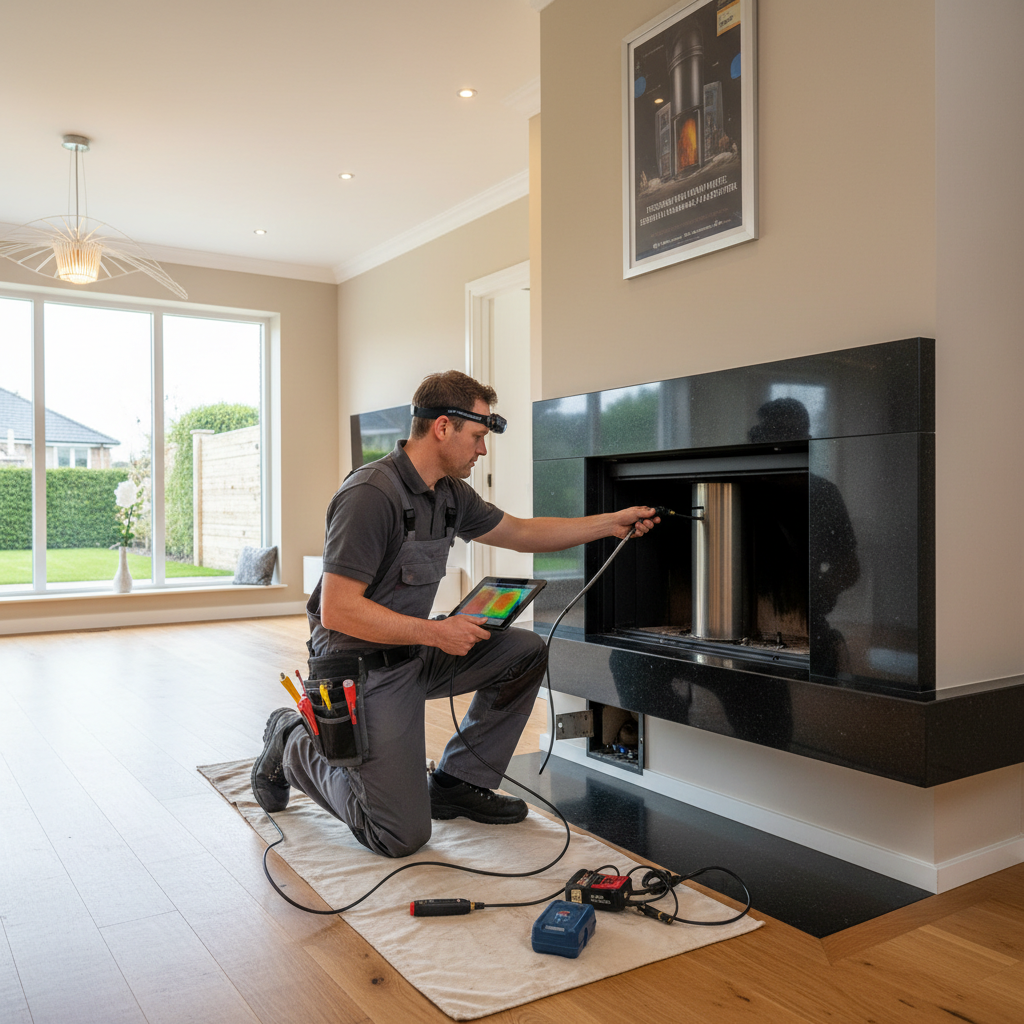
Schedule a Professional Level 1 Inspection - For annual maintenance or if you have any concerns, call a CSIA-certified chimney sweep. They will perform a thorough visual inspection of all readily accessible parts of your chimney.
Step 6
Consider a Level 2 or 3 Inspection - If you've had a chimney fire, are buying a property, or there's known damage, a professional will recommend a Level 2 inspection (involving video scanning) or Level 3 (involving some removal of chimney components) for a definitive diagnosis.
DIY vs Professional Costs
| Repair Type | DIY Cost | Professional Cost | Time Required |
|---|---|---|---|
Annual Chimney Sweep & Level 1 Inspection | $100-200 | $150-400 | 1 hour |
Stainless Steel Chimney Cap Replacement | $50-150 | $250-700 | 1-2 hours |
Minor Masonry Repair (Tuckpointing) | $30-75 | $400-1200 | 8-10 hours |
Chimney Crown Repair/Seal | $50-100 | $500-2500 | 2-4 hours |
When to Call a Professional Chimney
- When creosote buildup inside the flue is thicker than 1/8 of an inch.
- If you see smoke coming back into your home when a fire is lit.
- For the recommended annual chimney cleaning and inspection by a CSIA-certified professional.
- If you observe any structural damage to the chimney, such as large cracks, crumbling mortar, or a leaning stack.
- Immediately after a chimney fire, no matter how small it seemed.
- When you see or hear signs of animals living in your chimney.
- If you are planning to use a fireplace in a home you just purchased or one that hasn't been used for many years.
- For any repair beyond basic firebox cleanup, including liner damage, damper repair, or any masonry work.
Prevention Tips
- Schedule an annual chimney inspection and cleaning with a CSIA-certified professional before you start using your fireplace each winter.
- Burn only seasoned, dry hardwood. Use a moisture meter to ensure wood is below 20% moisture content.
- Install a high-quality stainless steel chimney cap with a spark arrestor to prevent water, animals, and debris from entering the flue.
- Never burn trash, wrapping paper, cardboard, or chemically treated wood in your fireplace.
- Warm the flue with a lit piece of newspaper before starting a large fire to help establish a proper draft.
- Keep the area around your fireplace clear of flammable materials like rugs, furniture, and decorations.
- Use creosote-reducing logs as a periodic supplement between professional cleanings, not as a replacement for them.
Frequently Asked Questions
Related Guides
Creosote Buildup (Troubleshooting & Fixes)
A veteran tech's guide to creosote buildup. Learn how to spot this chimney fire risk, what causes it, and when you can DIY vs. calling a pro. Don't get burned.
Preparing Your Chimney for Winter: Essential Seasonal Maintenance and Inspection Troubleshooting & Fixes (2024 Guide)
Essential guide to preparing your chimney for winter: learn DIY inspection tips, understand creosote dangers, and know when to call a CSIA-certified professional for annual maintenance and cleaning. Prevent creosote buildup and chimney fires.
Efflorescence on Chimney Masonry Troubleshooting & Fixes (2024 Guide)
Seeing white powder on your chimney brick? A veteran tech explains what that efflorescence is, why it's a warning sign for water damage, and how to effectively diagnose and fix it, including DIY and when to call a professional.
Chimney Cleaning Tools & Guide: DIY vs. Pro, When to Clean & Spot Dangers
Discover when to DIY chimney cleaning vs. hiring a professional. Learn about essential chimney cleaning tools, the dangers of creosote, how to spot warning signs, and critical safety tips to prevent chimney fires and maintain a safe home.
Animals in Your Chimney? (Troubleshooting & Fixes)
Hearing scratching in your chimney? A veteran tech explains how to figure out what's in there, get it out, and stop it from happening again.
Fireplace Smoking? Troubleshooting Poor Chimney Draft & When to Consider an Inducer Fan
Is your fireplace smoking up the house? Learn how to troubleshoot poor chimney draft, identify common causes, and discover if a chimney draft inducer fan is the right solution for your home.
Need Professional Help?
Find top-rated chimney experts in your area