Quick Answer
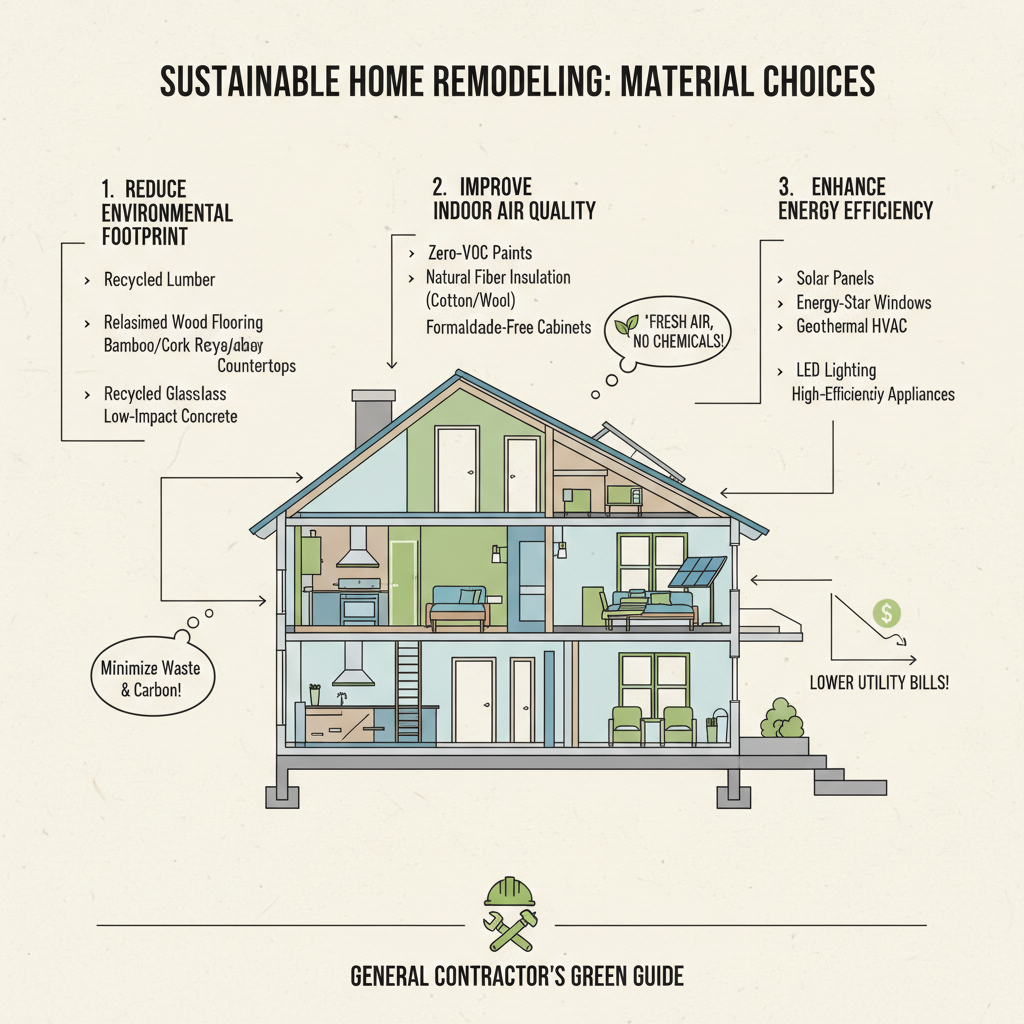
Okay, so here's the quick version. Choosing 'eco-friendly' stuff for a remodel ain't about just grabbing the box with a leaf on it. That's usually marketing fluff. You gotta look deeper. I always tell my people to focus on three things: health, longevity, and where it came from. Is it gonna poison the air in your house with chemicals (VOCs)? Is it gonna fall apart in five years? And was it made down the road or shipped from halfway across the world? Sometimes it costs a bit more upfront, but quality, healthy materials almost always save you money and headaches later.
Common Symptoms
Possible Causes
Step-by-Step Diagnosis
Step 1
Define what 'sustainability' means for YOUR project. Is it better air quality, lower energy bills, or less waste? Pick your priorities.
Step 2
Research materials category by category. Focus only on flooring, then insulation, then paint. Don't try to solve everything at once.
Step 3
Evaluate the material's lifecycle. Ask: Where did it come from? How is it made? How will I get rid of it later? Think long-term.
Step 4
Look for legit certifications. FSC for wood, GREENGUARD for low-VOCs, and ENERGY STAR for appliances and windows are the big ones to trust.
Step 5
Compare the actual properties. Is it durable enough for your lifestyle? How much maintenance does it need? Be practical.
Step 6
Do the math. Compare the higher upfront cost of a quality material against the long-term savings from energy efficiency and not having to replace it.

DIY vs Professional Costs
| Repair Type | DIY Cost | Professional Cost | Time Required |
|---|---|---|---|
Painting with low-VOC or zero-VOC paints | $30-70 per gallon (paint cost only) | $300-1000 per room (including labor and materials) | 1 day |
Installing recycled content floor tiles | $2-15 / sq. ft. (materials) | $10-30 / sq. ft. (installed) | 2-3 days |
Installing reclaimed wood for shelving | $5-30 / linear ft. (materials, can vary wildly) | $300-2,000+ (depending on complexity, type of wood, and quantity) | 4-8 hours |
Minor insulation upgrade with natural fiber | $0.50-2.00 / sq. ft. (materials) | $1.50-5.00 / sq. ft. (installed) | 1-2 days |
When to Call a Professional General Contractor
- When you're doing any major structural work like moving load-bearing walls.
- For complex energy upgrades like replacing all your insulation, windows, or installing a new HVAC system.
- If you want to get your home officially certified under a program like LEED, you'll need a certified pro to manage it.
- When you're using specialized materials like rammed earth or structural insulated panels that require specific installation skills.
- If you want a general contractor who can manage the entire project, source the right materials, and make sure everything is done to a high standard of sustainability.
Prevention Tips
- Do your homework on materials *before* you start swinging a hammer. Planning is everything.
- Prioritize durability and longevity. A product you install once is better than a 'green' product you have to replace three times.
- Look for recycled content, materials you can recycle later, and things that grow back fast like bamboo and cork.
- Insist on low-VOC (Volatile Organic Compound) and non-toxic materials for anything inside your house. This is a non-negotiable for good air quality.
- Think about 'embodied energy'—the total energy it took to get that product to your door. The closer to home it was made, the better.
- Plan for deconstruction, not demolition. Can you salvage the old cabinets or flooring for reuse instead of sending them to the dump?
- Hire a contractor who actually knows about this stuff and is passionate about it, not one you have to convince.
Frequently Asked Questions
Related Guides
Unexpected renovation expenses and project delays: contingency planning and mitigation strategies Troubleshooting & Fixes
Basement Waterproofing During a Remodel (Troubleshooting & Fixes)
A veteran contractor's guide to fixing a wet basement during a remodel. Learn how to stop water intrusion, fix damage, and waterproof for good.
Homeowners need to ask the right questions during a general contractor interview to ensure a successful project and avoid potential issues. Troubleshooting & Fixes
Preparing Your Home for a Major Renovation (Troubleshooting & Fixes)
A veteran contractor's guide to preparing for a home renovation. Learn how to budget, hire, and plan to avoid delays and cost overruns. Real advice.
How to Choose Sustainable and Eco-Friendly Renovation Materials (A Pro's Guide)
A veteran contractor's guide to choosing sustainable renovation materials. Learn how to spot 'greenwashing,' find truly eco-friendly options, and fix your home right.
Change Orders Driving You Nuts? A Contractor's Guide to Understanding & Managing Them (2024)
A veteran contractor's no-nonsense guide to construction change orders. Learn why they happen, how to fight unfair costs, and when to call in the pros.
Need Professional Help?
Find top-rated general contractor experts in your area