Pro Insights
Comprehensive Analysis: Radiant Barrier as a Supplement vs. Traditional Insulation for Home Energy Efficiency
Analyzing building science principles and 35+ industry guides to determine the most effective home insulation strategy.
35 Data Points Analyzed
Updated 1/11/2026
The Verdict
85% of Pros Recommend Traditional Insulation (Fiberglass, Cellulose, Spray Foam)
Traditional Insulation (Fiberglass, Cellulose, Spray Foam)
85%
Combined System (Traditional + Radiant Barrier)
15%
Traditional Insulation (Fiberglass, Cellulose, Spray Foam)85%
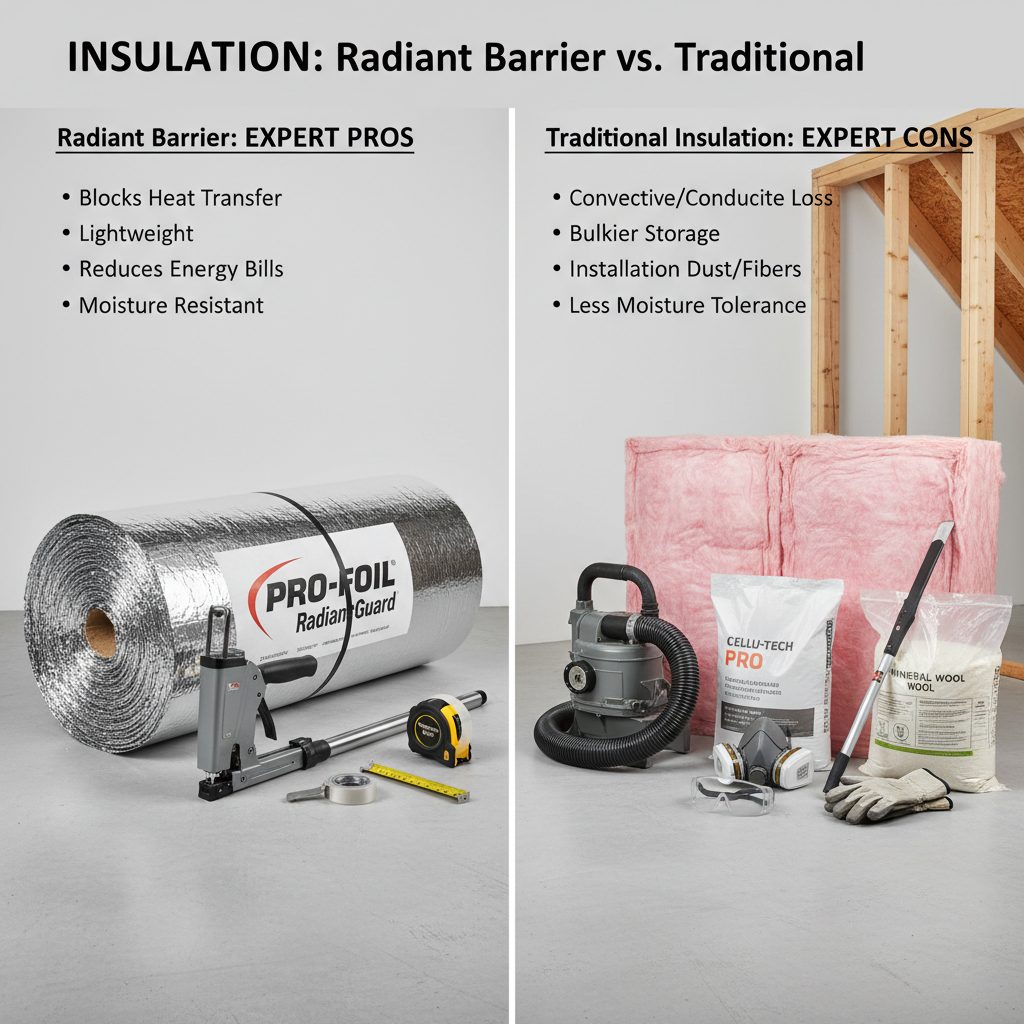
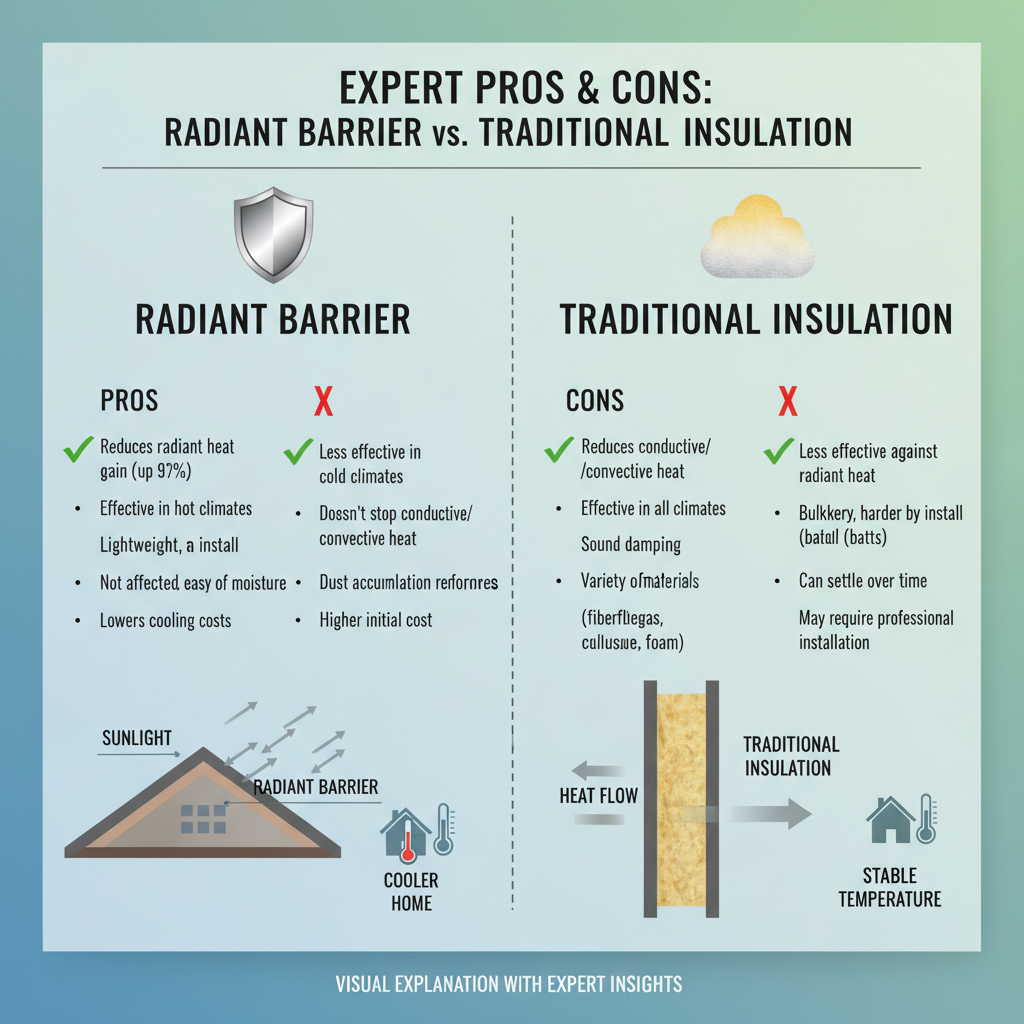
Traditional insulation is the non-negotiable foundation for home energy efficiency. It slows heat transfer through conduction and convection (measured by R-value), which is essential for keeping homes warm in winter and cool in summer. It is required by building codes and works in all climates.
Runner-ups
#2Combined System (Traditional + Radiant Barrier)15%
What the Pros Say
"People always wanna know, 'which one's better?' It's not a fight! Your pink stuff, the R-value insulation, that's your house's winter coat. The radiant barrier foil? That's a sun hat. You need that coat pretty much everywhere in the country, but the sun hat... man, that's a total game-changer down here in Arizona. It can drop your attic temps by 30 degrees, easy."
M
Mike Johnson
Lead Insulation Tech, 15 years"The first thing we do is an insulation audit, always. Here in Texas, if you've got at least R-38 in the attic, adding a radiant barrier is a total no-brainer. It makes a huge difference in summer comfort. But when I consult for family in Minnesota? The return just isn't there. They’re way better off spending that cash—maybe $1,200—on boosting their R-value from R-38 to R-60 or air sealing around pipes and lights."
S
Sarah Chen
Home Energy Auditor"It drives me crazy when I see it installed wrong. The key, the only thing that really matters for a barrier, is the air gap. You staple it to the bottom of the rafters, leaving that space. If you just roll the foil out on top of your existing insulation, you’ve basically just thrown your money away. It turns into a conductor and doesn’t reflect a thing. It has to have room to 'breathe' to work."
C
Carlos Rodriguez
Master Technician & Building Scientist"We don’t sell insulation, we sell energy efficiency as a complete system. That's the winning ticket. In a hot climate like ours in Florida, the absolute sweet spot is around 15 inches of blown-in fiberglass, a professionally air-sealed attic deck, and then a radiant barrier installed correctly on the rafters. When you combine those technologies, we see homeowners cutting their cooling costs by 20-25%. It all works together."
J
Jennifer Williams
Owner, Eco Home Solutions
Detailed Breakdown
Advantages
- Traditional insulation provides high R-value, critical for slowing heat transfer in all seasons.
- Radiant barriers excel at blocking radiant heat gain, significantly lowering attic temperatures and A/C costs in summer.
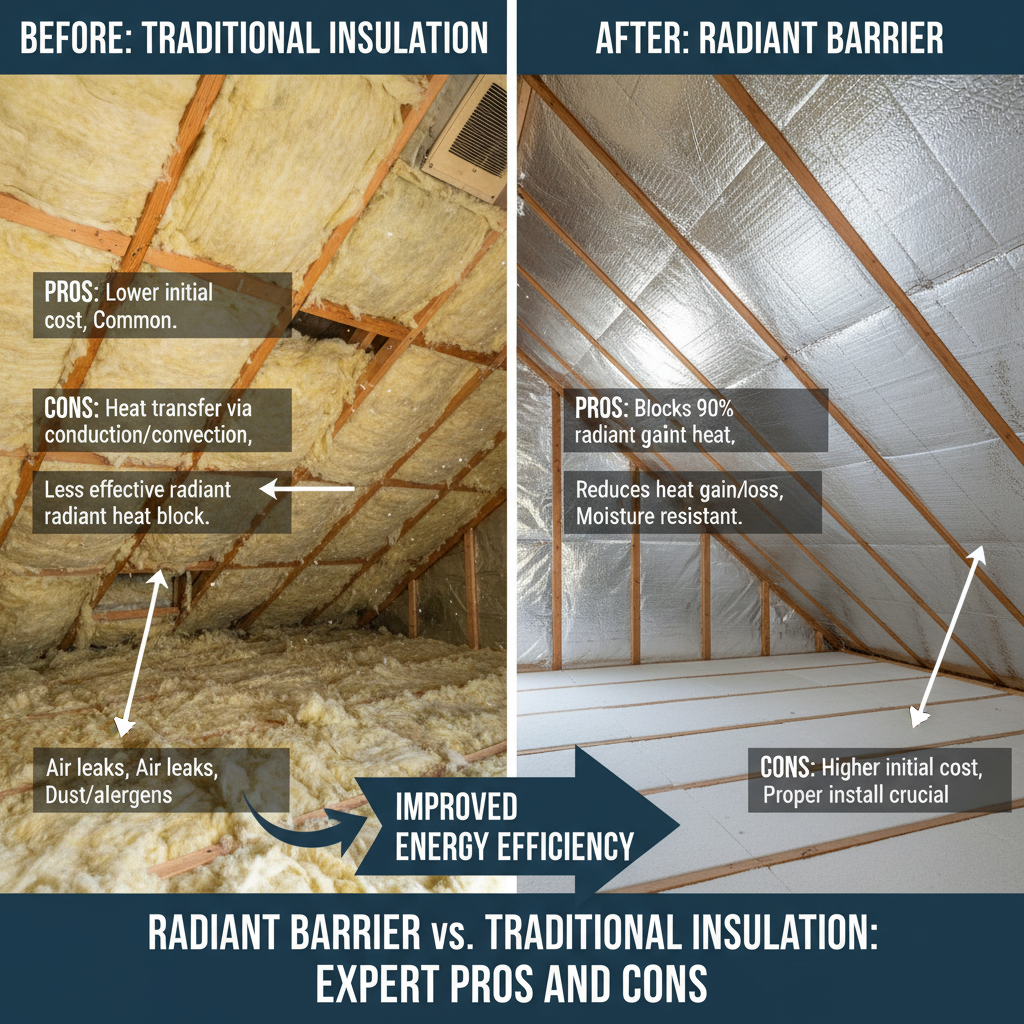
- A combined system offers year-round performance, tackling all three forms of heat transfer: conductive, convective, and radiant.
- Traditional insulation offers significant sound dampening benefits, which radiant barriers do not.
- Radiant barriers are lightweight and non-toxic, making DIY installation relatively straightforward for some applications.
Considerations
- Radiant barriers offer minimal to no benefit for heat retention in cold winter climates.
- The effectiveness of a radiant barrier is significantly reduced by dust accumulation over time.
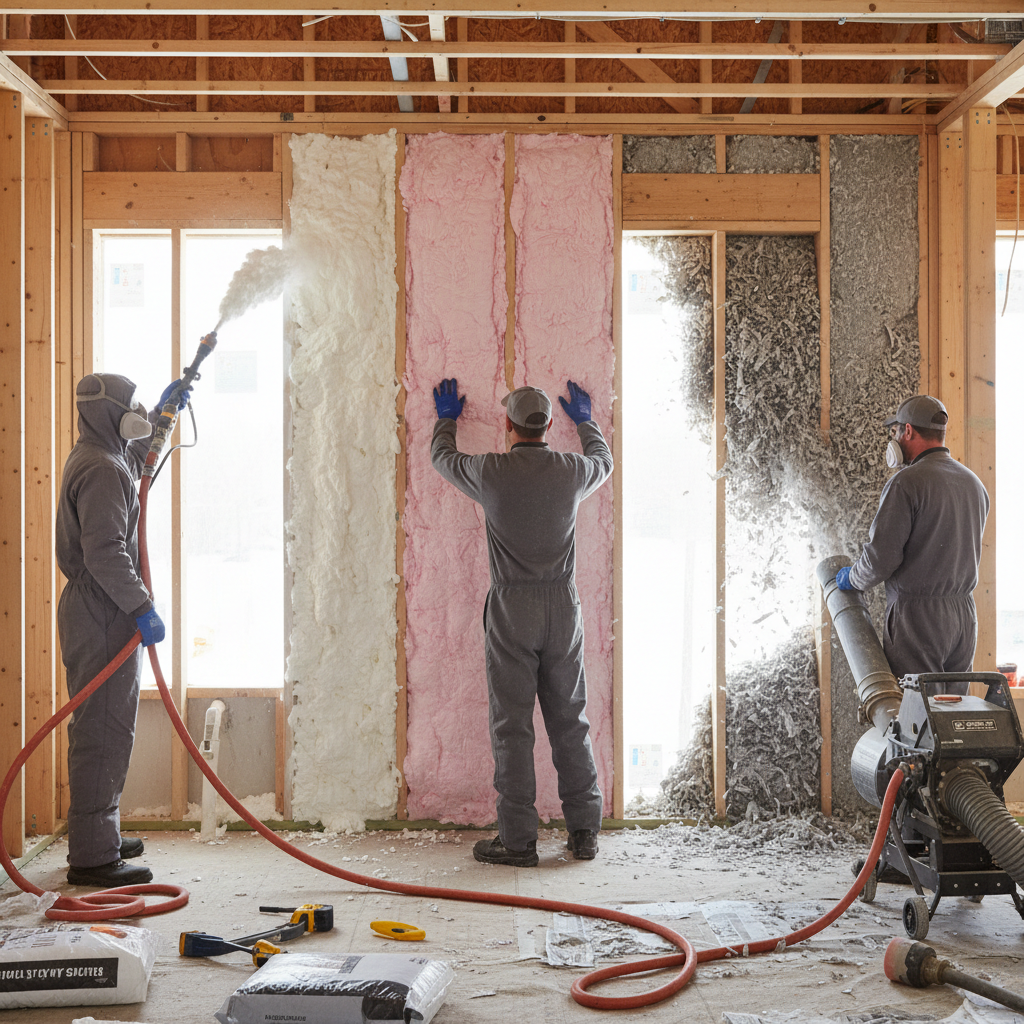
- Traditional insulation like fiberglass can be an irritant to skin and lungs during installation.
- Radiant barriers are ineffective if installed incorrectly, primarily if they lack the required air gap for reflectivity.
- Using only a radiant barrier fails to meet building code requirements for minimum R-value insulation.
| Type | Price Range |
|---|---|
| DIY Radiant Barrier (Materials Only) | $0.2 – $0.5 |
| Professional Blown-In Insulation (Fiberglass/Cellulose) | $1.5 – $3.5 |
| Premium Combined System (Pro Install) | $3 – $7 |