Quick Answer
Okay, so here's the quick version. Your yard looks like a jungle exploded. Nine times out of ten, you can handle small stuff yourself by bagging it for the city, composting, or mulching—that'll cost you maybe $50 in bags and a sore back. But when you're looking at a mountain of branches after a storm or just seasons of neglect, you're better off calling a professional yard debris removal service. For a pro to haul it all away, you're probably looking at anywhere from $175 for a small pile to over $700 if it's a real disaster zone, depending on volume, type of debris, and accessibility. Always prioritize safety, especially with heavy or tangled debris.
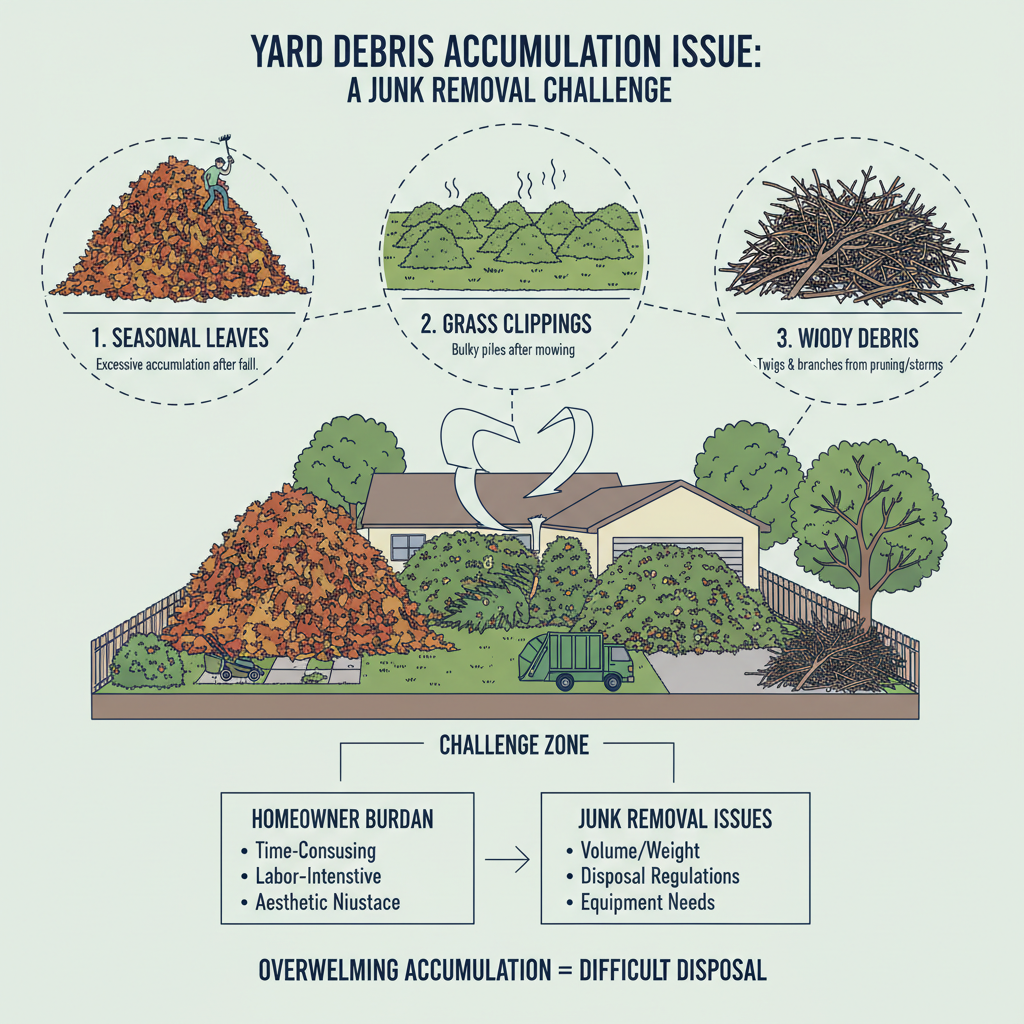
Common Symptoms
Possible Causes
Step-by-Step Diagnosis
Step 1
Assess the type of yard debris you have (e.g., light leaves, grass, heavy branches, logs, stumps, mixed with other junk).
Step 2
Estimate the realistic volume of the debris, visualizing it in terms of cubic yards or how many pickup truck beds it would fill.
Step 3
Determine the accessibility of the pile for manual removal or equipment (e.g., easy access, tight spaces, steep slopes).
Step 4
Check for any non-organic waste mixed in (e.g., plastic pots, rocks, construction debris) which will affect disposal methods and costs.
Step 5
Identify potential hazards within the debris, such as thorny branches, poison ivy, fire ant mounds, or sharp objects, to ensure safety.
Step 6
Consider the weight and density of the debris; heavy, wet, or dense materials are harder and more dangerous to move.
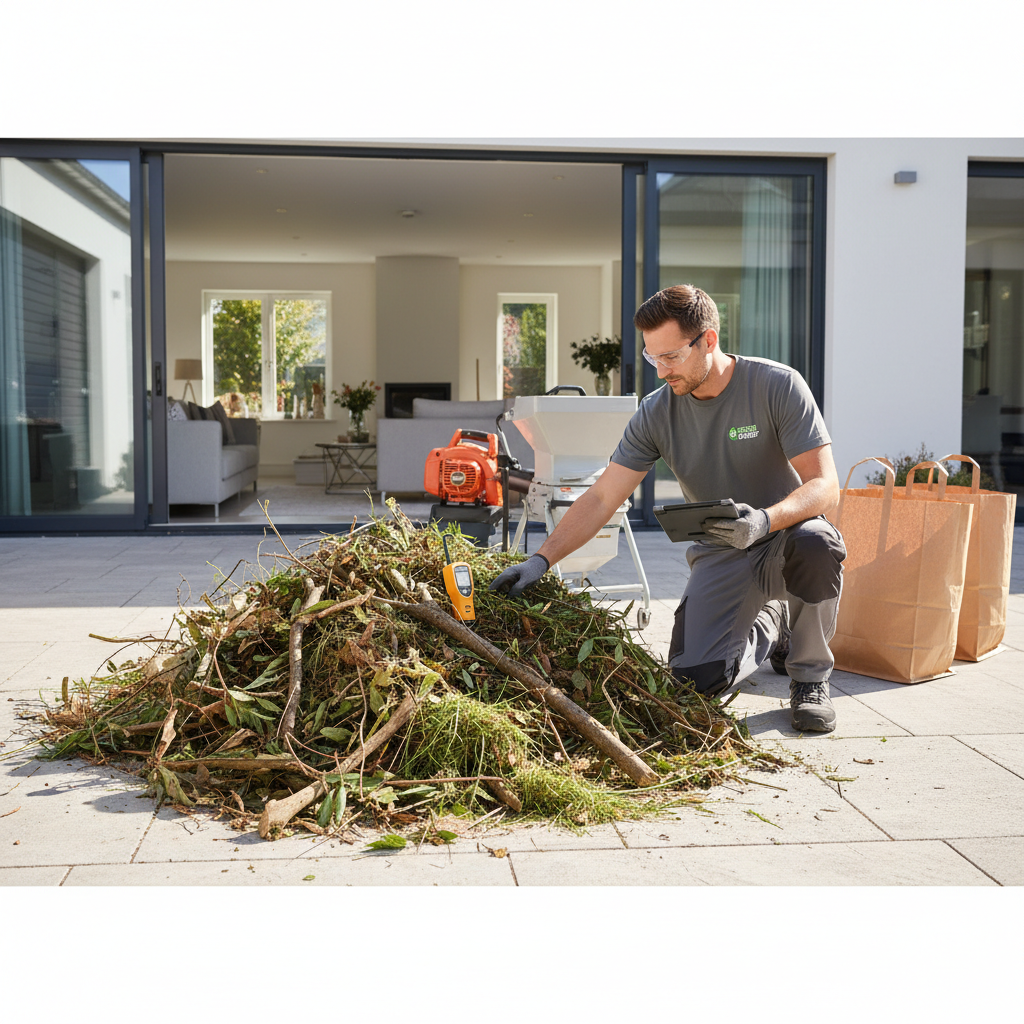
DIY vs Professional Costs
| Repair Type | DIY Cost | Professional Cost | Time Required |
|---|---|---|---|
Bagging/Bundling for City Pickup | $10-50 | N/A | 2-8 hours |
Hauling to the Dump Yourself | $20-100+ per trip | $150-500+ | 3-6 hours |
Renting a Wood Chipper (Big Branches) | $100-250 per day | $350-700+ | 6-10 hours |
When to Call a Professional Junk Removal
- When the volume of yard waste is simply too large and overwhelming for you to handle with your own vehicle and equipment, or by typical curbside pickup limits.
- When the debris includes heavy, bulky, or dangerous items like large branches, logs, tree stumps, or thorny brush that are unsafe or impossible to move without specialized equipment.
- When you lack the time, physical ability, or appropriate tools (e.g., wood chipper, heavy-duty truck) to safely and efficiently clear the yard yourself.
- After a major storm that has left a dangerous and tangled mess of heavy branches, fallen trees, or mixed debris requiring specialized cleanup expertise and equipment.
- If the debris contains hazardous materials (beyond standard green waste) or is located in a particularly difficult, inaccessible, or steep area of your property.
- When you need the debris removed quickly and efficiently for an upcoming event, property sale, or to comply with local regulations or HOA requirements.
- If you're experiencing symptoms of injury from previous attempts at yard cleanup or foresee strain from the current task.
Prevention Tips
- Perform routine yard maintenance weekly or bi-weekly to prevent debris from accumulating into a massive project.
- Utilize a mulching mower to shred leaves and grass clippings directly back into your lawn, reducing waste and fertilizing the grass.
- Start a compost pile or use a compost bin for untreated grass clippings, leaves, and other suitable organic matter to reduce what needs to be hauled away.
- Stay informed about and consistently use your local municipal yard waste collection schedule, putting out the maximum allowed amount weekly.
- Plan ahead for large landscaping projects or tree pruning by pre-scheduling professional removal or renting a large disposal container for green waste.
- Consider strategic planting of low-maintenance shrubs and native trees that generate less debris, minimizing future cleanup needs.
- Invest in appropriate yard tools like sturdy rakes, tarps, and leaf blowers to make routine cleanup more efficient.
Frequently Asked Questions
Related Guides
Disposing of Old, Broken, or Unwanted Large Household Appliances (Refrigerators, Washers, Dryers, Stoves, Dishwashers, AC Units) Safely, Efficiently, and Responsibly: A Pro's Guide (2024)
A veteran tech's guide to getting rid of old appliances. Learn how to dispose of your refrigerator, washer, or dryer the right way, from DIY options to pro costs.
That Cluttered Basement Disaster: A Veteran's Guide to Taking It Back (Troubleshooting & Fixes)
Tired of that cluttered basement? A 25-year veteran tech shows you how to declutter, organize, and haul away the junk to get your space back for good.
What to Do When Junk Removal Won't Take Your Stuff: A Comprehensive Guide to Household Hazardous Waste (HHW) Disposal
Learn what Household Hazardous Waste (HHW) is, why junk removal services can't take it, and how to safely and legally dispose of old paints, chemicals, batteries, and electronics.
Yard Debris Overload? Your Expert Guide to Troubleshooting & Removal
Overwhelmed by piles of yard debris? Get expert tips from a 25-year veteran for managing and disposing of leaves, branches, and clippings. Learn when to DIY yard waste removal, when to call a professional service, and how to prevent future build-ups. Ensure a clean, safe, and attractive yard.
Garage Clutter and Disorganization Troubleshooting & Fixes (2024 Guide)
Transform your chaotic garage into an organized, functional space with this comprehensive guide. Learn to identify clutter causes, implement smart sorting systems, and choose the right storage and disposal methods for a lasting solution.
Eco-Friendly Junk Removal: A Veteran's Guide to Getting Rid of Your Stuff the Right Way (Troubleshooting & Fixes)
A veteran tech's no-nonsense guide to eco-friendly junk removal. Learn how to sort, donate, and recycle your clutter to avoid the landfill without the headache.
Need Professional Help?
Find top-rated junk removal experts in your area