Quick Answer
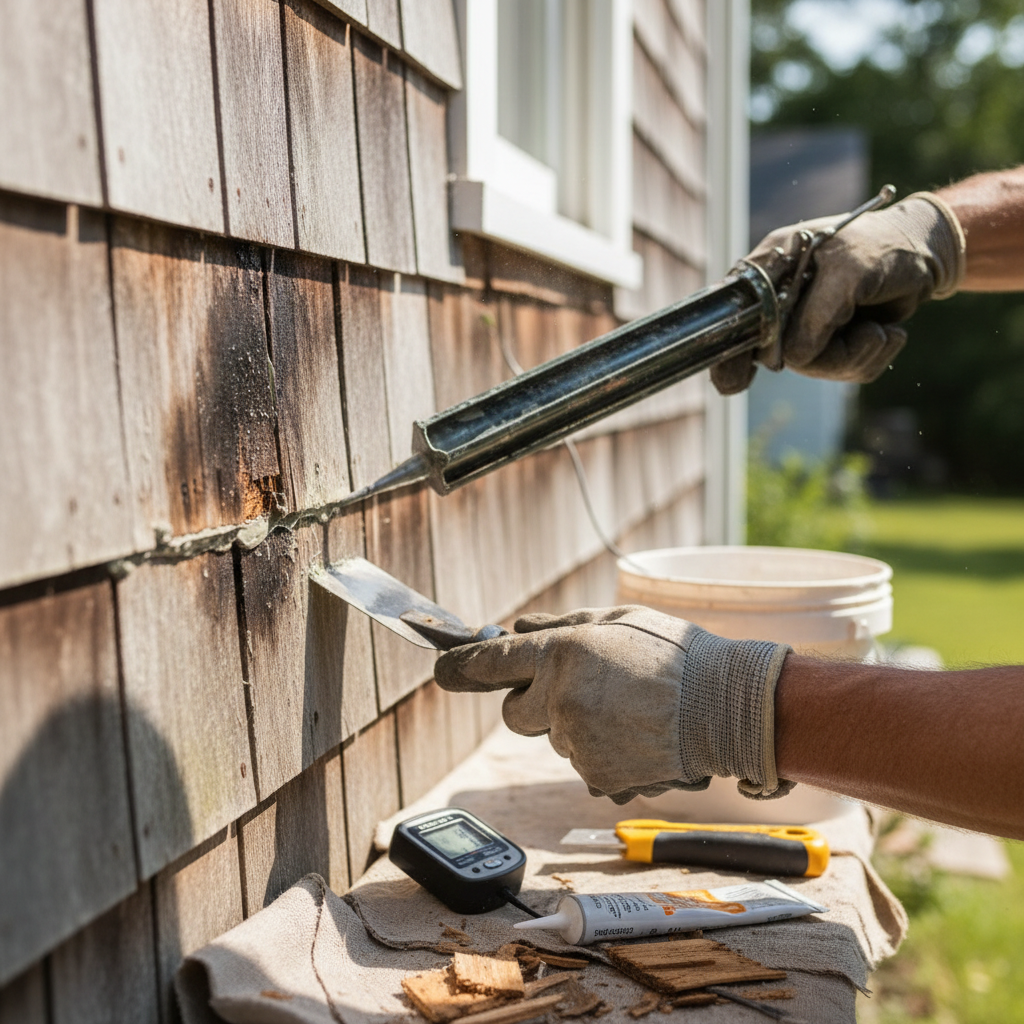
Okay, so here's the quick version on siding leaks. Nine times out of ten, your problem is either cracked or missing caulk around a window, improperly installed or deteriorated flashing, or a damaged piece of siding that's letting water sneak in. You'll spot stains on your drywall or see siding bubbling up. A simple caulk fix might cost you 20 to 30 bucks and an afternoon. If you need a pro to replace a few panels and re-flash a window correctly, you're probably looking at $400 to $1,200, depending on the extent of the damage. It's all about finding the entry point before it rots the whole wall.
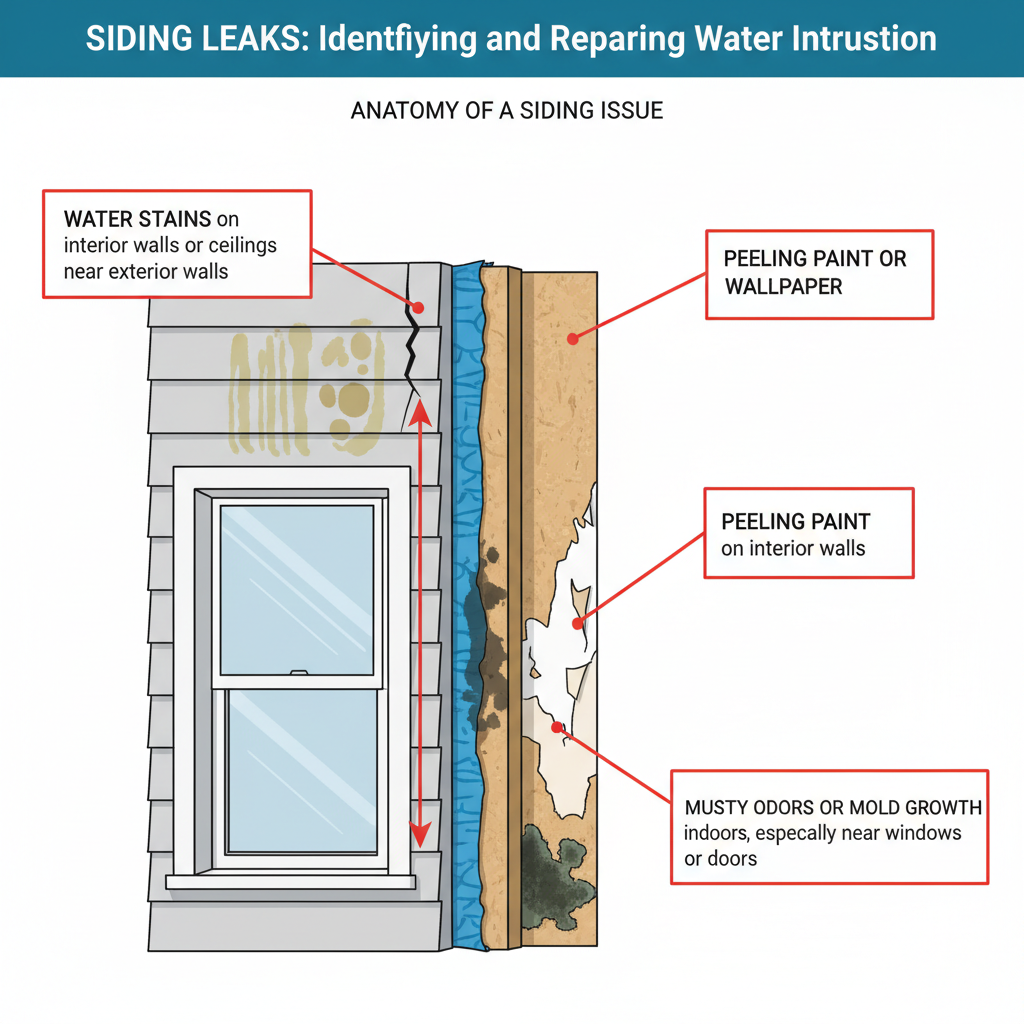
Common Symptoms
Possible Causes
Step-by-Step Diagnosis
Step 1
Interior Inspection - Pinpoint the exact location of the damage inside. Note its position relative to windows, doors, and corners.
Step 2
Exterior Visual Inspection - Examine the corresponding area outside for obvious issues like cracked siding, missing caulk, or damage to trim and flashing.
Step 3
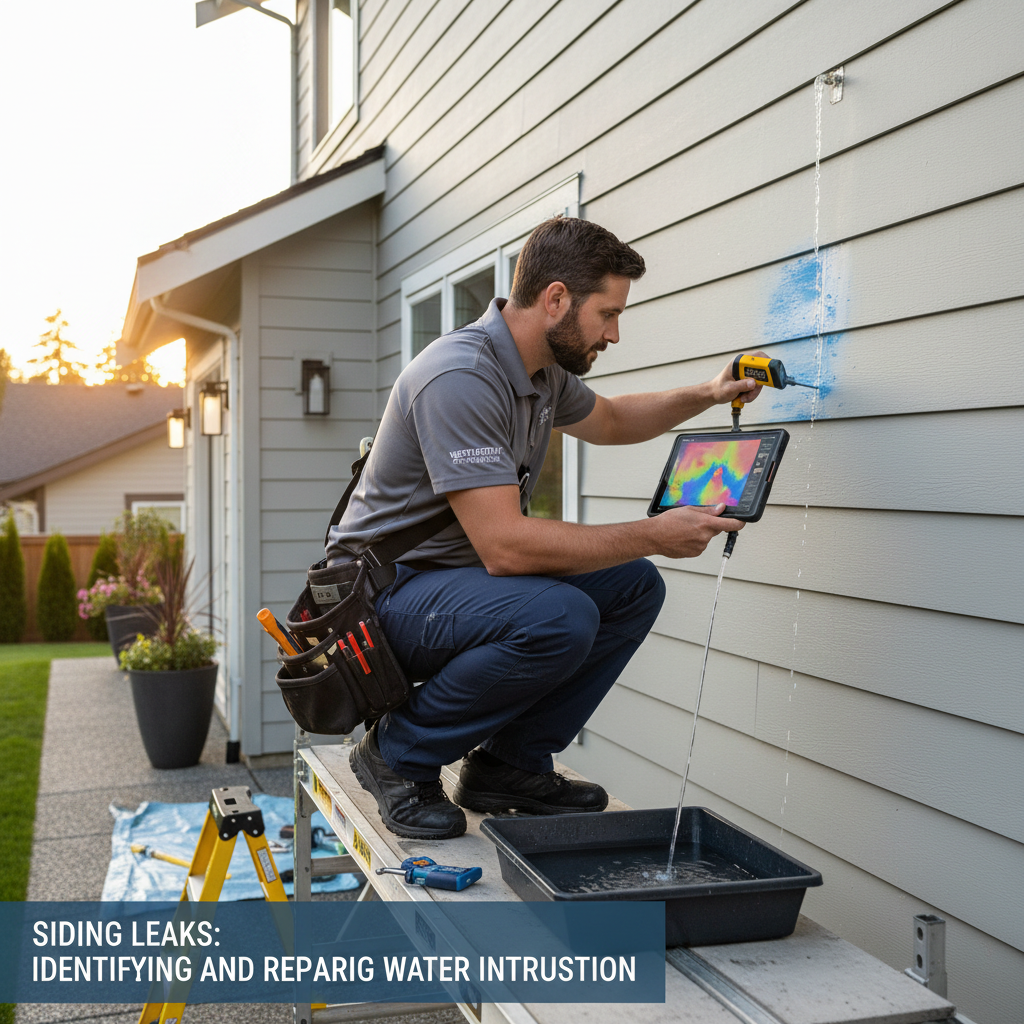
Controlled Water Test - Use a garden hose on a gentle shower setting to systematically wet small sections, starting from the bottom and working up. Have a spotter inside to watch for the leak to appear.
Step 4
Inspect Flashing and Gutters - Once the general area is found, closely inspect the metal/vinyl flashing and channels around windows and doors. Check for clogged gutters directly above the leak area.
DIY vs Professional Costs
| Repair Type | DIY Cost | Professional Cost | Time Required |
|---|---|---|---|
Re-caulking a Window/Door | $15-$30 | $150-$350 | 1-2 hours |
Replacing 1-2 Vinyl Panels | $25-$75 | $350-$700 | 2-4 hours |
Fixing Loose Siding | $10 | $150-$300 | 1 hour |
Major Repair (Rot, Flashing) | N/A | $1,200 - $6,000+ | 1-3 Days |
When to Call a Professional Siding
- You've performed a thorough water test and still cannot locate the source of the leak.
- You uncover signs of rot (black, soft, or crumbling wood) in the sheathing or wall structure behind the siding.
- The repair is located on a second story or higher, requiring tall ladders or specialized safety equipment.
- The damage is extensive, covering a large area or multiple sections of the house.
- You are not comfortable or do not have the necessary tools (like a zip tool for vinyl) and skills to perform the repair correctly.
Prevention Tips
- Conduct a visual inspection of your siding twice a year, especially after major storms.
- Keep your gutters and downspouts clean and free of debris.
- Periodically inspect the caulk around windows, doors, and trim, and re-apply it when it becomes cracked or brittle.
- Ensure soil, mulch, and landscaping are kept at least 6-8 inches below the bottom edge of the siding.
- Trim trees and bushes so they don't touch the siding, allowing air to circulate and keep the surface dry.
Frequently Asked Questions
Related Guides
Choosing a Qualified Siding Repair Contractor: A Guide for Homeowners Troubleshooting & Fixes (2024 Guide)
A veteran technician's guide to choosing a siding repair contractor. Learn how to spot scams, verify credentials, and get a fair price for quality work.
Annual Siding Inspection for Damage and Maintenance Needs Troubleshooting & Fixes (2024 Guide)
A veteran tech's guide to your annual siding inspection. Learn to spot damage, what causes it, and when you can DIY a fix versus when you need to call a pro.
Siding Leaks: Identifying and repairing water intrusion through exterior siding materials. Troubleshooting & Fixes (2024 Guide)
A veteran technician's guide to finding and fixing siding leaks. Learn the symptoms, causes, and when it's a DIY job versus when to call a pro.
Common Siding Problems & Solutions: A Homeowner's Troubleshooting Guide covering various types of siding damage, their causes, and repair options. Troubleshooting & Fixes (2024 Guide)
A veteran technician explains common siding problems like cracks, warping, and rot. Get real-world troubleshooting tips and repair costs for your home's siding.
Siding damage due to external impacts like trees or accidents, leading to visible defects and potential structural or moisture issues. Troubleshooting & Fixes
Siding Took a Beating from a Storm? Troubleshooting & Fixes from a Guy Who's Seen It All
Storms beat up your siding? Here's a veteran tech's guide on what to look for, how to fix vinyl and fiber cement, and when to call for backup.
Need Professional Help?
Find top-rated siding experts in your area