Quick Answer
You CAN clean your own chimney if you have light, dusty soot in a straight, easily accessible masonry flue and proper safety gear (including a suitable brush kit, rods, respirator, and safety goggles). However, for anything more serious—especially over 1/8 inch of flaky, glazed, or tar-like creosote, or if you have a metal chimney, bends in the flue, or suspect damage—it's unsafe and ineffective to DIY. Professionals use specialized power-sweeping systems and crucial camera inspections to ensure thorough cleaning and detect hidden dangers, typically costing $150-$350. Prioritize safety: when in doubt, call a certified chimney sweep.
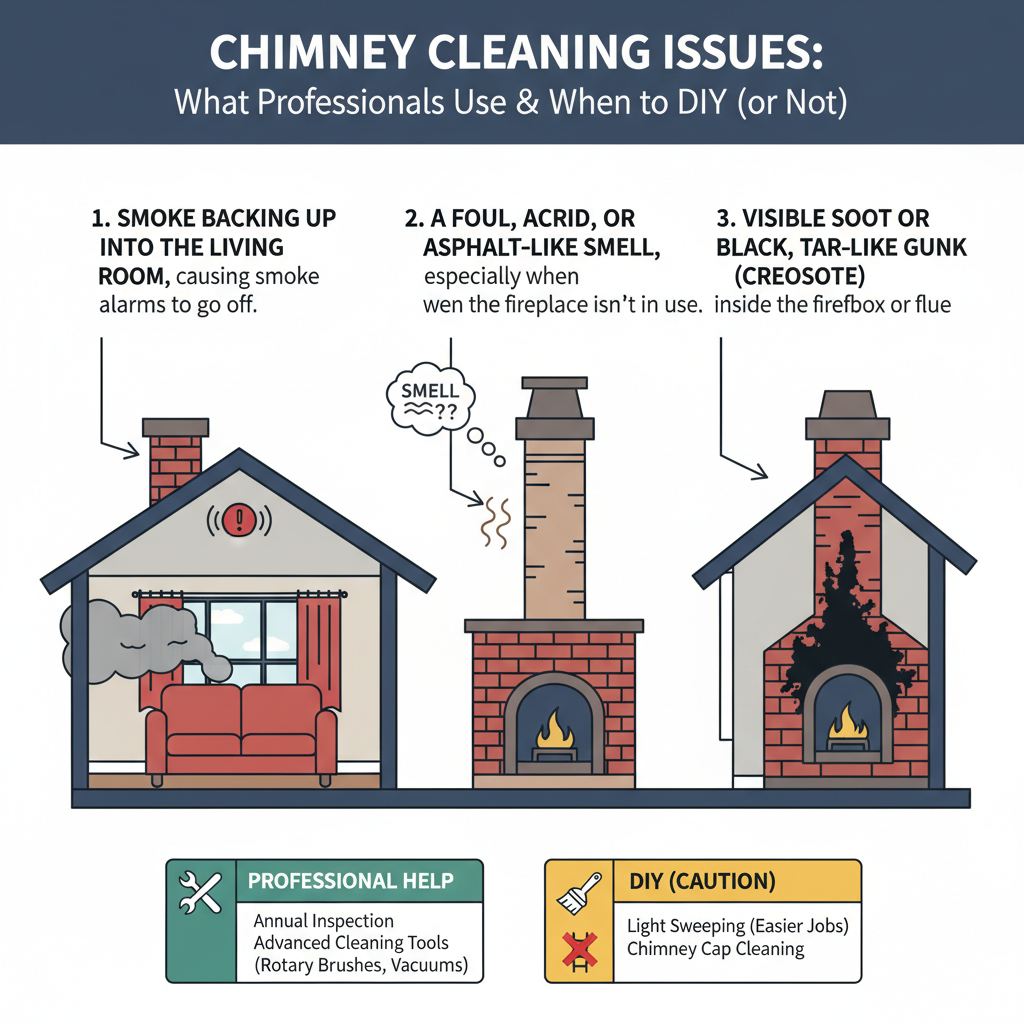
Common Symptoms
Possible Causes
Step-by-Step Diagnosis
Step 1
Visual Inspection: With the firebox cold, use a strong flashlight and mirror to look up the flue from the bottom. Check for visible blockages, falling debris, and buildup on the walls.
Step 2
The Scrape Test: Gently scrape the inside wall of the flue with a screwdriver. If the buildup is over 1/8 inch thick, or if it's hard and glassy, it's a fire hazard and requires professional cleaning.
Step 3
Odor Check: Pay attention to smells on non-burning days. A strong, smoky, or acrid odor indicates a significant creosote presence.
Step 4
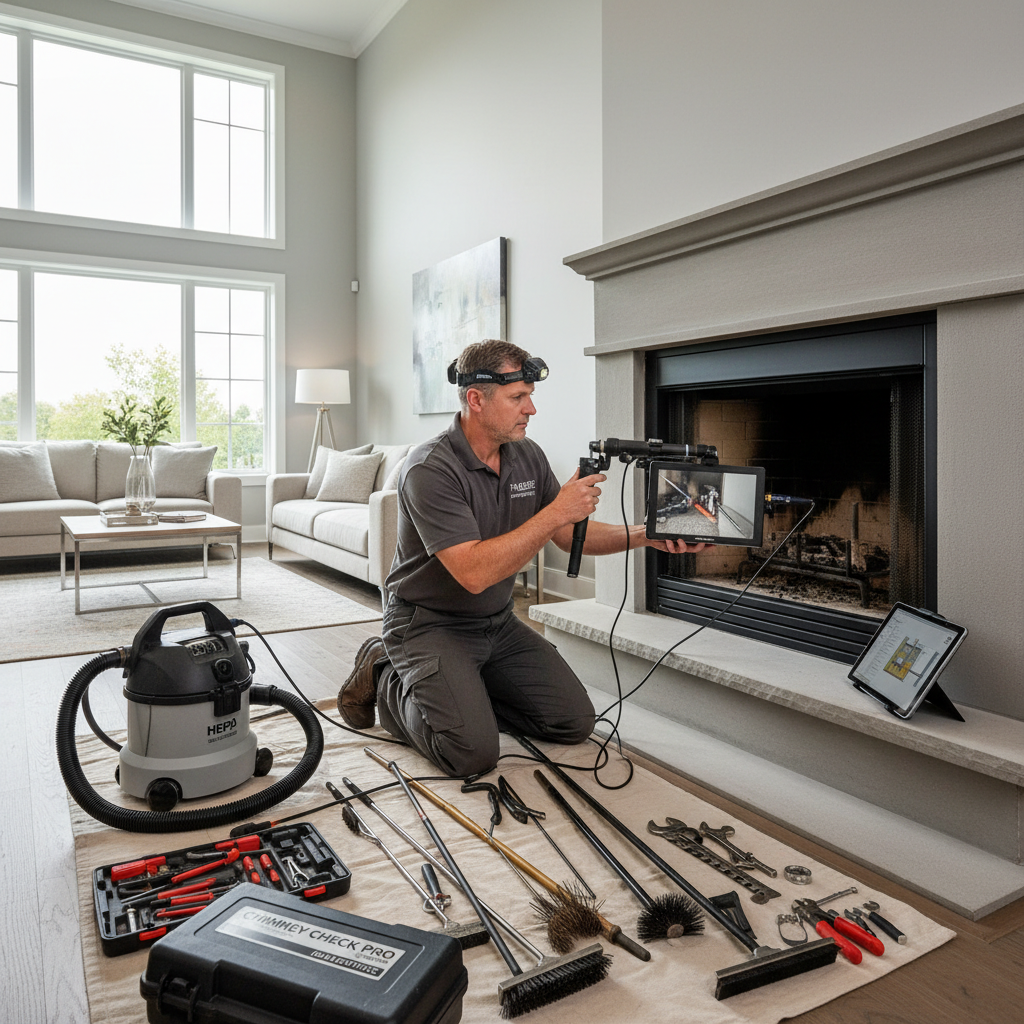
Professional Video Inspection: The only way to know the true condition of the entire flue. A certified technician uses a camera to scan for cracks, voids, and the extent of buildup from top to bottom.
DIY vs Professional Costs
| Repair Type | DIY Cost | Professional Cost | Time Required |
|---|---|---|---|
Basic Annual Sweep (Light Soot) | $50 - $200 | $150 - $350 | 2-4 hours (DIY), 1-2 hours (Pro) |
Level 2 Inspection (Video Scan) | N/A | $200 - $600 | 1-3 hours |
Removing a Major Animal Nest | $0 - $50 (if lucky) | $250 - $700 | Highly Variable |
When to Call a Professional Chimney
- If you see 1/8 inch or more of creosote buildup, especially if it's black, shiny, and hard.
- If you have a steel flue liner or a factory-built chimney, as the wrong tools can cause expensive damage.
- If you are not comfortable or safe working at heights on your roof.
- If you suspect you've had a chimney fire (e.g., you see puffy or honeycomb-like creosote).
- When buying or selling a home, a Level 2 inspection is usually required and is essential for safety.
- If you smell foul odors or notice smoke backing up into your home.
Prevention Tips
- Burn only dry, seasoned hardwood. Wood should be dried for at least a year. Use a moisture meter to check for a reading below 20%.
- Install a chimney cap. This is the single best way to keep rain, debris, and animals out of your chimney flue.
- Build appropriately sized, hot fires. Avoid long, smoldering fires that produce more smoke and creosote.
- Schedule annual professional inspections. Even if you don't think it needs cleaning, an inspection can catch small problems before they become big, expensive ones.
- Never burn trash, cardboard, treated wood, or artificial logs not specifically designed for your fireplace type.
Frequently Asked Questions
Related Guides
Creosote Buildup (Troubleshooting & Fixes)
A veteran tech's guide to creosote buildup. Learn how to spot this chimney fire risk, what causes it, and when you can DIY vs. calling a pro. Don't get burned.
Preparing Your Chimney for Winter: Essential Seasonal Maintenance and Inspection Troubleshooting & Fixes (2024 Guide)
Essential guide to preparing your chimney for winter: learn DIY inspection tips, understand creosote dangers, and know when to call a CSIA-certified professional for annual maintenance and cleaning. Prevent creosote buildup and chimney fires.
Efflorescence on Chimney Masonry Troubleshooting & Fixes (2024 Guide)
Seeing white powder on your chimney brick? A veteran tech explains what that efflorescence is, why it's a warning sign for water damage, and how to effectively diagnose and fix it, including DIY and when to call a professional.
Chimney Cleaning Tools & Guide: DIY vs. Pro, When to Clean & Spot Dangers
Discover when to DIY chimney cleaning vs. hiring a professional. Learn about essential chimney cleaning tools, the dangers of creosote, how to spot warning signs, and critical safety tips to prevent chimney fires and maintain a safe home.
Animals in Your Chimney? (Troubleshooting & Fixes)
Hearing scratching in your chimney? A veteran tech explains how to figure out what's in there, get it out, and stop it from happening again.
Fireplace Smoking? Troubleshooting Poor Chimney Draft & When to Consider an Inducer Fan
Is your fireplace smoking up the house? Learn how to troubleshoot poor chimney draft, identify common causes, and discover if a chimney draft inducer fan is the right solution for your home.
Need Professional Help?
Find top-rated chimney experts in your area