Quick Answer
Okay, so your chimney's showing signs of trouble, and you're wondering how serious it is. You might be seeing cracks on the outside, water stains indoors, or smoke backing up into your room. Often, these issues stem from years of weather exposure. A standard chimney cleaning and inspection typically costs $150-$350. However, if you have significant damage like crumbling mortar or a compromised flue liner, repairs could range from hundreds to several thousands of dollars. Don't ignore these problems; they will only worsen and become significantly more expensive over time.
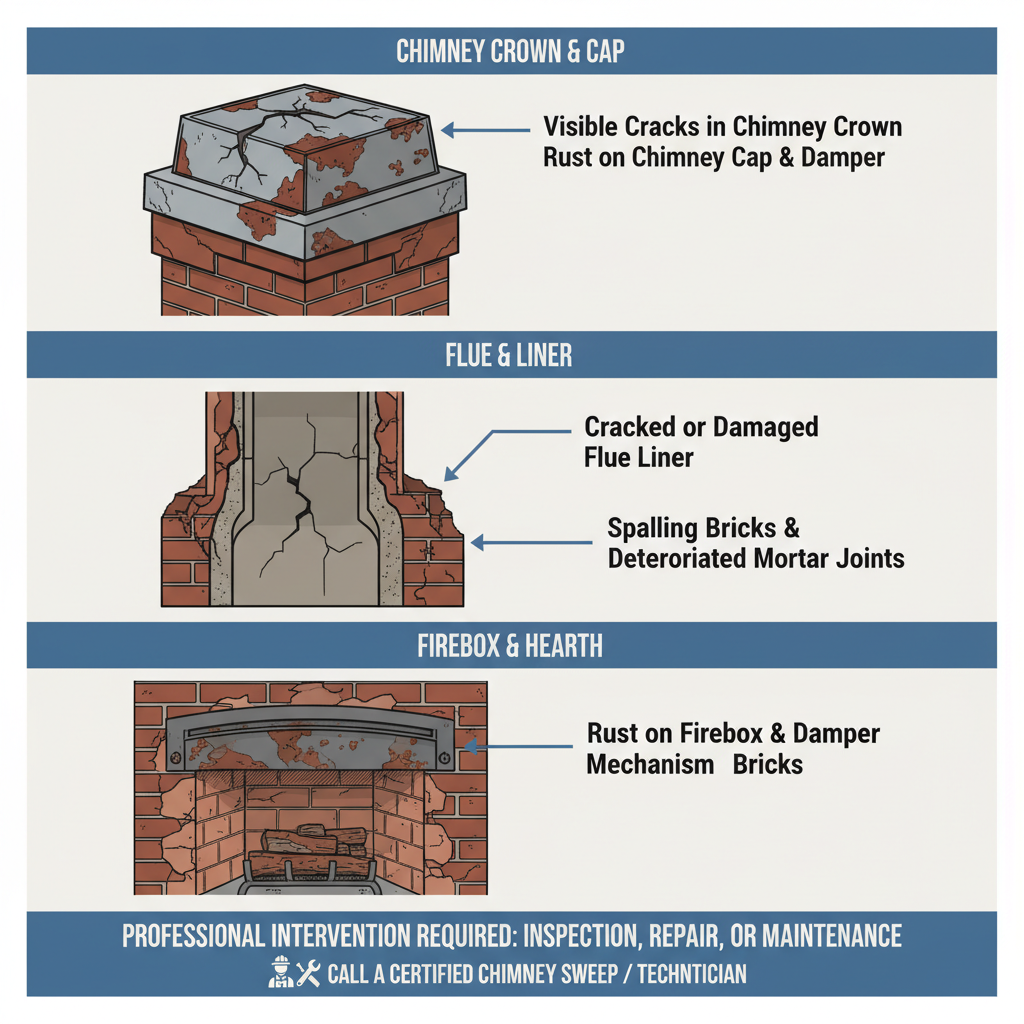
Common Symptoms
Possible Causes
Step-by-Step Diagnosis
Step 1
Visual inspection from the ground. Walk around the house and look at the chimney's overall condition from a distance. Check for leaning or obvious large cracks.
Step 2
Use binoculars to get a closer look at the upper sections. Inspect the chimney crown for cracks, the mortar joints for gaps, and the bricks for spalling (flaking/crumbling).
Step 3
Inspect the interior from the fireplace opening. Operate the damper. Use a powerful flashlight to look up into the smoke chamber and flue for heavy creosote buildup or visible cracks in the liner.
Step 4
Check for signs of water leaks. Look for water stains or bubbling paint on walls and ceilings near the chimney. Check the attic for dampness or stains on the wood framing around the chimney.
Step 5
Tap on the exterior bricks at ground level with a screwdriver handle. Listen for a hollow sound, which can indicate a loose brick or deteriorated mortar behind it.
Step 6
Pay attention to performance. When you use the fireplace (if you've deemed it safe for a small test), note if smoke enters the room or if it smells unusually acrid or musty.
DIY vs Professional Costs
| Repair Type | DIY Cost | Professional Cost | Time Required |
|---|---|---|---|
Basic Firebox Cleaning | $15-40 | Included in sweep ($150-350) | <1 hour |
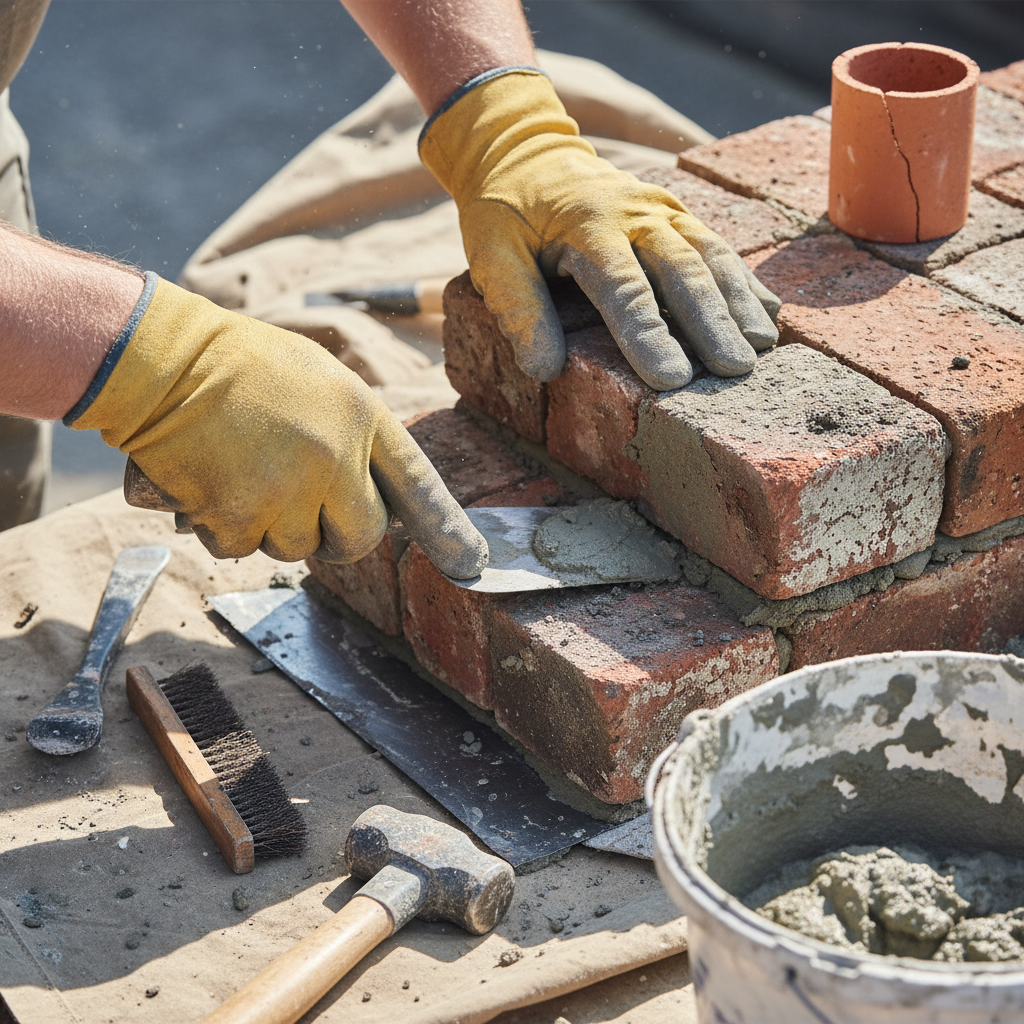
Minor Mortar Repointing | $20-50 | $300-1500+ | 2-4 hours |
Chimney Cap Replacement | $50-200 | $200-1000+ | 1-2 hours |
Chimney Crown Seal/Repair | $50-200 (sealant) | $400-2500+ | 1-3 hours (DIY) / 1 day (Pro) |
Flue Liner Replacement | N/A | $2000-8000+ | 1-3 days |
When to Call a Professional Chimney
- At least once a year for a routine inspection and cleaning.
- Immediately if you see the chimney is leaning or pulling away from the house.
- After any major event like a chimney fire, lightning strike, or earthquake.
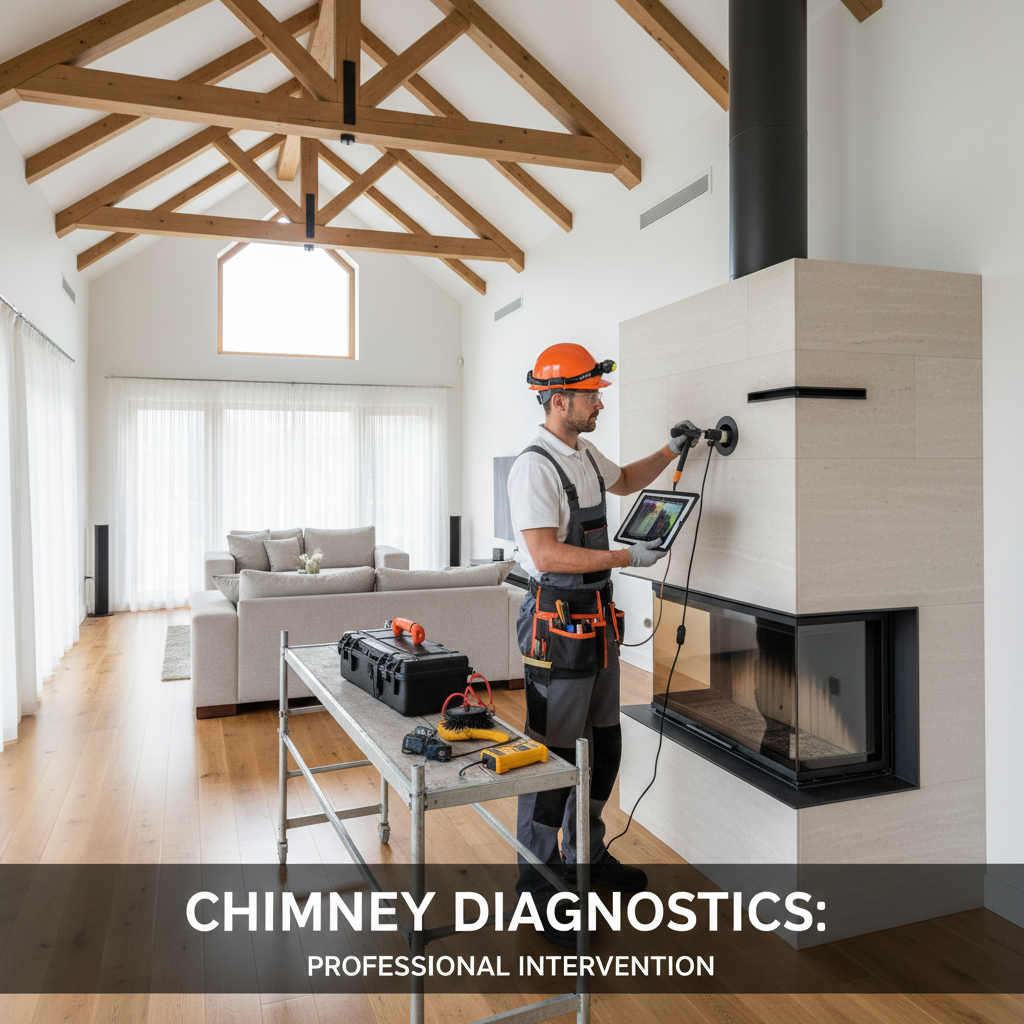
- When you're buying or selling a home, to get a certified Level 2 inspection.
- If you see flaking/crumbling bricks (spalling), which indicates a serious moisture problem.
- If you experience smoke filling the room, or you smell foul odors coming from the fireplace when it's not in use.
Prevention Tips
- Schedule a professional chimney sweep and inspection every single year, preferably before the start of the burning season.
- Install a high-quality chimney cap that has a screen to keep out rain, snow, and animals.
- Burn only dry, seasoned hardwoods. Avoid wet wood, green wood, or treated lumber, which produce excessive creosote.
- Address small issues immediately. A small mortar crack is a cheap fix; a rebuilt chimney is not.
Frequently Asked Questions
Related Guides
Comprehensive Chimney Inspection: What Professionals Look For & Homeowner Checklist Guidance Troubleshooting & Fixes (2024 Guide)
A veteran chimney tech explains what happens during an inspection, what to look for yourself, and when to call a pro. Get the real story on costs and safety.
Preparing Your Chimney for Winter: Essential Seasonal Maintenance and Inspection Troubleshooting & Fixes (2024 Guide)
Don't risk a chimney fire this winter. A vet tech explains how to inspect your chimney for dangerous creosote so you'll know when to call a pro for a sweep.
Why is my chimney smoking up the house? (Troubleshooting & Fixes)
Getting smoke in your house from your fireplace? A vet tech of 25+ years explains the common causes like a closed damper or cold flue and how to fix them.
Efflorescence on Chimney Masonry Troubleshooting & Fixes (2024 Guide)
Seeing white powder on your chimney brick? A veteran tech explains what that efflorescence is, why it's a warning sign for water damage, and how to actually fix it.
Your Chimney Damper Giving You Grief? (A Veteran's Guide to Fixing It)
Chimney damper stuck, leaking, or broken? An experienced technician explains how to troubleshoot smoke, drafts, and stuck handles for throat and top-sealing dampers.
Chimney Cleaning Tools: What Professionals Use & When to DIY (or Not) Troubleshooting & Fixes (2024 Guide)
A veteran technician explains chimney cleaning tools, the dangers of creosote, and tells you when to DIY vs. when to call a pro. Don't risk a fire.
Need Professional Help?
Find top-rated chimney experts in your area