Quick Answer
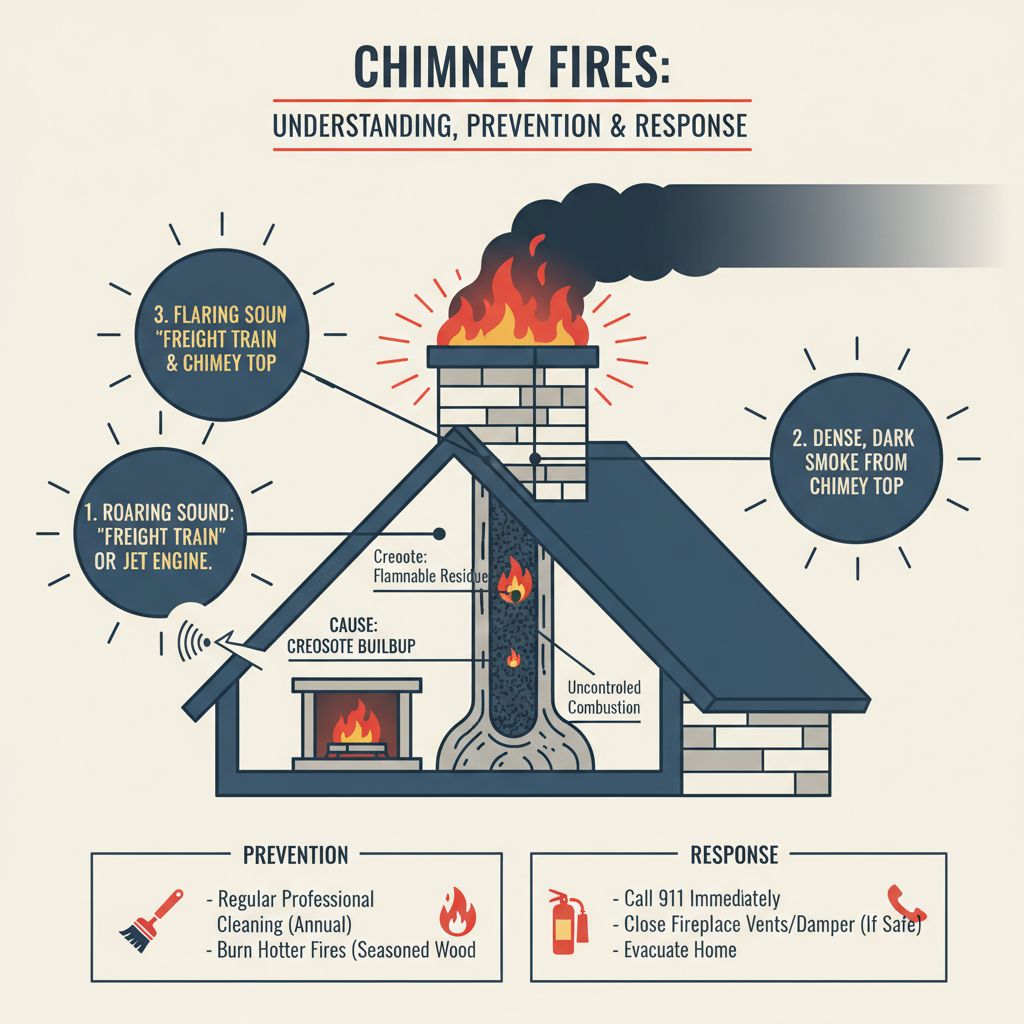
Okay so here's the quick version. A chimney fire is basically an out-of-control blaze inside your chimney flue, fed by this nasty, flammable gunk called creosote. They sound like a freight train, smell absolutely terrible, and can burn your house to the ground. The only real 'fix' is prevention: get it professionally swept every single year, which'll run you about $150-$350. If you think you're having one, get everyone out and call 911 immediately. Don't be a hero. Seriously.
Common Symptoms
Possible Causes
Step-by-Step Diagnosis
Step 1
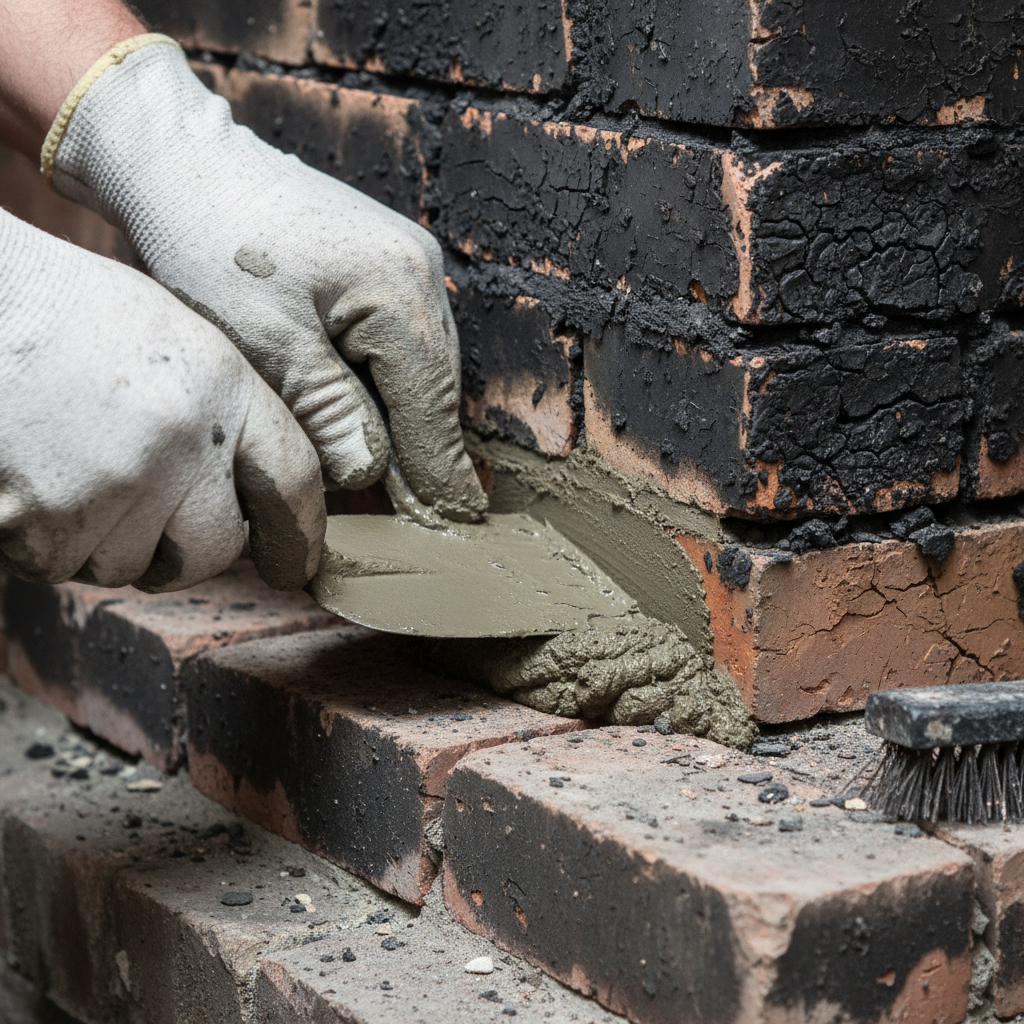
Visual Inspection: Look inside the firebox and up toward the damper for black, flaky, or tarry buildup. If it's 1/8-inch thick, it's a hazard.
Step 2
Listen for Unusual Sounds: When a fire is burning, pay attention to any roaring or loud cracking noises.
Step 3
Check for Smoke/Odor: Notice if smoke is backing up into the room or if there's a persistent hot, tar-like smell.
Step 4
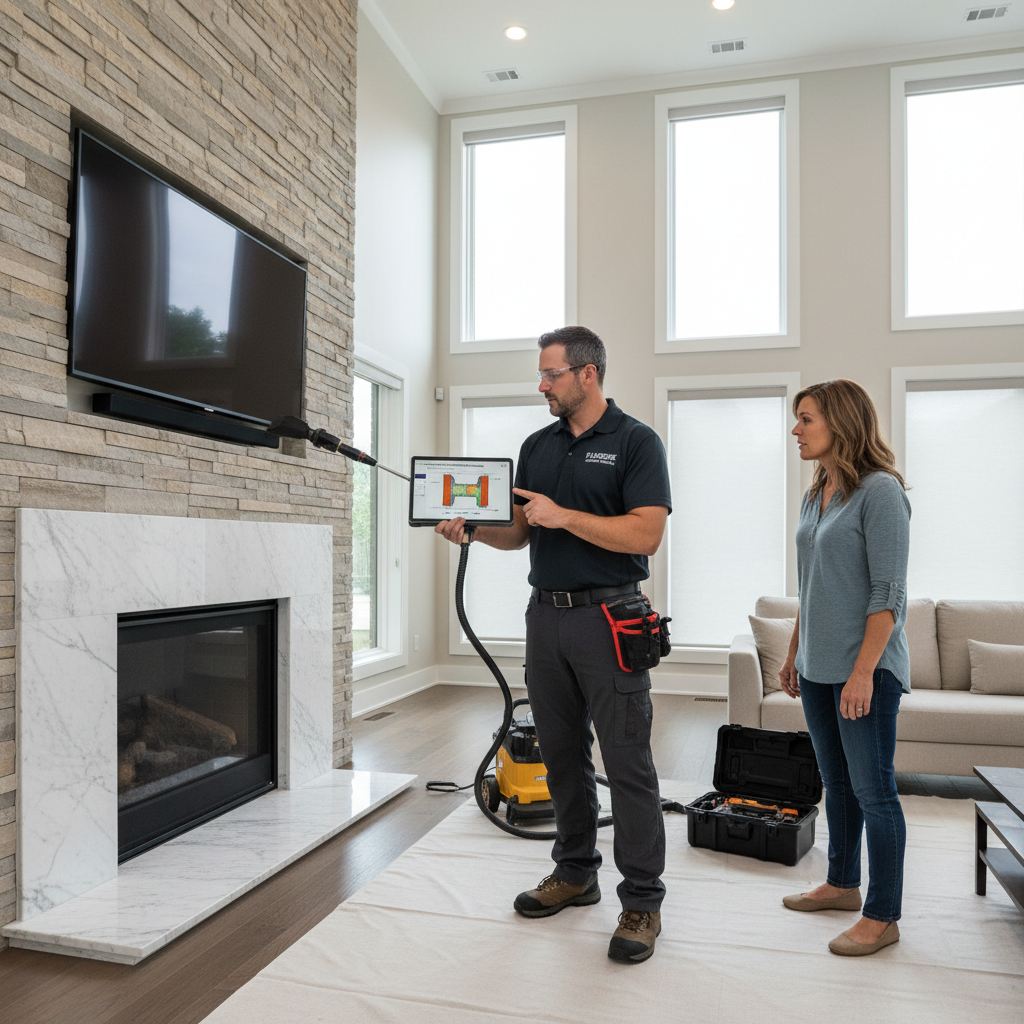
Schedule a Professional Inspection: The only way to be certain is to have a certified sweep perform an annual inspection, and a Level 2 camera inspection after any suspected fire.
DIY vs Professional Costs
| Repair Type | DIY Cost | Professional Cost | Time Required |
|---|---|---|---|
Annual Inspection & Sweeping | Not Feasible/Recommended for proper cleaning and inspection | $150 - $350 | 1-2 hours |
Level 2 Inspection (Video Scan) | $0 (Impossible to DIY) | $250 - $600+ | 1-2 hours |
Chimney Liner Replacement (Post-Fire) | $0 (Do not attempt) | $1,500 - $5,000+ | 1-3 days |
When to Call a Professional Chimney
- Immediately after you suspect you've had a chimney fire, even if it was small.
- Annually, for a routine inspection and cleaning.
- If you see 1/8 inch or more of creosote buildup inside your firebox or flue.
- If smoke is consistently backing up into your living space.
- If you find pieces of tile or mortar in your firebox, indicating internal damage.
Prevention Tips
- Get a professional, certified chimney sweep to inspect and clean your chimney annually.
- Burn only dry, seasoned hardwoods with a moisture content below 20%.
- Avoid smoldering, low-temperature fires; ensure good airflow for a hot, clean burn.
- Install a proper chimney cap with a spark arrestor to keep out debris, animals, and rain.
Frequently Asked Questions
Related Guides
Comprehensive Chimney Inspection: What Professionals Look For & Homeowner Checklist Guidance Troubleshooting & Fixes (2024 Guide)
A veteran chimney tech explains what happens during an inspection, what to look for yourself, and when to call a pro. Get the real story on costs and safety.
Preparing Your Chimney for Winter: Essential Seasonal Maintenance and Inspection Troubleshooting & Fixes (2024 Guide)
Don't risk a chimney fire this winter. A vet tech explains how to inspect your chimney for dangerous creosote so you'll know when to call a pro for a sweep.
Why is my chimney smoking up the house? (Troubleshooting & Fixes)
Getting smoke in your house from your fireplace? A vet tech of 25+ years explains the common causes like a closed damper or cold flue and how to fix them.
Efflorescence on Chimney Masonry Troubleshooting & Fixes (2024 Guide)
Seeing white powder on your chimney brick? A veteran tech explains what that efflorescence is, why it's a warning sign for water damage, and how to actually fix it.
Your Chimney Damper Giving You Grief? (A Veteran's Guide to Fixing It)
Chimney damper stuck, leaking, or broken? An experienced technician explains how to troubleshoot smoke, drafts, and stuck handles for throat and top-sealing dampers.
Chimney Cleaning Tools: What Professionals Use & When to DIY (or Not) Troubleshooting & Fixes (2024 Guide)
A veteran technician explains chimney cleaning tools, the dangers of creosote, and tells you when to DIY vs. when to call a pro. Don't risk a fire.
Need Professional Help?
Find top-rated chimney experts in your area