Quick Answer
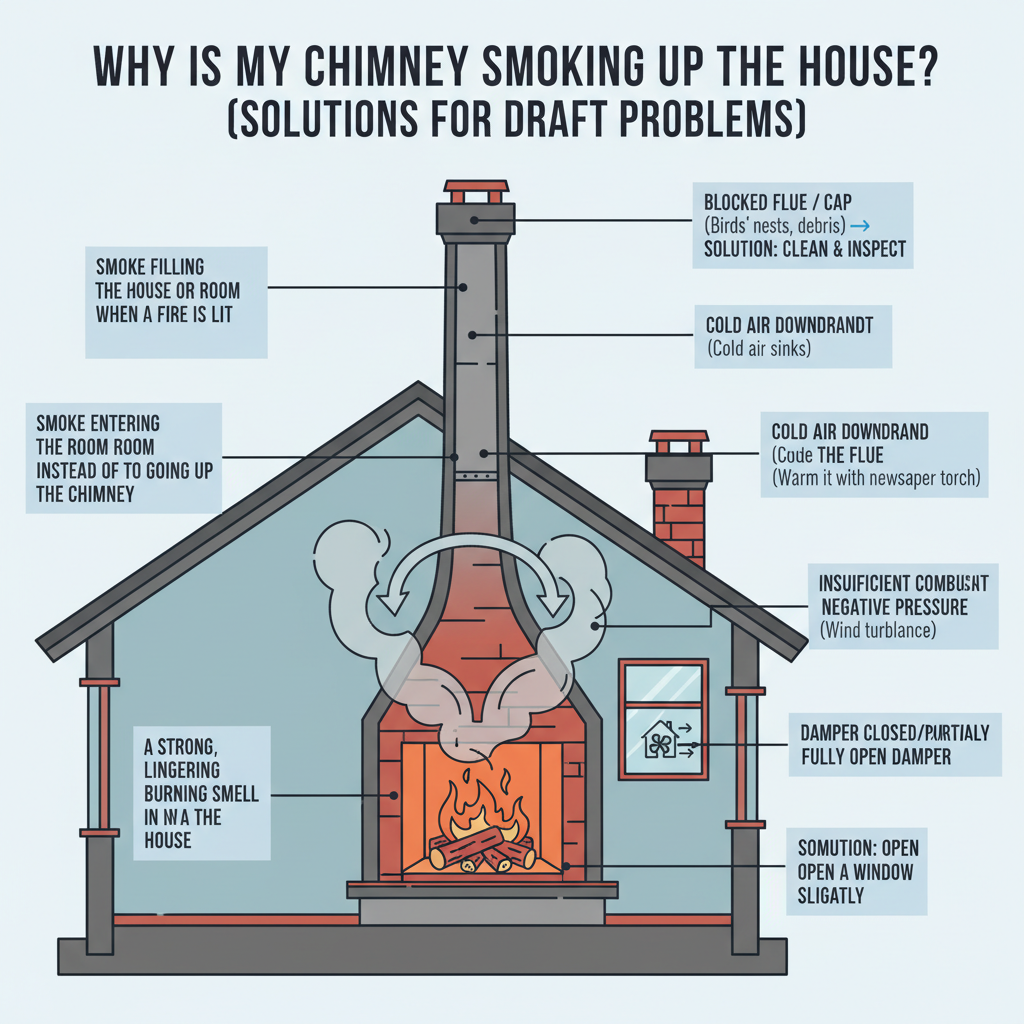
Okay so here's the quick version. Nine times out of ten, your house is filling with smoke because of a simple draft problem. It's almost always one of three things: a closed damper you forgot to open, a flue that's full of cold, heavy air preventing proper draft (often called a 'cold flue' effect), or you're burning wet wood. Before you panic, just check that damper handle or lever. If that's good, try 'priming' the flue. Take a rolled-up newspaper, light it, and hold it up inside the fireplace opening near the damper for a minute or two to warm the flue and encourage the draft. If that doesn't fix it, you might have a more significant issue like a blockage, negative house pressure, or even an issue with insufficient combustion air. That's when you should call a qualified chimney professional.
Common Symptoms
Possible Causes
Step-by-Step Diagnosis
Step 1
Physically confirm the damper plate is fully open before lighting a fire.
Step 2
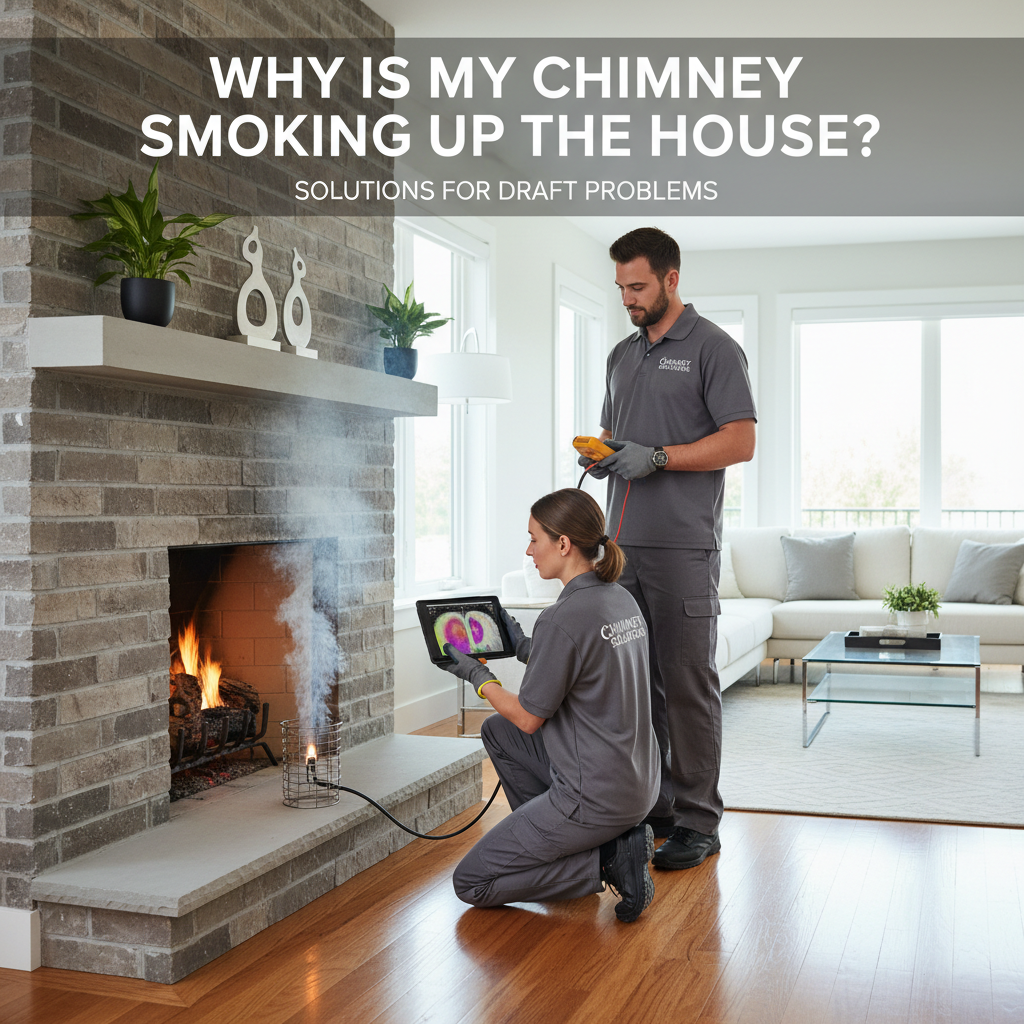
Perform a 'smoke test' by lighting a rolled-up newspaper and holding it up in the firebox to see if the smoke is drawn up the flue.
Step 3
Check for negative air pressure by cracking a nearby window and repeating the smoke test to see if the draft improves.
Step 4
Use a strong flashlight to perform a visual inspection from the bottom of the firebox, looking for obvious obstructions, heavy creosote, or damage.
Step 5
Evaluate the wood being used to ensure it is seasoned (dry) hardwood, not wet, green, or soft wood.
DIY vs Professional Costs
| Repair Type | DIY Cost | Professional Cost | Time Required |
|---|---|---|---|
Sweeping & Cleaning Creosote | $30 - $100 | $150 - $350 | 2-4 hours (DIY), 1-2 hours (Pro) |
Installing a New Chimney Cap | $50 - $200 | $200 - $600 | 1-2 hours |
Damper Repair/Replacement | N/A | $300 - $1000+ | 2-5 hours |
Installing a New Chimney Liner | N/A | $2,500 - $7,000+ | 1-2 days |
When to Call a Professional Chimney
- If you see thick, tarry, or flaky creosote buildup inside the flue.
- If the damper is broken, stuck, or the handle moves but the plate does not.
- If smoke continues to back up into the house after trying all basic DIY solutions.
- If you see visible cracks, crumbling mortar, or broken tiles inside the firebox or chimney.
- If there's a strong smoky smell even when no fire is lit, indicating a potential leak.
- For your annual inspection and cleaning, which should be done by a CSIA-certified professional.
Prevention Tips
- Get your chimney inspected and swept annually by a certified professional.
- Always burn seasoned, dry hardwood. Avoid green wood, trash, or treated lumber.
- Install a proper chimney cap to keep out rain, debris, and animals.
- Pre-heat the flue with a rolled-up newspaper before starting a fire on cold days.
- Ensure there's adequate air supply by cracking a window if the house is tightly sealed or exhaust fans are running.
- Build smaller, hotter fires instead of large, smoldering ones to minimize creosote buildup.
Frequently Asked Questions
Related Guides
Comprehensive Chimney Inspection: What Professionals Look For & Homeowner Checklist Guidance Troubleshooting & Fixes (2024 Guide)
A veteran chimney tech explains what happens during an inspection, what to look for yourself, and when to call a pro. Get the real story on costs and safety.
Preparing Your Chimney for Winter: Essential Seasonal Maintenance and Inspection Troubleshooting & Fixes (2024 Guide)
Don't risk a chimney fire this winter. A vet tech explains how to inspect your chimney for dangerous creosote so you'll know when to call a pro for a sweep.
Why is my chimney smoking up the house? (Troubleshooting & Fixes)
Getting smoke in your house from your fireplace? A vet tech of 25+ years explains the common causes like a closed damper or cold flue and how to fix them.
Efflorescence on Chimney Masonry Troubleshooting & Fixes (2024 Guide)
Seeing white powder on your chimney brick? A veteran tech explains what that efflorescence is, why it's a warning sign for water damage, and how to actually fix it.
Your Chimney Damper Giving You Grief? (A Veteran's Guide to Fixing It)
Chimney damper stuck, leaking, or broken? An experienced technician explains how to troubleshoot smoke, drafts, and stuck handles for throat and top-sealing dampers.
Chimney Cleaning Tools: What Professionals Use & When to DIY (or Not) Troubleshooting & Fixes (2024 Guide)
A veteran technician explains chimney cleaning tools, the dangers of creosote, and tells you when to DIY vs. when to call a pro. Don't risk a fire.
Need Professional Help?
Find top-rated chimney experts in your area