Quick Answer
A professional inspection will pinpoint the exact source(s).Ignoring leaks leads to significant, costly damage like wood rot, mold, and compromised structural integrity. Repair costs range from a few hundred for minor fixes to several thousand for major overhauls. Your first step should be to find the leak's origin(s) – it's rarely a single, isolated issue.
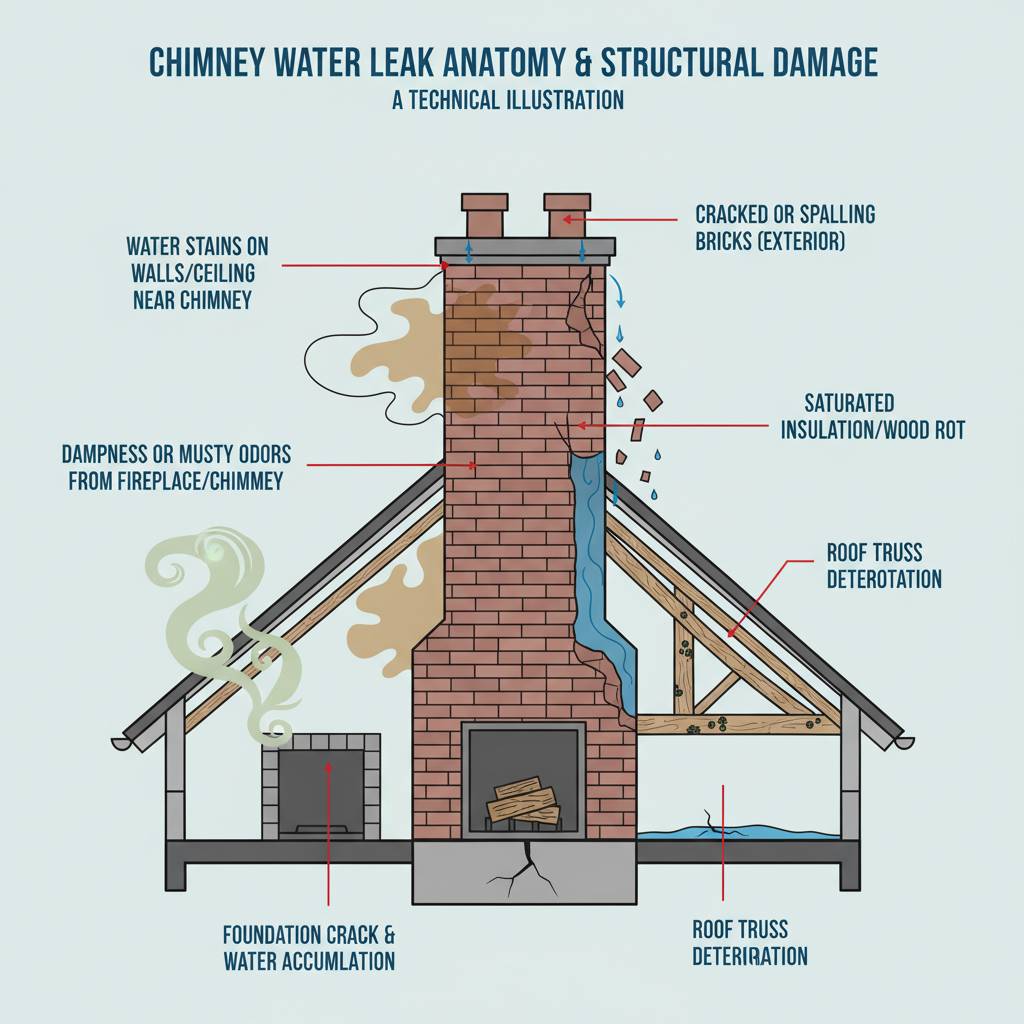
Common Symptoms
Possible Causes
Step-by-Step Diagnosis
Step 1
Visual inspection from the ground: Use binoculars to look for obvious signs of damage like cracked masonry, missing mortar, or a damaged chimney cap without getting on a ladder.
Step 2
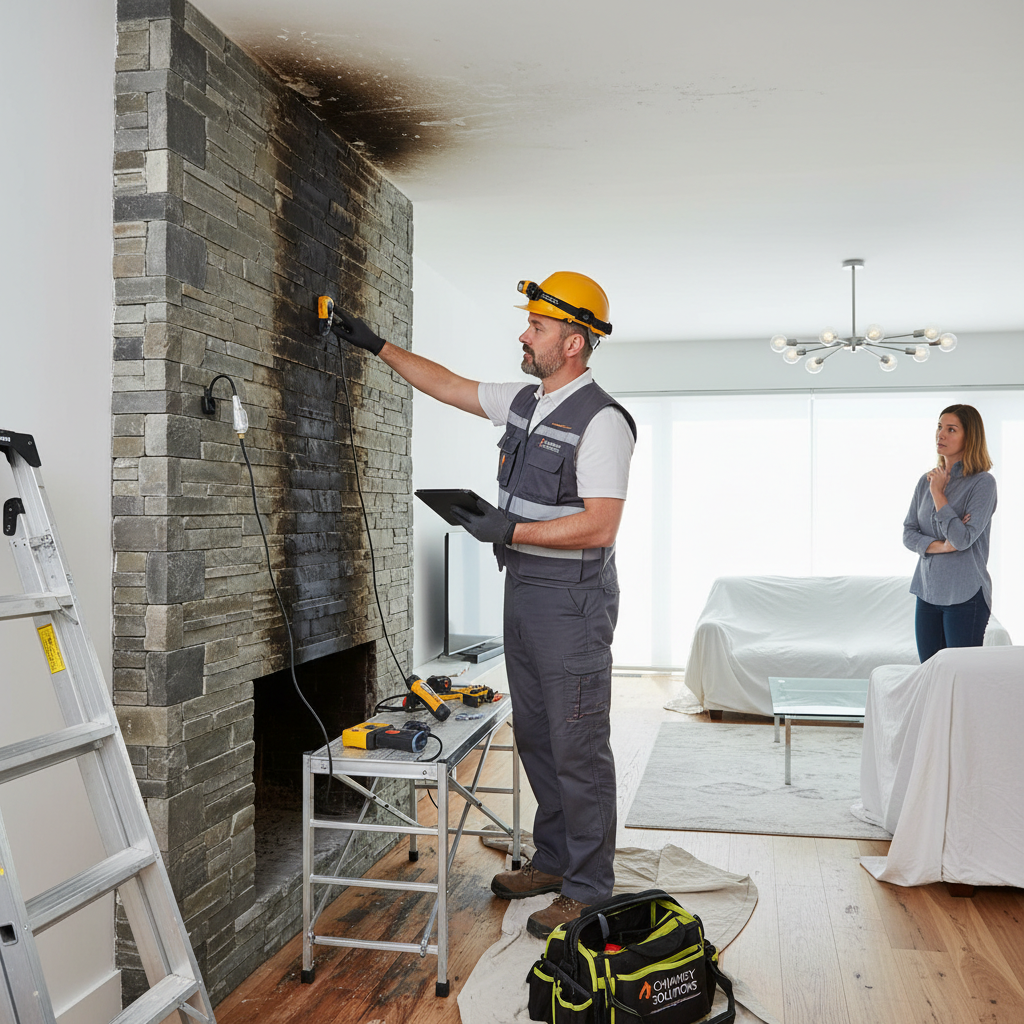
Interior inspection: Check the firebox, damper, and the walls/ceilings around the chimney. Look for water stains, rust, or musty smells.
Step 3
Roof level inspection (if safe): If you're comfortable and it's safe to do so, carefully inspect the chimney crown for cracks, the cap for damage, and the flashing for separation or corrosion.
Step 4
Water test (professional recommended): A controlled water test, isolating different sections of the chimney with a hose, can pinpoint stubborn leak sources. It's slow but effective.
Step 5
Flue inspection: Use a high-powered flashlight to look down the flue from the top for obvious blockages or damage to the liner. A pro will use a camera for a detailed look.
DIY vs Professional Costs
| Repair Type | DIY Cost | Professional Cost | Time Required |
|---|---|---|---|
Chimney Cap Replacement | $50 - $200 | $200 - $500 | 1-2 hours |
Minor Mortar Repair / Tuckpointing | $20 - $100 | $500 - $2,500+ | 4-12 hours |
Apply Water Repellent Sealant | $50 - $150 | $250 - $650 | 2-4 hours |
Chimney Crown Repair / Seal | $40 - $100 | $300 - $900 | 2-3 hours |
Flashing Repair / Replacement | Not recommended for DIY | $500 - $2,000+ | 1-2 days |
When to Call a Professional Chimney
- You see any visible water stains, dampness, or mold inside your home near the chimney.
- You find large cracks in the chimney crown or see bricks that are flaking apart (spalling).
- You can physically wiggle a brick, indicating a serious structural problem.
- You suspect damage to the flue liner, which is a major fire and safety hazard.
- The leak is clearly at the flashing where the chimney and roof meet. This is not a beginner repair.
- You are not comfortable or safe working on your roof or a tall ladder.
- You've tried a simple fix and the chimney is still leaking. It's time for an expert to do a proper diagnosis.
Prevention Tips
- Install a high-quality, properly sized chimney cap to block rain and animals from entering the flue.
- Keep the chimney crown sealed. Check for cracks annually and apply a flexible crown sealant every 5-7 years.
- Regularly inspect your mortar joints. Repair any crumbling or missing mortar (tuckpointing) before it becomes a major problem.
- Apply a vapor-permeable waterproofing sealant specifically designed for chimneys every 5-10 years, depending on the product.
- Keep your gutters clean and ensure downspouts direct water far away from the chimney base.
- Schedule an annual Level 1 chimney inspection with a certified sweep to catch problems early.
- Ensure the flashing around the chimney base is intact and properly sealed, and never just rely on tar or caulk for a long-term fix.

Frequently Asked Questions
Related Guides
Comprehensive Chimney Inspection: What Professionals Look For & Homeowner Checklist Guidance Troubleshooting & Fixes (2024 Guide)
A veteran chimney tech explains what happens during an inspection, what to look for yourself, and when to call a pro. Get the real story on costs and safety.
Preparing Your Chimney for Winter: Essential Seasonal Maintenance and Inspection Troubleshooting & Fixes (2024 Guide)
Don't risk a chimney fire this winter. A vet tech explains how to inspect your chimney for dangerous creosote so you'll know when to call a pro for a sweep.
Why is my chimney smoking up the house? (Troubleshooting & Fixes)
Getting smoke in your house from your fireplace? A vet tech of 25+ years explains the common causes like a closed damper or cold flue and how to fix them.
Efflorescence on Chimney Masonry Troubleshooting & Fixes (2024 Guide)
Seeing white powder on your chimney brick? A veteran tech explains what that efflorescence is, why it's a warning sign for water damage, and how to actually fix it.
Your Chimney Damper Giving You Grief? (A Veteran's Guide to Fixing It)
Chimney damper stuck, leaking, or broken? An experienced technician explains how to troubleshoot smoke, drafts, and stuck handles for throat and top-sealing dampers.
Chimney Cleaning Tools: What Professionals Use & When to DIY (or Not) Troubleshooting & Fixes (2024 Guide)
A veteran technician explains chimney cleaning tools, the dangers of creosote, and tells you when to DIY vs. when to call a pro. Don't risk a fire.
Need Professional Help?
Find top-rated chimney experts in your area