Quick Answer
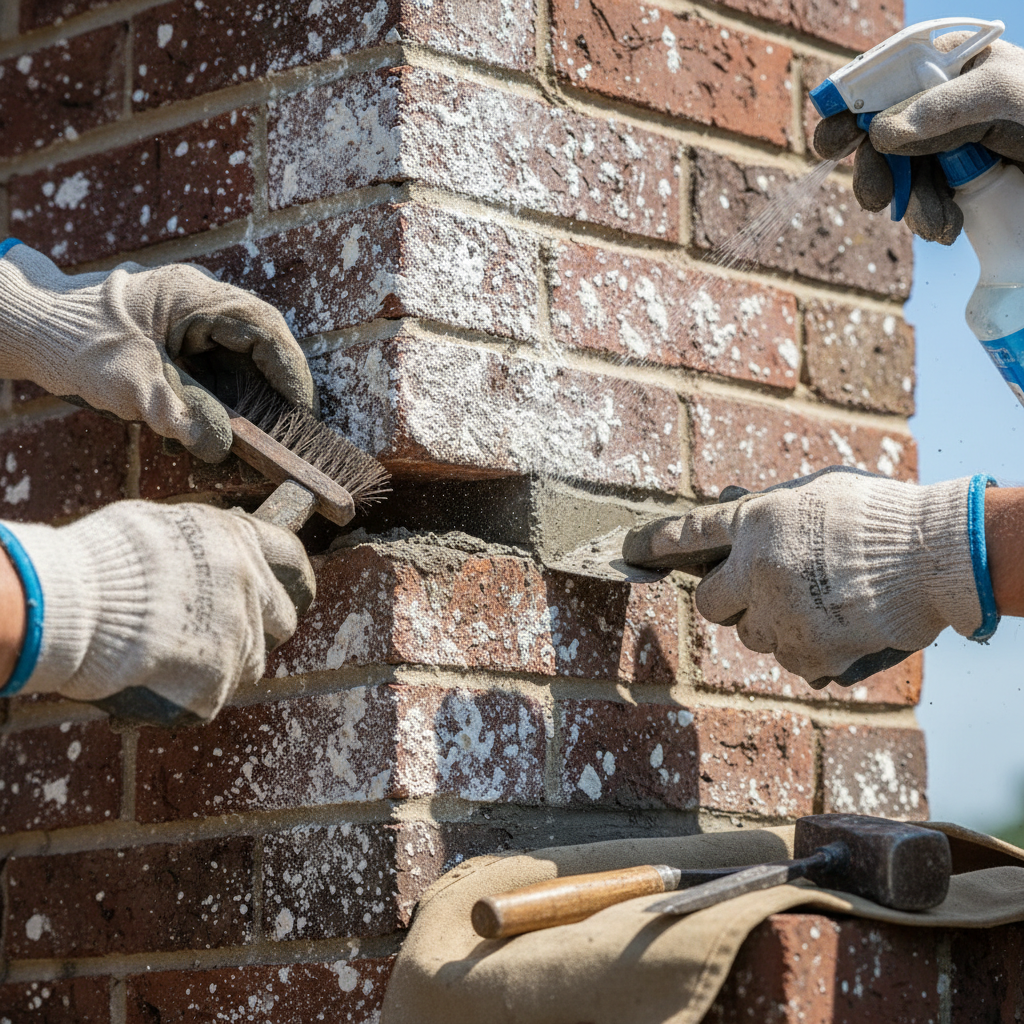
Efflorescence on a chimney is a white, powdery deposit of salts left behind when water evaporates from the masonry. It's a key indicator of moisture intrusion or water damage within the chimney structure. While the deposits themselves are harmless, the underlying moisture can lead to serious damage like deteriorating mortar, spalling bricks, and structural compromise. To fix it, clean the efflorescence cosmetically, then identify and repair the moisture source (e.g., cracked chimney crown, faulty flashing, or porous masonry). A cleaning can be a DIY task for under $30, but addressing the root cause can range from a few hundred dollars for minor repairs to several thousand for extensive restoration by a professional.
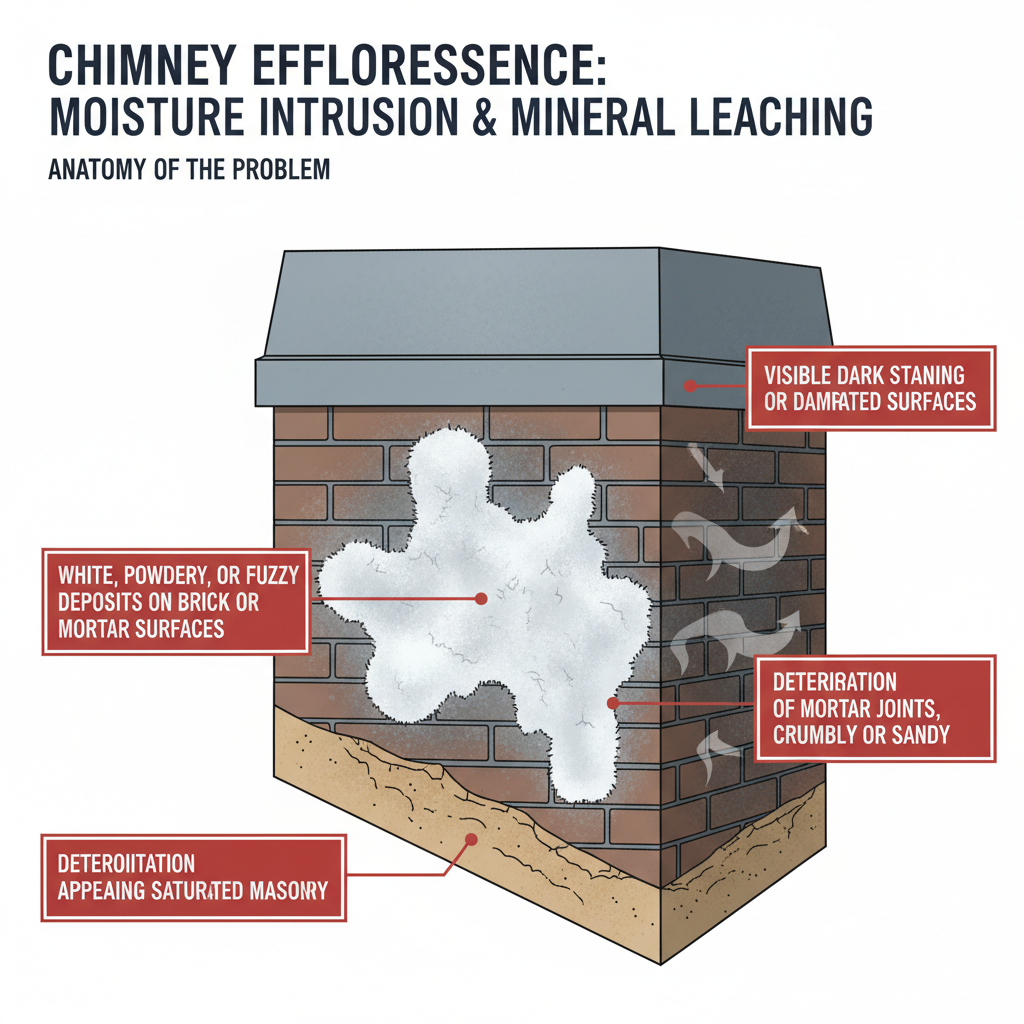
Common Symptoms
Possible Causes
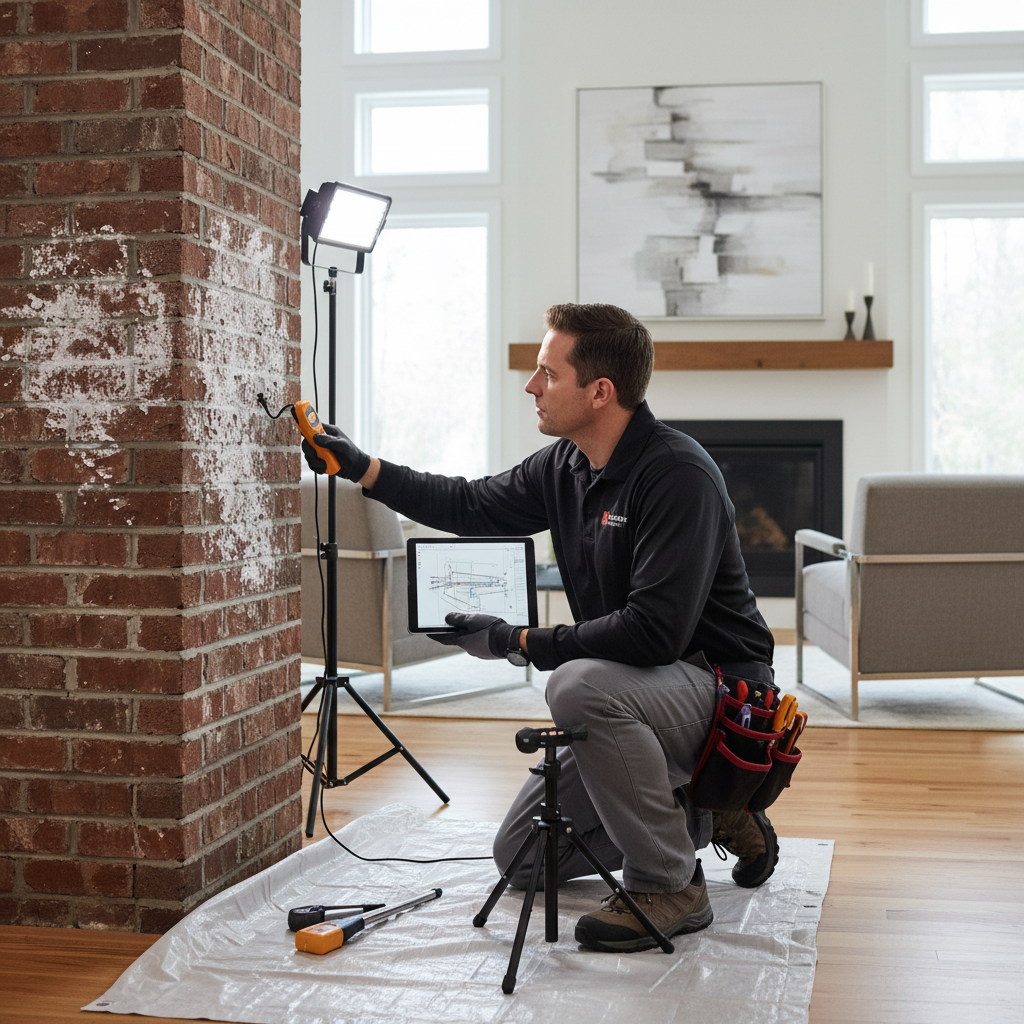
Step-by-Step Diagnosis
Step 1
Confirm the deposit is efflorescence by touching it; it should be dry and crumble to a powder, unlike slimy or colored mold.
Step 2
Visually inspect the entire chimney from top to bottom, using binoculars if necessary, to spot obvious cracks or damage.
Step 3
Examine the chimney crown (the top concrete slab) for any cracks, chips, or gaps around the flue liner.
Step 4
Check the metal flashing where the chimney meets the roof for signs of lifting, rust, or cracked sealant.
Step 5
Inspect the brick and mortar joints for cracks, gaps, or spalling (flaking/chipping brick faces).
DIY vs Professional Costs
| Repair Type | DIY Cost | Professional Cost | Time Required |
|---|---|---|---|
Efflorescence Cleaning (Brush & Water/Vinegar) | $5 - $30 | $200 - $600 | 1-3 hours |
Minor Crack Repair & Sealing | $50 - $150 | $400 - $800+ | 2-5 hours |
Major Tuckpointing or Crown Repair/Replacement | N/A | $800 - $5,000+ | 1-3 days |
Flashing Repair/Replacement | N/A | $500 - $2,500+ | 4-8 hours |
When to Call a Professional Chimney
- If the efflorescence returns quickly after you've cleaned it, indicating an unfixed leak.
- If you see any significant physical damage like large cracks, crumbling mortar joints, or flaking 'spalling' bricks.
- If the problem seems to be coming from the flashing where the chimney and roof meet, as this is a complex repair.
- If the chimney is tall or on a steep roof that you can't access safely without professional equipment and experience.
Prevention Tips
- Apply a breathable, vapor-permeable water-repellent sealant to the chimney masonry every 5-10 years to prevent water absorption.
- Ensure the chimney crown is intact, sloped to shed water, and completely free of cracks. Seal any hairline cracks immediately.
- Regularly inspect and maintain the flashing around the base of the chimney to ensure a watertight seal with the roof.
- Keep gutters clean and ensure downspouts direct water far away from the chimney's foundation.
Frequently Asked Questions
Related Guides
Creosote Buildup (Troubleshooting & Fixes)
A veteran tech's guide to creosote buildup. Learn how to spot this chimney fire risk, what causes it, and when you can DIY vs. calling a pro. Don't get burned.
Preparing Your Chimney for Winter: Essential Seasonal Maintenance and Inspection Troubleshooting & Fixes (2024 Guide)
Essential guide to preparing your chimney for winter: learn DIY inspection tips, understand creosote dangers, and know when to call a CSIA-certified professional for annual maintenance and cleaning. Prevent creosote buildup and chimney fires.
Efflorescence on Chimney Masonry Troubleshooting & Fixes (2024 Guide)
Seeing white powder on your chimney brick? A veteran tech explains what that efflorescence is, why it's a warning sign for water damage, and how to effectively diagnose and fix it, including DIY and when to call a professional.
Chimney Cleaning Tools & Guide: DIY vs. Pro, When to Clean & Spot Dangers
Discover when to DIY chimney cleaning vs. hiring a professional. Learn about essential chimney cleaning tools, the dangers of creosote, how to spot warning signs, and critical safety tips to prevent chimney fires and maintain a safe home.
Animals in Your Chimney? (Troubleshooting & Fixes)
Hearing scratching in your chimney? A veteran tech explains how to figure out what's in there, get it out, and stop it from happening again.
Fireplace Smoking? Troubleshooting Poor Chimney Draft & When to Consider an Inducer Fan
Is your fireplace smoking up the house? Learn how to troubleshoot poor chimney draft, identify common causes, and discover if a chimney draft inducer fan is the right solution for your home.
Need Professional Help?
Find top-rated chimney experts in your area