Quick Answer
Okay, so here's the quick version. Your house wasn't built for walkers or wheelchairs, and now it's difficult to navigate. The problem often stems from original design—narrow doors, steps, and inaccessible bathrooms. The fix involves a mix of simple DIY adjustments like installing grab bars and lever handles ($50-$300 total for materials) and larger professional projects such as building ramps or undertaking a full bathroom renovation, which can range from a few thousand to $50,000+. Prioritize addressing major safety risks like home entry/exit and bathroom accessibility to restore independence and safety.

Common Symptoms
Possible Causes
Step-by-Step Diagnosis
Step 1
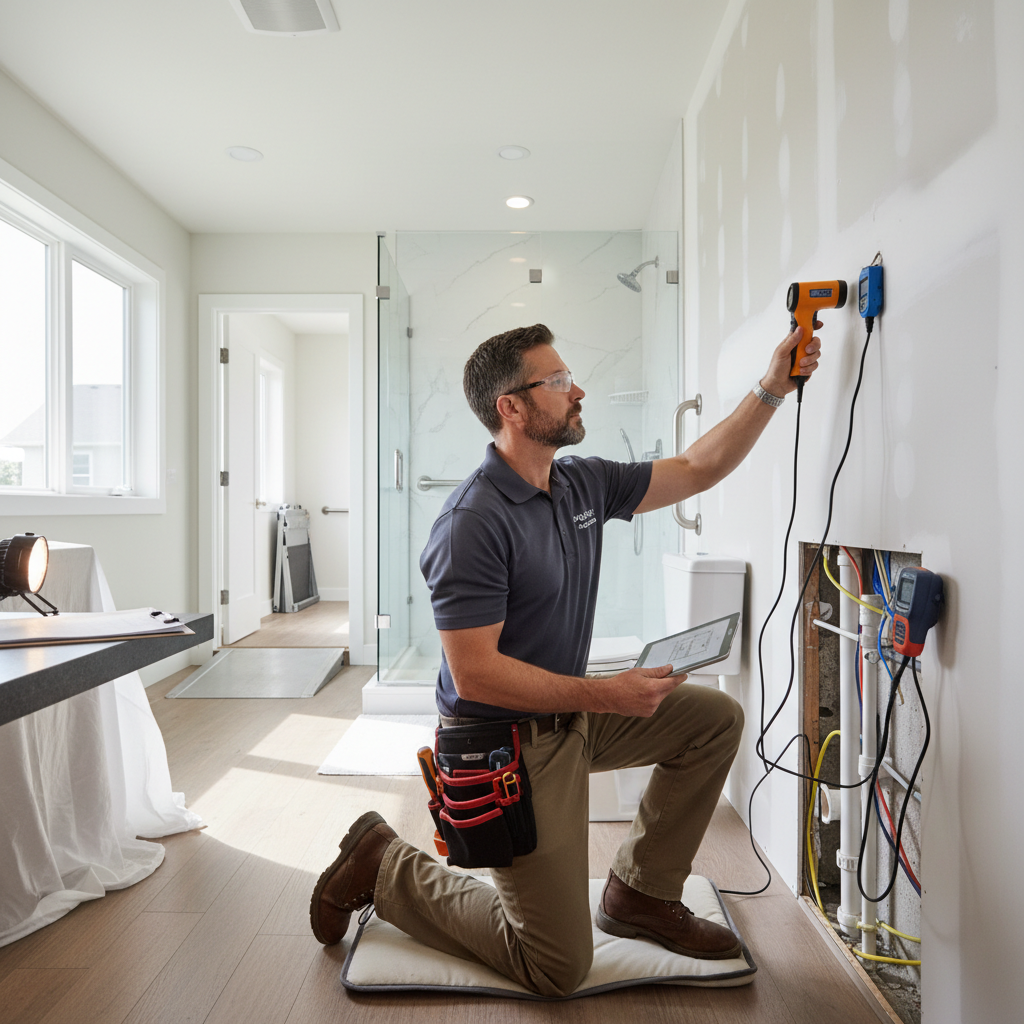
Conduct a complete home assessment by walking through each room from the perspective of someone with mobility limitations, noting specific barriers (e.g., narrow doorways, high thresholds, lack of grab bars). Don't just look, try to navigate it yourself.
Step 2
Identify critical areas of concern focusing on entry/exit points, bathrooms, kitchens, and common living spaces. These are the 'must-fix' zones.
Step 3
Document existing measurements with a tape measure (doorway widths, counter heights, step heights) and compare them against ADA or universal design guidelines as a benchmark.
Step 4
Consult with the resident or their caregivers to understand their specific needs, challenges, and priorities. This is the most crucial step.
Step 5
Prioritize modifications based on safety, independence, and budget, categorizing them as essential ('Must-Do Now'), highly recommended ('Should-Do Soon'), or desirable ('Nice-To-Have Later').
DIY vs Professional Costs
| Repair Type | DIY Cost | Professional Cost | Time Required |
|---|---|---|---|
Install Grab Bars | $100-300 | $200-500 | 1-2 hours |
Widen an Interior Doorway | $300-800 | $1,000-3,500 | 1-2 days |
Install Permanent Ramp | $1,500-5,000 | $3,000-15,000+ | 3-7 days |
Full Bathroom Remodel (Zero-Entry) | N/A | $15,000-50,000+ | 2-4 weeks |
Install a Stair Lift | N/A | $2,500-10,000 | 4-8 hours |
When to Call a Professional General Contractor
- When you need to make any structural modification, like widening a doorway or building a permanent ramp.
- For any complex bathroom or kitchen remodel that involves moving plumbing or electrical lines.
- For the installation of a stair lift or home elevator. These require specialized technicians.
- When you're not sure how to comply with design standards and want to make sure the job is done right and safely.
- If the project is too big to handle on your own or you don't have the specific skills required for carpentry, tile work, etc.
Prevention Tips
- When you remodel, put wood blocking inside walls for future grab bars. It's cheap and easy.
- Choose non-slip flooring like LVP or matte-finish tile, especially in kitchens and baths.
- Install good, bright lighting everywhere. Motion sensors in hallways are a great idea.
- When buying a home, look for features like a zero-step entry and a first-floor bedroom and full bath.
- Get rid of throw rugs and keep pathways clear of clutter and cords. This is free and you can do it right now.

Frequently Asked Questions
Related Guides
Unexpected renovation expenses and project delays: contingency planning and mitigation strategies Troubleshooting & Fixes
Basement Waterproofing During a Remodel (Troubleshooting & Fixes)
A veteran contractor's guide to fixing a wet basement during a remodel. Learn how to stop water intrusion, fix damage, and waterproof for good.
Homeowners need to ask the right questions during a general contractor interview to ensure a successful project and avoid potential issues. Troubleshooting & Fixes
Preparing Your Home for a Major Renovation (Troubleshooting & Fixes)
A veteran contractor's guide to preparing for a home renovation. Learn how to budget, hire, and plan to avoid delays and cost overruns. Real advice.
How to Choose Sustainable and Eco-Friendly Renovation Materials (A Pro's Guide)
A veteran contractor's guide to choosing sustainable renovation materials. Learn how to spot 'greenwashing,' find truly eco-friendly options, and fix your home right.
Change Orders Driving You Nuts? A Contractor's Guide to Understanding & Managing Them (2024)
A veteran contractor's no-nonsense guide to construction change orders. Learn why they happen, how to fight unfair costs, and when to call in the pros.
Need Professional Help?
Find top-rated general contractor experts in your area